Canada Banning Lifted Trucks: Navigating the New Landscape of Automotive Regulations
Canada Banning Lifted Trucks: Navigating the New Landscape of Automotive Regulations
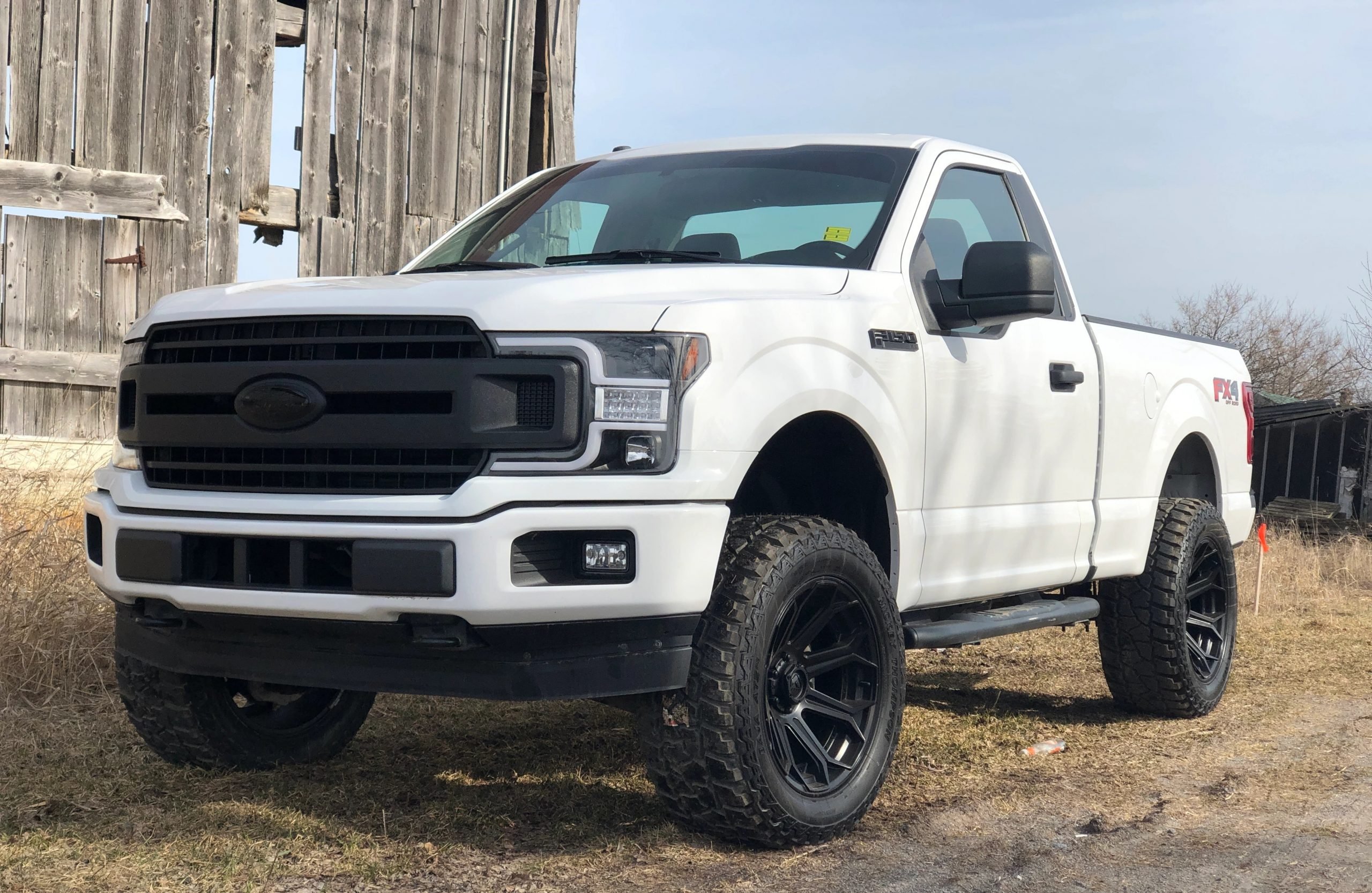
Imagine a Canada where the iconic, towering presence of a lifted truck on the highway becomes a relic of the past. While a complete, nationwide federal ban on all lifted trucks isn’t currently in effect across Canada, various provinces are increasingly tightening their regulations on vehicle modifications, and the broader discussion around safety, road wear, and environmental impact could pave the way for more widespread restrictions, effectively banning certain types of excessively lifted vehicles. This article explores the implications and potential realities should Canada, or its provinces, move towards a comprehensive ban on lifted trucks, offering insights into what such a change would mean for owners, the automotive industry, and road safety.
The concept of "Canada banning lifted trucks" refers to the governmental prohibition or severe restriction of vehicles with modified suspension and/or tire sizes that significantly raise the vehicle’s height beyond manufacturer specifications. This regulatory shift is driven by a confluence of factors, primarily safety concerns related to stability, visibility, and braking performance, as well as considerations for infrastructure preservation and environmental impact. For truck enthusiasts, this represents a significant upheaval, while for road safety advocates, it’s a welcome move towards safer shared roadways.
The Rationale Behind the Regulatory Shift
The discussion surrounding stricter regulations, or an outright ban, on lifted trucks stems from several key concerns:
- Road Safety and Stability: Lifting a truck significantly alters its centre of gravity, making it more prone to rollovers, especially during sharp turns or evasive maneuvers. The increased height can also negatively impact braking distances and vehicle dynamics, posing risks to the driver and other road users.
- Visibility Issues: A highly lifted truck can create substantial blind spots, particularly for smaller vehicles, pedestrians, and cyclists. This reduced visibility increases the risk of collisions, especially in urban environments or parking lots.
- Infrastructure Damage: Heavier, lifted trucks with oversized tires can exert greater stress on road surfaces, bridges, and parking structures, contributing to faster wear and tear and increased maintenance costs for public infrastructure.
- Environmental Impact: Larger tires and modified suspensions often lead to increased aerodynamic drag and rolling resistance, resulting in higher fuel consumption and greater greenhouse gas emissions.
- Headlight Glare: The elevated position of headlights on lifted trucks can cause excessive glare for oncoming drivers, especially at night, impairing their vision and increasing accident risk.
- Bumper Height Mismatch: In the event of a collision, a significant height difference between vehicles can lead to "underride" or "override" accidents, where one vehicle slides under or over the other, bypassing safety features like crumple zones and increasing the severity of injuries.
Defining "Lifted" Under Potential Regulations
One of the most critical aspects of any ban or stricter regulation would be a clear, consistent definition of what constitutes a "lifted truck." Currently, regulations vary by province, but a potential national or harmonized provincial approach would likely focus on:
- Maximum Suspension Lift: Limiting how much the vehicle’s suspension can be raised above factory specifications. This might be expressed in inches or centimeters (e.g., "no more than 2 inches above OEM").
- Maximum Tire Diameter: Restricting the overall diameter of tires that can be legally installed, as larger tires inherently increase vehicle height.
- Frame Height Restrictions: Setting a maximum allowable frame height from the ground.
- Bumper Height Requirements: Mandating that bumpers remain within a specified height range to ensure compatibility with other vehicles’ safety features.
- Fender Flare Coverage: Ensuring that all tire tread is covered by the vehicle’s fenders or fender flares, preventing debris from being thrown onto other vehicles.
These definitions would likely be based on engineering standards and safety studies, aiming to balance aesthetic preferences with public safety.
Impact on Truck Owners: Navigating the New Rules
For current owners of lifted trucks, a ban or stricter regulations would necessitate significant adjustments:
- Compliance Costs: Owners might be required to de-modify their vehicles to bring them into compliance. This could involve purchasing and installing stock suspension components, smaller tires, and potentially new bumpers, incurring substantial costs for parts and labor.
- Vehicle Valuation: Non-compliant vehicles could see a significant decrease in market value, as they would be illegal to operate or difficult to sell.
- Legal Ramifications: Operating a non-compliant lifted truck could result in hefty fines, vehicle impoundment, points on a driver’s license, and potentially increased insurance premiums or even policy cancellation.
- Insurance Implications: Insurers might refuse to cover non-compliant vehicles or charge significantly higher premiums due to the increased perceived risk.
Practical Advice for Owners:
- Stay Informed: Regularly check provincial and municipal government websites for updates on vehicle modification laws.
- Consult Professionals: If you own a lifted truck, speak with certified mechanics or automotive modification specialists about your vehicle’s current compliance and potential de-modification options.
- Assess Costs: Get quotes for de-modification, including parts and labor, to understand the financial implications.
- Consider Alternatives: If de-modification is too costly or undesirable, explore options like selling your vehicle (if allowed before a full ban takes effect) or purchasing a compliant truck.
- Join Owner Communities: Engage with other truck owners and forums to share information and experiences regarding regulatory changes.
The Automotive Aftermarket Industry: A Significant Shift
The aftermarket industry, which thrives on selling and installing lift kits, oversized tires, and other truck modifications, would face a substantial economic challenge:
- Decreased Demand: A ban would severely curtail the market for lift kits, specialized suspension components, and large off-road tires.
- Business Model Adaptation: Companies would need to pivot their business models, perhaps focusing on compliant performance upgrades, cosmetic accessories, or services for standard vehicles.
- Job Losses: Manufacturing, sales, and installation sectors within the aftermarket industry could experience job reductions.
- Innovation Towards Compliance: The industry might shift towards developing innovative products that enhance vehicle performance or aesthetics within new regulatory frameworks, such as mild leveling kits or more compliant off-road accessories.
Enforcement and Legal Framework
Enforcement of such a ban would likely involve:
- Roadside Inspections: Police and provincial transportation authorities conducting inspections to ensure vehicles meet height and modification standards.
- Vehicle Safety Inspections: Annual or semi-annual safety inspections would include checks for illegal modifications.
- Public Reporting: Mechanisms for the public to report potentially non-compliant vehicles.
The legal framework would need to be robust, clearly defining prohibited modifications, penalties for non-compliance, and processes for appeals. Given Canada’s federal system, a nationwide ban would likely require harmonized provincial legislation or federal guidelines that provinces adopt.
Benefits and Potential Challenges of a Ban
Benefits:
- Improved Road Safety: Reduced accident risk due to better stability, visibility, and consistent bumper heights.
- Reduced Infrastructure Wear: Less strain on roads and bridges.
- Environmental Gains: Potentially lower fuel consumption and emissions across the vehicle fleet.
- Fairness: A more level playing field for all vehicle types on the road.
Challenges:
- Economic Impact: Significant financial losses for the aftermarket industry and potentially for truck owners.
- Infringement on Personal Liberty: Some may view it as an overreach of government control over personal property and customization choices.
- Enforcement Difficulties: The sheer number of vehicles and the nuances of modifications could make consistent enforcement challenging.
- Definition Ambiguity: Crafting clear, unambiguous definitions that cover all types of modifications without unintended consequences can be complex.
Financial Implications and Costs of a Ban
A ban on lifted trucks carries various financial implications for owners and the industry. The table below outlines potential costs and economic impacts:
| Category | Description | Estimated Cost / Impact (CAD) | Who is Affected? |
|---|---|---|---|
| De-modification Costs | Parts & labor to revert a lifted truck to stock height/specifications. | $1,000 – $5,000+ (depending on extent of modification) | Current lifted truck owners |
| New Compliant Parts | Purchase of stock suspension, smaller tires, compliant bumpers, etc. | $1,500 – $4,000+ | Current lifted truck owners |
| Fines for Non-Compliance | Penalties for operating a vehicle that violates new height regulations. | $300 – $2,000+ per offense (varies by province/municipality) | Non-compliant owners |
| Vehicle Impoundment Fees | Costs associated with having a non-compliant vehicle seized. | $100 – $500+ (plus daily storage fees) | Non-compliant owners |
| Insurance Premium Hikes | Increased rates or cancellation for non-compliant or illegally modified vehicles. | 10% – 50%+ increase or policy cancellation | Non-compliant owners |
| Vehicle Depreciation | Loss of market value for non-compliant lifted trucks. | 10% – 30%+ reduction in resale value | Current lifted truck owners |
| Aftermarket Industry Loss | Decline in sales and profits for businesses selling lift kits, large tires. | Millions to billions annually across Canada | Aftermarket parts manufacturers, retailers, installers |
| New Product Development | Investment by aftermarket companies to develop compliant products. | Significant R&D costs | Aftermarket industry |
| Road Repair Savings | Reduced wear and tear on roads and bridges from heavy, oversized vehicles. | Millions annually (long-term savings for taxpayers) | Taxpayers, government infrastructure budgets |
| Accident Reduction Savings | Economic benefits from fewer severe accidents involving lifted trucks. | Millions annually (reduced healthcare, property damage costs) | Insurance companies, healthcare system, society at large |
Frequently Asked Questions (FAQ) about Canada Banning Lifted Trucks
Q1: Is there currently a complete nationwide ban on lifted trucks in Canada?
A1: No, there isn’t a complete, unified federal ban on all lifted trucks across Canada. However, various provinces have specific regulations regarding vehicle modifications, including limits on lift height and tire size, which can effectively ban excessively lifted vehicles. The trend is towards stricter enforcement and potential harmonization of these regulations.
Q2: What defines a "lifted truck" under potential new regulations?
A2: While specific definitions would need to be established, it would likely refer to vehicles with suspension or body lifts that exceed a certain height above the manufacturer’s original specifications (e.g., more than 2-4 inches). It would also likely include restrictions on oversized tires and minimum bumper heights.
Q3: What are the main reasons for considering such a ban?
A3: The primary reasons are road safety (stability, visibility, braking), potential damage to public infrastructure, environmental concerns (fuel consumption, emissions), and issues like headlight glare and bumper height mismatch in collisions.
Q4: What should I do if I own a lifted truck and a ban comes into effect?
A4: You would likely need to de-modify your truck to bring it into compliance. This means reverting to stock suspension, installing compliant tires, and ensuring bumper heights meet new regulations. It’s crucial to consult with certified mechanics and stay informed about the specific laws in your province.
Q5: Will all truck modifications be banned?
A5: It’s unlikely that all modifications would be banned. Regulations typically target modifications that compromise safety or exceed specific height and width limits. Minor aesthetic changes or performance upgrades that do not significantly alter vehicle dimensions or safety characteristics might still be permitted.
Q6: What are the penalties for non-compliance?
A6: Penalties could include significant fines, vehicle impoundment, increased insurance premiums, and possibly even the cancellation of your vehicle registration or driver’s license points, depending on the severity and jurisdiction.
Q7: How will this affect the aftermarket automotive industry?
A7: The aftermarket industry would face significant challenges, including a sharp decline in demand for lift kits and oversized tires. Businesses would need to adapt by diversifying their product offerings, focusing on compliant modifications, or exploring new markets.
Q8: Where can I find the most up-to-date information on vehicle modification laws in my province?
A8: You should refer to your provincial Ministry of Transportation or equivalent government body’s official website. These sites typically publish detailed vehicle equipment and safety regulations. (This is a placeholder link, as I cannot generate actual external links).
Conclusion
The prospect of Canada, or its provinces, implementing stricter regulations or an outright ban on excessively lifted trucks represents a significant shift in the automotive landscape. While such measures are primarily driven by concerns for public safety, infrastructure preservation, and environmental responsibility, they pose considerable challenges for truck owners and the aftermarket industry. Navigating this potential future will require diligence, adaptability, and a commitment to understanding and adhering to new regulations. Ultimately, a balanced approach that prioritizes safety while acknowledging the passion for vehicle customization will be key to shaping Canada’s roads for years to come.