Custom Lifted Trucks: The Ultimate Guide to Elevated Performance and Style
Custom Lifted Trucks: The Ultimate Guide to Elevated Performance and Style
In the world of automotive enthusiasts, few modifications make as bold a statement or offer as significant a change in capability as lifting a truck. Custom lifted trucks represent a unique blend of rugged utility, enhanced performance, and personalized style, transforming a standard vehicle into an imposing machine capable of conquering diverse terrains and turning heads on the street. This comprehensive guide will delve into every aspect of custom lifted trucks, from their fundamental appeal to the intricate details of selection, installation, and maintenance, providing a roadmap for anyone looking to elevate their ride.
What Exactly Are Custom Lifted Trucks?
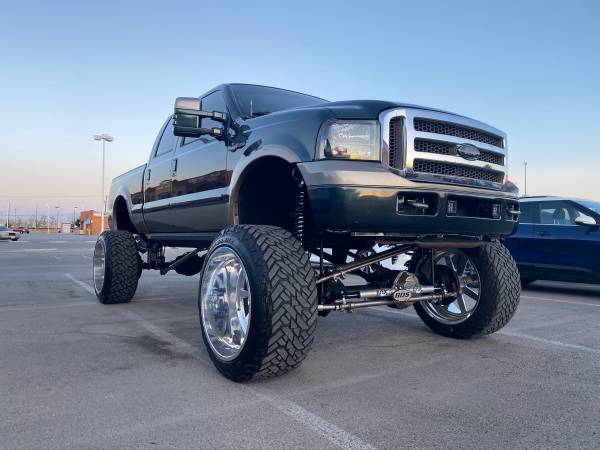
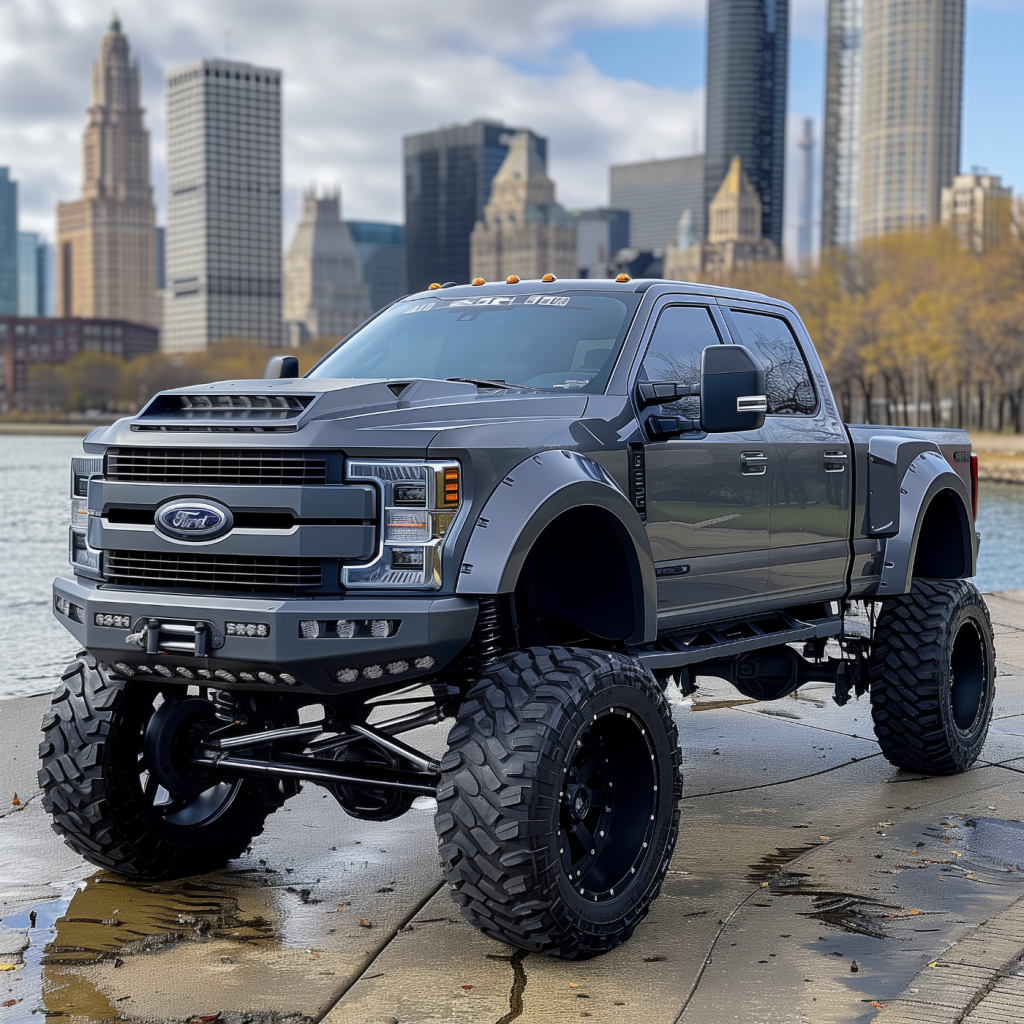
At its core, a custom lifted truck is a vehicle that has undergone modifications to increase its ground clearance, typically by altering its suspension system or by raising the body above the frame. This isn’t merely about aesthetics; the primary purpose of lifting a truck is often to enhance its off-road capabilities, allowing it to clear larger obstacles, traverse deeper ruts, and accommodate bigger, more aggressive tires. Beyond functionality, lifting a truck also creates an unmistakable, commanding presence, giving the vehicle an aggressive stance that sets it apart from its factory counterparts. It’s a statement of individuality, a testament to performance, and a practical upgrade for those who demand more from their vehicle.
The Allure and Benefits of Lifting Your Truck
The appeal of custom lifted trucks stems from a combination of practical advantages and subjective desires. Understanding these benefits is key to appreciating why so many enthusiasts choose to modify their vehicles:
- Enhanced Off-Road Capability: This is perhaps the most significant functional benefit. Increased ground clearance means better approach, departure, and break-over angles, allowing the truck to navigate challenging trails, rocky terrain, and deep mud without scraping its undercarriage. Larger tires, often a necessity with a lift, provide superior traction and flotation.
- Imposing Aesthetic and Road Presence: There’s no denying the visual impact of a lifted truck. Its elevated stance, aggressive tires, and commanding height make it stand out in traffic and project an image of power and ruggedness. For many, this unique aesthetic is a primary motivator.
- Improved Visibility: Sitting higher in the cab offers a better vantage point of the road and surrounding traffic, which can be advantageous in certain driving situations, particularly when navigating busy highways or spotting obstacles off-road.
- Greater Utility: While not always the primary goal, a lifted truck can sometimes offer advantages in specific utility tasks, such as navigating uneven job sites or launching boats on steep ramps. The ability to fit larger tires also means more robust tire options for heavy-duty work.
- Personalization and Expression: A custom lifted truck is a canvas for self-expression. Owners can choose specific lift heights, tire and wheel combinations, and additional accessories to create a vehicle that perfectly reflects their personality and intended use.
Key Components of a Lift Kit
Understanding the different types of lift kits and their components is crucial for making informed decisions about custom lifted trucks:
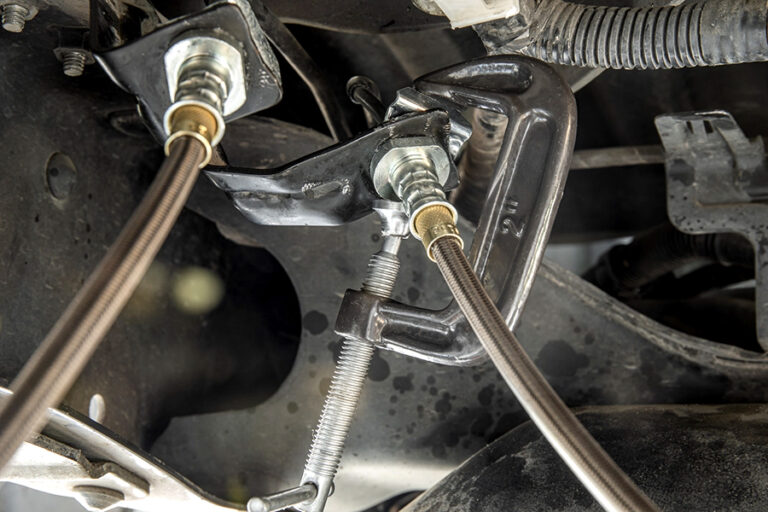
- Suspension Lift Kits: These are the most common and effective kits for true ground clearance. They involve replacing or modifying components of the truck’s suspension system, such as coil springs, leaf springs, shocks, control arms, and sometimes new steering components. Suspension lifts provide a genuine increase in axle-to-frame clearance.
- Body Lift Kits: Unlike suspension lifts, body lifts do not modify the suspension. Instead, they use spacers to raise the truck’s body higher off its frame. This type of lift primarily creates space for larger tires without altering the vehicle’s ride quality or suspension geometry. They typically offer 1-3 inches of lift and are less expensive.
- Leveling Kits: Often considered a minor form of lift, leveling kits address the common factory rake where the front of a truck sits lower than the rear. These kits typically add 1-3 inches to the front suspension, bringing it level with the rear. They can also allow for slightly larger tires and improve aesthetics.
- Larger Tires and Wheels: Essential for completing the look and maximizing the functionality of a lifted truck. Larger diameter tires contribute significantly to increased ground clearance, while aggressive tread patterns (like Mud-Terrain or All-Terrain) are vital for off-road performance. Appropriate aftermarket wheels are usually required to accommodate the new tires and achieve the desired stance.
Choosing the Right Lift Kit: A Comprehensive Guide
Selecting the ideal lift kit for your custom lifted truck requires careful consideration of several factors:
- Purpose of the Lift:
- Off-roading: For serious trail use, rock crawling, or mudding, a robust suspension lift (4-6+ inches) with high-quality shocks and heavy-duty components is usually necessary.
- Daily Driver/Light Off-road: A moderate suspension lift (2-4 inches) or a leveling kit might suffice, offering a good balance of looks and mild off-road capability without significantly compromising daily drivability.
- Show Truck: Aesthetics are paramount. Larger lifts (6+ inches) with custom wheels and tires are common, focusing on visual impact rather than extreme off-road performance.
- Desired Lift Height: Be realistic about how high you want to go. Taller lifts often incur greater costs, require more extensive modifications, and can have more significant impacts on handling and fuel economy.
- Budget: Lift kits range widely in price, from a few hundred dollars for leveling kits to several thousand for high-end suspension systems, not including installation, tires, and wheels.
- Vehicle Compatibility: Ensure the chosen kit is specifically designed for your truck’s make, model, and year. Different trucks have different suspension designs.
- Legal Regulations: Research local and state laws regarding maximum lift height, bumper height, headlight height, and fender coverage. These regulations vary significantly and can lead to fines if violated.
- Brand Reputation and Quality: Invest in reputable brands known for their engineering, durability, and customer support. High-quality components are crucial for safety and longevity.
The Installation Process: DIY vs. Professional
Once you’ve chosen your lift kit, the next step is installation. This can be approached in two primary ways:
- Do-It-Yourself (DIY): For mechanically inclined individuals with the right tools (jacks, stands, torque wrenches, sometimes specialized spring compressors), a DIY installation can save on labor costs. However, it requires significant time, patience, and a thorough understanding of automotive mechanics. Improper installation can lead to safety hazards, poor performance, and damage to the vehicle.
- Professional Installation: Hiring a reputable off-road shop or mechanic specializing in custom lifted trucks is often the safer and more reliable option. Professionals have the experience, specialized tools, and knowledge to ensure the lift is installed correctly, all components are torqued to spec, and the vehicle’s alignment is properly adjusted afterward. This also typically comes with a labor warranty, offering peace of mind.
Important Considerations Before You Lift
Lifting your truck isn’t a decision to be taken lightly. Several critical factors must be considered:
- Legality: As mentioned, verify local laws. Some areas have strict regulations on vehicle height, tire protrusion, and light placement.
- Vehicle Warranty: Modifying your truck’s suspension can often void parts of your factory warranty, particularly those related to the drivetrain and suspension components. Consult your dealer or warranty agreement.
- Performance Implications:
- Handling: A higher center of gravity can reduce stability, increasing body roll and affecting cornering dynamics.
- Braking: Larger, heavier tires increase rotational mass, which can increase braking distances. Upgraded brakes might be necessary.
- Fuel Economy: Increased aerodynamic drag from the lift and the added weight and rolling resistance of larger tires will almost certainly decrease your truck’s miles per gallon (MPG).
- Maintenance: Lifted trucks often require more frequent inspection and maintenance of suspension, steering, and driveline components due to increased stress and altered geometry.
- Drivetrain Stress: Altered driveline angles can put additional stress on U-joints, CV joints, and driveshafts, potentially leading to premature wear if not properly addressed with driveline modifications.
- Accessibility: Entry and exit from the vehicle will be higher, and clearance in parking garages, car washes, and underpasses may become an issue.
Tips for Maximizing Your Custom Lifted Truck Experience
To truly enjoy your custom lifted truck, keep these practical tips in mind:
- Get a Professional Alignment: This is non-negotiable after any suspension modification. Proper alignment ensures correct steering, even tire wear, and safe handling.
- Regular Inspections: Periodically check all bolts, nuts, bushings, and joints in your suspension and steering systems for looseness or wear.
- Understand Your Truck’s Limits: Even with a lift, your truck has limits. Learn its capabilities, especially off-road, and drive within them.
- Invest in Quality: Don’t cut corners on critical components. High-quality lift kits and tires will offer better performance, durability, and safety.
- Consider Re-gearing: If you install significantly larger tires (e.g., 35 inches or more), consider changing your differential gears. This restores lost power and torque, improving acceleration and fuel economy, especially if your truck feels sluggish after the lift.
Potential Challenges and Solutions
While exhilarating, the world of custom lifted trucks isn’t without its challenges. Here are common issues and their solutions:
- Driveline Vibrations: Often caused by extreme driveline angles. Solutions include transfer case drop kits, longer driveshafts, or double cardan driveshafts.
- Steering Issues: Bump steer (steering wheel jerking over bumps) or wandering (truck not holding a straight line) can occur. Solutions include dropped pitman arms, extended sway bar links, and professional alignment.
- Premature Component Wear: Increased angles and stress can wear out ball joints, tie rods, and CV boots faster. Solutions involve installing heavy-duty aftermarket components and diligent maintenance.
- Braking Performance Degradation: Larger tires increase stopping distance. Solutions include upgrading to larger rotors, multi-piston calipers, or more aggressive brake pads.
Custom Lifted Truck Pricing Guide
The cost of modifying custom lifted trucks can vary dramatically based on the type of lift, brand, and additional components. This table provides estimated price ranges for common modifications:
| Component Category | Description | Estimated Cost Range (USD) | Notes |
|---|---|---|---|
| Leveling Kit | Lifts front 1-3 inches to level vehicle. Coil spacers, strut extensions. | $100 – $500 | Least expensive. Improves stance, allows slightly larger tires. Minimal impact on ride. Installation often $200-$400. |
| Body Lift Kit | Lifts body 1-3 inches using spacers between frame and body. | $200 – $800 | Cost-effective for tire clearance. Retains factory ride. More complex installation than leveling, can be $400-$800. |
| Small Suspension Lift | 2-4 inches. Shocks, springs, spacers, sometimes control arms. | $500 – $1,500 | Good balance for daily driving and light off-roading. Moderate impact on ride. Installation often $500-$1,000. |
| Medium Suspension Lift | 4-6 inches. Full kit: new shocks, springs, control arms, steering mods. | $1,500 – $4,000 | Significant off-road capability, aggressive stance. More complex installation, potentially requiring driveline mods. Installation often $800-$1,500+. |
| Large/Extreme Suspension Lift | 6+ inches. Comprehensive kit: all above, possibly re-gearing, driveshafts. | $4,000 – $10,000+ | Maximum off-road performance and visual impact. Requires extensive modifications, professional installation highly recommended. Installation often $1,500-$3,000+, plus additional component costs. |
| Aftermarket Wheels | Set of 4, various styles and materials (steel, aluminum). | $800 – $3,000+ | Crucial for aesthetics and accommodating larger tires. Prices vary based on size, brand, and finish. |
| Larger Off-Road Tires | Set of 4, All-Terrain (AT) or Mud-Terrain (MT). | $1,000 – $4,000+ | Essential for grip and clearance. MT tires generally more expensive. Costs vary greatly by size, brand, and ply rating. Includes mounting and balancing. |
| Professional Installation | Labor cost for installing any of the above kits. | $200 – $3,000+ | Varies by kit complexity, shop rates, and additional modifications required (e.g., alignment, driveline adjustments). |
| Alignment | Required after any suspension modification. | $100 – $250 | Crucial for handling, safety, and tire longevity. Usually included if done by professional shop. |
| Re-gearing (Optional) | Changing differential gear ratios to compensate for larger tires. | $1,500 – $3,000+ | Recommended for optimal performance and fuel economy with significantly larger tires. Includes parts and labor for front and rear axles. |
| Total Estimated Cost | For a complete, professionally installed medium-to-large custom lifted truck. | $4,000 – $15,000+ | This range is for the lift kit, tires, wheels, and installation. Extreme builds with custom fabrication can easily exceed $20,000. |
Note: These are estimated costs and can vary significantly based on location, specific vehicle, brand choices, and labor rates. Always get detailed quotes from reputable shops.
Frequently Asked Questions (FAQ) About Custom Lifted Trucks
Q1: How much does it cost to lift a truck?
A1: The cost varies widely. A basic leveling kit might be a few hundred dollars, while a comprehensive suspension lift with new tires and wheels, professionally installed, can range from $4,000 to over $15,000. Refer to the pricing table above for a detailed breakdown.
Q2: Is lifting a truck bad for it?
A2: If done correctly with quality components and proper installation, lifting a truck isn’t inherently "bad." However, it does alter the vehicle’s dynamics and can place additional stress on components. Improper installation or cheap components can lead to premature wear, poor handling, and safety issues. Regular maintenance is key.
Q3: How long does it take to lift a truck?
A3: A professional installation for a standard suspension lift typically takes 1-2 full days, including alignment. A DIY job could take significantly longer, depending on experience and tools. Leveling kits are often quicker, potentially a few hours.
Q4: Do I need new tires and wheels after a lift?
A4: While not always strictly necessary for smaller lifts (like leveling kits), new, larger tires and often new wheels are highly recommended. They complete the aesthetic, provide the intended off-road capability, and are often required for proper clearance with larger lifts.
Q5: Will lifting my truck void its warranty?
A5: It’s possible. Most manufacturers will void the warranty on components directly affected by the lift (e.g., suspension, drivetrain). However, they cannot void the entire vehicle’s warranty for unrelated issues. Always check with your dealership or warranty provider before proceeding.
Q6: What are the legal limits for lifted trucks?
A6: Legal limits vary by state and even local municipality. These laws typically govern maximum bumper height, headlight height, and how far tires can protrude from the fenders. It is crucial to research your specific local regulations to ensure compliance.
Q7: Does lifting a truck affect its towing capacity?
A7: Lifting a truck generally does not change its rated towing capacity or payload. However, it can affect towing stability due to a higher center of gravity. It’s crucial to exercise caution and potentially use extended hitches or specialized towing equipment to maintain safe towing practices.
Conclusion
Custom lifted trucks offer an unparalleled combination of rugged capability, distinctive style, and personalized expression. Whether you’re an avid off-roader, a truck show enthusiast, or simply someone who appreciates a commanding presence on the road, the world of lifted trucks provides endless possibilities for customization. By understanding the different types of lifts, the critical considerations, and the potential challenges, you can make informed decisions to build a vehicle that perfectly suits your needs and stands tall among the rest. Remember, proper planning, quality components, and professional installation are the pillars of a safe, reliable, and truly exhilarating custom lifted truck experience.