The Ultimate Guide to the Best CV Axles for Lifted Trucks
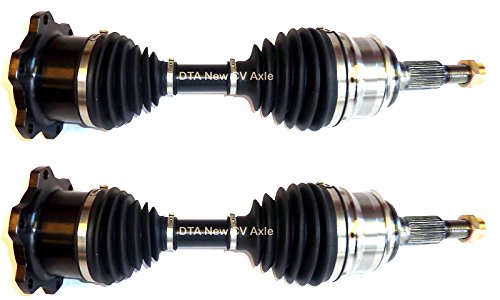
The Ultimate Guide to the Best CV Axles for Lifted Trucks
Lifting your truck transforms its appearance and enhances its off-road capabilities, but it also introduces new stresses on critical drivetrain components. Among these, the Constant Velocity (CV) axles are particularly vulnerable. Standard CV axles, designed for factory ride heights, struggle to cope with the increased operating angles and articulation that come with a lift. Investing in the best CV axles for lifted trucks isn’t just about preventing breakdowns; it’s about ensuring reliability, maximizing performance, and safeguarding your investment in your custom rig.
This comprehensive guide will delve into why specialized CV axles are essential for lifted trucks, what features to prioritize, and how to make an informed decision to keep your wheels turning smoothly, no matter the terrain.
Why Standard CV Axles Fail on Lifted Trucks
When you lift a truck, you effectively change the geometry of the suspension and drivetrain. This forces the CV axles to operate at steeper angles than they were designed for. Here’s a breakdown of why this leads to premature failure:
- Increased Operating Angles: The primary culprit. Lifting the truck puts the CV joints at a more severe angle, especially when the suspension is fully articulated (e.g., during off-roading). This causes excessive friction and heat buildup within the joint.
- Stretched CV Boots: The rubber or thermoplastic boots that protect the CV joints from dirt and moisture are designed for a specific range of motion. When the axle operates at extreme angles, these boots can stretch, crack, tear, or pull away from their clamps. This allows grease to escape and contaminants (dirt, water, grit) to enter, rapidly destroying the joint.
- Accelerated Wear on Internal Components: The constant stress and increased friction at steep angles cause the internal components of the CV joint (cages, bearings, and races) to wear out much faster. This leads to play in the joint, clicking noises, vibration, and eventual catastrophic failure.
- Shaft Fatigue and Snapping: While less common than joint failure, severe lifts and aggressive driving, especially with larger tires, can put immense torsional stress on the axle shaft itself, leading to bending or snapping.
These issues not only lead to inconvenient breakdowns but can also result in costly repairs, leaving you stranded or facing significant downtime. This underscores the critical importance of selecting the best CV axles for lifted trucks right from the start.
Key Features to Look for in the Best CV Axles for Lifted Trucks
To withstand the rigors of a lifted application, specialized CV axles incorporate several design enhancements. When searching for the best CV axles for lifted trucks, pay close attention to these features:
- High-Angle CV Boots: This is perhaps the most crucial upgrade. Look for boots made from durable, flexible materials like neoprene or silicone, designed with more convolutions (folds) or a larger diameter. These boots can accommodate greater articulation without tearing or stretching, effectively protecting the joint.
- Strengthened CV Joints: The internal components of the joint need to be robust. Look for axles with larger diameter internal components, stronger cages, and precision-machined races. Some high-end axles use revised internal geometry to allow for greater angularity without binding.
- Heat-Treated Chromoly Steel Shafts: Standard axle shafts are often made from mild steel. For lifted trucks, especially those with larger tires or used for aggressive off-roading, chromoly (chromium-molybdenum alloy) steel is superior. It offers significantly higher tensile strength and torsional resistance, reducing the risk of snapping under heavy load. Heat treatment further enhances its durability.
- Precision Machining and Balancing: High-quality axles are precisely machined to tight tolerances. This ensures smooth operation, reduces vibration at various speeds, and contributes to overall longevity.
- High-Performance Grease: The best CV axles for lifted trucks come pre-packed with high-quality, high-temperature, synthetic grease. This specialized grease maintains its lubrication properties even under extreme heat and pressure, further extending joint life.
- Serviceability/Rebuildability: Some premium CV axles are designed to be rebuildable, meaning you can replace individual components like boots or joints rather than the entire axle. This can be a significant long-term cost saver for serious enthusiasts.
- Robust Warranty: A strong warranty from the manufacturer indicates confidence in their product’s durability and performance.
Types and Categories of Best CV Axles for Lifted Trucks
Not all lifted trucks are created equal, and neither are their CV axle needs. Understanding the different categories can help you choose the right product for your specific application:
- Enhanced OEM Replacements: These axles are designed to be a direct fit but feature improved materials for boots, slightly stronger internal components, or better grease than standard factory units. They are suitable for mild lifts (1-2 inches) and trucks primarily used on-road with occasional light off-roading. They offer better durability than stock without a significant price jump.
- High-Angle/Extended Travel CV Axles: These are specifically engineered for moderate to significant lifts (2-4+ inches) and more aggressive off-road use. They feature larger, more robust CV joints with internal designs optimized for steeper angles, coupled with highly flexible, durable boots. Some might also incorporate a slightly longer shaft to compensate for suspension droop.
- Heavy-Duty Chromoly CV Axles: The focus here is on maximum strength and durability. These axles typically feature shafts made from heat-treated chromoly steel, often paired with high-angle, heavy-duty joints. They are built for extreme off-roading, rock crawling, competition, and trucks running very large tires where shaft snapping is a concern.
- Rebuildable Performance Axles: Often found in the high-angle or heavy-duty categories, these axles allow for component replacement. While the initial investment might be higher, the ability to replace just a boot or a worn joint extends the lifespan of the entire axle assembly, making them cost-effective over many years of hard use.
Practical Advice and Actionable Insights
Choosing the best CV axles for lifted trucks requires careful consideration of several factors:
- Match to Your Lift Height: Don’t under-spec your axles. A 4-inch lift will require a more robust solution than a 2-inch lift.
- Consider Your Driving Style and Intended Use: Are you a daily driver with a lift for aesthetics, or do you frequently hit challenging trails? The more aggressive your use, the stronger your axles need to be.
- Account for Tire Size: Larger, heavier tires put more strain on the entire drivetrain, including CV axles. Upgrade accordingly.
- Research Brands and Reviews: Look for manufacturers with a proven track record in the aftermarket off-road community. Read reviews and seek advice from others with similar truck setups.
- Budget Wisely: While quality CV axles are an investment, they prevent more costly repairs down the line. Avoid the cheapest options, as they often lead to repeat failures.
- Consider Differential Drop Kits: For many lifted independent front suspension (IFS) trucks, a differential drop kit can help reduce the operating angle of the CV axles, even with upgraded units. This can significantly extend their lifespan.
- Professional Installation: While some DIYers can tackle it, professional installation ensures proper torque, alignment, and avoids potential damage during fitting.
- Regular Inspection: Periodically check your CV boots for tears or cracks and listen for clicking noises during turns, which can indicate a failing joint. Early detection can save you from a complete axle failure.
Challenges and Solutions
Even with the best CV axles for lifted trucks, challenges can arise.
- Vibration: Sometimes, even with upgraded axles, vibrations can occur. This might be due to incorrect axle length for extreme lifts, excessive angles, or an unbalanced unit. Solution: Ensure the axle length is appropriate for your specific lift, consider a differential drop, and choose reputable brands known for precision manufacturing.
- Boot Failure (Still): While high-angle boots are better, extreme articulation or sharp obstacles can still damage them. Solution: Regular inspection, cautious driving in rough terrain, and prompt boot replacement if damage is noticed. Some enthusiasts carry spare boots for trailside repairs.
- Cost vs. Performance: High-performance axles can be expensive. Solution: View it as an investment. The cost of repeatedly replacing cheaper axles or dealing with trailside failures far outweighs the initial investment in a quality product.
Concluding Summary
For any lifted truck owner, understanding and investing in the best CV axles for lifted trucks is paramount to enjoying their vehicle to its fullest potential. Standard axles simply aren’t designed to handle the increased angles and stresses that come with a suspension lift. By prioritizing features like high-angle boots, strengthened joints, chromoly shafts, and reputable brands, you can significantly enhance the reliability, performance, and longevity of your truck’s drivetrain. It’s an investment in peace of mind, ensuring your lifted truck remains capable and dependable, whether you’re cruising the highway or conquering challenging off-road trails. Don’t compromise on this critical component – choose wisely and drive confidently.
(This is a placeholder for a relevant link, if one were to be provided in a real article context.)
Price Table: Best CV Axles for Lifted Trucks (Estimated)
| Product Type / Brand Category | Key Features | Material (Shaft/Boot) | Lift Range Suitability | Price Range (per axle) | Warranty |
|---|---|---|---|---|---|
| Heavy-Duty Enhanced | Improved boots, stronger cages, better grease | Carbon Steel / Neoprene | 1-3 inch (mild-moderate) | $150 – $250 | 1-2 Years / Limited |
| High-Angle Performance | Large-diameter joints, flexible boots, precision | High-Strength Steel / Silicone | 2-4+ inch (moderate-extreme) | $250 – $400 | 2-3 Years / Limited |
| Extreme Duty Chromoly | Heat-treated chromoly shaft, heavy-duty high-angle joints, rebuildable option | Chromoly Steel / Silicone or TPE | 3-6+ inch (extreme off-road) | $400 – $700+ | Lifetime / Limited |
| Rebuildable Trail Axle | Fully rebuildable, high-angle, oversized components | Chromoly Steel / Neoprene/Silicone | 3-5+ inch (serious off-road) | $350 – $600 | 1-3 Years / Limited |
Note: Prices are estimates and can vary significantly based on truck make/model, specific brand, and retailer.
Frequently Asked Questions (FAQ) about Best CV Axles for Lifted Trucks
Q1: Do I really need special CV axles for a mild lift (e.g., 1-2 inches)?
A1: While a mild lift might not cause immediate failure, it will still accelerate wear on your stock CV axles. Upgrading to at least an "Enhanced OEM Replacement" is highly recommended to improve durability and prevent premature issues, especially if you ever venture off-road.
Q2: How do I know if my CV axles are failing?
A2: Common symptoms include:
- Clicking or popping noise when turning (most common).
- Vibration during acceleration, especially at certain speeds.
- Grease leaks from torn or cracked CV boots.
- Clunking or knocking sounds when shifting from drive to reverse or vice versa.
- Grinding noise if the joint is severely worn.
Q3: Can I rebuild my CV axles, or do I need to replace the whole unit?
A3: Some premium, performance-oriented CV axles are designed to be rebuildable, allowing you to replace individual components like boots or joints. Most standard or aftermarket "replacement" axles, however, are not typically designed for rebuilds, and it’s more cost-effective to replace the entire assembly. Always check the manufacturer’s specifications.
Q4: What’s the difference between CV axles and driveshafts?
A4: Both transfer power, but they serve different purposes and locations. CV (Constant Velocity) axles connect the differential to the wheels, typically found in independent front suspension (IFS) vehicles, allowing for steering and suspension articulation. Driveshafts connect the transmission or transfer case to the differentials (front and rear), transmitting power along the vehicle’s centerline.
Q5: Is a differential drop kit necessary with upgraded CV axles on a lifted truck?
A5: While upgraded CV axles are designed to handle steeper angles, a differential drop kit can significantly benefit them by reducing the operating angle of the CV joints. This further extends their lifespan and can help prevent issues like vibration. It’s often a recommended complementary modification for lifts of 2 inches or more on IFS trucks.