U-Haul 20ft Truck: Your Comprehensive Guide to a Seamless Move
U-Haul 20ft Truck: Your Comprehensive Guide to a Seamless Move
Moving can be one of life’s most stressful events, but with the right tools and preparation, it can be a surprisingly smooth process. For many individuals and families transitioning from a medium-sized apartment or a small home, the U-Haul 20ft truck stands out as a highly popular and versatile solution. This article will serve as your ultimate guide, delving into every aspect of the U-Haul 20ft truck, from its specifications and ideal uses to practical tips for planning, driving, and executing a successful move. Understanding its capabilities and how to best utilize them is the first step toward a stress-free relocation.
What is the U-Haul 20ft Truck?
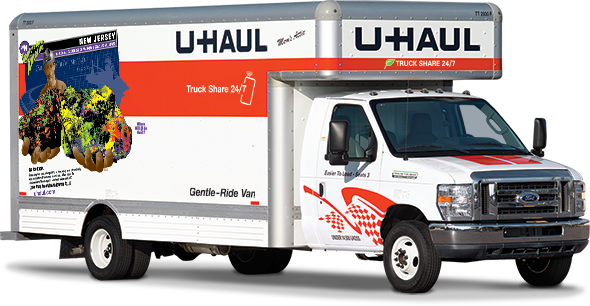
The U-Haul 20ft truck is a medium-sized moving vehicle designed to accommodate the contents of a 2-3 bedroom home or a larger apartment. It strikes an excellent balance between capacity and maneuverability, making it a preferred choice for those whose belongings exceed the capacity of smaller trucks but don’t require the immense space of a 26ft option.
Key Specifications and Features:
- Dimensions:
- Interior Box Dimensions: Approximately 19’6" L x 7’8" W x 7’2" H (length can vary slightly due to cab-over design).
- Mom’s Attic: An integrated storage space above the cab, roughly 3′ L x 7’8" W x 2’5" H, perfect for fragile items, bags, or boxes that need to be accessed easily.
- Deck Height: Designed for easy loading, the truck features a low deck height, typically around 2’5" from the ground.
- Capacity:
- Cubic Feet: Approximately 1,200 cubic feet of loading space.
- Payload: Can typically carry around 5,700 lbs.
- Rooms: Ideal for moving the contents of a 2-3 bedroom house or a large apartment.
- Unique Features:
- EZ-Load Ramp: A wide, sturdy ramp that extends from the back of the truck, making it significantly easier to load heavy items like appliances, furniture, and boxes without excessive lifting.
- Gentle Ride Suspension: Engineered to provide a smoother ride, protecting your belongings from excessive bumps and vibrations during transit.
- Tie-Down Rails: Integrated rails along the interior walls allow you to secure your items with ropes or straps, preventing shifting during transport.
- Fuel Efficiency: While specific MPG varies based on load, terrain, and driving habits, U-Haul trucks are designed with fuel efficiency in mind for their class. They typically run on unleaded gasoline.
For more detailed information, you can always refer to the official U-Haul 20ft truck page.
Who is the 20ft Truck For? (Benefits & Ideal Use Cases)
The 20ft U-Haul truck is a versatile workhorse, perfectly suited for a variety of moving scenarios. Its design and capacity offer several benefits that make it an attractive option:
- Medium to Large Apartment Moves: If you’re moving from a 2-3 bedroom apartment, this truck offers ample space for furniture, boxes, and appliances, often allowing you to complete your move in a single trip.
- Small to Medium Home Relocations: For 2-3 bedroom houses, the 20ft truck can comfortably handle most household items, including beds, dressers, sofas, dining sets, and numerous boxes.
- College Student Moving: While smaller trucks might suffice for a dorm, students moving from off-campus apartments or those with a substantial amount of furniture will find the 20ft truck invaluable.
- Transporting Large Appliances and Furniture: Its generous interior dimensions and low deck, combined with the EZ-Load ramp, make it easy to load bulky items like refrigerators, washing machines, couches, and king-sized beds.
- Cost-Effective Balance: Compared to smaller trucks, it often reduces the need for multiple trips, saving on fuel and time. Compared to larger 26ft trucks, it’s generally easier to drive, more fuel-efficient, and often less expensive to rent.
- Business Deliveries or Equipment Transport: Small businesses occasionally use the 20ft truck for local deliveries of large items or for transporting equipment to events or job sites.
Choosing the 20ft truck means you’re less likely to underestimate your space needs, preventing the headache of having to leave items behind or make an unexpected second trip.
Planning Your Move with a 20ft U-Haul
A successful move begins with meticulous planning. Here’s how to prepare when using a 20ft U-Haul truck:
1. Reservation and Booking
- Book Early: Especially during peak moving seasons (summer, end of month), U-Haul trucks, particularly the popular 20ft size, can be in high demand. Book your truck several weeks in advance to secure your desired date and location.
- Online vs. Phone vs. In-Person: U-Haul offers various booking methods. Online reservations are convenient, but a phone call or in-person visit can clarify specific needs and availability.
- One-Way vs. In-Town: Decide if you need a one-way rental (picking up in one city and dropping off in another) or an in-town rental (picking up and dropping off at the same location). Pricing structures differ significantly.
2. Loading Strategy
Efficient loading is crucial for safety and maximizing space.
- Heavy Items First: Place your heaviest and largest items (appliances, major furniture pieces) at the bottom and front of the truck, closest to the cab. Distribute weight evenly from side to side to maintain balance.
- Utilize Mom’s Attic: This space is perfect for lighter, fragile items, or things you’ll need to access quickly upon arrival. Keep it clear of heavy, shifting objects.
- Secure Your Load: Use tie-down rails and ropes/straps to secure items. Moving blankets protect furniture from scratches and provide padding between items.
- Load Vertically: Stack boxes and furniture as high as safely possible, filling voids to prevent shifting.
- The EZ-Load Ramp: Use the ramp for all heavy items. Walk backward down the ramp while guiding large items, and forward up the ramp. Always maintain a firm grip.
- Essentials Last: Load items you’ll need immediately upon arrival (cleaning supplies, basic toiletries, a change of clothes) last, so they’re easily accessible.
3. Packing Tips
- Disassemble Furniture: Beds, tables, and other large items should be disassembled to save space and prevent damage. Keep all hardware in clearly labeled bags.
- Label Boxes Clearly: Indicate contents and the room they belong in. This simplifies unloading.
- Protect Fragile Items: Wrap breakables in bubble wrap or packing paper. Use sturdy, appropriately sized boxes.
- Moving Supplies: U-Haul locations offer a wide range of moving supplies, including boxes, tape, packing paper, furniture pads, and various dollies (utility dolly, appliance dolly). Renting or buying these alongside your truck can be very convenient.
Driving the U-Haul 20ft Truck
Driving a moving truck is different from driving a passenger car. The 20ft U-Haul is designed to be user-friendly, but requires attention to a few key aspects:
1. Driving Experience
- Visibility: You’ll rely heavily on side mirrors. Adjust them before you start driving. There’s no rear-view mirror through the cargo area.
- Braking Distance: Loaded trucks require significantly more distance to stop. Maintain greater following distances than you would in a car.
- Turning Radius: The truck has a wider turning radius. Make wide turns to avoid hitting curbs or objects.
- Height and Width: Be acutely aware of the truck’s dimensions. Pay attention to signs for low bridges, parking garage clearances, drive-thru heights, and narrow lanes. The 20ft truck is approximately 10 feet high and 8 feet wide (excluding mirrors).
- Weight Distribution: A properly loaded truck handles better. An unbalanced load can affect steering and stability.
2. Safety Tips
- Pre-Trip Inspection: Before driving, check tires, lights, brakes, fluid levels, and mirrors. Report any issues to U-Haul.
- Practice: If possible, take a short drive around a quiet area to get accustomed to the truck’s feel before hitting the highway.
- Take Breaks: Long drives in a truck can be tiring. Stop frequently to rest and stretch.
- Avoid Distractions: Keep your phone away and focus entirely on the road.
- Fueling: Know your fuel type (unleaded) and fill up well before the tank gets low.
Important Considerations & Add-ons
Beyond the truck itself, several other factors can impact your moving experience:
- Insurance Options: U-Haul offers various coverage plans:
- Safemove: Covers damage to the rental truck, your belongings (damage or loss from specified perils), and medical/life insurance for you and passengers.
- Safemove Plus: Offers more comprehensive coverage, including supplemental liability insurance and no deductible on truck damage.
- Safetrip: Specifically for one-way moves, offering roadside assistance.
- Personal Insurance: Check if your existing auto or homeowner’s insurance policy provides any coverage for rental trucks or moving damages.
- Towing Capacity: The 20ft U-Haul truck is capable of towing a car trailer or a utility trailer. This is a huge advantage if you need to transport a vehicle along with your household goods. Ensure you understand the weight limits and proper hitching procedures.
- Fuel Policy: U-Haul trucks are typically rented with a specific amount of fuel (e.g., a quarter tank) and must be returned with the same amount. Failing to do so results in refueling charges, often at a higher per-gallon rate than a gas station.
- Roadside Assistance: U-Haul provides 24/7 roadside assistance, which is invaluable if you encounter a flat tire, mechanical issue, or lockout.
Potential Challenges and Solutions
Even with careful planning, challenges can arise. Here’s how to address common issues:
- Truck Availability:
- Challenge: The 20ft truck might not be available on your exact desired date or at your preferred location.
- Solution: Book well in advance. Be flexible with your pick-up time or consider a slightly different date if possible. U-Haul also has a "call-ahead" option to check for last-minute availability.
- Unexpected Fuel Costs:
- Challenge: Fuel consumption can be higher than anticipated, especially with a heavy load or hilly terrain.
- Solution: Budget more than you think for fuel. Drive conservatively (avoiding rapid acceleration and braking) to maximize MPG.
- Driving Anxiety:
- Challenge: Some drivers feel nervous handling a larger vehicle.
- Solution: Take a short practice drive. Watch U-Haul’s instructional videos. Drive slowly, especially in unfamiliar areas. If possible, have an experienced co-driver.
- Loading/Unloading Difficulty:
- Challenge: Moving heavy furniture can be physically demanding and risky.
- Solution: Hire professional movers for loading/unloading assistance. Rent appropriate moving equipment like appliance dollies or furniture pads. Recruit friends and family for help.
- Damage to Belongings or Truck:
- Challenge: Items can shift and get damaged, or the truck itself might incur minor scrapes.
- Solution: Pack securely, use plenty of moving blankets and tie-downs. Purchase U-Haul’s Safemove or Safemove Plus insurance for peace of mind. Thoroughly inspect the truck before and after your rental, documenting any existing damage with photos.
U-Haul 20ft Truck Pricing Table (Estimated)
Please note that these are estimated prices and can vary significantly based on location, date, demand, duration of rental, and current promotions. Always get an official quote from U-Haul for accurate pricing.
| Rental Type | Base Rate (Estimated) | Per-Mile Charge (Estimated) | Example Total (In-Town, 50 miles) | Example Total (One-Way, 500 miles) | Additional Costs (Estimated) |
|---|---|---|---|---|---|
| In-Town Rental | $29.95 – $39.95/day | $0.89 – $1.29/mile | $75 – $105 | N/A | Fuel (return with same level), Environmental Fee ($1-$5) |
| One-Way Rental | Varies by route & demand | Mileage included (fixed) | N/A | $400 – $1200+ | Fuel, Environmental Fee ($1-$5) |
| Insurance Options | |||||
| Safemove | $14 – $28/day | N/A | $14 – $28 | $42 – $84 (for 3 days) | Coverage for truck, cargo, medical/life |
| Safemove Plus | $20 – $35/day | N/A | $20 – $35 | $60 – $105 (for 3 days) | Enhanced coverage, supplemental liability, no deductible |
| Moving Supplies | |||||
| Utility Dolly | $7 – $10/day | N/A | $7 – $10 | $21 – $30 (for 3 days) | Essential for heavy boxes and small appliances |
| Appliance Dolly | $10 – $15/day | N/A | $10 – $15 | $30 – $45 (for 3 days) | Ideal for refrigerators, washers, dryers |
| Furniture Pads (12) | $7 – $10/rental | N/A | $7 – $10 | $7 – $10 | Protection for furniture from scratches and dents |
| Boxes | $1.00 – $4.00/each | N/A | Varies | Varies | Wide range of sizes and specialty boxes |
Disclaimer: All prices are estimates and subject to change based on location, availability, season, and U-Haul’s current policies. Always obtain a personalized quote directly from U-Haul for your specific rental needs.
Frequently Asked Questions (FAQ)
Q: How much does a 20ft U-Haul cost?
A: The cost varies significantly. In-town rentals typically start around $29.95 – $39.95 per day plus a per-mile charge ($0.89 – $1.29/mile). One-way rentals are priced differently, with a fixed rate that includes mileage, ranging from $400 to over $1200 depending on the distance and demand. Refer to the pricing table above for estimates, but always get a direct quote from U-Haul.
Q: What can fit in a 20ft U-Haul truck?
A: A 20ft U-Haul truck is designed to hold the contents of a 2-3 bedroom house or a large apartment. This typically includes major appliances (refrigerator, washer, dryer), living room furniture (sofa, chairs, coffee table), bedroom sets (beds, dressers), dining room furniture, and numerous moving boxes.
Q: Do I need a special license to drive a 20ft U-Haul?
A: No, a standard driver’s license (Class D in most states) is sufficient to drive the 20ft U-Haul truck. You do not need a commercial driver’s license (CDL).
Q: How much gas does a 20ft U-Haul hold and what MPG does it get?
A: The fuel tank capacity for a 20ft U-Haul is typically around 40 gallons. Fuel efficiency varies greatly based on load, terrain, and driving habits, but you can generally expect anywhere from 8 to 12 miles per gallon.
Q: Can I tow my car with a 20ft U-Haul?
A: Yes, the 20ft U-Haul truck is equipped to tow a U-Haul car trailer or auto transport. This allows you to move your vehicle along with your household goods, saving you from driving two separate vehicles.
Q: What happens if I return the truck late?
A: U-Haul generally charges late fees for trucks returned past their scheduled time. It’s best to communicate with your U-Haul location if you anticipate a delay to avoid additional charges.
Q: What’s the difference between Safemove and Safemove Plus insurance?
A: Safemove provides coverage for damage to the rental truck, your personal belongings (from specific perils), and medical/life coverage. Safemove Plus offers more comprehensive protection, including supplemental liability insurance, and often has no deductible for truck damage, providing greater peace of mind.
Conclusion
The U-Haul 20ft truck is a formidable asset for anyone planning a medium-to-large scale move. Its blend of generous capacity, user-friendly features like the EZ-Load ramp and Mom’s Attic, and relative ease of driving makes it an ideal choice for 2-3 bedroom homes and large apartments. By carefully planning your reservation, strategizing your loading, driving cautiously, and considering the available add-ons and insurance, you can transform a potentially stressful moving day into a manageable and even efficient experience. With the right approach, the U-Haul 20ft truck isn’t just a vehicle; it’s a key partner in achieving a successful and seamless relocation.