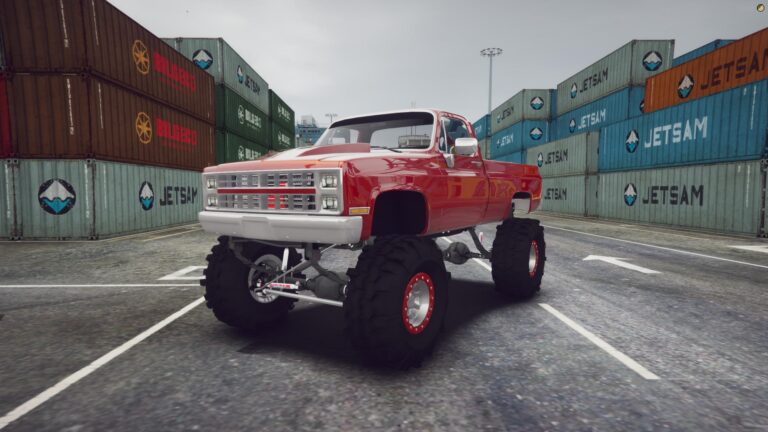
Alignment for Lifted Trucks: Your Comprehensive Guide to Performance and Longevity
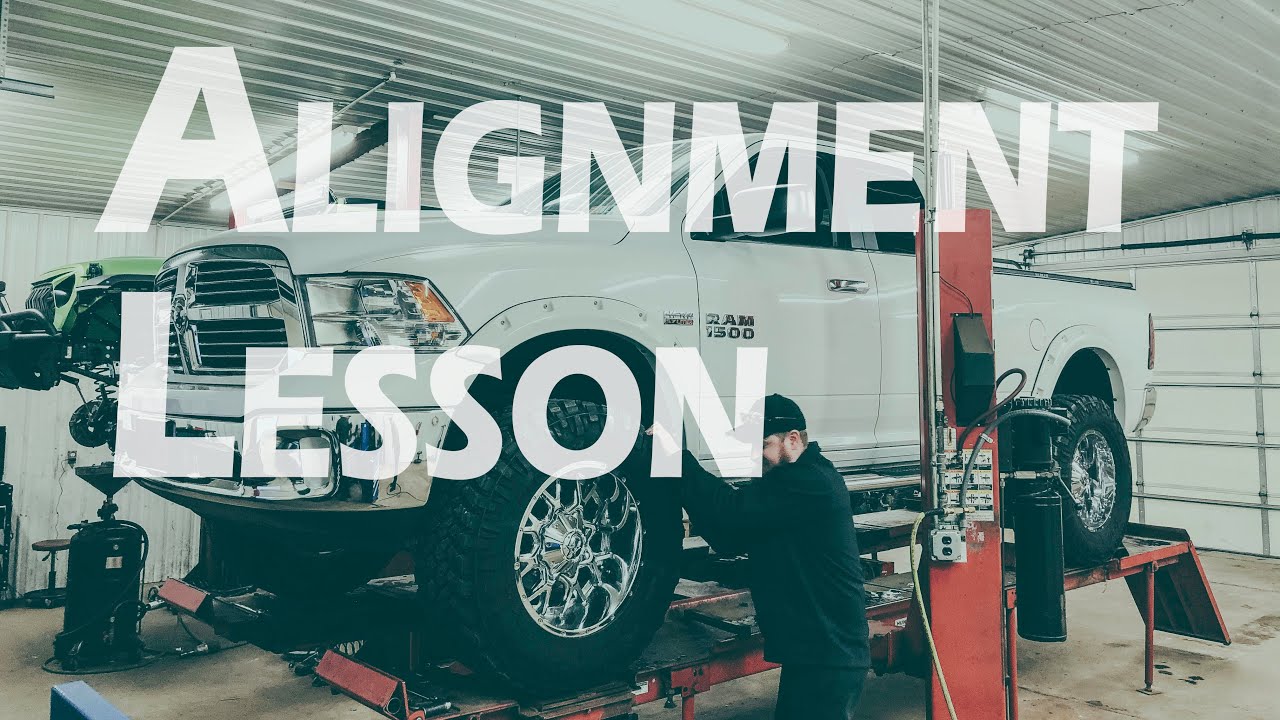
Alignment for Lifted Trucks: Your Comprehensive Guide to Performance and Longevity
Lifting a truck transforms its appearance and enhances its off-road capabilities, but it fundamentally alters the vehicle’s suspension geometry. Ignoring this critical change can lead to a host of problems, from premature tire wear to dangerous handling characteristics. This comprehensive guide will delve deep into alignment for lifted trucks, explaining why it’s not just a recommendation but an absolute necessity for the safety, performance, and longevity of your modified rig.
Introduction: The Crucial Role of Alignment in Lifted Vehicles
When a truck leaves the factory, its suspension is meticulously calibrated to specific angles – known as alignment settings – designed for optimal handling, tire wear, and stability at its stock ride height. Introducing a lift kit, whether it’s a mild leveling kit or a significant suspension lift, inherently changes these factory-set angles. Without proper adjustment, your truck’s wheels will no longer point in the correct direction relative to each other or the road.
Alignment for lifted trucks is the process of restoring these critical suspension angles (camber, caster, and toe) to specifications appropriate for the new, elevated ride height. It’s about compensating for the changes introduced by the lift, ensuring your wheels are properly oriented to maintain safe and predictable handling, maximize tire life, and prevent undue stress on suspension components. Failing to align a lifted truck can result in immediate and long-term issues, making it a non-negotiable step after any suspension modification.
Understanding Lifted Truck Alignment: More Than Just Straight Wheels
To grasp the importance of alignment for lifted trucks, it’s essential to understand the three primary angles involved:
-
Camber: This refers to the inward or outward tilt of the wheel when viewed from the front of the vehicle.
- Negative Camber: Top of the wheel tilts inward.
- Positive Camber: Top of the wheel tilts outward.
- Impact of Lift: Lifting often results in excessive negative camber, causing the inside edge of your tires to wear rapidly. It can also reduce the tire’s contact patch with the road, affecting grip.
- Goal: Achieve a slight negative camber or zero camber for optimal tire wear and handling on a lifted truck, often requiring adjustable control arms or camber bolts.
-
Caster: This is the angle of the steering axis when viewed from the side of the vehicle. It’s crucial for steering stability and the wheel’s ability to return to center after a turn.
- Positive Caster: The steering axis is tilted backward towards the driver.
- Negative Caster: The steering axis is tilted forward.
- Impact of Lift: Lifting typically reduces positive caster, leading to a "wandering" or "vague" steering feel, making the truck harder to keep in a straight line, and poor return-to-center.
- Goal: Increase positive caster to restore steering stability. This often necessitates adjustable control arms, drop pitman arms, or specialized caster correction kits.
-
Toe: This is the most critical angle for tire wear and refers to how much the front of the wheels turn inward or outward relative to each other when viewed from above.
- Toe-in: Front of the wheels points inward.
- Toe-out: Front of the wheels points outward.
- Impact of Lift: Any change in ride height can significantly throw off the toe setting, leading to rapid, feathering tire wear across the tread.
- Goal: Set toe to manufacturer-recommended specs (often a slight toe-in) for the lifted height. This is typically adjusted via tie rods and is crucial for immediate tire wear prevention.
-
Thrust Angle (Rear Axle Alignment): While often overlooked in 2WD vehicles, the thrust angle is vital for 4x4s, especially those with leaf springs or significant rear lift. It measures the direction the rear axle is pointing relative to the vehicle’s centerline.
- Impact of Lift: Rear lifts can alter the thrust angle, causing the truck to "dog track" or "crab," where the rear wheels don’t follow directly behind the front wheels.
- Goal: Ensure the rear axle is perfectly aligned with the front wheels to prevent dog tracking, uneven tire wear, and steering wheel offset. This might involve adjustable track bars or shims for leaf spring setups.
Why a Specialized Approach is Essential for Lifted Trucks
Aligning a lifted truck is fundamentally different from aligning a stock vehicle. Standard alignment shops and technicians might lack the specialized equipment, knowledge, and experience required.
- Heavy-Duty Equipment: Lifted trucks often require larger, heavier-duty alignment racks and sensors that can accommodate the increased ride height and larger tires.
- Expert Technicians: An alignment technician experienced with lifted suspensions understands how lift kits alter geometry, how to utilize adjustable components, and how to interpret alignment readings for modified vehicles. They won’t just try to force stock specs onto a lifted truck.
- Adjustable Components: Proper alignment on a lifted truck almost always requires the use of aftermarket adjustable components such as adjustable control arms (upper and lower), adjustable track bars, eccentric cam bolts, or drop pitman arms. Without these, achieving proper alignment specs for the new ride height is often impossible.
- Lift Kit Manufacturer Specs: Reputable lift kit manufacturers provide specific alignment recommendations for their products. A specialized shop will use these guidelines as a starting point, rather than generic factory specs.
The Alignment Process for Lifted Trucks: What to Expect
A thorough alignment process for a lifted truck goes beyond simply hooking it up to a machine:
- Pre-Alignment Inspection: This is perhaps the most critical step. The technician will meticulously inspect all suspension and steering components – ball joints, tie rod ends, control arm bushings, wheel bearings, shock absorbers, and springs – for wear or damage. Worn components must be replaced before alignment can be performed accurately.
- Mounting and Measurement: The truck is carefully positioned on a specialized alignment rack, and sensors are attached to each wheel. The alignment machine then measures the current camber, caster, and toe angles.
- Adjustments: Based on the measurements and the lift kit’s specifications, the technician will make precise adjustments using the truck’s adjustable suspension components. This is where expertise truly shines, as it often involves fine-tuning multiple angles to achieve the optimal balance.
- Road Test: After the adjustments, a crucial road test is performed to verify handling, steering feel, and ensure the steering wheel is centered.
- Post-Alignment Inspection: A final check ensures all components are torqued correctly, and no issues arose during the adjustment process.
Benefits of Proper Lifted Truck Alignment
Investing in a proper alignment for your lifted truck yields significant returns:
- Extended Tire Life: The most immediate and noticeable benefit. Correct alignment prevents uneven and rapid tire wear, saving you hundreds or thousands of dollars in premature tire replacements.
- Improved Safety and Handling: A properly aligned truck handles predictably, tracks straight, and returns to center smoothly after turns, reducing driver fatigue and enhancing safety.
- Enhanced Ride Comfort: While a lift naturally changes ride characteristics, proper alignment ensures the suspension components work harmoniously, contributing to a smoother, more controlled ride.
- Reduced Wear on Suspension Components: When angles are incorrect, suspension components operate under constant stress, leading to premature wear of bushings, ball joints, and tie rods. Alignment mitigates this.
- Better Fuel Efficiency: While not a primary factor, proper alignment reduces rolling resistance, contributing marginally to better fuel economy.
- Maintained Vehicle Value: A well-maintained and properly aligned lifted truck retains its value better, especially if components aren’t constantly failing due to misalignment.
Tips for Maintaining Alignment on Lifted Trucks
- Regular Inspections: Even with proper initial alignment, off-roading, heavy use, or simply driving on rough roads can knock settings out of whack. Get your alignment checked every 6-12 months, or immediately after any significant off-road excursion or if you notice changes in handling or tire wear.
- Address Worn Components Promptly: Any worn steering or suspension component can affect alignment. Replace them as soon as they are identified.
- Drive Responsibly: Avoid hitting large potholes, curbs, or obstacles at high speeds, as these impacts can significantly alter alignment settings.
- Upgrade Components: Consider replacing critical steering and suspension components with heavy-duty aftermarket alternatives designed for lifted applications, as they often offer greater adjustability and durability.
- Carry Your Specs: Keep a record of your lift kit manufacturer’s alignment recommendations and your truck’s current alignment report to share with any shop.
Common Challenges and Solutions
- Finding a Qualified Shop:
- Solution: Research shops specializing in 4x4s, off-road vehicles, or custom suspensions. Read reviews, ask for recommendations from other lifted truck owners, and specifically ask if they have experience with your brand of lift kit.
- Cost: Lifted truck alignments are generally more expensive than standard alignments.
- Solution: View it as an investment. The cost of one alignment is far less than replacing a set of prematurely worn tires or dealing with dangerous handling issues.
- Worn Components: Discovering worn parts during the pre-alignment inspection can add unexpected costs and delays.
- Solution: Be prepared for this possibility. Budget for potential component replacements and understand that these must be addressed for an accurate and lasting alignment.
- Extreme Lifts: Very tall lifts (6+ inches) can present unique challenges, sometimes requiring custom fabrication or more extensive modifications to achieve proper alignment.
- Solution: Consult with highly specialized off-road shops that have experience with extreme builds.
Practical Advice and Actionable Insights
- Invest in Quality Adjustable Components: If your lift kit doesn’t come with adjustable control arms or other correction components, purchase them. They are essential for achieving and maintaining proper alignment.
- Prioritize Pre-Alignment Inspection: Don’t skip this step or try to save money by delaying component replacement. A proper alignment on worn parts is a waste of time and money.
- Avoid DIY Alignment (Unless Expert): While toe can be adjusted in a driveway, achieving accurate camber and caster requires specialized equipment and expertise. For lifted trucks, professional alignment is almost always necessary.
- Communicate with Your Technician: Clearly explain your truck’s setup, what you use it for (daily driver, heavy off-roading), and any handling concerns you have.
Conclusion
Alignment for lifted trucks is not merely an optional service; it is a critical requirement for anyone who has modified their vehicle’s suspension. It directly impacts your safety, the longevity of your expensive tires and suspension components, and the overall driving experience. By understanding the key alignment angles, seeking out specialized shops, and committing to regular checks, you ensure your lifted truck performs optimally, rides comfortably, and remains a reliable and safe companion on and off the road. Don’t compromise on alignment – it’s the foundation of a well-performing lifted vehicle.
For further details on proper suspension setup for your modified vehicle, you can explore resources like this comprehensive guide to truck suspension upgrades.
Alignment for Lifted Trucks: Price Table
Please note that these prices are estimates and can vary significantly based on geographic location, shop reputation, complexity of the lift, specific components needed, and whether the shop specializes in off-road vehicles. Always get a detailed quote from your chosen service provider.
| Service Description | Estimated Price Range (USD) | Key Factors Influencing Price |
|---|---|---|
| Standard 2-Wheel Alignment (Front Only) | $70 – $120 | Not recommended for lifted trucks. Basic service for stock vehicles. |
| Standard 4-Wheel Alignment (Most Stock Trucks) | $100 – $180 | Not recommended for lifted trucks. Standard service for most passenger cars and stock trucks. |
| Lifted Truck Alignment (Basic/Leveling Kit) | $150 – $250 | Includes: 4-wheel alignment, adjustment of toe and basic camber/caster (if adjustable components are present). Factors: Minor lift (1-3 inches), accessible adjustment points, shop experience with lifted vehicles. |
| Lifted Truck Alignment (Complex/Full Suspension Lift) | $200 – $400+ | Includes: 4-wheel alignment, extensive adjustments of camber, caster, toe, and thrust angle. Requires specialized knowledge and potentially more time. Factors: Moderate to extreme lift (4+ inches), multiple adjustable components (control arms, track bars), need for multiple test drives, technician expertise, use of specialized equipment, shop hourly rate. |
| Alignment Check Only | $40 – $80 | Includes: Diagnostic measurement of all alignment angles. No adjustments are made. Useful for determining if alignment is needed or if components are worn. Often credited towards full alignment if purchased. |
| Additional Labor for Component Installation | $80 – $200+ (per component) | Includes: Labor to install adjustable control arms, camber kits, track bars, ball joints, or tie rods prior to alignment. Factors: Complexity of installation, part accessibility, shop hourly rate. (Cost of parts is separate). |
| Custom Alignment/Off-Road Tuning | $300 – $600+ | Includes: Highly specialized alignment for extreme off-road builds, custom suspension setups, or specific performance tuning. May involve multiple adjustments and road tests to achieve desired handling characteristics for specific terrains. Factors: Level of customization, specific performance goals, advanced technician expertise, use of specialty tools, time involved. Often billed hourly. |
Frequently Asked Questions (FAQ) about Alignment for Lifted Trucks
Q1: How often should I get an alignment on my lifted truck?
A1: It’s recommended to get an alignment check every 6 to 12 months, or immediately after installing a lift kit, replacing any suspension components, hitting a significant pothole or curb, or after a particularly strenuous off-road trip. Any noticeable change in handling or tire wear is a clear indicator that an alignment is needed.
Q2: Can any alignment shop align a lifted truck?
A2: No. While some basic adjustments might be possible, a standard alignment shop often lacks the specialized equipment, heavy-duty racks, and, most importantly, the experience and knowledge of technicians familiar with lifted suspension geometry and aftermarket adjustable components. Always seek out shops that specialize in 4x4s, off-road vehicles, or custom suspensions.
Q3: What components might I need for a proper alignment on a lifted truck?
A3: Depending on the lift kit and desired adjustment, you might need:
- Adjustable Upper/Lower Control Arms: Essential for correcting camber and caster.
- Camber/Caster Kits (Cam Bolts): Provide a range of adjustment for specific angles.
- Adjustable Track Bar: Crucial for centering the front and/or rear axle after a lift.
- Drop Pitman Arm: Used to correct steering angles, especially with larger lifts, to prevent bump steer.
- Shims: For leaf spring setups, to correct pinion angle and thrust angle.
Q4: Why is my steering wheel off-center after my lift?
A4: An off-center steering wheel is a common symptom of incorrect toe settings or an unadjusted drag link (for solid axle vehicles) after a lift. It’s a clear sign that your alignment is off and needs immediate attention to prevent premature tire wear and improve handling.
Q5: Will installing a lift kit void my truck’s warranty?
A5: Generally, modifications like lift kits can affect your factory warranty, especially if the issue can be directly attributed to the modification. However, the Magnuson-Moss Warranty Act prevents manufacturers from voiding your entire warranty simply because you’ve installed aftermarket parts. They must prove that the aftermarket part caused the failure. Always check with your dealer or lift kit manufacturer for specific warranty implications.
Q6: What’s the difference between a "standard" and "lifted" alignment?
A6: A "standard" alignment aims to bring suspension angles back to the original factory specifications designed for a stock ride height. A "lifted" alignment, however, accounts for the altered geometry of a raised suspension. It uses different target specifications (often provided by the lift kit manufacturer or determined by an experienced technician) and requires specialized tools and adjustable components to achieve optimal camber, caster, and toe for the new ride height.