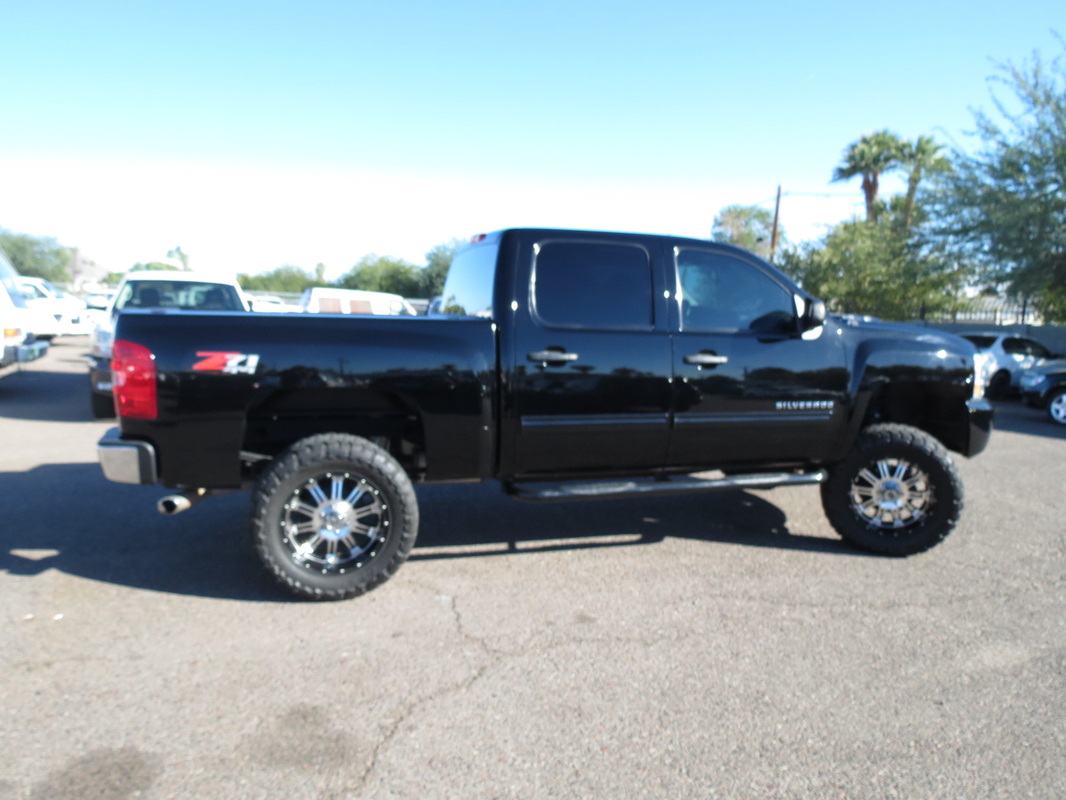
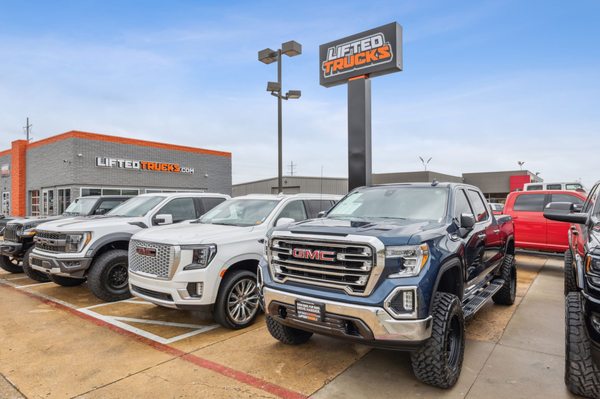
Arizona Lifted Trucks: A Comprehensive Guide to Capability, Culture, and Customization
Arizona Lifted Trucks: A Comprehensive Guide to Capability, Culture, and Customization
Arizona, with its sprawling deserts, rugged mountains, and vibrant outdoor culture, provides the perfect backdrop for a vehicle that embodies both utility and adventure: the lifted truck. More than just a trend, Arizona lifted trucks represent a unique blend of practicality, performance, and personal expression, deeply rooted in the state’s off-roading heritage and desert lifestyle. From navigating challenging trails to making a bold statement on city streets, these custom machines are an integral part of the Arizona automotive landscape.
This comprehensive guide delves into the world of Arizona lifted trucks, exploring everything from their cultural significance and the mechanics of modification to important considerations for owners and enthusiasts.
The Allure of Lifted Trucks in Arizona
The appeal of a lifted truck in Arizona is multi-faceted. Culturally, it aligns perfectly with the state’s love for the outdoors, off-road recreation, and a robust, capable aesthetic. Geographically, the Sonoran Desert, with its rocky washes, sandy trails, and steep climbs, demands vehicles with superior ground clearance and robust suspension. A lifted truck isn’t just for show here; it’s a tool that unlocks access to breathtaking natural landscapes and challenging adventures.
Key attractions include:
- Unparalleled Off-Road Capability: Increased ground clearance allows trucks to traverse obstacles like rocks, ruts, and deep washes without scraping the undercarriage. Larger tires, often a companion to a lift, provide enhanced traction and durability on varied terrain.
- Commanding Visibility: A higher driving position offers a better view of the road, traffic, and surrounding environment, which can be advantageous both on and off the pavement.
- Enhanced Utility: For those who tow trailers, haul heavy loads, or simply need a workhorse for ranch or construction, a properly lifted and reinforced truck can offer improved stability and functionality.
- Personal Expression and Style: Beyond the practical benefits, lifted trucks are a canvas for personalization. They allow owners to showcase their individual style, passion for off-roading, and dedication to a specific aesthetic.
Understanding Lift Kits: Types and Technologies
The heart of an Arizona lifted truck lies in its lift kit. These modifications raise the vehicle’s body or suspension, allowing for larger tires and increased ground clearance. Understanding the different types is crucial for making an informed decision.
-
Leveling Kits: These are the simplest and most affordable modifications. Most trucks come from the factory with a slight "rake" – the rear sits higher than the front. Leveling kits, typically 1.5 to 2.5 inches, raise the front of the truck to match the rear, creating a more level stance. They primarily use spacers for the front coils or torsion bar keys.
- Pros: Inexpensive, maintains factory ride quality, allows for slightly larger tires (e.g., 33-inch).
- Cons: Limited lift, no significant off-road performance improvement.
-
Body Lift Kits: A body lift raises the truck’s body from its frame using spacers. This type of lift does not affect the suspension geometry.
- Pros: Relatively inexpensive, maintains factory ride quality, allows for fitting larger tires (typically 1-3 inches taller) without altering suspension or driveline angles.
- Cons: Does not increase ground clearance under the axles, creates a gap between the frame and body, can expose frame components, and may require modifications to steering, shift linkages, and bumpers.
-
Suspension Lift Kits: These are the most comprehensive and popular choice for serious off-road enthusiasts. Suspension lifts involve replacing or modifying components of the truck’s suspension system. They can range from 2 inches to over 12 inches.
- Components: May include new coil springs, leaf springs, longer shocks, control arms, steering knuckles, subframes, extended brake lines, and driveline modifications.
- Pros: Significantly increases ground clearance under the axles, improves wheel travel and articulation for off-roading, enhances ride quality (especially with high-end kits), and allows for much larger tires (e.g., 35-inch to 40-inch+).
- Cons: More expensive, complex installation, can alter handling dynamics, may require additional modifications (e.g., re-gearing, driveshaft work), and can impact fuel economy.
Within suspension lifts, there are further distinctions:
- Block Lifts: Primarily for the rear, using blocks between the leaf springs and axle. Simple but can lead to axle wrap.
- Coil-Over Conversions: Replace traditional springs and shocks with integrated coil-over units, often adjustable for height and damping.
- Long-Travel Kits: Designed for high-speed desert running, these kits significantly increase suspension travel and wheel articulation, typically requiring extensive modifications to control arms and shock mounts.
Important Considerations and Potential Challenges
While the benefits are clear, owning an Arizona lifted truck comes with responsibilities and potential challenges:
- Legality and Regulations: Arizona, like all states, has specific laws governing vehicle modifications. These typically pertain to maximum bumper height, headlight height, and tire coverage. Owners must ensure their vehicle complies with Arizona Revised Statutes (e.g., ARS §28-958 for bumper heights). Failure to comply can result in fines and citations. For more information, refer to Arizona Lifted Truck Laws (simulated link).
- Safety and Handling: Lifting a truck raises its center of gravity, which can affect stability, particularly during sharp turns, emergency maneuvers, or high winds. It can increase the risk of rollover if not driven responsibly. Proper alignment, quality components, and a thorough understanding of the vehicle’s altered dynamics are crucial.
- Cost Implications: Beyond the initial purchase and installation of the lift kit, there are other costs: larger tires and wheels, potential re-gearing for optimal performance, extended maintenance, and potentially higher insurance premiums.
- Fuel Economy: Larger, heavier tires and increased aerodynamic drag (due to the lifted stance) almost invariably lead to a decrease in fuel efficiency.
- Maintenance and Wear: Lifted trucks can put increased stress on suspension components, driveline, and steering parts. Regular inspections, alignments, and timely maintenance are essential to prevent premature wear and ensure safety.
- Warranty Concerns: Modifying a vehicle’s suspension can potentially void the factory warranty on related components. It’s wise to discuss this with your dealership before undertaking significant modifications.
Choosing and Building Your Arizona Lifted Truck
Embarking on the journey of lifting your truck requires careful planning:
- Define Your Purpose: Will it be a daily driver, a weekend warrior for extreme trails, a work truck, or a showpiece? Your intended use will dictate the type and extent of the lift.
- Research Reputable Brands: Invest in quality. Well-known manufacturers like Fox, King, Icon, BDS Suspension, Rough Country, Fabtech, and Rancho offer a range of kits designed for various applications and budgets.
- Professional Installation: While some enthusiasts tackle installations themselves, a professional off-road shop with experienced technicians is highly recommended. They ensure proper installation, alignment, and address any potential issues like driveline vibrations or brake line extensions. Arizona boasts many reputable shops, especially in Phoenix, Tucson, and Flagstaff.
- Tire and Wheel Selection: This is paramount. Choose tires that match your lift height and intended use (all-terrain for mixed use, mud-terrain for aggressive off-roading). Ensure wheels have the correct backspacing and offset to prevent rubbing and provide a stable stance.
- Drivetrain Considerations: For larger tires (35-inch+), re-gearing the differentials is often necessary to restore power, improve acceleration, and reduce strain on the transmission. Longer driveshafts or slip yoke eliminators may also be required for extreme lifts.
- Accessorize for Adventure: Beyond the lift, consider essential accessories for Arizona’s terrain: winches, recovery gear, rock sliders, aftermarket bumpers, upgraded lighting, and skid plates for undercarriage protection.
Practical Advice for Arizona Lifted Truck Owners
- Pre-Trip Inspections: Before heading out on the trails, always perform a thorough check of your truck. Inspect tire pressure, lug nuts, fluid levels, suspension components, and ensure all recovery gear is present and accessible.
- Responsible Off-Roading: Embrace the "Tread Lightly!" principles. Stay on designated trails, avoid sensitive ecosystems, pack out what you pack in, and respect wildlife and private property.
- Understand Driving Dynamics: Be aware that your lifted truck will handle differently. Allow for increased braking distances, take turns slower, and be mindful of your vehicle’s height when navigating parking garages or low-clearance areas.
- Regular Maintenance: Adhere to a strict maintenance schedule. This includes frequent alignments, tire rotations, suspension component checks, and fluid changes.
- Insurance and Registration: Inform your insurance provider about your modifications. Ensure your vehicle’s registration reflects any necessary inspections for modified vehicles.
Pricing Guide: Arizona Lifted Trucks & Modifications
The cost of an Arizona lifted truck can vary significantly based on the desired lift height, quality of components, and additional modifications. Below is an estimated price guide for common components and services.
| Item/Service | Description | Estimated Price Range (USD) | Notes |
|---|---|---|---|
| Lift Kits (Parts Only) | |||
| Leveling Kit | Front only, typically 1.5-2.5 inches. Spacers or shorter coils. | $100 – $400 | Cost-effective, minor tire clearance. |
| Body Lift Kit | 1-3 inches. Lifts the body from the frame. | $200 – $600 | Maintains factory ride, cheaper than suspension lift, doesn’t increase ground clearance under axles. |
| Basic Suspension Lift Kit | 2-4 inches. Blocks, spacers, or basic shocks/springs. | $400 – $1,500 | Entry-level off-road capability, improves aesthetics. |
| Mid-Range Suspension Lift Kit | 4-6 inches. Quality shocks, springs, control arms. | $1,500 – $4,000 | Significant off-road improvement, better ride quality than basic kits. |
| Premium Suspension Lift Kit | 6+ inches, long-travel, coilovers, adjustable reservoirs. High-performance off-road. | $4,000 – $10,000+ | Designed for extreme off-roading, superior ride and articulation. |
| Installation Labor | (Varies by shop, complexity, and region) | ||
| Leveling Kit Installation | $200 – $400 | Relatively quick. | |
| Body Lift Installation | $400 – $800 | More involved than leveling, some minor modifications needed. | |
| Suspension Lift Installation | (Basic to Premium) | $600 – $2,500+ | Can take a full day or more for complex kits, includes alignment. |
| Associated Costs | |||
| Larger Tires (Set of 4) | All-terrain or mud-terrain, 33-37 inches. | $1,000 – $3,000+ | Essential for lifted trucks, significant impact on performance and cost. |
| Aftermarket Wheels (Set of 4) | Steel, alloy, or beadlock. | $600 – $2,000+ | Aesthetics and performance, proper offset important. |
| Wheel Alignment | Post-lift is crucial. | $100 – $250 | Prevents uneven tire wear, ensures proper handling. Often included in installation price for new lifts. |
| Re-gearing (Parts & Labor) | Recommended for larger tires to restore power and fuel economy. | $1,500 – $3,000+ | Important for trucks with significantly larger tires (e.g., 35"+) to maintain drivability, especially with automatic transmissions. |
| Extended Brake Lines | May be needed for significant suspension travel. | $100 – $300 | Safety component. |
| Driveshaft Modifications | Double cardan joints, longer shafts for extreme lifts. | $300 – $800+ | Prevents driveline vibrations and damage. |
| Fender Flares | To cover wider tires (required in some areas for legal compliance). | $200 – $800 | Aesthetic and legal compliance. |
| Total Estimated Cost | (Lift Kit + Installation + Tires/Wheels + Alignment + potential other mods) | $2,500 – $15,000+ | Varies immensely based on quality of components, desired lift height, and whether additional modifications like re-gearing are performed. High-end builds can easily exceed $20,000-$30,000. |
Frequently Asked Questions (FAQ) About Arizona Lifted Trucks
Q1: Is it legal to drive a lifted truck in Arizona?
A: Yes, it is legal to drive a lifted truck in Arizona, but there are specific regulations regarding maximum bumper height, headlight height, and tire coverage. Owners must ensure their vehicle complies with the Arizona Revised Statutes to avoid fines.
Q2: How much does it cost to lift a truck in Arizona?
A: The cost varies widely. A basic leveling kit and larger tires might start around $1,000-$2,000, while a high-performance suspension lift with all associated modifications (tires, wheels, re-gearing) can easily exceed $10,000 to $15,000, with custom builds reaching much higher.
Q3: Will lifting my truck void its warranty?
A: Potentially. While the Magnuson-Moss Warranty Act prevents manufacturers from automatically voiding a warranty due to aftermarket parts, they can deny warranty claims for parts that fail due to the modifications. If a lifted suspension causes a related component to fail, that specific repair may not be covered. Always discuss this with your dealer.
Q4: Do I need to re-gear my truck after lifting it?
A: If you install significantly larger tires (typically 35 inches or more), re-gearing is highly recommended. It helps restore lost power, improve acceleration, optimize fuel economy, and reduce strain on the transmission, especially important for automatic transmissions and towing.
Q5: How does lifting affect my truck’s handling and safety?
A: Lifting raises the vehicle’s center of gravity, which can affect stability, especially during sharp turns or emergency maneuvers. It can also increase stopping distances and alter steering feel. Proper installation, a quality alignment, and responsible driving are crucial to mitigate these changes.
Q6: Where can I get my truck lifted in Arizona?
A: Arizona has numerous reputable off-road and customization shops, particularly in major metropolitan areas like Phoenix, Tucson, Mesa, and Flagstaff. Look for shops with experienced technicians, positive reviews, and a strong portfolio of lifted truck builds.
Q7: What’s the difference between a body lift and a suspension lift?
A: A suspension lift raises the entire frame and body of the truck higher off the axles by modifying suspension components (springs, shocks, control arms). This increases ground clearance under the axles and improves off-road performance. A body lift only raises the truck’s body from its frame using spacers, primarily to fit larger tires and for aesthetic purposes, without changing the ground clearance under the axles or affecting suspension geometry.
Conclusion
Arizona lifted trucks are more than just modified vehicles; they are a cultural phenomenon, a practical necessity, and a powerful statement of individuality. They embody the spirit of adventure that defines Arizona’s outdoor lifestyle, providing owners with the capability to conquer challenging terrain and the confidence to stand out. By understanding the different types of lifts, their associated costs, legal requirements, and essential maintenance, enthusiasts can make informed decisions to build a safe, capable, and truly personalized Arizona lifted truck. Whether cruising down Camelback Road or navigating the remote trails of Sedona, a properly built and maintained lifted truck is a testament to Arizona’s unique automotive passion.