Self-Moving Truck Rental Companies: Your Ultimate Guide to DIY Relocation
Self-Moving Truck Rental Companies: Your Ultimate Guide to DIY Relocation
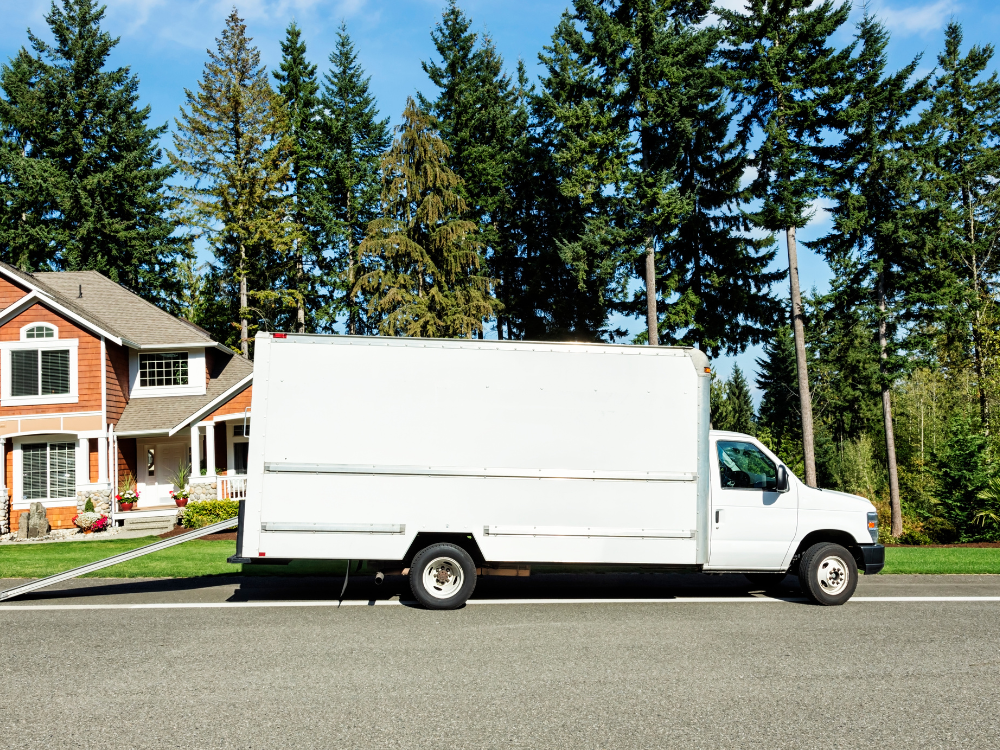
Moving can be one of life’s most stressful events, but it doesn’t have to be. For many, the answer lies in taking control of the process themselves, and that’s where self-moving truck rental companies come in. These companies provide the essential vehicles and sometimes additional equipment, empowering individuals and families to transport their belongings on their own terms. This approach offers significant advantages in terms of cost, flexibility, and personal control, making it a popular choice for everything from local apartment swaps to cross-country journeys. This comprehensive guide will walk you through everything you need to know about navigating the world of self-moving truck rentals, helping you make informed decisions for a smoother, more efficient relocation.
I. Why Choose Self-Moving Truck Rental? The Undeniable Benefits
Opting for a self-moving truck rental is a strategic decision for countless movers, driven by a compelling set of benefits:
- Cost Savings: This is often the primary motivator. Renting a truck is typically significantly cheaper than hiring a full-service moving company, which handles packing, loading, driving, and unloading. By doing the labor yourself, you cut down on professional service fees, allowing you to allocate your budget to other aspects of your move or simply save money.
- Complete Control: With a rental truck, you dictate every aspect of your move. You set the schedule, decide how items are packed and loaded, choose your route, and manage the unloading process. This level of autonomy can greatly reduce stress for those who prefer to oversee every detail of their relocation.
- Flexibility: Self-moving truck rental companies offer a variety of truck sizes and rental periods, accommodating diverse moving needs. Whether you need a small cargo van for a few hours or a large truck for a week-long, one-way trip, there’s usually an option to fit your specific requirements.
- Privacy and Security: Handling your own belongings means they are always under your direct supervision. This can provide peace of mind, especially for items of sentimental value or those requiring delicate handling. You control who touches your possessions from start to finish.
- Suitability for Various Moves: From a small studio apartment across town to a multi-bedroom house across state lines, self-moving truck rentals are versatile. They are ideal for DIY enthusiasts, budget-conscious individuals, or anyone who simply prefers a hands-on approach to their relocation.
II. Understanding the Major Players: Top Self-Moving Truck Rental Companies
The self-moving truck rental market is dominated by several key players, each with its own strengths and offerings. Understanding these differences can help you choose the best provider for your needs.
- U-Haul: Perhaps the most recognizable name, U-Haul boasts the largest fleet and most widespread network of locations, making it highly accessible for both local and one-way moves. They offer a vast array of truck sizes (from cargo vans to 26-foot trucks), trailers, moving supplies (boxes, packing materials), and even storage solutions. U-Haul is known for its competitive pricing and the convenience of having everything you need in one place.
- Penske Truck Rental: Penske is often praised for its newer, well-maintained fleet and strong commitment to customer service. They typically offer unlimited mileage on one-way rentals, which can be a significant cost-saver for long-distance moves. Their fleet includes trucks from 12-foot to 26-foot, and they also provide moving supplies and towing equipment. Penske is generally considered a premium option, often with slightly higher base rates but potentially better value due to vehicle quality and unlimited mileage.
- Budget Truck Rental: As its name suggests, Budget often provides some of the most competitive pricing in the market, making it an attractive option for budget-conscious movers. They offer a good selection of truck sizes (12-foot to 26-foot) and frequently run discounts and promotions. While their fleet might be slightly older than Penske’s, Budget provides a reliable and cost-effective solution for both local and one-way moves.
- Enterprise Truck Rental: While Enterprise is famous for car rentals, their truck rental division is a formidable player, especially for local moves and businesses. They pride themselves on a newer, well-maintained fleet and excellent customer service. Enterprise offers a wide range of trucks, including heavy-duty pickup trucks, cargo vans, box trucks (15-foot to 26-foot), and stake beds. They are known for their flexibility and tailored solutions, often providing more personalized service.
III. How to Choose the Right Truck Size
Selecting the correct truck size is crucial for an efficient and cost-effective move. Too small, and you’ll need multiple trips or have to leave items behind; too large, and you’ll pay for unused space and potentially struggle with maneuverability.
- Cargo Van / Small Box Truck (10-12 ft): Ideal for studios, small 1-bedroom apartments, dorm rooms, or moving just a few large items.
- Medium Box Truck (15-16 ft): Suitable for 1-2 bedroom apartments or small homes. Can typically hold the contents of an average living room, dining room, and two bedrooms.
- Large Box Truck (20-22 ft): Designed for 2-3 bedroom homes. This size can usually accommodate the contents of a larger apartment or a small-to-medium house, including appliances and larger furniture.
- Extra-Large Box Truck (24-26 ft): The largest option, perfect for 3-4+ bedroom homes. These trucks can handle a substantial amount of furniture, appliances, and boxes, making them suitable for large family homes or extensive moves.
Tip: When in doubt, always err on the side of a slightly larger truck. It’s better to have a little extra space than not enough, avoiding the stress and potential cost of a second trip or a last-minute upgrade. Utilize online truck size estimators provided by rental companies, but also do a physical walkthrough of your home, making a detailed inventory of all items.
IV. The Rental Process: A Step-by-Step Guide
Renting a self-moving truck is a straightforward process, but understanding each step can ensure a smooth experience.
- Booking: Start by booking your truck online or over the phone well in advance, especially during peak moving seasons (end of month, summer, holidays). You’ll need to provide your desired pick-up and drop-off locations, dates, and the estimated truck size.
- Confirmation and Details: Review your reservation details carefully. Confirm the pick-up time, location, and any added equipment or services.
- Pick-Up: Arrive at the rental location with your valid driver’s license (standard Class D usually suffices for these trucks) and payment method. The rental agent will complete the paperwork, review the rental agreement, and often walk you through the truck’s features and controls. Crucially, inspect the truck thoroughly for any existing damage before driving off and ensure it’s documented on your rental agreement. Take photos or videos as proof.
- Driving and Loading: Drive cautiously, remembering the truck’s size and weight. Plan your route to avoid low clearances or tight turns. When loading, distribute weight evenly, placing heavier items at the bottom and front of the truck. Secure everything with tie-downs and use moving blankets to protect furniture.
- Drop-Off: Return the truck to the agreed-upon location by the specified time. Most companies require you to refuel the truck to the same level as when you picked it up. Clean out any debris. The rental agent will perform a final inspection, noting any new damage and verifying the fuel level. Ensure all paperwork is processed correctly.
V. Important Considerations Before Renting
Before finalizing your rental, consider these critical aspects to avoid surprises and ensure a seamless move.
- Pricing Structure: Understand the breakdown of costs. This typically includes a daily or per-mile rate, fuel costs, insurance options, environmental fees, taxes, and potential charges for additional equipment (dollies, blankets) or services. One-way rentals often have a higher base rate but may include a set number of miles or unlimited mileage.
- Insurance Options: Your personal auto insurance policy may not cover rental trucks, especially larger ones. Credit card coverage often has limitations as well. Rental companies offer various insurance plans (e.g., damage waiver, supplemental liability, personal accident/cargo protection). Carefully assess your existing coverage and consider purchasing additional protection for peace of mind. This is a critical decision.
- Additional Equipment: Do you need dollies (utility, appliance), moving blankets, hand trucks, or car tow dollies/trailers? Renting these alongside your truck can save time and effort.
- Fuel Economy: Rental trucks are not known for their fuel efficiency. Larger trucks, especially those carrying heavy loads, can consume a significant amount of fuel. Factor this into your budget, as it can be a substantial expense, particularly for long-distance moves.
- Roadside Assistance: Confirm what kind of roadside assistance is included with your rental. Most major companies offer 24/7 support for breakdowns, flat tires, or other issues.
- One-Way vs. Round-Trip: One-way rentals offer convenience but are generally more expensive due to logistics. Round-trip rentals are cheaper per day but require you to return the truck to the original pick-up location.
- Age Restrictions: Most companies require drivers to be at least 18 years old, though some may require 21, and surcharges often apply for drivers under 25.
- Driver’s License Requirements: A standard Class D driver’s license is typically sufficient for operating most rental moving trucks in the U.S. No special commercial license is usually required.
VI. Tips for a Smooth Self-Move
Maximize your efficiency and minimize stress with these practical tips:
- Book Early: Especially during peak moving seasons (summer, holidays, end-of-month), trucks and desired sizes can be scarce.
- Pack Smart: Label boxes clearly, pack essentials separately, and use appropriate packing materials.
- Enlist Help: Don’t underestimate the physical demands of moving. Ask friends or family for help with loading and unloading.
- Plan Your Route: Use GPS specifically designed for truck routes to avoid low bridges, weight restrictions, or narrow streets.
- Understand Truck Dimensions: Be aware of the truck’s height, width, and length, especially when navigating driveways, parking lots, and low overhangs.
- Document Everything: Take photos of the truck’s condition before and after your rental. Keep all rental agreements and receipts.
- Don’t Overpack: Overloading the truck can be dangerous and damage the vehicle.
- Secure Your Load: Use straps and ropes to prevent items from shifting during transit, which can cause damage or instability.
VII. Potential Challenges and Solutions
While self-moving offers many advantages, be prepared for potential hurdles:
- Breakdowns: While rare with well-maintained fleets, mechanical issues can occur. Solution: Rely on the rental company’s 24/7 roadside assistance. Ensure you have their contact number readily available.
- Damage to the Truck or Your Belongings: Accidents happen. Solution: Invest in adequate insurance coverage (damage waiver, personal effects coverage) and pack/load carefully.
- Misjudging Truck Size: You might find you have too much stuff for your chosen truck. Solution: Contact the rental company immediately. They might be able to upgrade your truck (if available) or suggest alternatives like a second, smaller rental or a trailer.
- Late Return Fees: Returning the truck past the agreed-upon time can incur significant charges. Solution: Plan your move with buffer time. If delays are unavoidable, communicate with the rental company as soon as possible to arrange an extension.
- Unexpected Costs: Hidden fees or misunderstandings about the contract. Solution: Read your rental agreement thoroughly before signing. Ask questions about every charge and clarification on fuel policies, mileage limits, and potential surcharges.
Self-Moving Truck Rental Companies: Estimated Price Table (Hypothetical)
Disclaimer: Prices are highly variable based on location, time of year, demand, availability, specific promotions, and duration of rental. These figures are illustrative estimates for planning purposes only and should not be taken as exact quotes.
| Company | Truck Size (Capacity) | Avg. Local Daily Rate (Estimate) | Avg. Local Mileage Cost (Estimate) | Sample One-Way Cost (500 miles, Estimate) | Basic Insurance Option (Approx.) | Estimated MPG Range | Notes/Common Fees |
|---|---|---|---|---|---|---|---|
| U-Haul | Cargo Van (Studio) | $19.95 – $29.95 | $0.69 – $0.99 | $350 – $600 | $14 – $28/day | 18-20 | Environmental fee, damage waiver, additional equipment. |
| 10 ft (Studio/1 BR) | $19.95 – $29.95 | $0.69 – $0.99 | $400 – $700 | $14 – $28/day | 10-12 | Fueling charge if not returned full. | |
| 15 ft (1-2 BR) | $29.95 – $39.95 | $0.79 – $1.09 | $500 – $850 | $20 – $35/day | 8-10 | ||
| 20 ft (2-3 BR) | $39.95 – $49.95 | $0.89 – $1.19 | $600 – $1000 | $25 – $40/day | 6-8 | ||
| 26 ft (3-4+ BR) | $39.95 – $49.95 | $0.89 – $1.19 | $700 – $1200 | $30 – $45/day | 6-8 | ||
| Penske | 12 ft (Studio/1 BR) | $50 – $70 | $0.69 – $0.89 | $550 – $900 (Unlimited Mileage) | $25 – $40/day | 10-12 | Unlimited mileage on one-way rentals, often newer fleet. |
| 16 ft (1-2 BR) | $60 – $80 | $0.79 – $0.99 | $650 – $1100 (Unlimited Mileage) | $30 – $45/day | 8-10 | Requires credit card deposit. | |
| 22 ft (2-3 BR) | $70 – $90 | $0.89 – $1.09 | $750 – $1300 (Unlimited Mileage) | $35 – $50/day | 6-8 | ||
| 26 ft (3-4+ BR) | $80 – $100 | $0.89 – $1.09 | $850 – $1500 (Unlimited Mileage) | $40 – $55/day | 6-8 | ||
| Budget | 12 ft (Studio/1 BR) | $29.95 – $49.95 | $0.69 – $0.99 | $450 – $800 | $20 – $35/day | 10-12 | Frequent discounts/promotions, competitive pricing. |
| 16 ft (1-2 BR) | $39.95 – $59.95 | $0.79 – $1.09 | $550 – $950 | $25 – $40/day | 8-10 | ||
| 20 ft (2-3 BR) | $49.95 – $69.95 | $0.89 – $1.19 | $650 – $1100 | $30 – $45/day | 6-8 | ||
| 26 ft (3-4+ BR) | $59.95 – $79.95 | $0.89 – $1.19 | $750 – $1300 | $35 – $50/day | 6-8 | ||
| Enterprise | Cargo Van (Small) | $39.95 – $69.95 | $0.29 – $0.49 | N/A (Primarily local/round-trip) | $15 – $30/day | 18-22 | Newer fleet, excellent for local moves, less one-way focus. |
| 15 ft Box Truck (1-2 BR) | $69.95 – $99.95 | $0.39 – $0.59 | N/A (Primarily local/round-trip) | $25 – $40/day | 8-10 | Strong customer service, tailored solutions. | |
| 26 ft Box Truck (3-4+ BR) | $99.95 – $129.95 | $0.49 – $0.69 | N/A (Primarily local/round-trip) | $35 – $50/day | 6-8 | Larger trucks for heavier local hauling. |
VIII. Frequently Asked Questions (FAQ)
Q: Do I need a special driver’s license to drive a rental moving truck?
A: For most self-moving rental trucks in the U.S. (up to 26 feet), a standard Class D driver’s license (the one you use for your personal car) is sufficient. You do not typically need a commercial driver’s license (CDL).
Q: What kind of insurance do I need for a rental truck?
A: Your personal auto insurance policy may not cover rental trucks, especially larger ones. It’s crucial to check with your insurance provider. Rental companies offer various insurance options (damage waivers, liability coverage, personal accident/cargo protection) that you can purchase for added peace of mind.
Q: Can I tow my car behind the rental truck?
A: Yes, most self-moving truck rental companies offer car carriers (for all four wheels off the ground) or tow dollies (for two wheels off the ground). Ensure your vehicle is compatible and understand the additional costs and driving considerations.
Q: What happens if the rental truck breaks down?
A: All major self-moving truck rental companies provide 24/7 roadside assistance. If you experience a breakdown, simply call their dedicated support line, and they will dispatch help.
Q: How far in advance should I book my rental truck?
A: It’s highly recommended to book your truck at least 2-4 weeks in advance, especially if you’re moving during peak seasons (summer, holidays, or end-of-month). For long-distance or specific truck sizes, even earlier booking is advisable.
Q: Are there any hidden fees I should be aware of?
A: While reputable companies are transparent, it’s essential to read your contract thoroughly. Common extra costs can include environmental fees, additional driver fees, charges for unreturned fuel, late return fees, and fees for additional equipment or insurance you opt for. Always ask for a detailed breakdown of all potential charges.
Q: Can I pick up the truck in one city and drop it off in another?
A: Yes, this is known as a "one-way" rental and is a common service offered by most major self-moving truck rental companies. Be aware that one-way rentals are generally more expensive than round-trip rentals due to the logistics involved.
Q: What is "unlimited mileage" and why is it important?
A: Unlimited mileage means you won’t be charged per mile driven. This is a significant benefit for long-distance, one-way moves, as mileage charges can quickly add up. Penske is particularly known for offering unlimited mileage on many of its one-way rentals.
Conclusion
Self-moving truck rental companies offer a powerful and accessible solution for anyone looking to take charge of their relocation. By providing the essential tools and flexibility, they empower individuals to save money, maintain control, and execute a move tailored to their specific needs. While the DIY approach requires careful planning, research, and a bit of elbow grease, the rewards of a well-executed self-move are substantial. By understanding the options available, choosing the right truck, preparing for the process, and being mindful of key considerations like insurance and pricing, you can transform the daunting task of moving into a manageable and even empowering experience. With the right knowledge and preparation, your next move can be your smoothest yet.