Used Trucks for Sale by Dealers: Your Comprehensive Guide to Smart Buying

Used Trucks for Sale by Dealers: Your Comprehensive Guide to Smart Buying
The market for used trucks for sale by dealers is a vibrant and ever-expanding landscape, offering a compelling alternative to purchasing new. For businesses looking to expand their fleet without breaking the bank, or individuals seeking a robust vehicle for work, recreation, or daily commuting, a pre-owned truck from a reputable dealership presents a powerful combination of value, reliability, and choice. This article serves as your definitive guide, exploring every facet of navigating the dealer-driven used truck market, ensuring you make an informed and confident purchase.
Why Choose a Used Truck from a Dealer? The Undeniable Advantages
Opting for a used truck from a dealer over a private seller or a brand-new model comes with a host of significant benefits that cater to both financial prudence and peace of mind.
- Cost Savings: The most immediate and obvious advantage is the significant price difference. New trucks experience rapid depreciation in their first few years, meaning a used truck, even just a few years old, can be thousands of dollars cheaper while still offering most of the modern features and capabilities. This saving extends beyond the sticker price to potentially lower insurance premiums and registration fees.
- Wider Selection and Variety: Dealers, especially larger ones or those specializing in used vehicles, often have an extensive inventory covering multiple makes, models, years, and configurations (e.g., light-duty, medium-duty, heavy-duty, specific utility setups). This variety allows buyers to compare different options side-by-side and find a truck that perfectly matches their specific needs and budget.
- Certified Pre-Owned (CPO) Programs: Many franchise dealerships offer Certified Pre-Owned programs for their specific brands. CPO trucks typically undergo rigorous multi-point inspections, often come with extended manufacturer warranties, roadside assistance, and other benefits that bridge the gap between new and standard used vehicles, providing an added layer of assurance.
- Financing Options: Dealers often have established relationships with multiple lenders, allowing them to offer competitive financing rates and flexible terms. This can simplify the purchasing process, especially for those who might struggle to secure a loan independently or prefer the convenience of one-stop shopping.
- Trade-in Potential: If you have an existing vehicle, a dealer can often accept it as a trade-in, streamlining the transaction and potentially reducing the overall cost of your new-to-you truck.
- Professional Inspection and Reconditioning: Reputable dealers typically inspect and recondition their used trucks before listing them for sale. While not always as thorough as a CPO program, it means basic maintenance and necessary repairs are often addressed, ensuring the vehicle is in a safe and presentable condition.
- Warranty Opportunities: Beyond CPO programs, many dealers offer their own limited warranties on used vehicles or facilitate the purchase of extended service contracts, providing protection against unexpected repair costs after the sale.
- Regulatory Compliance and Transparency: Dealers are bound by consumer protection laws, often providing more transparency regarding vehicle history, pricing, and sales contracts than private sellers.
Understanding the Dealer Landscape: Types and Reputability
The world of used trucks for sale by dealers isn’t monolithic. Understanding the different types of dealerships can help you focus your search.
- Franchise/New Car Dealerships: These dealerships sell new vehicles of a specific brand (e.g., Ford, Chevrolet, Ram) but also take in trade-ins. They often have an inventory of used trucks, including their own brand’s CPO vehicles. Benefits include brand-specific expertise, factory-trained technicians, and access to genuine parts.
- Independent Used Truck Dealerships: These dealers specialize exclusively in pre-owned vehicles and typically carry a diverse inventory of various makes and models. They might offer more competitive pricing due to lower overheads and can be a great source for specific or older models.
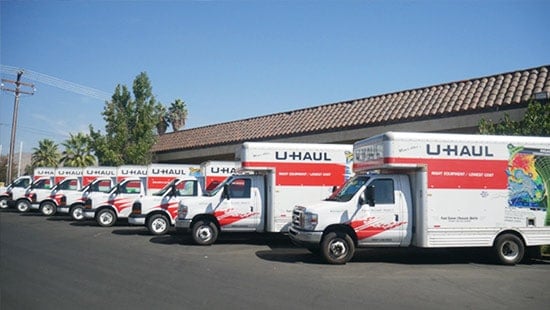
- Commercial Truck Dealerships: If you’re looking for medium-duty, heavy-duty, or specialized vocational trucks (dump trucks, box trucks, semi-trucks), these dealers are your go-to. They understand the unique demands of commercial applications and often have specialized service facilities.
Identifying a reputable dealer is crucial. Look for:
- Positive Online Reviews: Check Google, Yelp, DealerRater, and industry-specific forums.
- Better Business Bureau (BBB) Rating: A strong rating indicates a commitment to customer satisfaction.
- Transparency: Dealers who openly share vehicle history reports, inspection details, and pricing are generally more trustworthy.
- Knowledgeable Staff: Salespeople who can answer your questions thoroughly and aren’t overly pushy.
The Pre-Purchase Journey: A Step-by-Step Guide to Buying a Used Truck
Buying a used truck is a process that benefits from careful planning and execution.
-
Define Your Needs and Budget:
- Purpose: Will it be for personal use, heavy towing, off-roading, commercial delivery, or a specific trade?
- Truck Type: Light-duty (half-ton, three-quarter ton, one-ton), medium-duty, or heavy-duty?
- Payload & Towing Capacity: Essential for commercial users or those hauling trailers.
- Cab Configuration: Regular cab, extended cab, crew cab?
- Drivetrain: 2WD, 4WD, AWD?
- Budget: Not just the purchase price, but also factoring in insurance, fuel, maintenance, and potential upgrades. Get pre-approved for a loan if financing.
-
Research and Inventory Search:
- Utilize online platforms like the dealer’s own website, AutoTrader, CarGurus, Cars.com, and specialized truck classifieds.
- Filter by make, model, year, mileage, price, and features.
- Create a shortlist of potential trucks and dealerships.
-
Initial Contact and Questions:
- Before visiting, call or email the dealership.
- Ask about the truck’s availability, mileage, general condition, known issues, and if a vehicle history report is available.
- Inquire about any recent maintenance or repairs performed by the dealership.
-
Inspection and Test Drive:
- Exterior: Check for rust, dents, scratches, panel alignment (indicating prior accidents), tire wear (evenness), and proper functioning lights.
- Interior: Look for excessive wear, tears, stains, dashboard warning lights, and ensure all electronics (radio, AC, windows, locks) work.
- Under the Hood: Check fluid levels, look for leaks, corrosion, frayed belts, and listen for unusual engine noises.
- Test Drive:
- Pay attention to how the engine starts and idles.
- Listen for unusual noises from the engine, transmission, or suspension.
- Test brakes for responsiveness and shuddering.
- Check steering for looseness or pulling.
- Test acceleration and transmission shifts (smoothness, no slipping).
- Drive on various road types (city, highway, bumps) to get a full feel.
- Crucial Step: Pre-Purchase Inspection (PPI): Even if the dealer has inspected the truck, always arrange for an independent, certified mechanic to perform a thorough inspection. This unbiased assessment can uncover hidden issues and save you significant money and headaches down the road.
-
Reviewing Vehicle History Reports:
- Services like CARFAX or AutoCheck provide crucial insights into a truck’s past, including:
- Accident history and severity.
- Service records and maintenance history.
- Number of previous owners.
- Odometer discrepancies (rollback).
- Flood damage, salvage titles, or other serious issues.
- Services like CARFAX or AutoCheck provide crucial insights into a truck’s past, including:
Financing, Warranties, and After-Sales Support
These elements are where dealers often shine compared to private sellers.
- Financing Options: Dealers can connect you with various lenders, potentially offering better rates than you might find on your own, especially if you have good credit. Be sure to compare dealer-offered financing with pre-approvals from your bank or credit union. Understand the interest rate, term length, and total cost of the loan.
- Warranties:
- Dealer-Provided Warranties: Some dealers offer limited warranties on their used vehicles, often covering major components for a short period or mileage.
- Certified Pre-Owned (CPO) Warranties: These are the most comprehensive, backed by the manufacturer, and typically cover powertrain and sometimes bumper-to-bumper components for an extended period.
- Extended Service Contracts (ESCs): Also known as extended warranties, these are third-party contracts you can purchase to cover repairs beyond the original warranty period. Read the fine print carefully to understand what’s covered, what’s excluded, and any deductibles.
- After-Sales Support: Reputable dealerships often have service departments, parts departments, and customer service teams to assist with maintenance, repairs, and any post-purchase queries. This ongoing support can be invaluable.
Important Considerations and Potential Challenges
While buying from a dealer offers many benefits, it’s essential to be aware of potential challenges and how to navigate them.
- Negotiation: Don’t be afraid to negotiate the price. Research market values for similar trucks to arm yourself with data. Also, negotiate your trade-in value separately.
- "As-Is" Sales: Some older or higher-mileage used trucks might be sold "as-is," meaning the dealer takes no responsibility for repairs after the sale. Understand this clause fully and make sure your PPI is exceptionally thorough.
- Hidden Fees: Watch out for unexpected administrative fees, documentation fees, or unwanted add-ons. Ask for a detailed breakdown of all costs before signing.
- Pushy Sales Tactics: Be prepared for sales pressure. Stick to your budget and needs, and don’t feel obligated to make a purchase on the spot.
- Total Cost of Ownership: Beyond the purchase price, consider fuel efficiency, insurance costs, and potential maintenance for an older vehicle.
Types of Used Trucks Often Found at Dealers
The inventory at dealerships can be incredibly diverse:
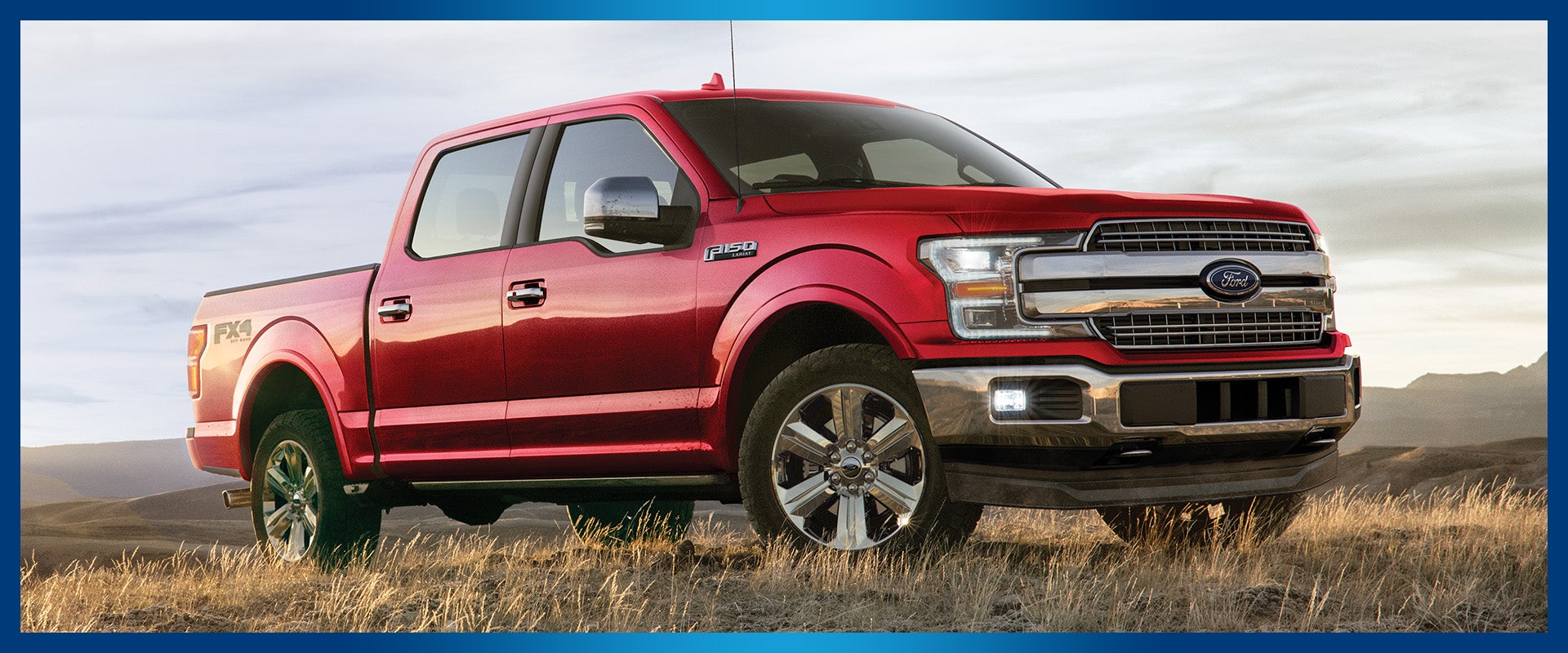
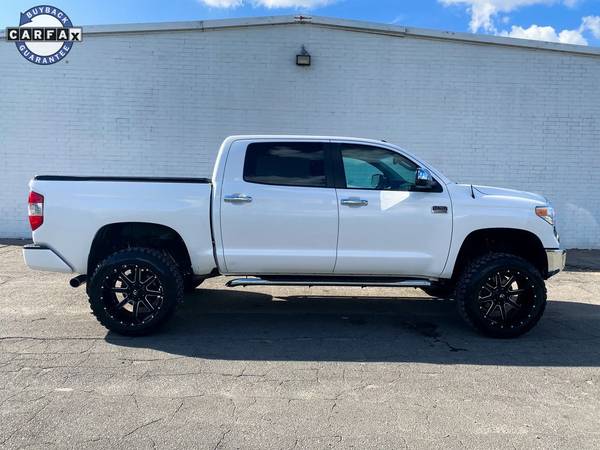
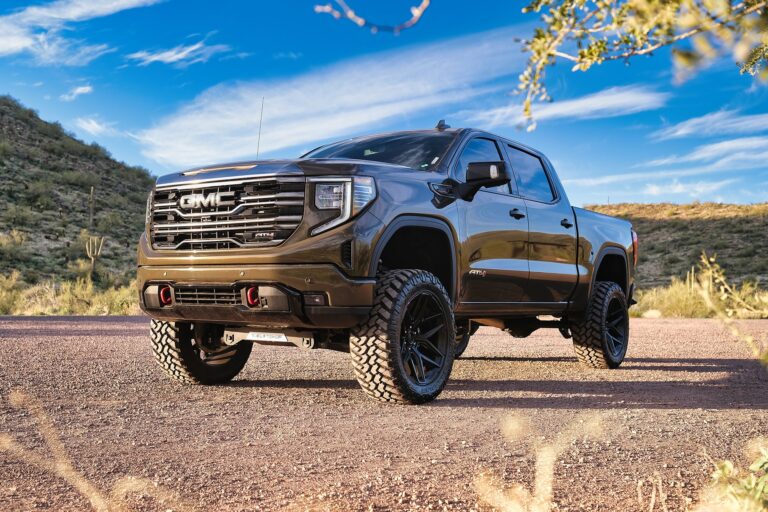
- Light-Duty Trucks: (e.g., Ford F-150, Ram 1500, Chevrolet Silverado 1500, Toyota Tundra, Nissan Titan). These are popular for personal use, light hauling, and everyday driving.
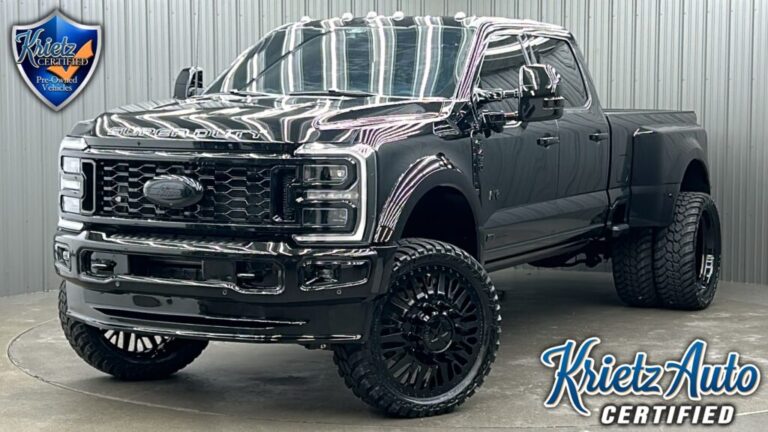
- Medium-Duty Trucks: (e.g., Ford F-250/F-350/F-450, Ram 2500/3500/4500/5500, Chevrolet Silverado 2500/3500 HD, Isuzu NPR, Hino). Often used for heavier towing, commercial work, and specialized applications like service bodies or small box trucks.
- Heavy-Duty/Commercial Trucks: (e.g., Freightliner, Kenworth, Peterbilt, Volvo, Mack). These are typically Class 8 semi-trucks, dump trucks, refuse trucks, or other large vocational vehicles found at specialized commercial truck dealerships.
- Specialized Trucks: Box trucks, utility trucks, flatbed trucks, stake bed trucks, often pre-fitted for specific industries.
Practical Advice and Actionable Insights
- Do Your Homework: Research trucks, market values, and dealership reputations extensively before stepping foot on a lot.
- Set a Firm Budget: Include not just the purchase price but also taxes, fees, insurance, and potential initial maintenance.
- Always Get a Pre-Purchase Inspection (PPI): This is non-negotiable for peace of mind.
- Read Everything Carefully: Understand the sales contract, warranty details, and financing terms before signing.
- Don’t Rush: Take your time, compare options, and walk away if you feel pressured or something doesn’t feel right.
- Leverage Dealer Resources: Use their financing options, trade-in programs, and service departments to your advantage.
Used Trucks for Sale by Dealers: Estimated Price Table
| Truck Type | Typical Age Range (Years) | Typical Mileage Range (Miles) | Estimated Dealer Price Range (USD) | Key Considerations |
|---|---|---|---|---|
| Light-Duty (1/2-Ton) | 3-7 | 40,000 – 120,000 | $20,000 – $45,000 | Popular, good for daily use & light hauling. CPO options common. |
| Heavy-Duty (3/4-Ton) | 3-8 | 50,000 – 150,000 | $28,000 – $55,000 | Stronger towing/payload. Diesel options available. |
| Heavy-Duty (1-Ton) | 4-9 | 60,000 – 180,000 | $32,000 – $65,000 | Max towing/payload for consumer trucks. Can be pricey. |
| Medium-Duty (Class 4-6) | 5-10 | 80,000 – 250,000 | $35,000 – $80,000 | Commercial use, often specialized bodies. Higher maintenance costs. |
| Commercial Box/Service | 6-12 | 100,000 – 300,000 | $25,000 – $70,000 | Vocational specific. Check body condition, utility equipment. |
| Heavy-Duty (Class 8 Semi) | 5-15 | 400,000 – 800,000+ | $30,000 – $120,000+ | Requires specialized knowledge. High operating/maintenance costs. |
Note: These are estimated ranges and can vary significantly based on brand, model, condition, features, region, market demand, and whether it’s a Certified Pre-Owned vehicle. Always research specific models and their market value.
Frequently Asked Questions (FAQ)
- Q1: Is it better to buy a used truck from a dealer or a private seller?
- A1: Dealers generally offer more protections (inspections, potential warranties, financing options, regulatory compliance) and convenience, but often at a slightly higher price. Private sellers might offer lower prices but come with more risk and less recourse.
- Q2: What is a Certified Pre-Owned (CPO) truck?
- A2: A CPO truck is a used vehicle that has undergone a multi-point inspection by the manufacturer or dealer, meets specific age/mileage criteria, and comes with an extended factory warranty, roadside assistance, and other benefits, offering superior peace of mind.
- Q3: How important is a pre-purchase inspection?
- A3: Extremely important. A PPI by an independent mechanic can uncover hidden mechanical issues, safety concerns, or signs of past damage that might not be evident during a standard test drive or even a dealer’s own inspection. It’s a small investment that can prevent major future expenses.
- Q4: Can I finance a used truck?
- A4: Yes, absolutely. Dealers often have dedicated finance departments that work with multiple lenders to help you secure a loan. You can also obtain pre-approval from your own bank or credit union.
- Q5: What should I look for during a test drive?
- A5: Listen for unusual engine or transmission noises, check for smooth shifting, test the brakes thoroughly, ensure the steering is tight and responsive, and verify all electronic components work. Drive on various road types and speeds.
- Q6: How can I negotiate the best price?
- A6: Research market values for similar trucks, be prepared to walk away, negotiate the purchase price and trade-in value separately, and be aware of all fees. Don’t be afraid to make a reasonable offer below the asking price.
Conclusion
Navigating the market for used trucks for sale by dealers requires diligence and an informed approach, but the rewards are substantial. By understanding the benefits, knowing how to identify reputable dealers, following a structured pre-purchase journey, and being aware of financing and warranty options, you can secure a reliable and cost-effective truck that meets your specific needs. With careful research, a thorough inspection, and smart negotiation, your ideal used truck from a dealer is well within reach, ready to serve you for years to come.