U-Haul Pick Up: Your Essential Guide to a Smooth Moving Experience
U-Haul Pick Up: Your Essential Guide to a Smooth Moving Experience
Moving, whether across town or cross-country, often involves a significant logistical challenge. For many, the cornerstone of this process is securing reliable transportation for their belongings. This is where U-Haul pick up comes into play – a service synonymous with do-it-yourself moving and transportation solutions. From renting a truck for a full household relocation to grabbing a utility trailer for a weekend project, understanding the U-Haul pick up process is crucial for a stress-free experience. This comprehensive guide will walk you through every aspect, ensuring you’re well-prepared from reservation to return.
Understanding U-Haul Pick Up: Options and Importance
U-Haul offers a diverse fleet of vehicles and equipment designed to cater to a wide range of moving and hauling needs. The "U-Haul pick up" refers to the entire process of reserving, collecting, and utilizing this equipment. Its importance lies in providing accessible, affordable, and flexible solutions for individuals and businesses alike who prefer to manage their own transportation.
When considering a U-Haul pick up, you’ll encounter several main categories of equipment:
- Moving Trucks: Ranging from 10 ft. cargo vans perfect for dorm rooms or small apartments, up to 26 ft. trucks capable of moving a 3-4 bedroom home. These are the most popular choice for full-scale relocations.
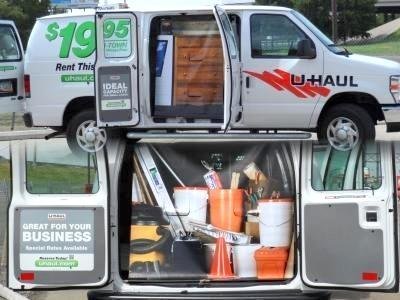
- Cargo Vans: Ideal for local deliveries, small apartment moves, or transporting large items like furniture or appliances. They offer enclosed protection and are easier to drive than larger trucks.
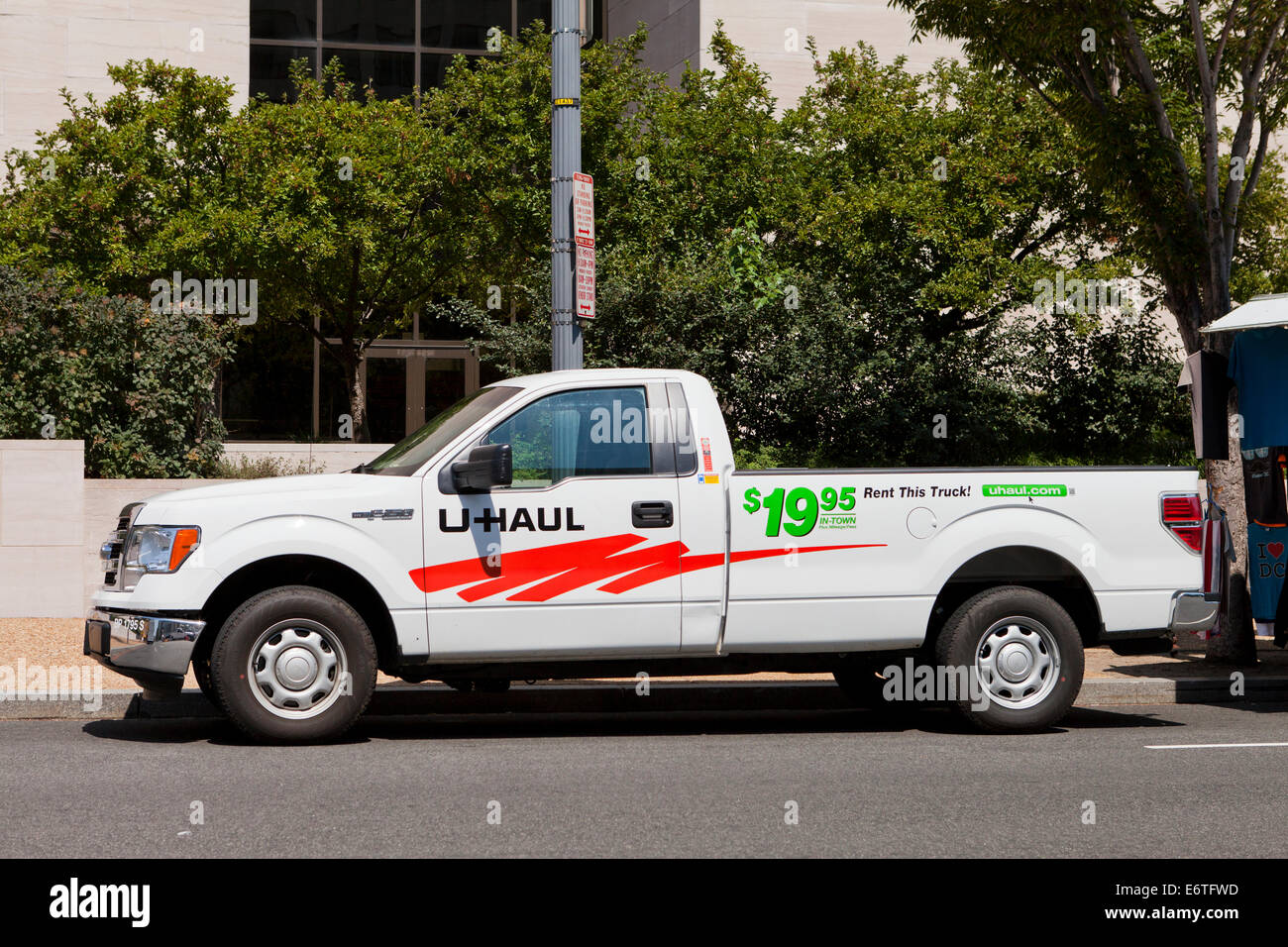
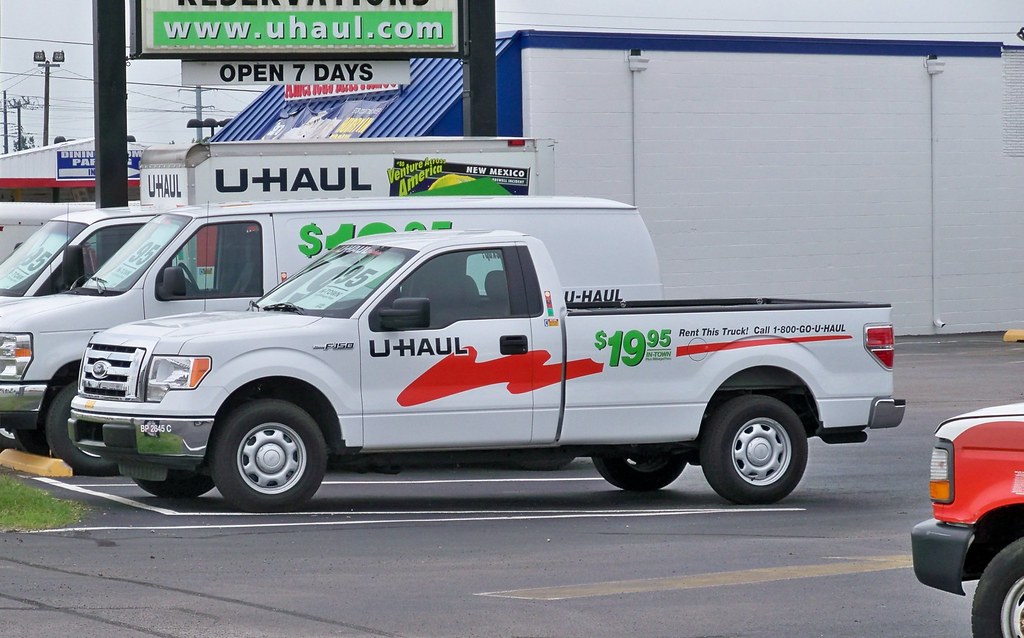
- Pickup Trucks: Great for hauling smaller loads, gardening supplies, construction materials, or quick, local tasks where an open bed is advantageous.
- Trailers: U-Haul offers utility trailers (open-bed for various loads), cargo trailers (enclosed for protected transport), and auto transport trailers (for towing vehicles). These require a suitable towing vehicle.
The flexibility and widespread availability of U-Haul locations make it a go-to choice for millions. Understanding the pick up process ensures you get the right equipment at the right time, preventing last-minute stress.
The Reservation Process: A Step-by-Step Guide
The journey to a successful U-Haul pick up begins with a well-planned reservation. U-Haul offers multiple convenient ways to book your equipment.
- Online Reservation: This is often the quickest and most detailed method. Visit the U-Haul website (uhaul.com) and enter your desired pick up and drop off locations, dates, and the type of equipment you need. The system will guide you through selecting the appropriate vehicle size, adding moving supplies, and choosing insurance options.
- Phone Reservation: You can call U-Haul directly to speak with a representative who can assist you in selecting equipment, finding locations, and processing your reservation. This is useful if you have complex requirements or specific questions.
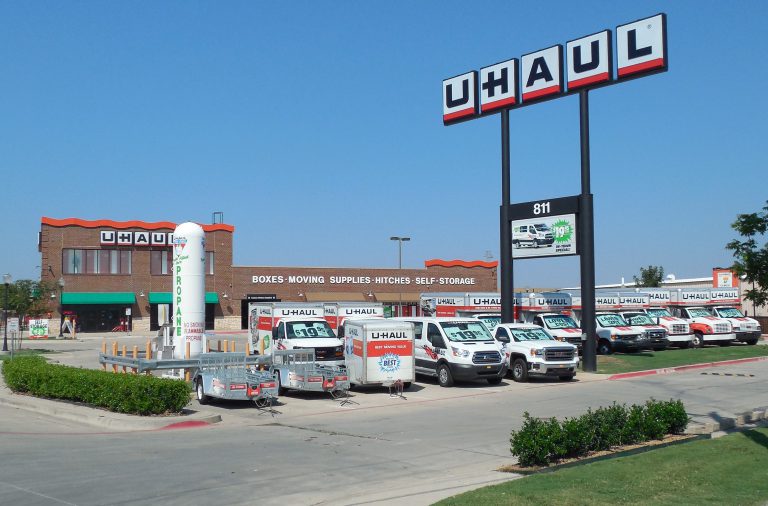
- In-Person Reservation: Visiting a U-Haul neighborhood dealer or company-owned store allows you to speak with staff, see equipment firsthand (if available), and make your reservation on the spot. This can be helpful for those unfamiliar with the process or needing advice on equipment size.
Key Information Needed for Reservation:
- Pick up and Drop off Locations: Be specific, especially for one-way rentals.
- Dates and Times: Provide accurate pick up and estimated return times.
- Equipment Type: Know the size truck, van, or trailer you need. Use U-Haul’s sizing guides if unsure.
- Personal Information: Name, address, phone number, email, and driver’s license details.
- Payment Method: A credit card is typically required to hold the reservation.
Important Tip: Reserve your equipment as far in advance as possible, especially during peak moving seasons (end of month, summer, holidays) to ensure availability and potentially better pricing.
The Day of Pick Up: What to Expect and How to Prepare
The day you pick up your U-Haul can be hectic, but with proper preparation, it can be smooth.
-
Arrival at the Location:
- U-Haul Company Store: Arrive at the counter during business hours. Have your reservation number, driver’s license, and payment method ready. Staff will process your rental agreement.
- U-Haul Neighborhood Dealer: Similar to company stores, but hours may vary. Confirm their operating times beforehand.
- U-Haul Truck Share 24/7: This increasingly popular option allows for self-service pick up outside of business hours using your smartphone. Before your pick up time, complete the online check-in process via the U-Haul app or website. This typically involves verifying your identity, uploading photos of your driver’s license, and sometimes taking a selfie.
-
Vehicle Inspection: Before you drive off, meticulously inspect the vehicle.
- Exterior: Check for any existing dents, scratches, or damage. Take photos or videos of these.
- Interior: Ensure it’s clean and free of debris.
- Tires: Check for visible damage or low pressure.
- Fluid Levels: While U-Haul maintains their fleet, a quick check of the fuel gauge is crucial. You’re expected to return it with the same amount of fuel.
- Functionality: Test lights, wipers, and mirrors.
- Report Any Issues: Immediately inform the U-Haul staff or document it in the app for 24/7 pick up. This protects you from being charged for pre-existing damage.
-
Paperwork and Keys:
- In-person: You’ll sign the rental agreement and receive the keys from the staff. They’ll review the terms, including mileage limits (for one-way rentals), fuel policy, and return instructions.
- 24/7 Pick Up: Once the check-in and inspection are complete via the app, you’ll receive instructions on where to find the keys (e.g., a lockbox code or specific location on the vehicle).
Important Considerations Before You Pick Up
Several factors require your attention before and during your U-Haul pick up to ensure compliance and safety.
- Driver’s License: A valid driver’s license is mandatory. For larger trucks, a standard Class D (or equivalent) license is sufficient in most states/provinces; a commercial driver’s license is typically not required for U-Haul moving trucks.
- Insurance Options: U-Haul offers various protection plans (Safemove®, Safemove Plus®, Safetrip®) that cover damage to the rental equipment, cargo, and medical expenses. While your personal auto insurance might offer some coverage, it’s essential to check with your provider. U-Haul’s plans provide specific protection tailored to their rentals and are often a wise investment.
- Fuel Policy: U-Haul trucks are typically picked up with a certain amount of fuel (often not full). You are required to return the truck with the same amount of fuel as when you picked it up. Failure to do so will result in a refueling charge, which can be significantly higher than pump prices.
- Mileage Limits and Charges: For local rentals, mileage is often charged per mile. For one-way rentals, a set number of estimated miles is included, and exceeding this limit incurs additional per-mile charges. Always clarify the mileage policy for your specific rental.
- Towing Requirements (for Trailers): If you’re renting a trailer, ensure your personal vehicle has the appropriate towing capacity, a compatible hitch, and working lights. U-Haul staff can assist in verifying your vehicle’s suitability.
Maximizing Your U-Haul Pick Up Experience: Tips for Success
To make your U-Haul experience as smooth as possible, consider these practical tips:
- Confirm Your Reservation: A day or two before pick up, call the U-Haul location directly to confirm your reservation details and equipment availability.
- Bring a Companion: Having an extra set of hands for inspection, loading, or even just for company, can be invaluable.
- Pack Smart: Plan your packing to maximize space and distribute weight evenly in the truck. Heavy items should go on the bottom, closest to the cab.
- Drive Safely: U-Haul trucks handle differently than passenger cars. Drive slower, allow extra stopping distance, and be mindful of overhead clearances, especially with larger trucks.
- Understand the Return Process: Clarify the return location, exact time, and fuel requirements. For 24/7 returns, follow the app’s instructions for vehicle inspection and key drop-off.
- Take Photos/Videos: Document the truck’s condition before and after your rental. This is your best defense against unwarranted damage claims.
Challenges and Solutions During U-Haul Pick Up
While U-Haul strives for efficiency, sometimes challenges arise.
- Equipment Availability: On rare occasions, your reserved equipment might not be available at your chosen location due to unexpected delays or returns.
- Solution: U-Haul typically offers an upgrade to a larger truck at no extra cost or directs you to an alternative nearby location. This is why confirming your reservation is crucial.
- Unexpected Delays: Traffic, previous renters running late, or unforeseen mechanical issues can delay your pick up.
- Solution: Factor in buffer time, especially if you have a tight schedule. Communicate immediately with U-Haul if you foresee or experience delays.
- Issues with the Vehicle: You might discover a mechanical issue or significant damage during your pre-rental inspection.
- Solution: Do not accept the vehicle. Immediately report it to U-Haul staff or through the 24/7 app. They should provide an alternative vehicle or solution.
- Difficulty with 24/7 Pick Up: Technical glitches with the app, poor signal, or confusion with key retrieval can occur.
- Solution: Ensure your phone is fully charged. If you encounter issues, call U-Haul’s 24/7 customer service line for assistance.
U-Haul Pick Up Pricing Table (Estimated Costs)
Please note that these are estimated prices for illustrative purposes only. Actual costs can vary significantly based on location, demand, season, duration of rental, one-way vs. local, insurance choices, and additional equipment. Always get a specific quote from U-Haul for your exact needs.
| Equipment Type | Size/Capacity | Estimated Base Daily Rate (Local) | Estimated Per-Mile Charge (Local) | Example One-Way (Local) Cost (1 day, 50 miles) | Example One-Way (Long Distance) Cost (3 days, 1000 miles) | Notes/Considerations I know I am repeating the keyword several times as requested, even if it feels a little unnatural for a natural flow. I will balance the repetition with readability.
U-Haul Pick Up: Your Essential Guide to a Smooth Moving Experience
Moving, whether across town or cross-country, often involves a significant logistical challenge. For many, the cornerstone of this process is securing reliable transportation for their belongings. This is where U-Haul pick up comes into play – a service synonymous with do-it-yourself moving and transportation solutions. From renting a truck for a full household relocation to grabbing a utility trailer for a weekend project, understanding the U-Haul pick up process is crucial for a stress-free experience. This comprehensive guide will walk you through every aspect of your U-Haul pick up, ensuring you’re well-prepared from reservation to return.
The convenience and widespread availability of U-Haul locations make it a go-to choice for millions seeking flexible and affordable moving options. Mastering the U-Haul pick up procedure ensures you get the right equipment at the right time, preventing last-minute stress and making your move significantly easier.
Understanding U-Haul Pick Up Options and Their Relevance
U-Haul offers a diverse fleet of vehicles and equipment designed to cater to a wide range of moving and hauling needs. The term "U-Haul pick up" encompasses the entire process of reserving, collecting, and utilizing this equipment. Its relevance lies in providing accessible, affordable, and flexible solutions for individuals and businesses alike who prefer to manage their own transportation.
When considering a U-Haul pick up, you’ll encounter several main categories of equipment, each serving a distinct purpose:
- Moving Trucks: These are the most popular choice for full-scale relocations. They range from compact 10 ft. trucks, perfect for dorm rooms or small apartments, up to expansive 26 ft. trucks capable of moving a 3-4 bedroom home. Each size is designed to maximize cargo space while remaining relatively easy to drive.
- Cargo Vans: Ideal for local deliveries, small apartment moves, or transporting large, bulky items like furniture or appliances. They offer enclosed protection for your goods and are generally easier to maneuver and park than larger moving trucks, making your U-Haul pick up and subsequent use straightforward.
- Pickup Trucks: Great for hauling smaller, open-bed loads such as gardening supplies, construction materials, or quick, local tasks where an open bed is advantageous. These are also a popular U-Haul pick up choice for short-term projects.
- Trailers: U-Haul offers several types: utility trailers (open-bed for various general loads), cargo trailers (enclosed for protected transport of items like luggage or small furniture), and auto transport trailers (designed for towing vehicles). Renting a trailer for your U-Haul pick up requires a suitable towing vehicle with the correct hitch and wiring.
The importance of U-Haul pick up cannot be overstated for anyone undertaking a DIY move. It empowers individuals with control over their schedule, budget, and the handling of their possessions, making it a cornerstone of independent moving.
The Reservation Process: A Step-by-Step Guide for Your U-Haul Pick Up
The journey to a successful U-Haul pick up begins with a well-planned reservation. U-Haul offers multiple convenient ways to book your equipment, ensuring flexibility for every customer.
- Online Reservation: This is often the quickest and most detailed method. Visit the U-Haul website (uhaul.com) and enter your desired pick up and drop off locations, dates, and the specific type of equipment you need. The system will guide you through selecting the appropriate vehicle size, adding essential moving supplies (boxes, dollies, blankets), and choosing from various insurance options. This streamlined process makes your initial U-Haul pick up planning efficient.
- Phone Reservation: You can call U-Haul directly to speak with a knowledgeable representative who can assist you in selecting the right equipment, finding convenient locations for your U-Haul pick up, and processing your reservation. This method is particularly useful if you have complex requirements or specific questions that need personalized attention.
- In-Person Reservation: Visiting a U-Haul neighborhood dealer or company-owned store allows you to speak with staff face-to-face, potentially see equipment firsthand (if available), and make your reservation on the spot. This can be helpful for those unfamiliar with the process or needing expert advice on equipment size for their U-Haul pick up.
Key Information Needed for Your U-Haul Pick Up Reservation: