U-Haul Hitch Installation Cost: A Comprehensive Guide
U-Haul Hitch Installation Cost: A Comprehensive Guide
Towing is an essential capability for countless individuals, whether it’s for hauling a moving trailer, transporting recreational vehicles, or simply attaching a bike rack. At the heart of this capability lies the hitch receiver, a sturdy connection point between your vehicle and whatever you wish to tow. When it comes to reliable and widely accessible hitch installation services, U-Haul stands out as a prominent provider. Understanding the U-Haul hitch installation cost is crucial for anyone considering this upgrade, as it allows for proper budgeting and informed decision-making. This guide will thoroughly explore the various facets of U-Haul hitch installation costs, helping you navigate the process with confidence.
Understanding the Components of Hitch Installation Cost
The total cost of having a hitch installed by U-Haul isn’t just a single figure; it’s a combination of several key elements. Each component plays a vital role in both functionality and pricing.
Hitch Receiver Price
The hitch receiver itself is the primary component. Prices vary significantly based on its "class," which dictates its towing capacity and receiver opening size.
- Class I & II Hitches: Designed for lighter loads (up to 3,500 lbs), these are often found on smaller cars, crossovers, and some SUVs. They typically feature a 1-1/4 inch receiver opening. Cost: Generally the lowest, often ranging from $100 to $250.
- Class III Hitches: The most common class, suitable for mid-size SUVs, trucks, and vans, capable of towing up to 8,000 lbs. They usually have a 2-inch receiver opening. Cost: Mid-range, typically $150 to $350.
- Class IV & V Hitches: For heavy-duty towing (up to 17,000 lbs or more), these are for larger trucks and commercial vehicles, almost exclusively with a 2-inch or 2-1/2 inch receiver. Cost: The highest, often $250 to $600+.
The specific make and model of your vehicle also influence the hitch price, as custom-fit hitches are often required for optimal integration and safety.
Wiring Harness Cost
Beyond the physical connection, a wiring harness is absolutely essential for safe and legal towing. It connects your vehicle’s electrical system to the trailer’s lights, ensuring that turn signals, brake lights, and running lights function correctly.
- 4-Way Flat Connector: The most basic harness, providing power for tail lights, turn signals, and brake lights. Suitable for small utility trailers or bike racks that don’t require brakes. Cost: Typically $30 to $100.
- 7-Way Round Connector: More complex, providing additional functions like reverse lights, auxiliary power, and connections for electric trailer brakes. Essential for larger trailers, RVs, and those with electric brakes. Cost: Higher, often $80 to $250.
The complexity of your vehicle’s existing electrical system can also impact the harness installation time and, consequently, the labor cost. Modern vehicles with sophisticated computer systems may require specialized T-connectors or powered converters to avoid electrical issues.
Labor Cost
The professional installation fee covers the skilled labor required to mount the hitch receiver to your vehicle’s frame and integrate the wiring harness. This can be the most variable part of the cost.
- Vehicle Complexity: Some vehicles are straightforward, requiring minimal drilling or fascia trimming. Others may involve removing bumper covers, drilling into the frame, or routing wires through difficult spaces, increasing labor time.
- Shop Rates: While U-Haul aims for consistent pricing, labor rates can slightly vary by geographic location and the specific U-Haul service center.
- Time: A basic hitch and wiring installation might take 1-2 hours, while more complex setups could take 3-4 hours or more.
Labor costs for U-Haul hitch installations typically range from $100 to $300, depending on the factors mentioned above.
Additional Accessories (Optional but Recommended)
While not strictly part of the "hitch installation," these items are often purchased concurrently:
- Ball Mount: The component that slides into the receiver and holds the hitch ball.
- Hitch Ball: The spherical part that connects to the trailer coupler.
- Pin and Clip: Secures the ball mount in the receiver.
- Brake Controller: Required for trailers with electric brakes, allowing the driver to control the trailer’s braking force.
- Weight Distribution Hitch: For heavier trailers, this system distributes the tongue weight more evenly across the vehicle’s axles, improving stability and handling.
These accessories can add anywhere from $50 to several hundred dollars to your overall towing setup cost.
U-Haul’s Approach to Hitch Installation
U-Haul has established itself as a go-to option for hitch installation due to its extensive network and specialized services.
Why Choose U-Haul?
- Convenience and Accessibility: With thousands of locations across North America, U-Haul offers unparalleled accessibility for installation and support.
- Expertise: U-Haul technicians are trained specifically for hitch installations, ensuring proper fitting and wiring according to safety standards.
- Comprehensive Service: They offer a full range of hitches, wiring harnesses, and towing accessories suitable for almost any vehicle and towing need.
- Warranty: U-Haul typically stands behind its parts and labor with a warranty, providing peace of mind.
- Bundled Solutions: Often, U-Haul provides a streamlined process where the hitch, wiring, and installation are presented as a single, clear package.
The U-Haul Installation Process
- Vehicle Assessment: A technician will evaluate your vehicle’s make, model, and year, along with its towing capacity and frame structure.
- Needs Discussion: They will discuss your specific towing requirements (what you plan to tow, how often) to recommend the appropriate hitch class and wiring.
- Parts Selection: The correct hitch receiver and wiring harness are selected from their inventory.
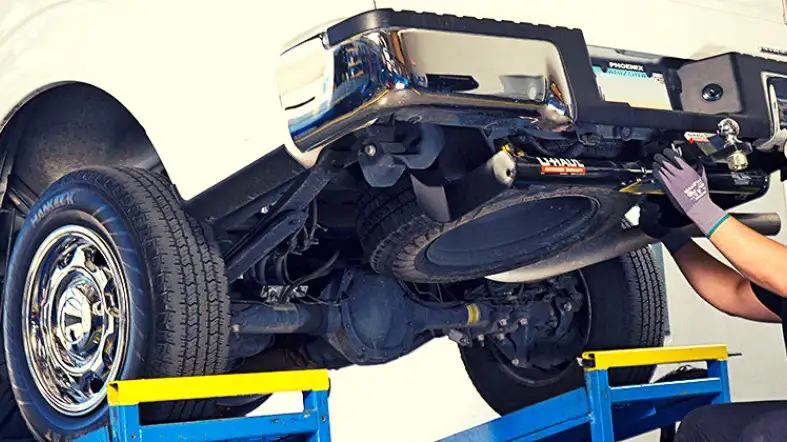
- Professional Installation: The hitch is securely bolted to your vehicle’s frame, and the wiring harness is expertly integrated into the electrical system.
- Testing and Verification: Before you leave, the technician will test all lights and connections to ensure everything is functioning correctly and safely. They’ll also review proper hitch usage.
Factors Influencing Your U-Haul Hitch Installation Cost
Several variables can cause the final cost to fluctuate:
- Vehicle Make and Model: Custom-fit hitches for specific vehicles can sometimes be more expensive than universal options (though U-Haul primarily uses vehicle-specific hitches for safety and fit). Complex vehicle designs may also increase labor.
- Hitch Class Required: As discussed, a Class V hitch will inherently cost more than a Class I hitch.
- Wiring Complexity: Vehicles with advanced electrical systems, CAN bus wiring, or LED lighting may require more sophisticated and expensive wiring harnesses and additional labor time.
- Geographic Location: While U-Haul aims for standardized pricing, minor variations in labor rates or parts sourcing costs can occur regionally.
- Promotions and Discounts: Keep an eye out for seasonal promotions or discounts U-Haul may offer, especially during peak moving seasons.
- Additional Services/Accessories: Deciding to add a brake controller, weight distribution hitch, or even just a new hitch ball and mount will increase the total expenditure.
DIY vs. Professional Installation: Cost-Benefit Analysis
When considering U-Haul hitch installation cost, it’s natural to weigh it against a do-it-yourself (DIY) approach.
DIY Installation
- Potential Savings: The most significant draw is saving on labor costs. You only pay for the hitch and wiring components.
- Risks and Challenges:
- Safety: Incorrect installation can lead to catastrophic failure while towing, endangering yourself and others.
- Tools: Requires specialized tools like torque wrenches, possibly drills, and wire crimpers.
- Time and Effort: Can be time-consuming, especially for complex installations.
- Electrical Issues: Improper wiring can damage your vehicle’s electrical system, leading to expensive repairs.
- Warranty: DIY installation might void parts warranties or even your vehicle’s warranty if damage occurs.
- Expertise: Knowing the correct torque specifications, frame attachment points, and wiring schematics is crucial.
Professional Installation (U-Haul)
- Safety and Expertise: Ensures the hitch is installed correctly and safely by trained professionals, adhering to manufacturer specifications and safety standards.
- Convenience: Saves you time and effort.
- Correct Parts: U-Haul ensures you get the right hitch and wiring for your specific vehicle and towing needs.
- Warranty: Parts and labor are typically covered by a U-Haul warranty.
- Peace of Mind: Knowing your setup is secure and reliable.
While the initial cost is higher due to labor, the long-term benefits of safety, reliability, and peace of mind often make professional installation the superior choice, especially for towing applications.
Tips for Saving Money on U-Haul Hitch Installation
While professional installation incurs labor costs, there are ways to be a savvy consumer:
- Understand Your Needs: Don’t overbuy. If you only plan to tow a small utility trailer, a Class I or II hitch is sufficient and less expensive than a Class III or IV.
- Get a Detailed Quote: Always request a comprehensive quote that itemizes the cost of the hitch, wiring harness, and labor before committing. You can often get this online or over the phone.
- Look for Promotions: Check U-Haul’s website or local flyers for any ongoing discounts or installation specials.
- Research Your Vehicle: Have a basic understanding of your vehicle’s towing capacity and any known installation quirks beforehand. This can help you ask informed questions.
- Consider a Basic Wiring Kit (if applicable): If you only need to power tail lights, opt for a 4-way flat connector rather than a more expensive 7-way unless trailer brakes or auxiliary power are necessary.
Potential Challenges and Solutions
Even with professional installation, minor challenges can arise:
- Unexpected Vehicle Issues: Rust on the frame, damaged attachment points, or previous modifications can complicate installation and increase labor time.
- Solution: U-Haul technicians usually perform a preliminary inspection. Be upfront about any known issues with your vehicle.
- Compatibility Issues: While rare with U-Haul’s extensive catalog, a specific hitch or wiring kit might be temporarily out of stock or have a unique fitment challenge.
- Solution: Call ahead to confirm availability and discuss your specific vehicle’s requirements.
- Scheduling Delays: Peak seasons (like summer moving season) can lead to longer wait times for appointments.
- Solution: Book your installation well in advance, especially if you have a specific date in mind for towing.
Practical Advice and Actionable Insights
- Safety First: Never compromise on the quality of your hitch or its installation. Your safety and the safety of others on the road depend on it.
- Know Your Vehicle’s Capacity: Always confirm your vehicle’s maximum towing capacity and tongue weight capacity from your owner’s manual. Do not exceed these limits.
- Get a Written Estimate: Always ensure you receive a detailed, written estimate before any work begins, clearly outlining all costs.
- Test Everything: After installation, personally test all trailer lights (running, brake, turn signals) and ensure the hitch connection is secure before your first tow.
- Regular Maintenance: Periodically inspect your hitch for rust, loose bolts, or damage, especially if you tow frequently.
U-Haul Hitch Installation Cost Table
Here’s an estimated price table for U-Haul hitch installation, providing a general range. Actual costs can vary based on location, vehicle, and specific parts.
| Component / Service | Description | Estimated Cost Range (USD) | Notes |
|---|---|---|---|
| Hitch Receiver | Class I/II (Light Duty – 1-1/4" opening) | $100 – $250 | For cars, small SUVs, bike racks, small utility trailers. |
| Class III (Mid-Duty – 2" opening) | $150 – $350 | Most common; for mid-size SUVs, trucks, larger trailers. | |
| Class IV/V (Heavy Duty – 2" or 2.5" opening) | $250 – $600+ | For heavy trucks, large RVs, commercial trailers. Vehicle-specific fitment often impacts this. | |
| Wiring Harness | 4-Way Flat Connector (Basic lights) | $30 – $100 | Provides power for running, brake, and turn signals. For non-braked trailers. |
| 7-Way Round Connector (Advanced functions) | $80 – $250 | Includes 4-way functions plus auxiliary power, reverse lights, electric brake controller connection. For larger/braked trailers. | |
| Labor Cost | Standard Installation (Hitch + Basic Wiring) | $100 – $250 | Varies by vehicle complexity and regional labor rates. Typically 1-3 hours. |
| Complex Installation (Advanced Wiring/Vehicle Specific) | $200 – $350+ | For vehicles requiring bumper removal, significant drilling, or complex electrical integration. | |
| Total Estimated Installation Cost | Hitch Receiver + Wiring + Labor | $230 – $1200+ | This range covers basic light-duty setups to complex heavy-duty installations with advanced wiring. |
| Optional Accessories | Ball Mount & Hitch Ball | $20 – $80 | Essential for connecting to a trailer; varies by drop/rise and ball size. |
| Brake Controller | $100 – $300 | Required for trailers with electric brakes. Installation labor for this is usually extra. | |
| Weight Distribution Hitch | $200 – $600+ | Recommended for heavier trailers to improve stability and handling. |
Please note: These are estimated ranges. For the most accurate and personalized quote, it is always recommended to contact your local U-Haul service center directly or visit their website for their online quoting tool. Learn more about U-Haul hitch installation here
Frequently Asked Questions (FAQ)
Q: How long does a U-Haul hitch installation typically take?
A: Most standard hitch installations, including wiring, can take anywhere from 1 to 3 hours. More complex installations involving advanced wiring or vehicle modifications might take 3 to 5 hours. It’s best to confirm the estimated time when you book your appointment.
Q: Does U-Haul install hitches on all vehicle types?
A: U-Haul offers hitch installation for a vast majority of vehicles, including cars, SUVs, trucks, and vans. However, extremely rare models or vehicles with significant pre-existing damage might pose challenges. They typically have a custom-fit hitch solution for most popular models.
Q: Is a wiring harness always necessary when installing a hitch?
A: If you plan to tow a trailer that requires lights (which most do for legal and safety reasons), a wiring harness is essential. If you are only using the hitch for a bike rack or cargo carrier that doesn’t obstruct your vehicle’s lights, a wiring harness might not be strictly necessary, but it’s always good to have the capability.
Q: Can I bring my own hitch for U-Haul to install?
A: While some independent shops might install customer-supplied parts, U-Haul generally prefers to provide and install their own U-Haul brand hitches and wiring components. This ensures quality control, compatibility, and allows them to stand behind their warranty on parts and labor. It’s best to inquire directly with your local U-Haul center about their specific policy.
Q: What kind of warranty does U-Haul offer on hitch installations?
A: U-Haul typically provides a warranty on both the hitch components and the labor for the installation. The specifics can vary, so it’s always wise to ask for details about their warranty coverage at the time of purchase and installation.
Q: Can I get an exact quote for U-Haul hitch installation online?
A: U-Haul’s website often provides an online quoting tool where you can input your vehicle’s information and desired hitch class to get an estimated cost. However, for the most accurate quote, especially considering labor nuances, it’s always recommended to visit or call your local U-Haul center.
Conclusion
Understanding the U-Haul hitch installation cost is the first step toward expanding your vehicle’s utility for towing, recreation, or cargo transport. By breaking down the expenses into hitch receiver, wiring harness, and labor, along with considering other influencing factors, you can approach the process with clarity and confidence. While DIY options exist, the peace of mind, safety assurance, and expertise offered by U-Haul’s professional installation services often outweigh the cost savings of a self-installation. Prioritizing safety, asking informed questions, and getting a detailed quote will ensure you embark on your towing adventures with a reliable and correctly installed hitch.