The Mighty Mover: A Comprehensive Guide to the 26ft U-Haul Truck
The Mighty Mover: A Comprehensive Guide to the 26ft U-Haul Truck
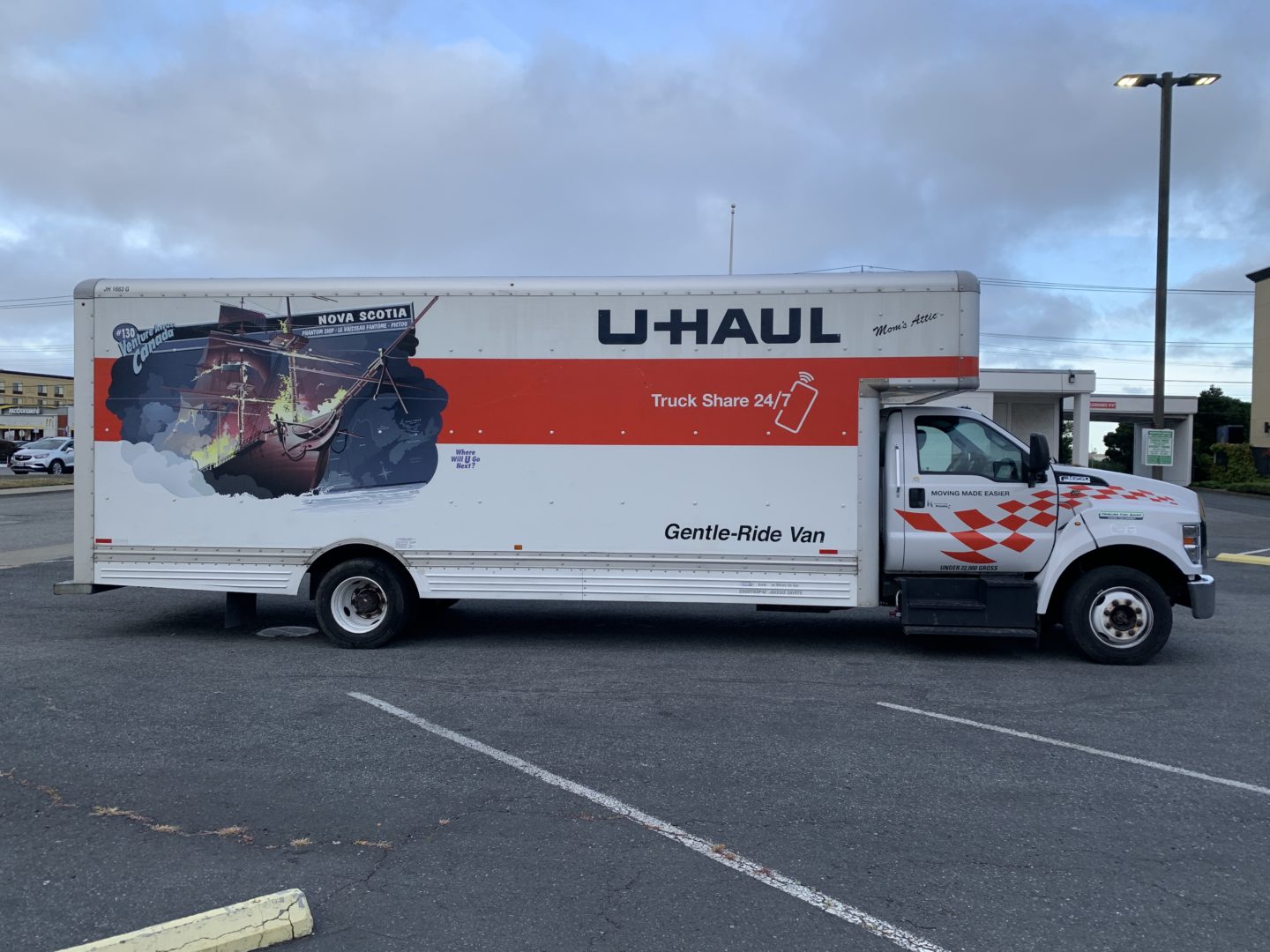
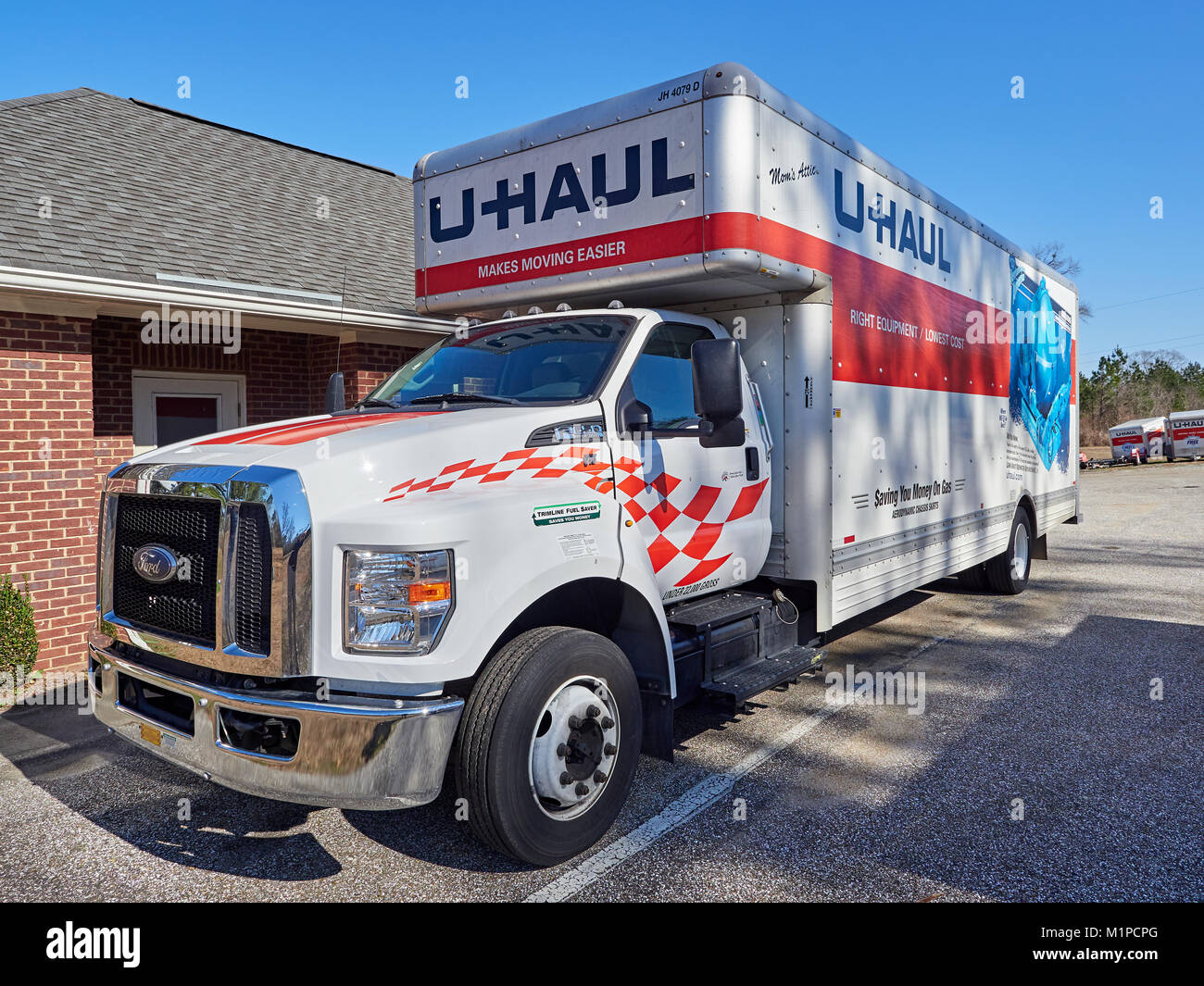
Moving, for many, is a significant life event often accompanied by a mix of excitement and trepidation. When faced with the task of relocating an entire household, especially a large one, the choice of moving equipment becomes paramount. Enter the 26ft U-Haul truck – the largest rental truck in U-Haul’s fleet, designed to tackle the most demanding moves with efficiency and ample space. This isn’t just a truck; it’s a strategic partner for individuals and families embarking on a major transition, offering the capacity to make a multi-trip nightmare into a single, manageable journey. Understanding its capabilities, how to use it effectively, and what to expect is crucial for a smooth and stress-free move. For more information, you can visit the official U-Haul page for the 26ft truck.
What Makes the 26ft U-Haul Stand Out? (Key Features & Specifications)
The 26ft U-Haul truck is engineered for maximum utility and ease of use, even for those not accustomed to driving large vehicles. Its design incorporates features aimed at both capacity and driver confidence.
- Generous Dimensions: The cargo area boasts approximately 26 feet in length, 8 feet in width, and 8 feet in height, translating to an impressive 1,612 cubic feet of loading space. This colossal capacity is typically sufficient for a 3-4+ bedroom home, holding everything from large appliances and bulky furniture to countless boxes.
- Weight Capacity: With a maximum load capacity often exceeding 10,000 lbs, the 26ft U-Haul can handle substantial weight, ensuring you don’t have to leave anything behind.
- Low Deck and EZ-Load Ramp: A standout feature is its low loading deck, designed to be closer to the ground, significantly reducing the effort required to lift heavy items. Complementing this is the sturdy, wide EZ-Load ramp, which extends from the rear, allowing for easy rolling of dollies and walking large items directly into the truck.
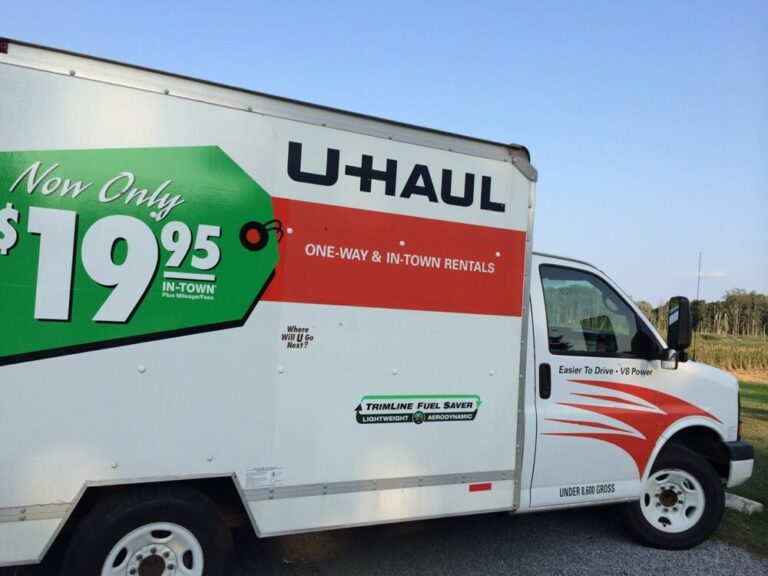
- Fuel Efficiency and Engine: These trucks are typically powered by a V8 gasoline engine, offering sufficient power for heavy loads. While "fuel-efficient" for its size, it’s important to remember it’s a large truck, and fuel consumption will be higher than a passenger vehicle. Expect around 8-10 miles per gallon, varying with load, terrain, and driving style.
- Safety and Comfort: The cab is designed for comfort, usually seating three people (driver plus two passengers) with air conditioning. Safety features include large mirrors for excellent visibility, anti-lock brakes, and often automatic transmissions, making it easier to drive. The "Mom’s Attic" over-cab storage space provides extra room for delicate items or items you need quick access to.
Who Needs the 26ft U-Haul? (Ideal Use Cases)
The 26ft U-Haul isn’t for every move, but for specific scenarios, it’s an indispensable asset.
- Large Family Homes: If you’re moving from a spacious 3-4+ bedroom house, including a basement, garage, and outdoor items, this truck is likely your best bet for a single-trip move.
- Multi-Bedroom Apartments: Even large apartments with numerous rooms and significant furniture can benefit from this truck’s capacity, especially if consolidating belongings from multiple residents.
- Commercial Relocations: Small businesses moving offices, equipment, or inventory often find the 26ft truck ideal for transporting desks, filing cabinets, computers, and other office necessities efficiently.
- Long-Distance Moves: For cross-country or inter-state moves where minimizing trips and maximizing cargo space is critical, the 26ft U-Haul saves time, effort, and potentially money compared to multiple smaller vehicles or professional movers for certain parts of the load.
- Consolidating Belongings: If you’re combining households or moving items from multiple storage units, the vast space allows for effective consolidation.
Planning Your Move with a 26ft U-Haul (How-To Guide)
Renting and utilizing a 26ft U-Haul effectively requires meticulous planning and execution.
- Reservation: Book your truck well in advance, especially during peak moving seasons (summer, end of month). You can reserve online or by phone. Be specific about your pick-up and drop-off locations and dates.
- Packing Strategy:
- Declutter: Before packing, purge unneeded items to reduce your load.
- Proper Boxes: Use sturdy, appropriately sized moving boxes. Label every box clearly with its contents and destination room.
- Disassembly: Disassemble large furniture (beds, tables) where possible to save space and protect pieces.
- Essentials Box: Pack a separate "essentials" box with items you’ll need immediately upon arrival (toiletries, medications, basic tools, snacks).
- Loading Techniques:
- Heavy Items First: Load the heaviest items (appliances, large furniture) at the front of the truck, closest to the cab, to distribute weight evenly and prevent shifting.
- Utilize Vertical Space: Stack boxes and items carefully from floor to ceiling, but avoid making stacks unstable.
- Secure Belongings: Use furniture pads, moving blankets, and tie-downs (ratchet straps) to protect items and prevent them from shifting during transit. U-Haul trucks have rub rails inside for securing straps.
- Pathways: Leave a clear path to access items you might need during unloading or to help distribute weight as you go.
- "Mom’s Attic": Use the over-cab storage for lighter, more fragile items or things you want to access quickly.
- Driving Tips:
- Practice: If possible, drive a large vehicle in an empty lot to get a feel for its size, turning radius, and braking distance.
- Wide Turns: Remember the truck is much longer and wider than your car. Make wide turns, especially at intersections.
- Braking Distance: Allow significantly more braking distance. A fully loaded 26ft truck takes much longer to stop.
- Lane Changes: Use your large mirrors frequently and signal well in advance.
- Overpasses/Clearances: Be aware of the truck’s height (typically around 10 feet) and watch for low bridges, drive-thrus, and parking garage entrances.
- Fueling: Fill up at gas stations that can accommodate large vehicles.
- Returning the Truck: Return the truck with the agreed-upon fuel level (usually the same as when you picked it up) and reasonably clean. Follow U-Haul’s specific drop-off instructions.
Benefits and Advantages of Choosing the 26ft U-Haul
Opting for the largest U-Haul truck comes with several compelling advantages:
- Single-Trip Efficiency: The primary benefit is the ability to complete most large moves in a single trip. This saves immense time, reduces stress, and often lowers overall fuel costs compared to multiple smaller trips.
- Cost-Effectiveness (for large moves): While the base rate might seem higher, avoiding multiple rentals, extra mileage, and the hidden costs of additional trips can make the 26ft truck more economical for significant household moves.
- Ample Space for Peace of Mind: The sheer volume of space eliminates the worry of whether everything will fit. This allows for more relaxed packing and loading, knowing you have room to spare.
- DIY Control: You maintain complete control over your belongings, packing methods, loading order, and schedule, which isn’t always possible with professional movers.
- Convenience Features: The low deck and EZ-Load ramp significantly ease the physical burden of moving heavy items, making the process safer and less strenuous.
Important Considerations & Potential Challenges
While highly advantageous, renting a 26ft U-Haul also comes with its own set of considerations:
- Driving Skill: Driving such a large vehicle requires more skill, attention, and confidence than a standard car. New drivers or those uncomfortable with large vehicles might find it challenging.
- Fuel Costs: For long-distance moves, the fuel bill can be substantial. Factor this into your budget.
- Parking and Maneuverability: Parking a 26ft truck can be difficult, especially in urban areas, tight driveways, or apartment complexes. Plan your routes and parking spots in advance.
- Insurance: Your personal auto insurance may not cover rental trucks. U-Haul offers various coverage options like Safemove® and Safemove Plus® which protect you and your belongings in case of damage or accident. Review these carefully.
- Availability: During peak moving times, 26ft trucks can be in high demand. Book early to secure your reservation.
- Loading Expertise: While the space is vast, efficiently loading it to maximize capacity and ensure stability requires strategic thinking and careful execution.
26ft U-Haul Estimated Pricing Table
Please note: Prices are highly variable based on location, availability, date, duration, and whether it’s a local or one-way rental. These are estimated ranges for planning purposes. Always get a direct quote from U-Haul.
| Category | Local Move (Estimated Daily) | One-Way Move (Estimated Per Trip) | Notes to your family’s needs and financial comfort.
Frequently Asked Questions (FAQ)
Q1: Do I need a special license to drive the 26ft U-Haul?
A1: No, a standard driver’s license (Class D in most states) is sufficient for driving a 26ft U-Haul truck in the U.S. and Canada. You do not need a Commercial Driver’s License (CDL).
Q2: What kind of fuel does the 26ft U-Haul use, and what’s the typical mileage?
A2: It typically uses regular unleaded gasoline. Mileage varies significantly based on load, terrain, and driving habits, but you can generally expect around 8-10 miles per gallon.
Q3: Can I tow my car or another trailer with the 26ft U-Haul?
A3: Yes, the 26ft U-Haul truck is equipped with a towing hitch, allowing you to tow a U-Haul car trailer or auto transport, which is highly convenient for moving your personal vehicle along with your household goods.
Q4: How many people can ride in the cab of the 26ft U-Haul?
A4: The cab of the 26ft U-Haul is designed to comfortably seat three people: the driver and two passengers.
Q5: What if I need to extend my rental period?
A5: It’s best to contact U-Haul customer service as soon as you know you’ll need an extension. Extensions are subject to availability and additional fees. Communicating early can prevent penalties.
Q6: What insurance options does U-Haul offer, and do I need them?
A6: U-Haul offers various protection plans like Safemove® and Safemove Plus®. These plans cover potential damage to the truck and/or your cargo. Your personal auto insurance may not cover rental trucks, so it’s wise to review your policy or consider U-Haul’s options for peace of mind.
Q7: How tall is the 26ft U-Haul truck, and what clearances should I be aware of?
A7: The exterior height is typically around 10 feet. Always be mindful of overhead clearances for bridges, tunnels, parking garages, drive-thrus, and low-hanging tree branches. There’s usually a sticker inside the cab indicating the exact height.
Conclusion
The 26ft U-Haul truck is a formidable tool for anyone facing a large-scale move. Its expansive capacity, thoughtful design features like the low deck and EZ-Load ramp, and the flexibility it offers for DIY movers make it an invaluable asset. While it demands careful planning and a confident hand behind the wheel, the rewards of consolidating your entire household into a single, efficient journey are immense. By understanding its capabilities, planning your logistics meticulously, and driving safely, the 26ft U-Haul can transform the daunting task of moving into a well-executed, successful experience, leaving you ready to embark on your next chapter with ease.