Truck Strobe Light Kit: Illuminating Safety and Enhancing Visibility
Truck Strobe Light Kit: Illuminating Safety and Enhancing Visibility
In the bustling world of commercial trucking, utility services, and emergency response, visibility isn’t just a convenience – it’s a critical safety imperative. A truck strobe light kit stands as a beacon of this necessity, transforming a standard vehicle into a highly visible warning system. More than just flashy accessories, these kits are engineered to dramatically increase a vehicle’s presence, particularly in low-light conditions, adverse weather, or hazardous work zones. This comprehensive guide delves into every aspect of truck strobe light kits, from their fundamental purpose to installation nuances, legal considerations, and practical advice, ensuring you’re fully equipped to make an informed decision for your vehicle’s safety enhancement.
What is a Truck Strobe Light Kit?
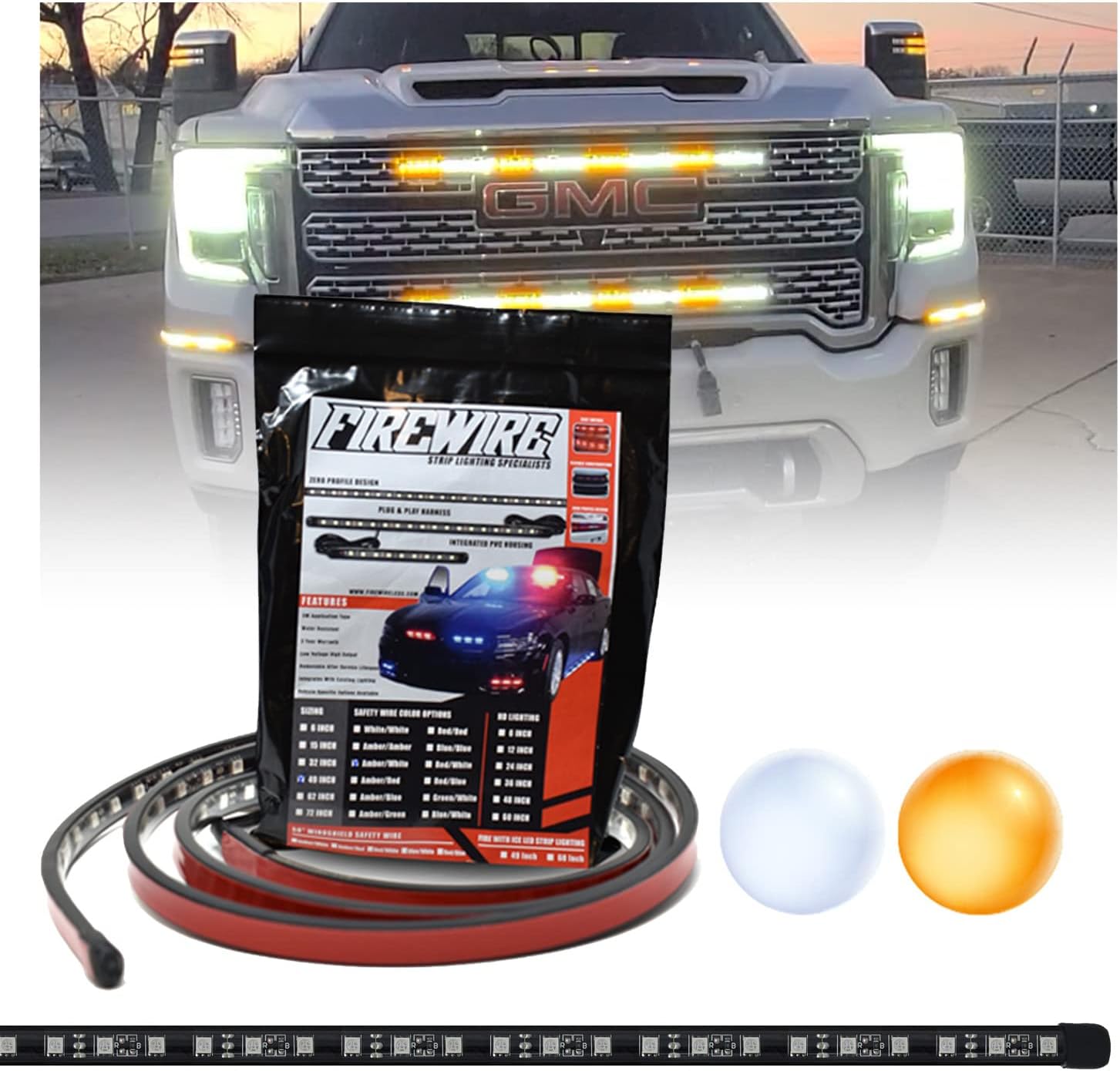
A truck strobe light kit is a complete package designed to equip a truck or commercial vehicle with high-intensity flashing lights. Unlike standard continuous lights, strobe lights emit brief, powerful flashes of light, making them exceptionally effective at grabbing attention. These kits typically comprise several light heads (often LED or Xenon-based), a control module or flasher, wiring harnesses, and mounting hardware. Their primary function is to alert other drivers, pedestrians, and workers to the presence of a stationary or slow-moving vehicle, especially in situations where it might pose a hazard, such as roadside assistance, construction sites, or emergency responses.
The Indispensable Benefits of a Strobe Light Kit
The advantages of installing a truck strobe light kit extend far beyond mere aesthetics, contributing significantly to operational safety and efficiency:
- Enhanced Visibility: This is the primary benefit. The rapid, intense flashes of strobe lights are highly noticeable, even from a distance, in bright daylight, or through fog, rain, or snow. This drastically reduces the risk of collisions.
- Increased Safety for All: By making your truck more visible, you protect not only your vehicle and its occupants but also other motorists, pedestrians, and roadside workers. It provides an early warning, allowing others more time to react and adjust their driving.
- Compliance with Regulations: Many industries and operations require specific warning lighting for safety and legal compliance. Strobe light kits help meet these mandates, preventing potential fines and ensuring your operations run smoothly within legal frameworks.
- Professional Appearance: A well-equipped truck with proper warning lights signals professionalism and adherence to safety standards, enhancing your company’s reputation.
- Accident Prevention: Ultimately, the investment in a strobe light kit is an investment in accident prevention, which can save lives, reduce repair costs, and minimize downtime.
How to Install Your Truck Strobe Light Kit: A General Guide
While specific installation steps may vary slightly between kits and vehicle models, the general process remains consistent. If you’re not comfortable with automotive wiring, professional installation is always recommended.
Tools You’ll Likely Need:
- Drill and appropriate bits
- Wire strippers/crimpers
- Screwdrivers/wrenches
- Electrical tape or heat shrink tubing
- Zip ties
- Multimeter (for checking voltage/continuity)
- Safety glasses
General Installation Steps:
- Plan Your Placement: Decide where each light head will be mounted (grille, bumper, side, rear, interior dash, roof). Ensure placements offer maximum visibility without obstructing vehicle functions or violating local laws.
- Mount the Light Heads: Securely attach each light head using the provided brackets and hardware. Drill pilot holes if necessary, ensuring no critical components are behind the drilling area.
- Mount the Control Box/Flasher: Find a secure, dry location inside the cab or under the hood for the control module. This unit manages the flash patterns and power distribution to the lights.
- Run the Wiring: Carefully route the wires from each light head to the control box. Ensure wires are protected from heat, sharp edges, and moving parts. Use zip ties to secure them neatly.
- Connect to Power: Connect the main power wire from the control box to a fused 12V or 24V (depending on your truck’s system) power source, ideally one that is ignition-switched to prevent battery drain when the truck is off. Connect the ground wire to a clean, unpainted metal surface on the vehicle’s chassis.
- Install the Switch: Wire the control switch into the circuit according to the kit’s instructions. Mount the switch in an accessible location within the cab.
- Test the System: Before tidying up all the wiring, connect the battery and test all lights and flash patterns to ensure everything is functioning correctly.
- Finalize Wiring: Once tested, secure all wiring with zip ties, electrical tape, or conduit. Double-check all connections for tightness and proper insulation.
Important Considerations Before You Buy
Choosing the right truck strobe light kit involves more than just picking a color. Several critical factors demand your attention:
- Legal Regulations: This is paramount. Strobe light laws vary significantly by state, county, and even city. Understand permitted colors (amber is most common for non-emergency/utility, red/blue are typically restricted to emergency services), flash patterns, and usage scenarios. Always verify local laws before purchasing or installing.
- Light Type: LED vs. Xenon:
- LED (Light Emitting Diode): More energy-efficient, longer lifespan, smaller size, virtually instant on/off, and often offer multiple flash patterns. They are generally more expensive upfront but offer better long-term value.
- Xenon (Gas Discharge Tube): The traditional strobe light. Brighter and more intense per flash, but consume more power, have a shorter lifespan, and generate more heat.
- Brightness (Lumens/Candela): Higher lumens or candela ratings indicate brighter lights. Consider the environments your truck operates in; brighter lights are essential for high-speed roads or extremely low visibility.
- Durability and Weather Resistance (IP Rating): Look for kits with high IP (Ingress Protection) ratings (e.g., IP67 or IP68) indicating resistance to dust and water immersion. This is crucial for lights exposed to the elements.
- Flash Patterns and Synchronization: Many kits offer multiple selectable flash patterns. Some advanced kits allow synchronization of multiple lights for a more cohesive and impactful warning signal.
- Mounting Options: Consider where you need the lights. Options include surface mount, grille mount, dash mount, visor mount, magnetic mount (for temporary use), and permanent roof-mount light bars.
- Power Requirements: Ensure the kit is compatible with your truck’s electrical system (12V or 24V). Check the current draw to ensure it won’t overload your electrical system.
Types and Categories of Truck Strobe Light Kits
Strobe light kits are categorized based on their technology, mounting, and intended application:
- Mini Light Bars & Full-Size Light Bars: Mounted on the roof, these provide 360-degree visibility. Mini bars are compact, while full-size bars offer maximum light output and coverage.
- Grille & Surface Mount Lights: Smaller, discreet lights designed to be mounted flush on the grille, bumper, or other flat surfaces of the truck. Ideal for a stealthier appearance when not in use.
- Dash & Visor Lights: Designed for interior mounting, reflecting light off the windshield. Popular for quick, temporary deployment or for vehicles that need lights only occasionally.
- Magnetic Mount Lights: Highly portable and temporary, these lights attach to any ferrous metal surface. Perfect for rental trucks, occasional use, or situations where permanent installation isn’t desired.
- Hideaway Strobe Lights: Small, discreet lights designed to fit inside existing vehicle light housings (headlights, taillights) for a completely hidden look until activated.
Practical Advice and Actionable Insights
- Prioritize Legal Compliance: Before even looking at products, research your local and state laws regarding warning lights. Ignorance is not a defense, and non-compliance can lead to fines or even vehicle impoundment.
- Quality Over Price: While budget is a factor, compromising on quality for safety equipment is never wise. Cheaper kits may fail prematurely, offer inadequate brightness, or lack the necessary durability, making them a poor long-term investment.
- Assess Your Needs: Consider your specific use case. Are you a tow truck operator needing high visibility on busy highways? A construction worker needing to mark a stationary vehicle? Or a utility worker needing to alert traffic around a roadside repair? Your application will dictate the type, brightness, and number of lights required.
- Professional Installation for Complex Systems: If you’re dealing with multiple light heads, intricate wiring, or integrating with existing vehicle systems, consider professional installation. This ensures proper functionality, adherence to electrical safety standards, and preserves your vehicle’s warranty.
- Regular Maintenance: Periodically inspect your strobe lights for damage, loose connections, or dirt accumulation. Keep the lenses clean to ensure maximum light output.
Price Table: Representative Costs for Truck Strobe Light Kits
It’s important to note that prices for truck strobe light kits vary significantly based on brand reputation, number of light heads, type of lighting technology (LED vs. Xenon), brightness, features (flash patterns, synchronization), and overall build quality. The table below provides general price ranges for common kit types.
| Kit Type / Category | Description | Typical Price Range (USD) | Key Factors Affecting Price
