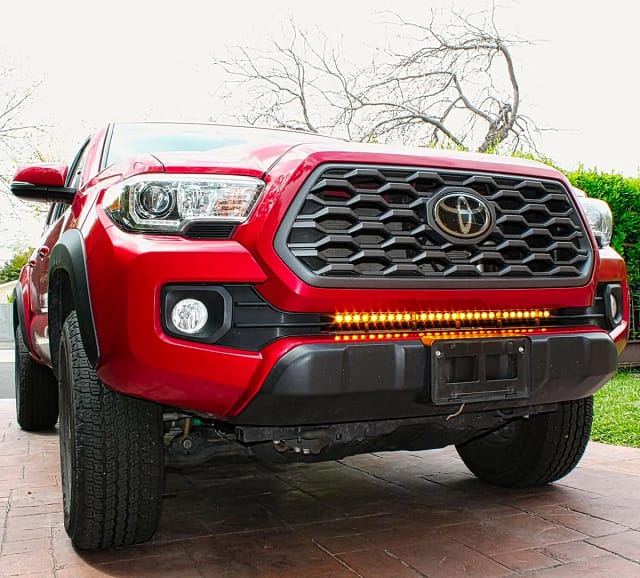
Truck Grill Light Bars: Illuminating Your Path and Enhancing Your Ride
Truck Grill Light Bars: Illuminating Your Path and Enhancing Your Ride
The open road, challenging trails, or even just a dark driveway – a truck driver often finds themselves in situations where standard headlights aren’t enough.
Enter the truck grill light bar: a powerful, versatile, and increasingly popular accessory that transforms a truck’s front end, offering superior illumination, enhanced safety, and a formidable aesthetic. More than just a cosmetic upgrade, these high-intensity lighting solutions are essential tools for anyone serious about visibility and performance.
This comprehensive guide will delve into everything you need to know about truck grill light bars, from their benefits and types to installation tips, legal considerations, and how to choose the perfect bar for your needs.
What Are Truck Grill Light Bars?
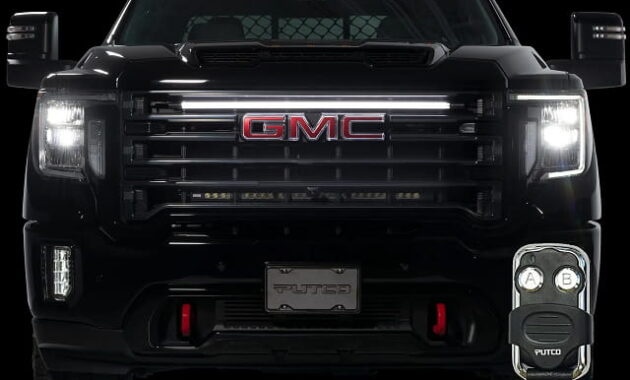
At its core, a truck grill light bar is an auxiliary lighting system designed to be mounted within or directly on the front grille of a truck. Unlike traditional round or square auxiliary lights, light bars are elongated, housing multiple LED (Light Emitting Diode) chips in a linear array.
This design allows them to project a broad, powerful beam of light, significantly extending a driver’s field of vision beyond what factory headlights can offer. They are engineered to withstand harsh conditions, making them ideal for off-road adventures, construction work, rural driving, or simply adding an aggressive, modern look to any pickup.
Why Choose a Grill Light Bar? The Multifaceted Benefits
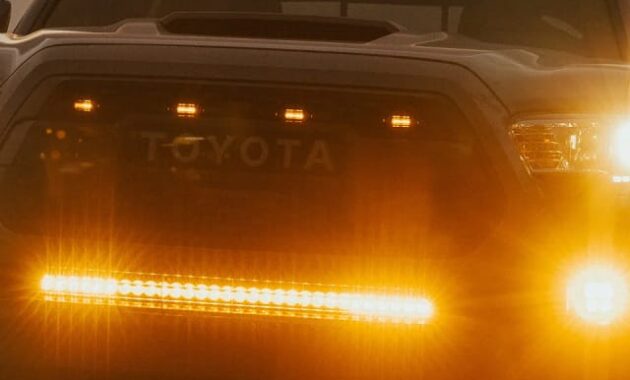
The appeal of grill light bars extends far beyond their intimidating appearance. Their functional advantages are numerous and compelling:
- Enhanced Visibility: This is the primary benefit. Light bars cut through darkness, fog, rain, and even light snow with incredible effectiveness, illuminating obstacles, wildlife, and road hazards far in advance. This is particularly crucial for high-speed driving on unlit roads or navigating complex off-road terrain.
- Increased Safety: By providing a clearer view of your surroundings, grill light bars drastically reduce the risk of accidents. Spotting a deer on the side of the road or a fallen tree on a trail becomes much easier, allowing for more reaction time.
- Improved Off-Road Capability: For the adventurous spirit, a grill light bar is an indispensable tool. It transforms night-time trails into navigable paths, revealing dips, rocks, and ruts that would otherwise remain hidden.
- Work Utility: For those who use their trucks for work – be it farming, construction, plowing, or emergency services – a grill light bar provides critical illumination for tasks performed in low-light conditions, improving efficiency and safety on the job site.
- Aesthetic Enhancement: Beyond functionality, light bars undeniably add a rugged, aggressive, and modern look to any truck. They instantly convey a sense of capability and readiness for adventure, making a bold statement.
- Durability: Most quality light bars are built to withstand extreme conditions, featuring robust aluminum housings, shatterproof polycarbonate lenses, and high IP (Ingress Protection) ratings for water and dust resistance.
Decoding the Types of Grill Light Bars
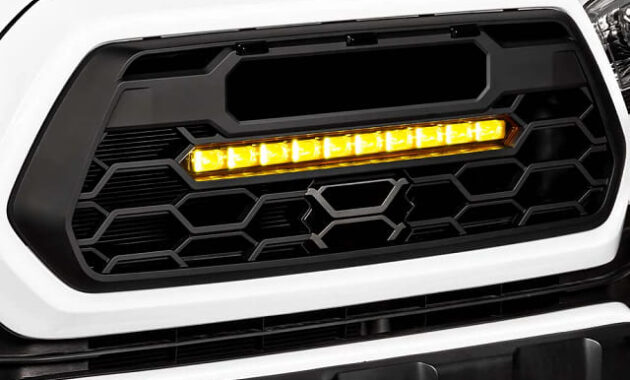
While the concept is simple, light bars come in various forms, each suited for different preferences and applications:
1. By Light Source:
- LED Light Bars: By far the most common and recommended. LEDs offer incredible brightness, low power consumption, long lifespan (tens of thousands of hours), and instant-on illumination. They are also highly durable and come in various color temperatures.
- HID (High-Intensity Discharge) & Halogen: While historically used in auxiliary lighting, these are rarely found in modern light bar formats due to LEDs’ superior efficiency, durability, and compact size.
2. By Beam Pattern:
- Spot Beam: Projects a focused, narrow beam of light far into the distance. Ideal for high-speed driving where long-range visibility is paramount.
- Flood Beam: Spreads light over a wider, shorter area, illuminating the immediate surroundings. Excellent for off-roading at lower speeds or work applications where peripheral vision is key.
- Combo Beam: The most popular choice, combining both spot and flood LEDs within the same bar. This offers a versatile blend of long-range projection and wide-area illumination.
3. By Shape and Size:
- Straight Bars: The classic, linear design. Available in a vast range of lengths (e.g., 6 inches to 50 inches) to fit various grill sizes.
- Curved Bars: Designed to follow the contour of a truck’s front end or windshield, offering a wider arc of light distribution.
- Single Row vs. Double Row: Refers to the number of LED rows. Double-row bars generally offer more light output for their length, while single-row bars are more discreet and sleek.
Key Features to Consider Before Purchase
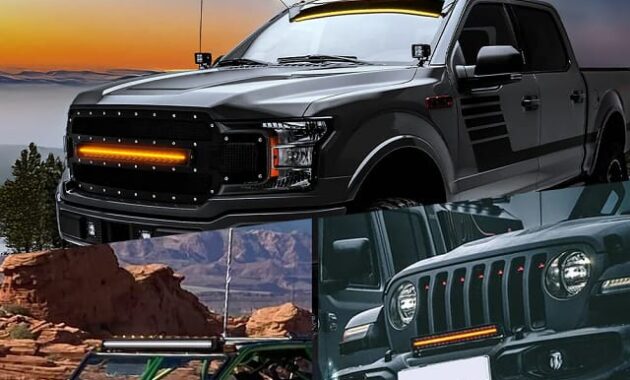
Selecting the right grill light bar involves understanding several critical specifications:
- Lumens & Watts: Lumens measure brightness, while watts indicate power consumption. Higher lumens mean more light. Always consider the lumens per watt for efficiency.
- IP Rating (Ingress Protection): Look for an IP67 or IP68 rating, signifying excellent resistance to dust and water immersion. This is crucial for durability in all weather conditions.
- Construction Material: A robust die-cast aluminum housing is standard for heat dissipation and impact resistance. The lens should be made of durable, shatterproof polycarbonate.
- Mounting Brackets: Ensure the bar comes with sturdy, corrosion-resistant mounting brackets. Some trucks have specific grill mounts available that require no drilling.
- Wiring Harness & Switch: A complete kit should include a heavy-duty wiring harness with a relay, fuse, and an illuminated switch for safe and convenient operation.
- Heat Dissipation: Efficient heat sinks are vital to prevent LED overheating, which can shorten the lifespan of the bar.
Installation Guide: Bringing Your Grill to Life
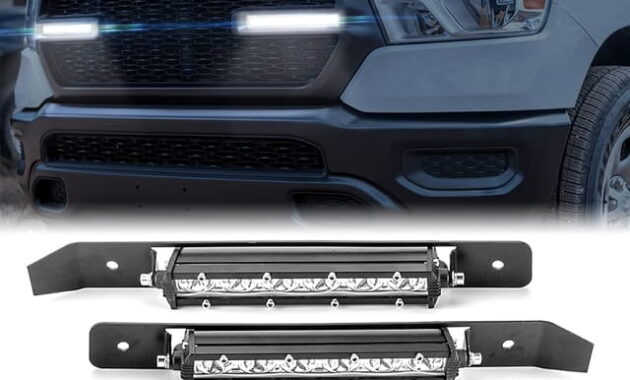
Installing a grill light bar can be a rewarding DIY project, though professional installation is always an option if you’re uncomfortable with wiring.
Pre-Installation Checklist:
- Tools: Wrenches, sockets, drill (if required), wire strippers, crimpers, multimeter, zip ties, electrical tape.
- Safety Gear: Safety glasses, gloves.
- Location: Determine the optimal mounting spot on or behind your grille that doesn’t obstruct airflow or factory sensors.
Step-by-Step Process:
- Mounting the Light Bar:
- Behind the Grille: This often requires specialized brackets that attach to existing frame holes or light bar mounts. It offers a cleaner, stealthier look and protection for the bar.
- On the Grille: Some light bars come with universal brackets that can be drilled directly into the grille or bumper. Ensure the mounting surface is strong enough to support the bar’s weight and vibrations.
- No-Drill Options: Many aftermarket companies offer vehicle-specific mounting kits that utilize factory bolt locations, eliminating the need for drilling.
- Securely fasten the light bar, ensuring it’s level and aimed correctly.
- Wiring the Light Bar:
- Battery Connection: Connect the main power wire (usually red) from the wiring harness directly to the positive terminal of your truck’s battery. Ensure an inline fuse is present and correctly rated.
- Ground Connection: Connect the ground wire (usually black) to a clean, unpainted metal surface on the truck’s chassis or directly to the negative battery terminal.
- Relay Installation: The relay is crucial. It allows a low-current signal from your switch to control the high-current draw of the light bar, protecting your vehicle’s electrical system. Mount it in a dry, accessible location near the battery.
- Switch Wiring: Route the switch wire from the relay into the cabin. Connect it to the switch, and then connect the switch to a fused 12V ignition source (so the light bar only works when the truck is on) or directly to a constant 12V source if preferred.
- Clean Up: Use zip ties to neatly secure all wiring, keeping it away from hot or moving parts. Use split loom tubing for added protection.
- Testing: Before buttoning everything up, test the light bar. Turn on your truck, activate the switch, and ensure the light bar illuminates correctly. Check for any flickering or issues.
Legal Considerations & Best Practices
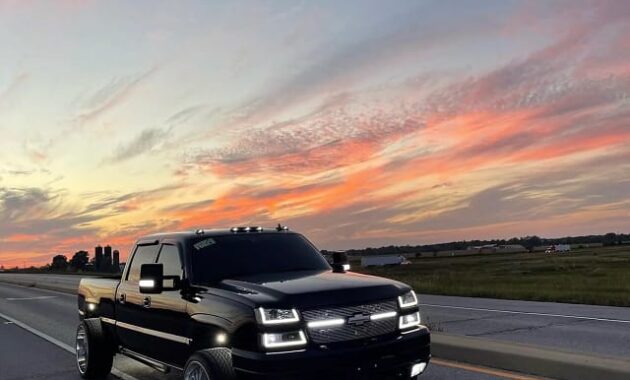
Before hitting the road with your new illumination, be aware of the laws:
- Road Legality: In most regions, auxiliary off-road lights, including grill light bars, are not legal for use on public roads when oncoming traffic is present. They are typically designated for off-road use only. Using them on public roads can result in fines and blinding other drivers.
- Covers: Many jurisdictions require auxiliary lights to be covered when not in use on public roads. Check your local Department of Motor Vehicles (DMV) or traffic laws.
- Aiming: When used off-road, ensure your light bar is aimed properly. A poorly aimed bar can be ineffective or even a hazard.
- Maintenance: Regularly clean the lens with a soft cloth and mild soap. Inspect wiring for wear and tear, and check mounting bolts for tightness.
Potential Challenges & Solutions
- Vibration/Noise: Poor mounting can lead to vibration or a whistling noise at speed. Solution: Use robust mounting brackets, consider rubber dampeners, or reinforce the mounting point.
- Electrical Issues: Flickering or non-functional light bars often stem from poor connections, an undersized fuse, or a faulty relay. Solution: Double-check all wiring connections, ensure proper gauge wire, and verify fuse ratings.
- Grill Obstruction: Some light bars might partially block airflow to the radiator or interfere with front-facing cameras/sensors. Solution: Choose a bar size and mounting location that avoids these issues. Opt for behind-the-grille mounting where possible.
- Theft: Light bars are attractive targets. Solution: Use security bolts or consider mounting the bar in a less accessible location behind the grille.
Practical Advice for the Savvy Buyer
- Match Needs to Output: Don’t just chase the highest lumen count. Consider how you’ll use the light. A combo beam is excellent for general use, while a pure spot beam is for long-distance vision.
- Budget Wisely: Prices vary widely. While budget options exist, investing in a reputable brand often means better durability, light output, and customer support. You generally get what you pay for.
- Professional vs. DIY: If you’re not confident with electrical work or drilling into your truck, a professional installer can ensure a safe and clean installation.
- Research Brands: Look for brands known for quality, such as Rigid Industries, Baja Designs, KC HiLiTES, Auxbeam, or Nilight. Read reviews!
Truck Grill Light Bars: Estimated Price Table
Prices can vary significantly based on brand, quality, features, and length. This table provides a general estimate.
| Type/Size (Approx.) | Lumens (Approx.) | Key Features | Estimated Price Range (USD) | Best For |
|---|---|---|---|---|
| Small (6-12 inches) | 1,000-5,000 | Spot/Flood, IP67, Basic Mounts | $30 – $100 | Accent lighting, smaller vehicles, tight spots |
| Medium (20-30 inches) | 5,000-15,000 | Combo Beam, IP67/IP68, Aluminum Housing, Basic Harness | $80 – $300 | General off-road, work utility, good balance |
| Large (40-50 inches) | 15,000-30,000+ | Combo Beam, IP68, Premium Housing, Advanced Heat Sink | $250 – $800+ | Max visibility, serious off-roading, large trucks |
| Curved (30-50 inches) | 10,000-25,000+ | Combo Beam, IP68, Vehicle-Specific Fit, Wider Spread | $200 – $700+ | Matching vehicle aesthetics, broad illumination |
| Premium Brands | 15,000-40,000+ | Military-Grade, Advanced Optics, Lifetime Warranty | $500 – $1500+ | Extreme performance, professional use, ultimate durability |
Note: Prices do not typically include professional installation costs, which can range from $100-$300+ depending on complexity.
Frequently Asked Questions (FAQ)
Q1: Are truck grill light bars legal for use on public roads?
A1: Generally, no. In most regions, auxiliary off-road lights like grill light bars are illegal to use on public roads, especially when oncoming traffic is present, due to their intense brightness which can blind other drivers. They are intended for off-road use only. Always check your local and state laws.
Q2: How difficult is it to install a grill light bar myself?
A2: For those with basic mechanical and electrical knowledge, it’s a moderately challenging DIY project. The most complex parts are often running the wiring neatly and safely through the firewall and making proper electrical connections. If unsure, professional installation is recommended.
Q3: Will a light bar drain my truck’s battery?
A3: When properly wired with a relay and connected to an ignition-switched power source, a light bar will not drain your battery when the truck is off. If wired directly to a constant battery source and left on, it can drain the battery. LEDs are efficient, but their cumulative draw can still be significant.
Q4: What’s the difference between a spot beam and a flood beam?
A4: A spot beam focuses light into a narrow, long-distance beam, ideal for seeing far ahead. A flood beam spreads light over a wide, shorter area, best for illuminating the immediate surroundings. A combo beam offers a mix of both.
Q5: Do I need a specific type of light bar for my truck model?
A5: While many light bars are universal in their mounting points, some truck models have specific “behind the grille” mounting kits or require specific lengths to fit perfectly without modification. It’s best to research vehicle-specific options for the cleanest fit.
Q6: How do I clean my light bar?
A6: Clean the lens with a soft cloth, mild soap, and water. Avoid abrasive cleaners or harsh chemicals, as they can damage the polycarbonate lens. Periodically check mounting bolts for tightness and inspect wiring for any signs of wear.
Conclusion
Truck grill light bars represent a powerful fusion of functionality and style. They are more than just an accessory; they are a critical upgrade for anyone who values enhanced visibility, improved safety, and an undeniably rugged aesthetic. By understanding the types, features, and installation processes, and adhering to legal guidelines, you can confidently choose and integrate the perfect light bar into your truck, transforming your driving experience and illuminating every path ahead, no matter how dark or challenging. Equip your truck wisely, and light up your adventures.