The Elevated Powerhouse: A Comprehensive Guide to Diesel Lifted Trucks
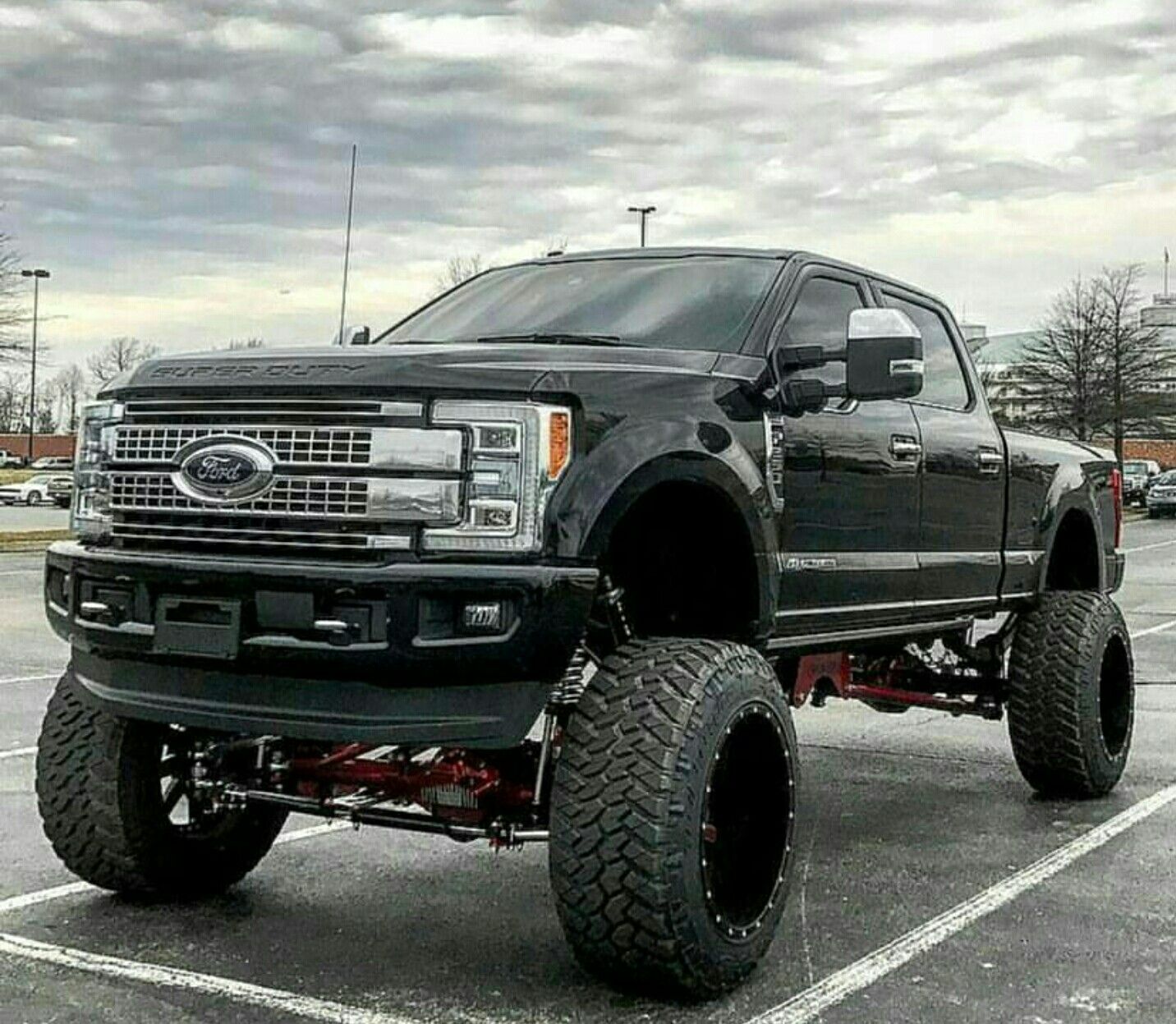
The Elevated Powerhouse: A Comprehensive Guide to Diesel Lifted Trucks
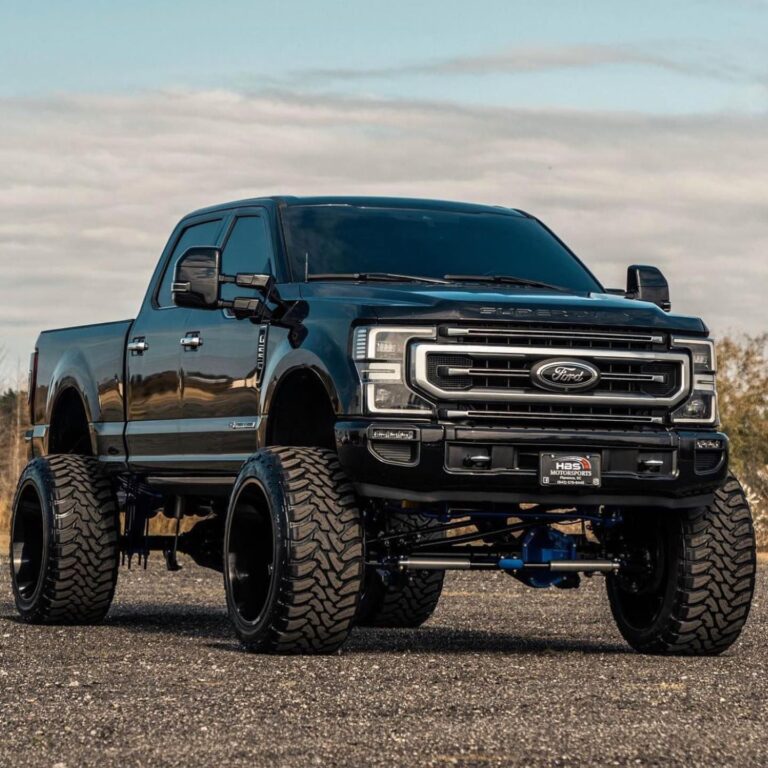
In the world of automotive enthusiasts and heavy-duty workers, few vehicles command as much attention and respect as the diesel lifted truck. These formidable machines are more than just modes of transportation; they are statements of power, capability, and personal style. Combining the immense torque and legendary durability of a diesel engine with the enhanced ground clearance and aggressive stance of a lift kit, diesel lifted trucks represent the pinnacle of utility, off-road prowess, and an undeniably commanding presence on any road or trail.
At its core, a diesel lifted truck is a pickup truck equipped with a robust diesel engine and a modified suspension system that elevates its body and frame higher off the ground. This modification, typically achieved through a "lift kit," allows for larger tires, improved off-road articulation, and a more imposing aesthetic. Their importance stems from their unparalleled versatility: they excel in demanding tasks like heavy towing and hauling, navigate challenging terrain with ease, and provide a unique blend of rugged functionality and head-turning appeal. For those who demand more from their vehicle – more power, more capability, and more presence – the diesel lifted truck stands as an enduring symbol of automotive mastery.
Understanding the Powerhouse: Diesel Engines in Lifted Trucks
The heart of any diesel lifted truck is its engine, and for good reason. Diesel powerplants are renowned for characteristics that make them ideal partners for elevated platforms. Unlike gasoline engines, diesels produce significantly more torque at lower RPMs, providing the brute force needed to turn massive off-road tires and effortlessly tow heavy loads. This inherent strength is crucial when adding the rotational mass of larger tires and altering the vehicle’s center of gravity.
Popular diesel engines like the Cummins (found in Ram trucks), Ford’s Power Stroke, and GM’s Duramax have achieved legendary status for their longevity, reliability, and immense power output. These engines are designed for heavy-duty applications, offering superior fuel efficiency under load compared to their gasoline counterparts, and often boasting a longer lifespan when properly maintained. For a lifted truck, the diesel engine ensures that performance isn’t compromised by the added height and weight, maintaining impressive acceleration, towing capacity, and overall drivability.
The Art of Elevation: What is a Lift Kit?
The "lifted" aspect of these trucks refers to the modification of the vehicle’s suspension or body to increase its ground clearance. This is achieved through the installation of a "lift kit," which is a comprehensive package of components designed to raise the truck’s chassis. Understanding the types of lift kits is crucial for making an informed decision:
- Leveling Kits: These are the simplest form of lift, typically raising only the front of the truck to eliminate the factory "rake" (where the front sits slightly lower than the rear). They offer a minor lift (1-2 inches) and are primarily for aesthetics or to accommodate slightly larger tires.
- Body Lift Kits: These kits raise the truck’s body from its frame using spacers. They are generally less expensive and don’t alter the suspension geometry, meaning ride quality is largely unaffected. However, they don’t increase ground clearance at the axles, and the gap between the frame and body can be visible.
- Suspension Lift Kits: These are the most common and comprehensive kits for significant elevation. They involve replacing or modifying key suspension components such as coil springs, leaf springs, shocks, control arms, and sometimes steering linkages and driveshafts. Suspension lifts genuinely increase ground clearance, improve articulation for off-roading, and allow for much larger tires. They range from moderate (2-4 inches) to extreme (6 inches or more).
Choosing the right lift kit depends on the truck’s intended use, budget, and desired aesthetic. Each type has its benefits and considerations regarding installation complexity, cost, and impact on ride quality and handling.
Why Lift? Benefits and Applications of Diesel Lifted Trucks
The decision to lift a diesel truck is driven by a combination of practical benefits and personal preferences:
- Enhanced Off-Road Capability: The primary advantage of a lifted truck is increased ground clearance. This allows the vehicle to clear obstacles like rocks, logs, and deep ruts without damaging the undercarriage. Larger tires, which are often installed with a lift, provide better traction and flotation on loose or uneven terrain, making challenging trails more accessible.
- Superior Towing and Hauling: While lifting a truck changes its center of gravity, a well-engineered suspension lift can actually enhance towing stability, especially when combined with heavy-duty components. The inherent torque of a diesel engine perfectly complements this, allowing for the effortless pulling of large trailers, boats, or campers, even over varied terrain.
- Commanding Aesthetics and Personal Expression: For many, the imposing stance of a lifted diesel truck is a major draw. It projects an image of ruggedness, power, and adventure. Lifting a truck allows owners to personalize their vehicle, making it stand out from the crowd and reflecting their individual style.
- Improved Visibility: The higher driving position offers a better vantage point of the road and surroundings, which can be advantageous in traffic or when navigating complex environments.
- Utility and Access: For professionals working in construction, forestry, or remote areas, a lifted diesel truck provides the necessary clearance to access difficult job sites and transport heavy equipment or materials.
Navigating the Build: Important Considerations Before Lifting Your Diesel Truck
Lifting a diesel truck is a significant modification that requires careful planning. Here are crucial factors to consider:
- Intended Use: Will the truck be primarily for off-roading, towing, daily driving, or a show truck? This will dictate the appropriate lift height and type of components.
- Lift Height vs. Practicality: While higher lifts look impressive, they can impact daily usability (garage clearance, parking, entry/exit). Consider your needs versus the impracticalities of an excessively high lift.
- Tire Size: Larger tires are usually part of the lifted look, but they affect gearing, fuel economy, and speedometer accuracy. Ensure your chosen tires are compatible with the lift and wheel wells.
- Budget: Lift kits vary widely in price, from a few hundred dollars for leveling kits to several thousand for comprehensive suspension systems. Factor in installation costs, new tires, wheels, and potential ancillary modifications (e.g., re-gearing, driveshaft upgrades, upgraded brakes).
- Legality: Check local and state laws regarding maximum vehicle height, tire protrusion, and fender flare requirements.
- Warranty Implications: Most aftermarket modifications, including lift kits, can potentially void portions of your factory warranty related to affected components.
- Ride Quality & Handling: A lift kit, especially a significant suspension lift, will alter the truck’s center of gravity and suspension geometry. This can affect ride comfort, steering response, and stability, particularly at highway speeds. Investing in quality components helps mitigate negative impacts.
- Maintenance: Lifted trucks, especially those used off-road, require more frequent inspection and maintenance of suspension, steering, and driveline components.
The Lifting Process: A General Guide
While this is not a DIY manual, understanding the general process is helpful:
- Research and Selection: Thoroughly research reputable lift kit manufacturers and choose a kit that aligns with your truck model, budget, and intended use. Read reviews and consult with experienced professionals.
- Professional Installation: For significant suspension lifts, professional installation is highly recommended. It involves complex disassembly, precise reassembly, and often requires specialized tools and expertise to ensure safety and proper functionality. An improperly installed lift can be dangerous and lead to premature wear.
- Post-Installation Alignment: After any suspension modification, a professional wheel alignment is absolutely critical. This ensures proper steering, tire wear, and vehicle tracking.
- Ancillary Modifications: Depending on the lift height and tire size, additional modifications might be necessary:
- Re-gearing: Changing the differential gear ratio compensates for larger tires, restoring lost power and improving fuel economy.
- Driveshaft Upgrades: Higher lifts can alter driveshaft angles, potentially causing vibrations or premature wear. Driveshaft spacers or longer driveshafts might be needed.
- Brake Upgrades: Larger tires and wheels increase stopping distances; upgraded brakes (rotors, calipers, pads) can be a wise investment.
- Fender Flares: To cover wider tires and comply with legal requirements.
Maintaining Your Elevated Beast: Tips for Longevity
Proper maintenance is paramount for ensuring the longevity and safety of your diesel lifted truck:
- Regular Inspections: Frequently inspect all suspension components (shocks, springs, control arms, bushings), steering linkages, and tires for wear, damage, or looseness. Pay extra attention after off-road excursions.
- Tire Care: Maintain correct tire pressure (which might differ from factory specs due to larger tires), and perform regular rotations and balancing to ensure even wear.
- Address Issues Promptly: Don’t ignore unusual noises, vibrations, or changes in handling. These can be indicators of developing problems that need immediate attention.
- Clean Undercarriage: Especially after off-roading, thoroughly clean mud, dirt, and debris from the undercarriage, suspension, and brake components to prevent corrosion and premature wear.
- Fluid Checks: Keep up with regular fluid checks and changes for the engine, transmission, differentials, and transfer case, as these components might experience increased stress.
Challenges and Solutions
While exhilarating, owning a diesel lifted truck comes with its unique set of challenges:
- Decreased Fuel Economy: Larger, heavier tires and increased aerodynamic drag from the lift can significantly reduce MPG.
- Solution: Re-gearing the differentials to match tire size, choosing more fuel-efficient tire designs, regular maintenance, and mindful driving habits.
- Increased Wear and Tear: Suspension and steering components (ball joints, tie rods, CV joints) can experience accelerated wear due to altered geometry and increased stress.
- Solution: Investing in high-quality, heavy-duty aftermarket components, and adhering to a rigorous maintenance schedule.
- Parking and Clearance Issues: Finding parking garages or drive-thrus with sufficient clearance can be a challenge.
- Solution: Measure your truck’s height accurately and be mindful of clearance limits. Some air suspension systems offer adjustable ride height.
- Entry/Exit Difficulty: Getting in and out of a highly lifted truck can be cumbersome.
- Solution: Installing sturdy running boards, side steps, or grab handles.
- Driveshaft Angles and Vibrations: Extreme lifts can cause steep driveshaft angles, leading to vibrations, U-joint failure, or damaged driveshafts.
- Solution: Proper driveshaft correction (e.g., longer driveshafts, double cardan shafts, transfer case drop kits) is essential for higher lifts.
Diesel Lifted Trucks: Estimated Price Table
Please note that prices for diesel lifted trucks and their modifications vary wildly based on the truck’s make, model, year, condition, desired lift height, brand of components, labor rates, and geographic location. The table below provides broad estimates.
| Component/Category | Estimated Price Range (USD) | Notes |
|---|---|---|
| Base Diesel Truck (Used) | $20,000 – $80,000+ | Varies greatly by year, mileage, condition, and model (e.g., F-250, Ram 2500, Silverado 2500HD). Newer models, especially heavily optioned ones, can exceed $80,000 even used. |
| Base Diesel Truck (New) | $60,000 – $100,000+ | Base models start lower, but popular configurations and higher trims quickly push into the upper range. |
| Lift Kit (Parts Only) | ||
| – Leveling Kit (1-2") | $100 – $500 | Simple spacers or torsion bar keys. |
| – Body Lift Kit (1-3") | $200 – $800 | Spacers and hardware. |
| – Suspension Lift Kit (2-4") | $500 – $2,500 | Basic kits with new shocks, springs/spacers. |
| – Suspension Lift Kit (4-6"+) | $1,500 – $5,000+ | Comprehensive kits with new control arms, shocks, springs, brake lines, possibly driveshaft modifications. High-end kits with coil-overs, custom components can be much more. |
| Installation Labor | $500 – $2,000+ | Varies by lift complexity and shop rates. Leveling kits are cheaper; full suspension lifts require significant labor hours. Some extreme lifts can be $3,000+. |
| Tires (Set of 4) | $1,000 – $3,000+ | For larger, aggressive all-terrain or mud-terrain tires. Prices depend heavily on size, brand, and tread pattern. |
| Wheels (Set of 4) | $800 – $3,000+ | Aftermarket wheels are often desired for aesthetics and fitment. Prices vary by size, material, and design. |
| Ancillary Upgrades | ||
| – Re-gearing (Front & Rear) | $1,500 – $3,500+ | Parts and labor for two differentials. Essential for restoring power and efficiency with larger tires. |
| – Upgraded Brakes | $500 – $2,000+ | Larger rotors, calipers, and pads for improved stopping power. |
| – Driveshaft Modifications | $300 – $1,500+ | Spacers, longer shafts, or custom driveshafts if angles become too extreme. |
| – Fender Flares | $200 – $800+ | To cover wider tires and comply with legal requirements. |
| – Running Boards/Steps | $300 – $1,500+ | For easier entry/exit. |
| Total Estimated Cost | $25,000 – $120,000+ | This range includes the base truck and moderate to significant modifications. A new, high-end diesel truck with a full custom lift and all upgrades can easily exceed $100,000. |
Disclaimer: These are rough estimates and should only be used as a guide. Always get detailed quotes from reputable shops and suppliers for accurate pricing.
Frequently Asked Questions (FAQ)
Q: Is it legal to lift my diesel truck?
A: Legality varies significantly by state, county, and even city. Most jurisdictions have laws regarding maximum vehicle height, bumper height, and tire coverage. Always check your local Department of Motor Vehicles (DMV) or equivalent for specific regulations before modifying your truck.
Q: How much does it cost to lift a diesel truck?
A: The cost can range from a few hundred dollars for a basic leveling kit to well over $10,000 for a comprehensive suspension lift, including installation, new tires, and wheels. The total cost, including the truck itself, can be anywhere from $25,000 to over $100,000 for a new, fully modified vehicle.
Q: Does lifting a truck affect fuel economy?
A: Yes, lifting a truck almost always negatively impacts fuel economy. Larger, heavier tires increase rolling resistance, and the increased height creates more aerodynamic drag. Re-gearing can help mitigate some of the losses, but expect a noticeable decrease in MPG.
Q: Will lifting my truck void the warranty?
A: It’s possible. Most manufacturers have clauses regarding aftermarket modifications. While a lift kit won’t necessarily void your entire warranty, it can void the warranty on specific components affected by the lift (e.g., suspension, steering, driveline). It’s best to consult with your dealership before making modifications.
Q: What’s the difference between a body lift and a suspension lift?
A: A body lift raises the truck’s body off its frame using spacers, increasing fender clearance for larger tires but not improving ground clearance at the axles. A suspension lift replaces or modifies suspension components to raise the entire chassis, increasing both fender and axle ground clearance, and improving off-road articulation.
Q: Do I need new tires and wheels after lifting?
A: For significant lifts (3 inches or more), new, larger tires are almost always required to fill the wheel wells and achieve the desired aesthetic and off-road performance. New wheels might also be necessary to accommodate wider tires or to achieve a specific offset/backspacing.
Q: How does lifting affect towing capacity?
A: A properly installed suspension lift generally does not reduce the truck’s advertised towing capacity, especially with a diesel engine’s inherent power. However, a higher center of gravity can affect towing stability, particularly with heavy or poorly balanced trailers. It’s crucial to ensure your lift kit is designed for towing and to always adhere to your truck’s Gross Vehicle Weight Rating (GVWR) and Gross Combined Weight Rating (GCWR).
Conclusion
Diesel lifted trucks embody a unique blend of raw power, rugged utility, and unmistakable style. They stand as testaments to engineering prowess and personal expression, offering unparalleled capability for those who demand more from their vehicles, whether tackling the toughest trails, hauling the heaviest loads, or simply making a bold statement on the road.
However, the journey to owning and maintaining such a formidable machine requires thoughtful consideration, meticulous planning, and ongoing commitment to maintenance. By understanding the intricacies of diesel engines, the mechanics of lift kits, and the crucial considerations involved, enthusiasts can confidently build and enjoy a vehicle that truly stands above the rest. The diesel lifted truck isn’t just a vehicle; it’s a lifestyle, a tool, and a symbol of robust freedom on four elevated wheels.
Learn more about diesel lifted trucks here (Please note: This is a placeholder link, as I cannot create live external links.)