The 10ft U-Haul: Your Essential Guide to Small-Scale Moves
The 10ft U-Haul: Your Essential Guide to Small-Scale Moves. Moving can often feel like a monumental task, but for those tackling smaller apartments, dorm rooms, or just decluttering, the process doesn’t have to be overwhelming. Enter the 10ft U-Haul truck – a remarkably versatile and user-friendly solution designed specifically for these lighter loads. More than just a rental vehicle, the 10ft U-Haul represents freedom and efficiency for individuals and small families looking to transport their belongings without the hassle or expense of larger trucks or professional movers. This comprehensive guide will delve into everything you need to know about the 10ft U-Haul, from its specifications and benefits to practical tips, pricing, and frequently asked questions, ensuring your next small move is as smooth as possible.
Understanding the 10ft U-Haul: Specifications and Features
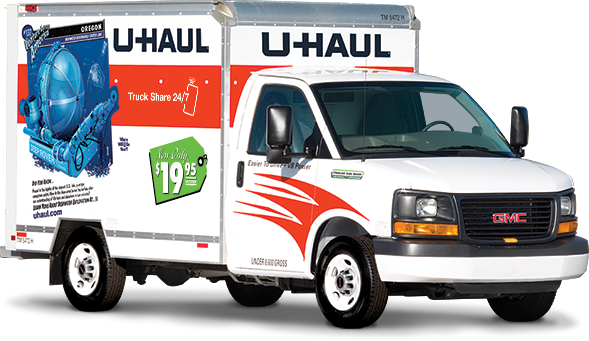
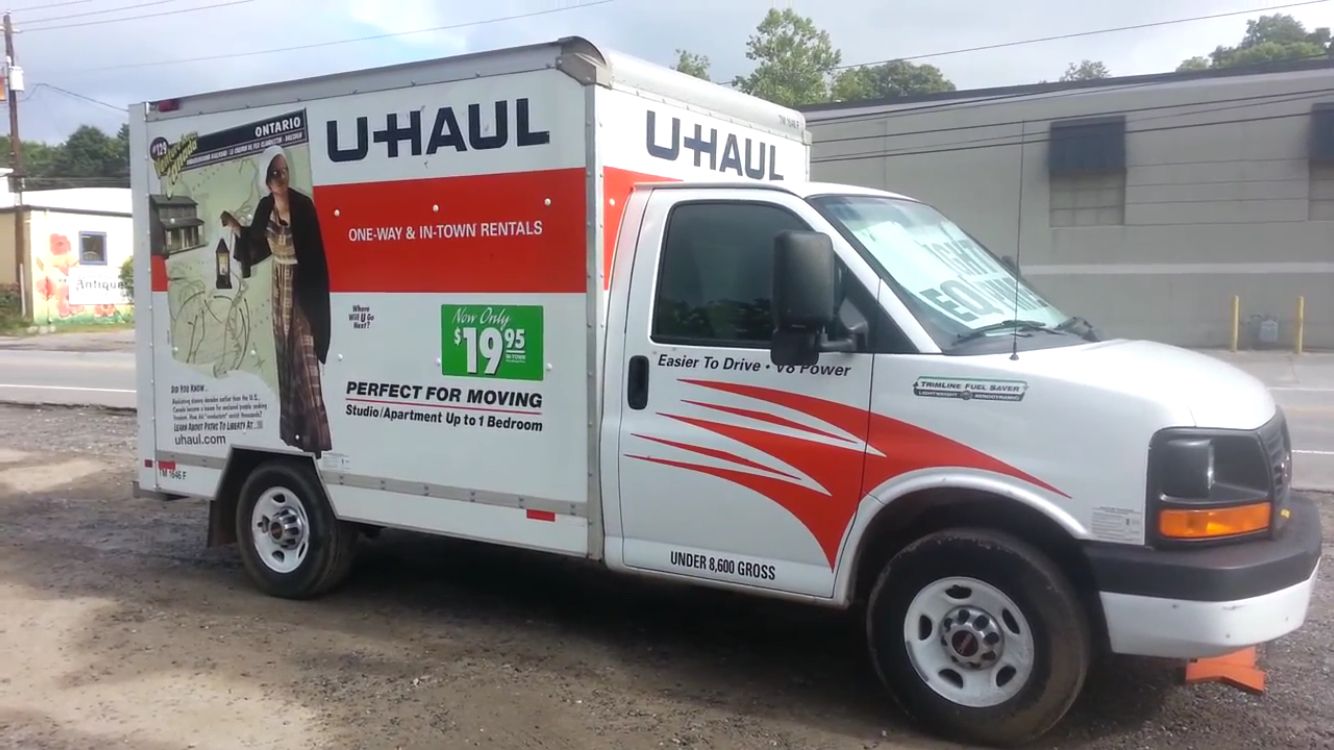
The 10ft U-Haul truck is the smallest box truck in U-Haul’s fleet, making it an ideal choice for localized moves and lighter hauls. Its compact size belies a surprisingly spacious interior, engineered to maximize usable cargo volume while remaining easy to drive.
Key Specifications:
- Box Dimensions (LxWxH): Approximately 9’11” x 6’2″ x 6’2″ (inside measurements). This translates to roughly 390 cubic feet of loading space.
- Deck Height: A low deck height makes loading and unloading considerably easier, reducing strain and effort.
- Payload Capacity: Typically around 2,800 lbs, sufficient for the contents of a studio apartment, a small one-bedroom apartment, or a college dorm.
- Fuel Tank Capacity: Approximately 31 gallons, providing a decent range for local and some short-distance moves.
- Fuel Type: Standard unleaded gasoline.
- Transmission: Automatic, making it accessible even to those unfamiliar with driving larger vehicles.
- Seating: Bench seating for two adults.
- Features Such as Power steering, anti-lock brakes, and air conditioning often contribute to a comfortable and safe driving experience. Many models also feature a low loading deck and a convenient EZ-Load ramp for easy access to the cargo area.
These specifications highlight its suitability for tasks such as moving student housing, a small apartment, transporting furniture and appliances, or even making large deliveries for a small business.
The Unbeatable Benefits of Choosing a 10ft U-Haul
Opting for the 10ft U-Haul truck comes with a host of advantages that make it a top choice for specific moving scenarios.
- Perfect for Small Moves: This truck is perfectly sized for studio apartments, dorm rooms, one-bedroom apartments, or clearing out a garage. It eliminates the need to rent a larger, more expensive truck than you actually need.
- Cost-Effective: Generally the most affordable truck rental option from U-Haul, it helps keep moving expenses down, especially when combined with its relatively decent fuel efficiency for a truck of its class.
- Easy to Drive: Its compact footprint means it handles much like a large SUV or pickup truck, rather than a cumbersome commercial vehicle. This makes navigating city streets, parking lots, and even residential areas significantly less stressful for drivers accustomed to passenger cars.
- Fuel Efficiency: While not a sedan, the 10ft U-Haul offers better gas mileage than its larger counterparts, saving you money on fuel, particularly for local moves.
- Convenient Features: The low deck and optional EZ-Load ramp are game-changers, simplifying the often-arduous task of loading heavy boxes and furniture.
- Accessibility: With automatic transmission and standard vehicle controls, almost any licensed driver can operate it without special training or licenses.
Renting and Using Your 10ft U-Haul: A Practical Guide
Renting and using a 10ft U-Haul is a straightforward process, but a few key steps and tips can make it even smoother.
1. The Reservation Process
- Online: The easiest way to reserve is through the official U-Haul website. You can select your pickup and return locations, dates, and desired truck size.
- Phone: Call U-Haul directly or a local U-Haul dealer.
- In-Person: Visit a U-Haul location to make a reservation.
- Flexibility: Be flexible with your pickup times and dates if possible, especially during peak moving seasons (end of month, summer, holidays) to ensure availability.
2. Picking Up Your Truck
- Required Documents: Bring your valid driver’s license (must be 18+ to rent) and the credit card used for the reservation.
- Inspection: Before driving off, thoroughly inspect the truck for any existing damage (scratches, dents, dings). Document any damage with photos or video and ensure it’s noted on your rental agreement to avoid being held responsible later.
- Familiarization: Take a moment to adjust mirrors, locate controls (headlights, wipers, AC), and get a feel for the truck’s dimensions. Check the fuel level – you’ll typically receive it with a quarter tank or more and are expected to return it with the same amount.
3. Loading Your Belongings
- Weight Distribution: Load heavier items towards the front of the truck (closest to the cab) and in the center. This helps with stability and prevents swaying.
- Secure Everything: Use moving blankets to protect furniture from scratches and tie-downs or rope to secure items, preventing shifting during transit. U-Haul trucks usually have rub rails for securing items.
- Utilize Space: Pack boxes tightly, filling gaps with smaller items or blankets to prevent movement. Disassemble furniture where possible.
- Ramp Usage: If your truck has an EZ-Load ramp, use it for heavy or bulky items. Always walk backward down the ramp while guiding heavy objects for better control.
4. Driving Considerations
- Speed: Drive slower than you normally would, especially when turning or on highways. Remember, you’re driving a heavier, taller, and longer vehicle.
- Braking: Allow for increased braking distance.
- Turns: Make wider turns than you would in a car to account for the truck’s length.
- Overhead Clearance: Be mindful of the truck’s height (approximately 9-10 feet with the box) when approaching low bridges, drive-thrus, or parking garages.
- Parking: Park in well-lit areas. Backing up can be challenging, so use a spotter if available.
5. Returning Your Truck
- Fuel Up: Return the truck with the same amount of fuel it had when you picked it up to avoid refueling charges.
- Clean Out: Remove all your belongings and any trash.
- Final Inspection: Do a quick check for forgotten items and note the odometer reading and fuel level.
- Key Drop-off: Follow the specific return instructions for your location, which may include an after-hours key drop box.
Important Considerations for Your 10ft U-Haul Move
Beyond the basic process, several factors can significantly impact your moving experience.
- Fuel Costs: While more efficient than larger trucks, fuel can still be a significant expense. Plan your route to minimize mileage. U-Haul trucks often get around 10-12 miles per gallon.
- Insurance Options: U-Haul offers various coverage options like Safemove® and Safemove Plus®. While your personal auto insurance might offer some coverage, it’s crucial to check with your provider. U-Haul’s options cover damage to the rental truck and potentially your cargo, providing peace of mind.
- Additional Equipment: Consider renting dollies (utility or appliance), furniture pads, and tie-down straps from U-Haul. These can make loading and unloading much safer and easier.
- Licensing: A standard driver’s license is all you need to drive a 10ft U-Haul in the U.S. and Canada. No special commercial driver’s license (CDL) is required.
Tips for a Smooth and Stress-Free 10ft U-Haul Move
- Pack Smart: Use uniform box sizes for easier stacking. Label boxes clearly with contents and room destinations.
- Declutter Before Packing: The less you move, the less you pay in time, effort, and potentially fuel.
- Measure Everything: Measure large furniture items and doorways at both your old and new locations to avoid surprises.
- Plan Your Route: Use a GPS or mapping app to plan the most efficient route, considering potential traffic and avoiding narrow streets or low clearances.
- Check Tire Pressure and Fluids: While U-Haul maintains their vehicles, a quick visual check of tires and fluid levels before you leave is always a good idea.
- Get Help: Even for a small move, an extra set of hands can make a huge difference, especially with heavy items.
- Pack an Essentials Box: Include items you’ll need immediately upon arrival, like toiletries, a change of clothes, basic tools, and snacks.
Potential Challenges and Solutions
Even with careful planning, challenges can arise.
- Underestimating Space: A common mistake is thinking the 10ft truck is bigger than it is. Solution: Create a detailed inventory of your belongings to accurately assess cubic footage needed. If in doubt, it’s safer to go a size up or plan for a second trip for local moves.
- High Fuel Costs: For longer distances, fuel can add up. Solution: Pack lighter, plan efficient routes, and consider carpooling if possible to reduce overall fuel consumption.
- Driving Anxiety: Some people are nervous about driving a larger vehicle. Solution: Take a short practice drive around the block before loading. Drive cautiously, allow extra time, and remember that most drivers are understanding of rental trucks.
- Damaged Belongings: Items can shift and break during transit. Solution: Use plenty of moving blankets, bubble wrap, and secure everything tightly with tie-downs.
10ft U-Haul Pricing Table (Estimated)
Note: Prices are highly variable based on location, demand, time of year, duration of rental, and specific U-Haul dealer. The following table provides estimated ranges and common fees. Always get a personalized quote from U-Haul.
| Item/Service | Local Move (Estimated Daily Rate) | One-Way Move (Estimated Base Rate) | Notes |
|---|---|---|---|
| Truck Rental (Base) | $19.95 – $39.95 | $120 – $350+ | Daily rate + mileage for local. One-way includes mileage/days. |
| Mileage Fee | $0.59 – $0.99 per mile | Included in One-Way Base Rate | Applicable for local rentals. |
| Environmental Fee | $1.00 – $5.00 | $1.00 – $5.00 | Mandatory U-Haul fee. |
| Insurance (Safemove) | $14.00 – $25.00 (per day) | $40.00 – $70.00 (approx. per rental) | Covers damage to truck, cargo. Varies by plan. |
| Insurance (Safemove Plus) | $25.00 – $40.00 (per day) | $70.00 – $120.00 (approx. per rental) | Enhanced coverage, includes supplemental liability. |
| Appliance Dolly | $7.00 – $10.00 (per day) | $15.00 – $25.00 (approx. per rental) | Essential for heavy appliances/boxes. |
| Utility Dolly | $6.00 – $9.00 (per day) | $10.00 – $20.00 (approx. per rental) | For stacks of boxes. |
| Furniture Pads | $5.00 – $10.00 (dozen, per day) | $15.00 – $25.00 (dozen, per rental) | Protects furniture from scratches. |
| Fuel Costs | Varies (10-12 MPG) | Varies (10-12 MPG) | You return with same fuel level. Estimate based on distance & gas prices. |
| Late Return Fee | Varies | Varies | Typically daily rate + penalty. |
| Cleaning Fee | $25.00 – $50.00+ | $25.00 – $50.00+ | If truck is returned excessively dirty. |
For an accurate and personalized quote, always visit the official U-Haul website: U-Haul Official Website
Frequently Asked Questions (FAQ) about the 10ft U-Haul
Q: Do I need a special driver’s license to drive a 10ft U-Haul?
A: No, a standard driver’s license (Class D in most US states) is sufficient. You must be at least 18 years old to rent.
Q: How much gas does a 10ft U-Haul use? What’s its gas mileage?
A: The 10ft U-Haul typically gets around 10-12 miles per gallon (MPG). This can vary based on load, terrain, and driving habits.
Q: Can I tow a car with a 10ft U-Haul truck?
A: No, the 10ft U-Haul is not equipped for towing. If you need to tow a vehicle, you’ll need to rent a larger U-Haul truck (15ft or larger) that is specifically designed for towing.
Q: How much can a 10ft U-Haul truck hold?
A: It can hold roughly 390 cubic feet of cargo, which is generally enough for the contents of a studio apartment, a small one-bedroom apartment, or a dorm room. This includes a queen-size bed, a dresser, a small sofa, and several boxes.
Q: What if I return the truck late?
A: U-Haul typically charges a late fee, often equivalent to an additional daily rental charge plus potential penalties. It’s best to contact U-Haul immediately if you anticipate being late.
Q: Is the 10ft U-Haul difficult to drive?
A: Most drivers find it relatively easy to drive. It handles much like a large SUV or pickup truck. Power steering, automatic transmission, and anti-lock brakes make it manageable, though you should always account for its larger size and weight.
Q: Does the 10ft U-Haul have a ramp?
A: Yes, most 10ft U-Haul trucks come equipped with an EZ-Load ramp, making it much easier to load and unload heavy items.
Conclusion
The 10ft U-Haul truck stands as an indispensable tool for anyone facing a small-scale move. Its blend of compact dimensions, surprising cargo capacity, ease of operation, and cost-effectiveness makes it the go-to choice for countless individuals transitioning between apartments, heading to college, or simply needing to transport furniture and appliances. By understanding its features, planning meticulously, and following the practical advice outlined in this guide, you can leverage the 10ft U-Haul to ensure your next move is not just manageable, but remarkably smooth and efficient. It’s more than just a truck; it’s your partner in making small moves a big success.