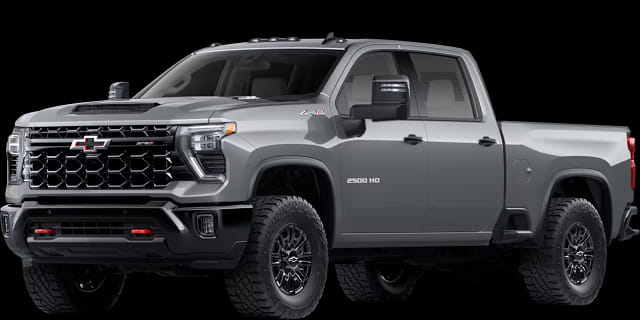
Strobe Lights for Truck Grill: Illuminating Your Journey with Safety and Style

Strobe Lights for Truck Grill: Illuminating Your Journey with Safety and Style
In the vast world of truck accessories, few additions offer the potent combination of enhanced safety, increased visibility, and striking aesthetic appeal quite like strobe lights mounted on the truck grill. Far more than just a flashy adornment, these specialized lighting systems serve a critical role for many truck owners, from professional contractors and roadside assistance crews to off-road enthusiasts and everyday drivers navigating challenging conditions. This comprehensive guide will delve into every aspect of strobe lights for truck grills, helping you understand their purpose, benefits, types, installation, and crucial legal considerations.
What Are Strobe Lights and Why on a Truck Grill?
Strobe lights, at their core, are high-intensity lamps designed to produce rapid, repetitive flashes of light. Unlike steady-burning lights, their pulsating nature is incredibly effective at grabbing attention, even from a distance or in low-visibility environments. This unique characteristic makes them invaluable for warning, signaling, and identification purposes.
Placing strobe lights on a truck grill is a strategic choice for several reasons:
- Optimal Visibility: The grill is typically at the front and center of the vehicle, offering an unobstructed line of sight for oncoming traffic or those ahead. This prime location ensures maximum impact of the flashing lights.
- Protection: The grill area often provides natural protection for the lights from direct impacts, while also allowing for secure mounting.
- Aesthetic Integration: Modern strobe lights are designed to be sleek and compact, integrating seamlessly into the truck’s front end without looking bulky or out of place.
Whether you’re plowing snow, responding to a roadside emergency, navigating a dusty construction site, or simply want to enhance your truck’s presence, grill-mounted strobe lights are an effective solution.
Benefits of Installing Strobe Lights on Your Truck Grill
The advantages of equipping your truck with grill-mounted strobe lights extend beyond mere aesthetics:
- Enhanced Safety: This is arguably the primary benefit. In adverse weather conditions like heavy rain, fog, snow, or dust storms, strobes significantly increase your truck’s visibility to other drivers, reducing the risk of collisions. They are also crucial for roadside stops, alerting passing vehicles to your presence.
- Increased Awareness for Other Drivers: The human eye is naturally drawn to flashing lights. Strobe lights act as a powerful visual cue, prompting other drivers to exercise caution, slow down, and be aware of your vehicle’s position, especially in complex traffic situations or work zones.
- Utility in Work Environments: For utility vehicles, tow trucks, construction vehicles, and emergency responders (where legally permissible), strobes are indispensable for marking a work area, warning approaching vehicles of hazards, or indicating a stopped vehicle.
- Off-Road and Trail Visibility: When navigating dusty trails or operating in remote areas, strobes can help fellow off-roaders track your position, especially in group convoys.
- Vehicle Identification: Certain colors and flash patterns can help quickly identify your vehicle as a specific type (e.g., a service vehicle, pilot car, or personal truck with enhanced safety features).
- Aesthetic Appeal: Beyond their functional benefits, modern LED strobe lights can add a rugged, professional, or customized look to your truck, enhancing its overall appeal.
Types of Strobe Lights for Truck Grills
Strobe lights for truck grills come in various forms, each with distinct characteristics:
- LED Strobe Lights:
- Pros: Highly energy-efficient, long lifespan (tens of thousands of hours), extremely durable (no fragile filaments), compact size, wide range of color options, versatile flash patterns, instant on/off. They are the most popular choice today due.
- Cons: Can be more expensive upfront than traditional xenon, but their longevity and low power draw often offset this cost.
- Xenon Strobe Lights (Strobe Tubes):
- Pros: Produce a very intense, bright flash, often perceived as more "classic" emergency vehicle lighting.
- Cons: Higher power consumption, shorter lifespan compared to LEDs, more fragile (glass tube), slower flash recovery rate, less versatile in terms of flash patterns. Less common for new installations on grills due to LED dominance.
By Color:
- Amber/Yellow: Most commonly used for warning, construction, utility, and roadside assistance vehicles. Generally the most widely permissible color for private use.
- White/Clear: Often used as a scene light or auxiliary warning light, sometimes combined with other colors. Also widely permissible.
- Red & Blue: Crucially, these colors are almost exclusively reserved for authorized emergency vehicles (police, fire, EMS). Using them on a private vehicle can lead to severe legal penalties. Always check local laws.
- Green: Sometimes used for specific volunteer emergency personnel or certain utility vehicles in some jurisdictions.
By Flash Pattern:
Modern strobe controllers offer a multitude of flash patterns (e.g., single flash, double flash, quad flash, alternating, random, steady burn). The ability to change patterns can be beneficial for different situations and legal requirements.
Key Features to Look for When Choosing Strobe Lights
Selecting the right strobe lights for your truck grill involves considering several key features to ensure performance, durability, and compliance:
- Brightness (Lumens/Candela): Higher lumens or candela ratings indicate brighter lights. Consider your primary use case – extreme conditions require higher output.
- Durability and Weather Resistance (IP Rating): Look for an IP (Ingress Protection) rating. IP67 or IP68 indicates excellent resistance to dust and water submersion, crucial for grill mounting where lights are exposed to the elements.
- Power Consumption: LEDs are generally very low-draw, which is important for your vehicle’s electrical system, especially if running multiple lights.
- Flash Patterns: Ensure the lights offer multiple flash patterns and a memory function to recall the last used pattern. Some systems allow for synchronization between multiple light heads.
- Mounting Options: Lights should come with robust mounting brackets suitable for grill installation (e.g., L-brackets, surface mounts, flush mounts).
- Wire Length and Gauge: Adequate wire length is necessary for routing to the power source and controller. Proper wire gauge prevents overheating.
- Controller/Switch System: A user-friendly control box or switch panel is essential for easy operation and pattern selection.
- Certifications: Look for SAE J595 or ECE R65 certifications, which indicate the lights meet specific performance and safety standards for warning lights.
- Warranty: A good warranty indicates manufacturer confidence in their product.
Installation Guide: How to Mount Strobe Lights on Your Truck Grill
Installing strobe lights on your truck grill can be a rewarding DIY project, but it requires careful planning and execution. If you’re unsure, professional installation is always recommended.
Tools and Materials You’ll Need:
- Strobe light kit (lights, control box, wiring harness)
- Basic hand tools (screwdrivers, wrenches, wire strippers, crimpers)
- Drill and drill bits (if mounting directly to the grill)
- Electrical tape, heat shrink tubing, zip ties
- Multimeter (for testing circuits)
- Safety glasses and gloves
Step-by-Step Installation:
- Plan Your Placement:
- Determine the optimal location on your grill for maximum visibility and aesthetic appeal. Consider symmetry and avoid blocking airflow to the radiator.
- Map out where the wires will run to the engine bay and eventually to the cabin for the switch.
- Disconnect the Battery: Crucial safety step! Disconnect the negative terminal of your truck’s battery to prevent accidental shorts.
- Mount the Strobe Heads:
- Securely attach the individual strobe light heads to your grill using the provided brackets and hardware. Ensure they are firmly mounted and angled correctly for optimal light projection. You may need to drill small pilot holes.
- Route the wires from each light head neatly, tucking them behind the grill and away from hot or moving parts.
- Mount the Control Box:
- Find a secure, dry location in the engine bay for the strobe light control box. Ensure it’s easily accessible but protected from extreme heat and moisture.
- Mount it firmly using screws or heavy-duty zip ties.
- Wire the Light Heads to the Control Box:
- Connect the wires from each strobe head to the corresponding ports on the control box, following the manufacturer’s wiring diagram. Pay close attention to positive and negative connections.
- Wire the Control Box to Power:
- Power (Positive): Connect the main power wire from the control box to a fused 12V constant power source (e.g., directly to the battery’s positive terminal via an in-line fuse, or a dedicated fuse box terminal). Use the recommended fuse size.
- Ground (Negative): Connect the ground wire from the control box to a clean, unpainted metal surface on the truck’s chassis or directly to the battery’s negative terminal.
- Install the Control Switch:
- Route the switch wire(s) from the control box through the firewall into the truck’s cabin. Use a rubber grommet to protect the wire where it passes through the firewall.
- Mount the control switch in an easily accessible location on your dashboard or console.
- Wire the switch according to the manufacturer’s instructions (typically connecting to the control box and a switched 12V power source, or directly to the control box if it handles power internally).
- Test the System:
- Reconnect the truck’s battery.
- Turn on the strobe lights using the newly installed switch. Cycle through the flash patterns to ensure everything is working correctly.
- Check all connections for looseness and ensure wires are tucked away safely.
- Final Touches: Secure all wiring with zip ties to prevent chafing or sagging. Double-check all mounting points.
Legal Considerations for Strobe Lights
This is the most critical section. The legality of using strobe lights on your truck, especially regarding color and usage, varies significantly by state, province, and even local municipality. Ignorance of the law is not an excuse, and improper use can result in fines, vehicle impoundment, or even criminal charges.
General Guidelines (Always Verify Local Laws!):
- Amber/Yellow and White: These colors are generally the most widely permitted for private, commercial, and utility vehicles for warning and safety purposes. They are often allowed for roadside assistance, construction, pilot vehicles, or personal vehicles enhancing visibility.
- Red and Blue: These colors are almost universally restricted to authorized emergency vehicles only (police, fire, ambulance). Using them on a private vehicle, even in an emergency, is typically illegal and can be perceived as impersonating an emergency responder.
- Green: Some jurisdictions permit green lights for specific volunteer emergency personnel (e.g., volunteer firefighters) or certain private security/utility vehicles.
- Usage Restrictions: Even if the color is legal, there might be restrictions on when and where you can use the strobes. For example, they might only be permitted when stopped or moving slowly in a hazardous situation, not while driving at normal speeds on public roads.
- Flash Pattern and Brightness: Some laws might regulate the maximum brightness or specific flash patterns to prevent blinding other drivers.
Before purchasing or installing any strobe lights, consult your local Department of Motor Vehicles (DMV), state highway patrol, or local police department for specific regulations in your area. It’s better to be safe and compliant than face legal repercussions.
Maintenance and Troubleshooting
Strobe lights, particularly LEDs, are generally low-maintenance. However, occasional checks can prolong their lifespan:
- Cleaning: Periodically clean the lenses with a soft cloth and mild soap to remove dirt, dust, and road grime that can obscure light output.
- Wiring Inspection: Check all wiring connections for corrosion, fraying, or looseness. Ensure zip ties are intact and wires are not rubbing against sharp edges.
- Mounting Hardware: Verify that all mounting screws and bolts are tight. Vibration can loosen them over time.
- Flickering or Intermittent Operation:
- Check all wiring connections, especially ground points. A poor ground connection is a common culprit.
- Inspect the fuse for the strobe system.
- Test the voltage at the control box to ensure adequate power supply.
- If individual light heads are failing, they may need replacement.
- Lights Not Turning On:
- Check the fuse.
- Verify the switch is functioning correctly.
- Ensure all power and ground connections are secure.
Tips for Optimal Performance and Safety
- Strategic Placement: Don’t just place lights randomly. Consider where they will be most visible to other drivers without blinding them. Symmetrical placement often looks best.
- Aiming: Ensure lights are aimed slightly forward or outward, not directly into oncoming traffic, especially if they are very bright.
- Proper Wiring: Always use appropriate wire gauge for the current draw, use fuses as recommended by the manufacturer, and ensure all connections are watertight and secure.
- Understand Flash Patterns: Choose flash patterns appropriate for the situation. A slower, more deliberate flash might be better for a stationary warning, while a faster pattern might be more attention-grabbing when approaching a scene.
- Responsible Use: Only activate your strobe lights when necessary for safety or legal purposes. Overuse can desensitize other drivers and may even be illegal.
- Regular Checks: Before heading out for a long trip or into a work zone, quickly check that all your strobe lights are functioning correctly.
Strobe Lights for Truck Grill: Estimated Price Table
| Product Category | Key Features | Estimated Price Range (USD) | Best Use Case |
|---|---|---|---|
| Basic LED Mini Strobes | 2-4 small LED heads, simple control box, limited flash patterns, IP65 rating, basic mounting brackets. Often amber/white. | $30 – $70 | Light duty warning, personal vehicle visibility enhancement, budget-conscious buyers. |
| Mid-Range LED Grille Kits | 4-8 brighter LED heads, multiple flash patterns (10-20), memory function, IP67 rating, durable aluminum housing, more robust wiring harness, compact control box. | $80 – $200 | Commercial vehicles, roadside assistance, pilot cars, moderate off-road use, enhanced safety for daily drivers. |
| Professional Grade LED Modules | 6-12 high-intensity LED heads, advanced multi-mode controllers (20+ patterns, sync capability), IP68 rating, heavy-duty construction, extreme brightness (SAE certified). | $250 – $600+ | Heavy-duty commercial, utility fleets, construction, emergency support vehicles, professional applications. |
| Integrated Grille Light Bars | Single, sleek light bar designed to fit into or behind the grill, containing multiple LED modules, often with advanced flash patterns and color options. | $150 – $500+ | Stealth installation, clean look, high-performance warning for professional or enthusiast use. |
| Xenon Strobe Kits | 2-4 xenon tube heads, high-voltage power supply, very intense flash, limited pattern options, less durable than LED. | $70 – $180 | Niche applications where extreme, short-burst intensity is preferred, or for a classic look. |
Note: Prices are estimates and can vary based on brand, specific features, retailer, and regional availability.
Frequently Asked Questions (FAQ)
Q1: Are strobe lights for truck grills legal for private vehicles?
A1: It depends heavily on your local laws (state, province, and municipality). While amber/yellow and white strobes are often permitted for warning/safety purposes, red and blue lights are almost universally restricted to authorized emergency vehicles only. Always check with your local DMV or law enforcement before purchasing or installing.
Q2: How bright should my strobe lights be?
A2: The ideal brightness depends on your primary use. For general enhanced visibility, mid-range brightness is sufficient. For commercial work, roadside assistance, or extreme weather conditions, higher candela/lumen ratings are recommended for maximum impact. Ensure they don’t blind other drivers.
Q3: Can I install strobe lights myself, or do I need a professional?
A3: Many DIY enthusiasts with basic electrical knowledge can install them. Kits come with instructions, and online tutorials are abundant. However, if you’re uncomfortable with wiring or drilling, professional installation ensures safety, proper function, and adherence to electrical best practices.
Q4: Do strobe lights drain the truck’s battery?
A4: Modern LED strobe lights are very energy-efficient and draw minimal power, especially when compared to older xenon models. If properly wired to a constant 12V source, they should not significantly drain your battery unless left on for extended periods with the engine off. Wiring them to a switched ignition source is often preferred to prevent accidental battery drain.
Q5: What’s the difference between an IP67 and IP68 rating?
A5: Both indicate excellent dust and water resistance. IP67 means the light is protected from dust and can withstand temporary immersion in water (up to 1 meter for 30 minutes). IP68 offers even better protection, allowing for continuous immersion in water beyond 1 meter, making it ideal for highly exposed mounting locations.
Q6: Can I use different color strobe lights on my truck?
A6: As discussed, color legality is very strict. While some kits offer multi-color options, you are legally restricted to using only the colors permitted for your vehicle type and intended use in your jurisdiction. Misuse of colors like red or blue can lead to severe penalties.
Conclusion
Strobe lights for truck grills are a powerful and practical upgrade, offering a significant boost in safety, visibility, and even a touch of personalized style. From navigating hazardous work sites to simply ensuring your presence is known on the road during inclement weather, these versatile lights provide an invaluable layer of protection. By understanding the different types, key features, proper installation techniques, and, most importantly, the crucial legal considerations, you can confidently choose and deploy a strobe lighting system that meets your needs and enhances your truck’s capabilities. Always prioritize safety and legal compliance to ensure your illuminated journey is a responsible and beneficial one.