Strobe Lights for Tow Trucks: An Essential Guide to Visibility and Safety
Strobe Lights for Tow Trucks: An Essential Guide to Visibility and Safety. In the demanding world of roadside assistance and vehicle recovery, a tow truck isn’t just a vehicle; it’s a mobile safety beacon.
At the heart of its ability to protect its operator, the public, and the scene of an incident are its warning lights, particularly strobe lights.
These powerful, flashing lights are far more than just an accessory; they are a critical safety feature, signaling the truck’s presence, alerting oncoming traffic, and creating a visible safety zone around often dangerous roadside operations.
This comprehensive guide explores every aspect of strobe lights for tow trucks, from their fundamental importance to the intricacies of selection, installation, and maintenance, enabling tow truck operators to make informed decisions that enhance safety and compliance.
If you’re unsure whether a warning light indicates a serious issue, it’s best to understand dashboard alerts in general first.
👉 Start with our complete guide: What is the Red Light on My Dashboard to learn what different warning lights mean and when to take action.
If your tow truck displays dashboard warnings alongside lighting issues, the problem may involve vehicle diagnostics.
👉 See our guide on SVS Light on a Hino Truck to understand how system alerts work in heavy-duty vehicles from Hino.
The Unwavering Beacon: Understanding Strobe Lights for Tow Trucks
Strobe lights, in the context of tow trucks, refer to high-intensity flashing lights designed to capture immediate attention. Traditionally, these utilized Xenon gas discharge tubes, producing very bright, short flashes of light. However, modern technology has largely shifted towards Light Emitting Diode (LED) strobes. LED technology offers superior energy efficiency, longer lifespans, greater durability, and a wider array of customizable flash patterns, making them the preferred choice for today’s tow truck fleets.
The primary purpose of these lights is multi-fold:
- Alerting Traffic: Warning approaching drivers of a potential hazard ahead, allowing them to slow down and move over.
- Defining a Work Zone: Clearly marking the area where the tow truck is operating is especially crucial during low-light conditions or inclement weather.
- Protecting Personnel: Providing a visible barrier that enhances the safety of the tow truck operator and any emergency personnel or stranded motorists at the scene.
- Legal Compliance: Adhering to state and local regulations that mandate specific warning lights for roadside assistance vehicles.
Beyond Visibility: The Multifaceted Benefits
Investing in high-quality strobe lights yields significant advantages that extend beyond mere illumination:
- Enhanced Safety for All: This is the paramount benefit. Bright, strategically placed strobes drastically reduce the risk of rear-end collisions or side-swipes by making the tow truck impossible to ignore, thereby protecting the operator, the disabled vehicle’s occupants, and passing motorists.
- Increased Operational Efficiency: With a clearly marked scene, traffic can be managed more effectively, allowing the tow truck operator to perform their duties more quickly and safely, reducing the time spent in dangerous roadside environments.
- Legal Compliance and Reduced Liability: Adhering to lighting regulations is not just good practice; it’s often a legal requirement. Proper lighting helps avoid citations and can mitigate liability in the unfortunate event of an accident.
- Professional Image: A well-equipped tow truck with clear, bright, and properly functioning warning lights projects professionalism and a commitment to safety, enhancing the company’s reputation.
- Versatility in Conditions: Modern LED strobes are designed to cut through fog, rain, snow, and even bright daylight, ensuring visibility regardless of weather conditions or time of day.
Navigating the Options: Types of Strobe Lights for Tow Trucks
The market offers a diverse range of strobe lights, each suited for different mounting locations and operational needs. Understanding these types is crucial for making the right choice:
- Light Source:
- LED Strobes: Dominant in today’s market due to their low power draw, extended lifespan (up to 50,000 hours or more), instant-on capability, and ability to produce various complex flash patterns. They are highly resistant to vibration and impact.
- Xenon Strobes: While still available, they are less common for new installations. They produce an intense, very brief flash but consume more power, have a shorter lifespan, and are less durable than LEDs.
- Mounting Configurations:
- Full-Size Light Bars: Mounted on the roof, these are the most comprehensive warning systems, offering 360-degree visibility. They can incorporate multiple strobe modules, alley lights, and take-down lights, often with integrated traffic advisors.
- Mini Light Bars: Smaller versions of full-size bars, suitable for smaller trucks or situations where a full-size bar is overkill. They offer good visibility in a compact footprint.
- Grille Lights: Mounted within or on the vehicle’s front grille, providing forward-facing warning. These are excellent for discreet installations or as supplementary warning lights.
- Dash/Deck Lights: Designed to be placed on the dashboard or rear deck of the cab. They offer quick, temporary warning but may be less visible from certain angles due to interior obstructions.
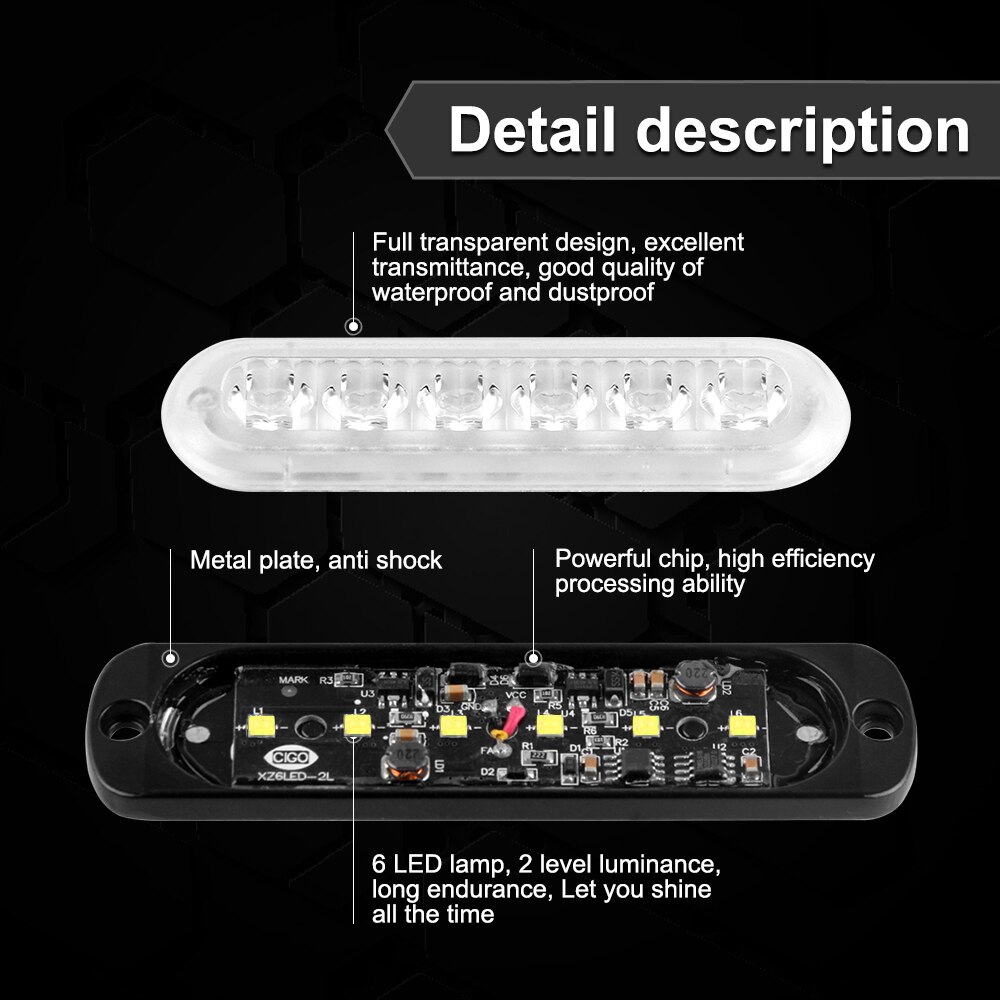
- Surface Mount/Hideaway Strobes: Small, compact units that can be mounted directly onto any flat surface (e.g., bumper, side panels) or discreetly installed within existing light housings (like headlights or taillights). These offer versatility and a clean look.
- Color & Flash Patterns:
- Amber: Universally recognized as the standard warning color for tow trucks and roadside assistance vehicles in most regions.
- Red/Blue: Typically reserved for emergency vehicles (police, fire, ambulance). Using these colors on a tow truck without proper authorization is illegal and can lead to severe penalties.
- White/Clear: Often used for scene illumination (take-down lights, alley lights) or as supplementary warning lights in conjunction with amber.
- Flash Patterns: Modern LED strobes offer dozens of customizable patterns (e.g., single flash, double flash, quad flash, random, rotating, sequential). The ability to synchronize multiple lights to flash in unison or alternating patterns significantly enhances visibility and impact.
Critical Considerations Before You Buy and Install
Choosing the right strobe lights involves more than just picking a color. Several crucial factors must be weighed:
- Legal Regulations and Compliance: This is paramount. Lighting laws vary significantly by state, county, and even municipality. Before purchasing or installing, thoroughly research local laws regarding:
- Permitted Colors: Ensure amber is allowed, and confirm any restrictions on other colors.
- Brightness Limits: Some jurisdictions have maximum brightness limits to prevent blinding other drivers.
- Flash Patterns: Certain patterns might be restricted or mandated for specific applications.
- Mounting Height and Visibility: Requirements for 360-degree visibility or minimum height.
- Brightness (Candela Output): Measured in candela or lumens, brightness is critical for daytime visibility. Look for lights with high candela ratings for maximum impact, especially in bright sunlight.
- Durability and IP Rating: Tow trucks operate in harsh environments. Look for lights with high IP (Ingress Protection) ratings (e.g., IP67 or IP68) indicating resistance to dust, dirt, and water submersion. Vibration resistance is also key.
- Power Consumption: LED lights are highly efficient, drawing significantly less power than traditional Xenon strobes. This is important to prevent draining the vehicle’s battery, especially during long roadside operations.
- Installation Complexity and Wiring: Consider whether you’ll perform a DIY installation or hire a professional. Proper wiring, fuse protection, and switch placement are vital for safety and longevity. Many modern lights come with integrated flashers, simplifying wiring.
- Visibility Angles and 360-Degree Coverage: Ensure your chosen setup provides comprehensive visibility from all directions around the truck. Combining different types of lights (e.g., a roof bar with grille and side-mounted strobes) can achieve this.
- Synchronization Capabilities: If installing multiple lights, choose models that can be synchronized to flash together or in alternating patterns. This creates a more cohesive and impactful warning signal.
Installation & Maintenance: Ensuring Longevity and Performance
Proper installation and routine maintenance are key to maximizing the lifespan and effectiveness of your strobe lights.
Installation Guide:
- Plan Your Layout: Determine the best mounting locations for optimal visibility and compliance with regulations. Consider wire routing to avoid interference and protect against damage.
- Gather Tools: You’ll need basic hand tools, wire strippers, crimpers, a drill (for mounting), electrical tape, heat shrink tubing, and connectors.
- Mounting: Securely attach the lights using appropriate hardware. Ensure mounting surfaces are clean and sturdy. For roof bars, consider weight distribution and aerodynamics.
- Wiring:
- Power Source: Connect the positive wire to a fused power source (preferably directly to the battery with an inline fuse or to an auxiliary fuse block).
- Ground: Connect the negative wire to a solid chassis ground point.
- Switching: Wire a control switch inside the cab for easy activation. Consider a master kill switch for all warning lights.
- Flash Pattern Control: Most LED strobes have a dedicated wire for changing flash patterns; connect this to a momentary switch if desired.
- Synchronization: If applicable, connect the sync wires between compatible lights.
- Test Thoroughly: Before buttoning everything up, test all lights and flash patterns to ensure they function correctly and are visible from all angles.
Routine Maintenance:
- Regular Cleaning: Keep lenses clean from dirt, mud, and road grime. Use a mild soap and water solution to prevent buildup that can reduce light output.
- Inspect Wiring and Connections: Periodically check for loose wires, frayed insulation, or corrosion. Secure connections and repair any damage promptly.
- Check Mounting Hardware: Ensure all bolts and screws are tight and that the lights are securely mounted to withstand road vibrations.
- Test Functionality: Routinely activate all warning lights to confirm they are working correctly, paying attention to brightness and flash patterns.
Troubleshooting Common Issues:
- Flickering or Dimming: Could indicate a loose connection, corroded wire, insufficient grounding, or a failing power source. Check all wiring.
- No Power: Verify the fuse, check the switch, and trace the power wire back to the source.
- Incorrect Flash Pattern: Consult the light’s manual for instructions on resetting or changing patterns. Ensure the pattern wire isn’t accidentally grounded or shorted.
Maximizing Impact: Tips for Optimal Strobe Light Use
- Strategic Placement: Don’t just place lights anywhere. Ensure forward, side, and rear visibility. Consider lower-mounted lights for enhanced close-range warning and higher-mounted lights for distant visibility.
- Utilize Appropriate Flash Patterns: Some patterns are more attention-grabbing than others. Experiment to find what works best for your typical operating environment, ensuring it’s not overly aggressive or distracting to other drivers.
- Combine with Other Safety Measures: Strobe lights are part of a larger safety system. Always use reflective safety vests, deploy traffic cones or flares when safe, and consider portable warning signs.
- Regular System Checks: Make checking your strobe lights part of your pre-trip inspection routine. A quick visual confirmation can prevent major issues later.
- Understand Your Audience: Consider that drivers might be distracted or impaired. The brighter and more distinct your warning, the better.
Challenges & Solutions
- Challenge: Glare for Other Drivers: Extremely bright lights can sometimes blind drivers, especially at night.
- Solution: Choose lights with adjustable brightness settings or opt for patterns that are highly visible without being overwhelming. Proper aiming can also mitigate this.
- Challenge: Power Drain: Older Xenon strobes or an excessive number of lights can drain the vehicle’s battery.
- Solution: Upgrade to energy-efficient LED strobes. If running many accessories, consider an auxiliary battery or a heavy-duty alternator.
- Challenge: Legal Compliance Confusion: Varying state and local laws can be daunting.
- Solution: Proactive research is key. Consult your state’s Department of Motor Vehicles (DMV) or local law enforcement for definitive guidance. Join industry associations that often provide regulatory updates.
- Challenge: Complex Installation: Modern wiring can be intimidating for DIYers.
- Solution: For complex setups, consider professional installation by a qualified auto electrician. This ensures correct wiring, fuse protection, and optimal performance, often with a warranty.
Strobe Lights for Tow Trucks: Estimated Price Table
Prices can vary significantly based on brand, quality, features (e.g., number of flash patterns, synchronization, IP rating), and specific retailers. This table provides a general estimate.
| Strobe Light Type | Features | Estimated Price Range (USD) | Common Applications |
|---|---|---|---|
| Mini Light Bar | 12-24 LED modules, multiple flash patterns, magnetic/bolt mount | $80 – $300 | Smaller tow trucks, supplementary roof warning |
| Full-Size Light Bar | 24-96+ LED modules, 360° visibility, traffic advisor, alley/take-down | $300 – $1500+ | Primary roof warning for all tow truck types |
| Grille/Surface Mount | 4-12 LED modules per unit, compact, discreet, syncable | $30 – $100 per unit | Front/rear warning, side marker enhancement |
| Dash/Deck Light | 8-20 LED modules, suction cup/bracket mount, often with flashback guard | $50 – $200 | Interior mounted, temporary warning, quick deployment |
| Hideaway Strobes | 3-6 LED modules, extremely compact, install inside existing housings | $20 – $70 per unit | Discreet warning, adding strobes to headlights/taillights |
| Control Boxes/Switch Panels | Multiple switches, fuse protection, sometimes integrated flasher | $50 – $250 | Centralized control for multiple warning lights |
Note: Installation costs (if professional) are separate and can range from $100 to $500+ depending on the complexity.
Frequently Asked Questions (FAQ)
Q1: What color strobe lights are legal for tow trucks?
A1: In most parts of the United States and Canada, amber (or yellow/orange) is the legally permitted color for tow trucks and roadside assistance vehicles. Red and blue are typically reserved for emergency services (police, fire, EMS). Always check your specific state and local regulations, as laws can vary.
Q2: How bright do my strobe lights need to be?
A2: There isn’t a universal minimum brightness, but the brighter the better, especially for daytime visibility. Look for lights with high candela (cd) ratings. A good rule of thumb is that your lights should be clearly visible from at least 500 feet away in daylight conditions, and much further at night.
Q3: Can I install strobe lights on my tow truck myself?
A3: Yes, if you have basic automotive electrical knowledge and tools. However, for complex setups (like full light bars with multiple functions) or if you’re unsure, professional installation is recommended. Proper wiring and fusing are crucial for safety and preventing electrical issues.
Q4: Do strobe lights drain the vehicle’s battery?
A4: Modern LED strobe lights are very energy-efficient and typically have a low power draw, so they are unlikely to drain your battery during normal operation. Older Xenon strobes, however, consume more power. If you operate your lights for extended periods with the engine off, or have many other electrical accessories, consider a heavy-duty alternator or auxiliary battery system.
Q5: How long do LED strobe lights last?
A5: High-quality LED strobe lights can last for tens of thousands of hours, often 50,000 hours or more, significantly outliving traditional Xenon strobes. Their lifespan is less affected by frequent on/off cycles compared to incandescent bulbs.
Q6: What’s the main difference between LED and Xenon strobe lights?
A6: LED (Light Emitting Diode) strobes are energy-efficient, have a very long lifespan, are highly durable, and offer a wide range of customizable flash patterns. They produce a steady, bright light. Xenon strobes use a gas-discharge tube to produce extremely intense, short bursts of light, but they consume more power, have a shorter lifespan, and are more fragile. LED is the modern, preferred choice.
Conclusion: Lighting the Path to Safety
Strobe lights are an indispensable component of any tow truck’s safety arsenal. They are the frontline defense against roadside hazards, providing the critical visibility needed to protect operators, motorists, and the scene itself. By understanding the types available, considering key factors like legal compliance and durability, and committing to proper installation and maintenance, tow truck operators can significantly enhance their safety profile and operational efficiency. Investing in high-quality, properly installed, and well-maintained strobe lights isn’t just a regulatory necessity; it’s a proactive commitment to safety that ultimately safeguards lives and livelihoods on our busy roads.