Motorcycle Ramps for Lifted Trucks: Your Comprehensive Guide to Safe and Easy Loading
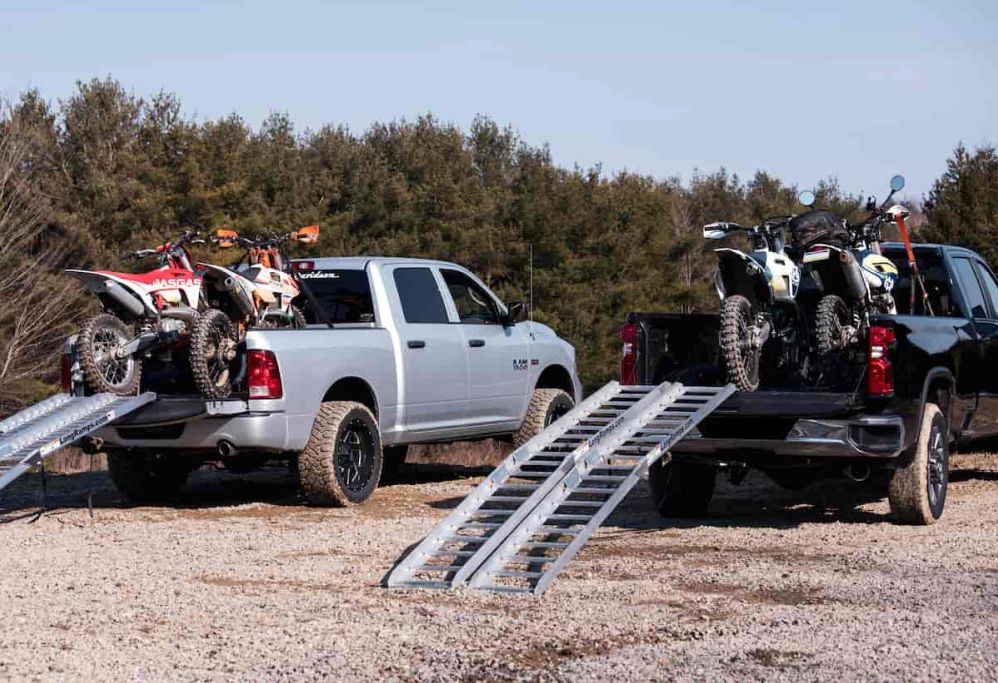
Motorcycle Ramps for Lifted Trucks: Your Comprehensive Guide to Safe and Easy Loading
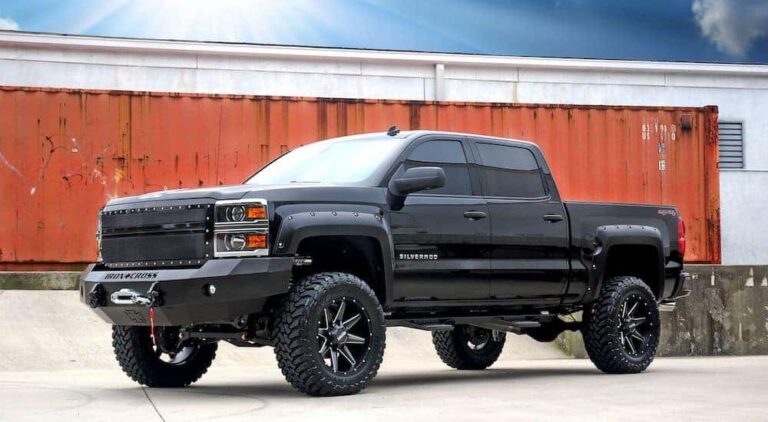
For many motorcycle enthusiasts, a lifted truck isn’t just a vehicle; it’s a statement, a lifestyle, and a highly capable machine for off-road adventures or simply looking good on the pavement. However, the very feature that gives a lifted truck its imposing presence – its elevated stance – introduces a unique challenge when it comes to transporting a motorcycle. Standard ramps, designed for conventional truck bed heights, suddenly become dangerously steep, making the task of loading a heavy motorcycle a precarious, if not impossible, endeavor. This is where specialized motorcycle ramps for lifted trucks become not just a convenience, but an absolute necessity.
These purpose-built ramps are engineered to bridge the significant height difference between a lifted truck’s tailgate and the ground, transforming a risky uphill battle into a manageable, safe, and efficient loading process. They are a critical investment for anyone who values their motorcycle, their truck, and most importantly, their personal safety. This comprehensive guide will delve into everything you need to know about selecting, using, and maintaining the perfect ramps for your lifted rig.
The Unique Challenge of Lifted Trucks and Why Standard Ramps Fall Short
The fundamental issue with loading a motorcycle onto a lifted truck using standard ramps lies in geometry. A truck with a 4-inch, 6-inch, or even 8-inch lift kit significantly raises the tailgate height, often placing it 40 inches or more above the ground. When a conventional 6-foot ramp is used at this height, the incline angle becomes excessively steep.
Imagine pushing a 500-pound motorcycle up a near-vertical slope. Not only is it incredibly strenuous, but it also creates several critical hazards:
- Bottoming Out: The motorcycle’s undercarriage or exhaust system can scrape the tailgate edge as it transitions from the ramp to the truck bed.
- Loss of Traction: A steep angle reduces the tire’s contact patch and grip on the ramp, increasing the risk of slippage.
- Loss of Control: The bike can tip over backward, forward, or to the side, causing significant damage to the motorcycle, the truck, and potentially severe injury to the operator.
- Exceeding Ramp Limits: Shorter, cheaper ramps might not have the structural integrity to support the combined weight at such a steep angle.
Dedicated motorcycle ramps for lifted trucks address these issues by providing a much longer ramp length and often an arched design. This extended length drastically reduces the incline angle, creating a gentler slope that allows for safer and smoother loading and unloading, mitigating the risks associated with conventional ramps.
Key Features to Look For in Lifted Truck Motorcycle Ramps
Choosing the right ramps involves understanding several critical features that directly impact safety, usability, and durability.
1. Optimal Length is Paramount
This is arguably the most crucial factor. For lifted trucks, you generally need ramps that are significantly longer than standard options. A good rule of thumb for safe loading is to aim for an incline angle between 15 and 25 degrees. To achieve this, you can use a simple calculation:
- Ramp Length = (Tailgate Height / sin(desired angle))
- Alternatively, a rough estimate is to multiply your tailgate height by 4 or 5. For example, if your tailgate is 40 inches high, you’d need a ramp between 160 to 200 inches (approx. 13 to 16.5 feet) for a comfortable slope.
While 13-16 feet might seem excessive, many ramps achieve this length through multi-fold or bi-fold designs, making them manageable for storage. Shorter ramps (e.g., 8-10 feet) are common for lifted trucks, but they will still result in a steeper, though often manageable, incline than a standard 6-foot ramp. Always prioritize the longest practical ramp.
2. Weight Capacity
Ensure the ramp’s weight capacity comfortably exceeds the combined weight of your motorcycle and any person or equipment that will be on the ramp during loading. If you plan to walk up the ramp alongside your bike, account for your body weight too. Most heavy-duty motorcycle ramps for lifted trucks range from 1,000 to 2,500 pounds capacity.
3. Width and Stability
Consider the width of your motorcycle tires and your comfort level.
- Single-track ramps are sufficient for motorcycles but require precise alignment.
- Wider ramps (bi-fold or tri-fold) offer more stability and can allow you to walk alongside the bike during loading, which many riders prefer for control. They are also versatile for ATVs or UTVs.
4. Material: Aluminum vs. Steel
- Aluminum: The preferred choice for most motorcycle ramps. It’s lightweight (making it easier to handle and store), strong, and corrosion-resistant. While generally more expensive than steel, its benefits often outweigh the cost.
- Steel: Heavier and very strong, but prone to rust if not properly maintained. Steel ramps are often cheaper but less portable.
5. Arched vs. Straight Design
- Arched Ramps: Highly recommended for lifted trucks. The subtle curve in the ramp helps prevent the motorcycle’s undercarriage from bottoming out at the critical transition point between the ramp and the truck bed.
- Straight Ramps: Simpler and often more affordable, but increase the risk of scraping the bike’s frame or exhaust on the tailgate.
6. Surface Traction
Look for ramps with grated, serrated, or rung surfaces that provide excellent grip for tires, especially in wet or muddy conditions. Avoid smooth surfaces.
7. Secure Attachment Mechanism
The ramp must securely attach to the truck’s tailgate. Common mechanisms include:
- Plate Ends: Flat plates that rest on the tailgate, often with rubber pads to prevent scratching.
- Safety Straps/Chains: Essential for preventing the ramp from slipping away from the tailgate during loading or unloading. Always use them!
Types of Motorcycle Ramps for Lifted Trucks
The market offers various designs, each with its own advantages:
- Single Arched Folding Ramps: A popular choice, these ramps typically fold in half for easier storage. Their arched design is key for lifted trucks.
- Bi-Fold or Tri-Fold Arched Ramps: These ramps fold into two or three sections, offering a wider platform and often greater portability. Bi-folds are excellent for providing a stable path, while tri-folds can be wide enough to comfortably walk up alongside your bike.
- Multi-Piece Ramps (often two separate ramps): Some systems involve two narrower ramps used in parallel, one for each wheel. While effective, they require more precise alignment and balancing.
- System Ramps (Bed Extenders with Ramps): These are more integrated solutions, often combining a bed extender (which also serves as a ramp support) with specialized ramps. They can be more expensive but offer unparalleled stability and convenience.
Benefits of Using Dedicated Motorcycle Ramps for Lifted Trucks
Investing in the right ramps offers numerous advantages:
- Unparalleled Safety: The primary benefit. Reduces the risk of accidents, injuries, and damage to your motorcycle and truck.
- Effortless Loading and Unloading: A gentler slope makes the process significantly less strenuous and more controlled.
- Protection for Your Equipment: Prevents scraping, denting, or damaging your motorcycle’s undercarriage or your truck’s tailgate.
- Peace of Mind: Knowing you have the right tools for the job allows you to transport your bike with confidence.
- Versatility: Many heavy-duty motorcycle ramps are also suitable for loading ATVs, lawnmowers, generators, or other heavy equipment.
How to Safely Load a Motorcycle onto a Lifted Truck
Safety is paramount. Follow these steps for a secure loading process:
-
Preparation is Key:
- Level Ground: Park your truck on firm, level ground. Avoid slopes or uneven surfaces.
- Engage Brakes: Set the truck’s parking brake.
- Tailgate Support: If your tailgate feels flimsy or you’re loading a very heavy bike, consider using tailgate support cables or straps to reduce stress on the hinges.
- Clear the Path: Remove any obstacles from the ramp’s path and the truck bed.
-
Ramp Placement and Security:
- Position the ramps correctly on the tailgate, ensuring the plate ends are fully seated.
- ALWAYS use the provided safety straps or chains to secure the ramps to the truck’s hitch receiver, bumper, or other sturdy anchor points. This prevents the ramps from kicking out from under the motorcycle.
-
Loading Techniques (Choose one that suits your ramp and comfort):
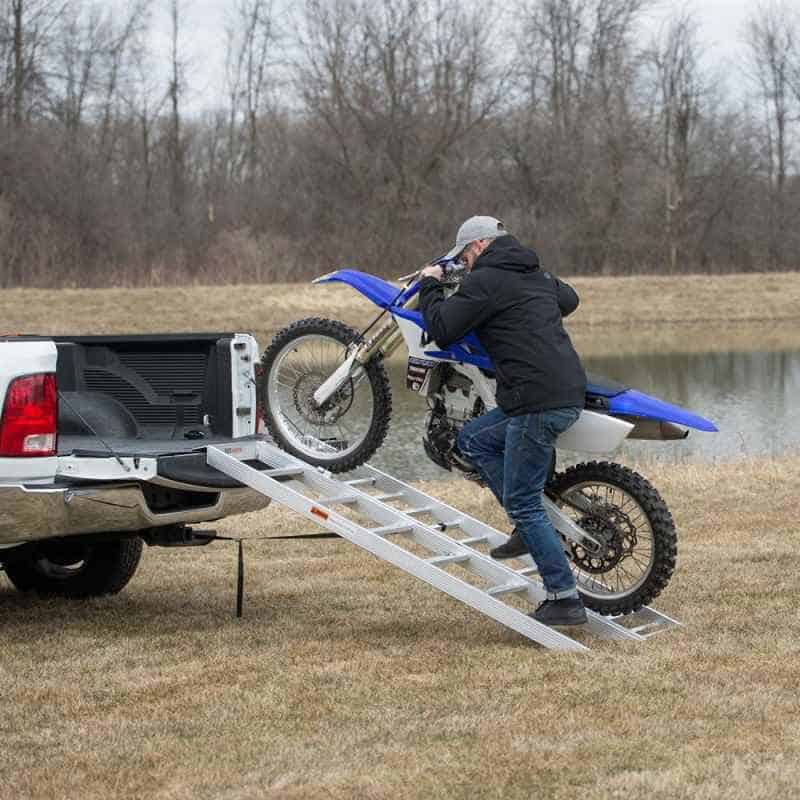
- Engine Assist (Recommended for solo loading on wider ramps): Start the motorcycle and put it into first gear. Feather the clutch and use minimal throttle to slowly walk the bike up the ramp. Keep your feet firmly on the ground, walking alongside the bike, guiding it. Never sit on the bike while loading.
- Assisted Push (Ideal with a helper): One person steers and balances the bike, while another person pushes from the rear. This is often the safest method, especially for heavier bikes or steeper ramps.
- Walk-Up (With very wide ramps): If your ramp is wide enough to comfortably walk on, you can push the bike up while walking directly behind or alongside it.
-
Securing the Motorcycle in the Truck Bed:
- Once in the bed, immediately engage the motorcycle’s kickstand or place it on a wheel chock (highly recommended for stability).
- Use high-quality tie-down straps (ratchet straps are best) to secure the bike. Anchor points should be sturdy (e.g., bed corners, D-rings).
- Compress the front suspension slightly when strapping down the front of the bike to prevent excessive movement during transit. Use soft loops to protect your handlebars or frame.
- Ensure the bike is centered and stable, with no possibility of tipping or shifting.
-
Unloading:
- Reverse the process, taking equal care. Loosen straps, remove chocks, and carefully guide the bike down the ramps, using the engine’s compression (in gear, clutch in) as a brake if needed, or having a helper assist.
Important Considerations and Potential Challenges
- Storage: Longer ramps, while necessary for safety, can be cumbersome to store. Consider folding designs or dedicated truck bed mounts.
- Budget: Quality ramps are an investment. Don’t compromise safety for a lower price. View it as insurance for your motorcycle and your well-being.
- Maintenance: Keep your ramps clean, especially the traction surfaces. Regularly inspect for cracks, bends, or damage, particularly at hinge points.
- Solo vs. Assisted Loading: While some techniques allow for solo loading, having a helper significantly enhances safety and ease, especially when you’re new to the process.
- Weather: Rain, snow, or ice can make ramps extremely slippery. Exercise extreme caution or avoid loading in adverse conditions.
- Tailgate Strength: Ensure your truck’s tailgate can handle the concentrated weight of the motorcycle and ramp. Some trucks may benefit from tailgate reinforcement, especially if frequently loading heavy bikes.
Practical Advice and Actionable Insights
- Measure, Measure, Measure: Before buying, accurately measure your truck’s tailgate height (from the ground to the top of the tailgate when open). Use this measurement to calculate the ideal ramp length for a safe incline.
- Prioritize an Arched Design: For lifted trucks, an arched ramp is almost always superior to a straight one for preventing bottoming out.
- Invest in Quality Tie-Downs: Ramps get the bike into the truck, but good tie-downs keep it there. Ratchet straps with a high working load limit are essential.
- Practice Makes Perfect: Before loading your prized motorcycle, practice with a lighter object or even an empty bike. Get a feel for the ramp, the angle, and the loading technique.
- Don’t Rush: Loading a motorcycle is not a race. Take your time, focus, and perform each step carefully.
- Read the Manual: Always read the manufacturer’s instructions for both your ramps and your motorcycle for specific recommendations and warnings.
Price Table: Motorcycle Ramps for Lifted Trucks
The price of motorcycle ramps for lifted trucks can vary significantly based on length, material, weight capacity, and design. Here’s an estimated price table:
| Ramp Type/Feature | Typical Length Range (feet) | Weight Capacity (lbs) | Material | Key Features | Price Range (USD) |
|---|---|---|---|---|---|
| Single Arched Folding | 8 – 10 | 750 – 1,500 | Aluminum | Compact, good for mid-weight bikes, reduced bottom-out risk. | $200 – $400 |
| Bi-Fold Arched | 8 – 12 | 1,200 – 2,000 | Aluminum | Wider for stability, often suitable for ATV/UTV/Motorcycle, folds for storage. | $300 – $600 |
| Tri-Fold Arched | 6 – 8 (wide) | 1,500 – 2,500 | Aluminum | Very wide, allows walk-up, excellent stability, folds compactly. | $350 – $700 |
| Heavy-Duty Straight (Non-folding) | 10 – 12+ | 2,000 – 3,000+ | Aluminum/Steel | Maximum capacity, less portable, simpler design, steeper angle. | $250 – $550 |
| Integrated Ramp System (with Bed Extender) | 8 – 10 | 1,000 – 2,000 | Aluminum/Steel | Seamless integration with truck bed, high stability, premium convenience. | $500 – $1,000+ |
| Accessory: High-Quality Ratchet Tie-Down Straps (Set of 4) | N/A | 500-1,000 (WLL) | Polyester/Nylon | Essential for securing the motorcycle in the truck bed. | $40 – $100 |
| Accessory: Motorcycle Wheel Chock | N/A | N/A | Steel/Plastic | Stabilizes the front wheel, preventing forward/backward movement. | $60 – $180 |
Note: Prices are estimates and can vary based on brand, retailer, specific features, and market conditions.
Frequently Asked Questions (FAQ)
Q: Why can’t I just use regular ramps for my lifted truck?
A: Regular ramps are too short for lifted trucks, creating an excessively steep and dangerous incline angle. This increases the risk of the motorcycle bottoming out, slipping, or tipping over, potentially causing damage or injury.
Q: How do I determine the correct ramp length for my lifted truck?
A: Measure your truck’s tailgate height from the ground when open. A common recommendation for a safe incline is to have a ramp length that is 4 to 5 times your tailgate height. For example, a 40-inch tailgate height would ideally need a 160-200 inch (approx. 13-16.5 foot) ramp.
Q: Is it safe to load a motorcycle onto a lifted truck by myself?
A: While possible with practice, proper technique (like engine assist with a wide ramp), and the right equipment, it’s generally safer to have a helper. For beginners or heavy bikes, assistance is highly recommended.
Q: What’s the best material for motorcycle ramps for lifted trucks?
A: Aluminum is widely considered the best material due to its excellent strength-to-weight ratio, durability, and resistance to corrosion, making it easy to handle and long-lasting.
Q: How do I secure the ramps to my truck?
A: Most ramps come with safety straps or chains that should always be used. These typically hook onto the truck’s hitch receiver, bumper, or other sturdy anchor points to prevent the ramps from slipping or kicking out during use.
Q: Can these ramps be used for other vehicles or equipment besides motorcycles?
A: Yes, many heavy-duty motorcycle ramps for lifted trucks are versatile enough to load ATVs, UTVs, lawnmowers, generators, or other heavy equipment, provided the item’s weight does not exceed the ramp’s capacity.
Q: What is an ideal incline angle for loading a motorcycle?
A: An incline angle between 15 and 25 degrees is generally considered safe and manageable. Angles steeper than 30 degrees significantly increase the risk and should be avoided.
Conclusion
Transporting your motorcycle with a lifted truck doesn’t have to be a daunting task filled with anxiety and risk. By understanding the unique challenges posed by a lifted stance and investing in the right motorcycle ramps for lifted trucks , you transform a potential hazard into a smooth, safe, and efficient operation. Prioritizing ramp length, weight capacity, an arched design, and secure attachment mechanisms will ensure you have the peace of mind to load your bike confidently and get to your next adventure without a hitch. Remember, safety should always be your top priority – both for your cherished motorcycle and, more importantly, for yourself. Ride safe, load smarter.