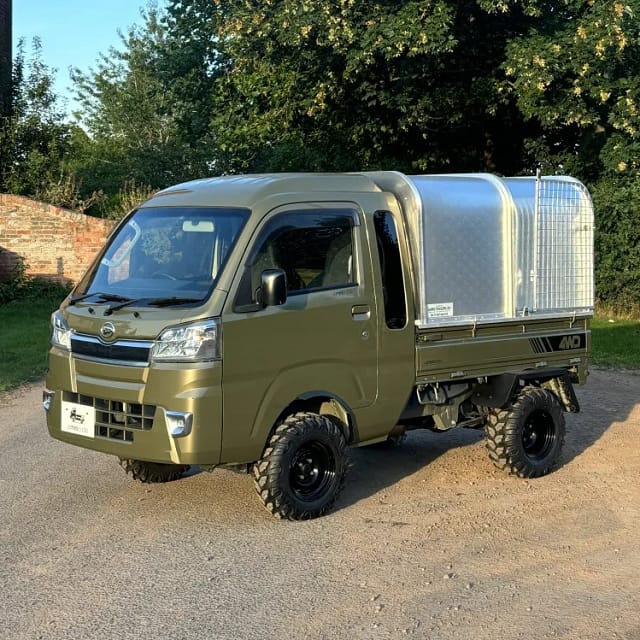
Mini Trucks for Sale: Your Ultimate Guide to Compact Utility
Mini Trucks for Sale: Your Ultimate Guide to Compact Utility. In a world increasingly seeking efficiency, versatility, and cost-effectiveness, mini trucks have emerged as a compelling solution for a wide array of needs.
Often referred to as Kei trucks (a Japanese classification for the smallest street-legal vehicles), these compact powerhouses are more than just pint-sized pickups. They represent a smart investment for small businesses, farmers, property owners, recreational enthusiasts, and anyone in need of a nimble, capable, and economical utility vehicle.
Mini trucks for sale offer a unique blend of maneuverability, fuel efficiency, and surprising cargo capacity, all wrapped in a robust, no-frills package. From navigating tight urban alleys to traversing rugged farm terrain, these vehicles prove that big utility can indeed come in a small footprint.
This comprehensive guide will delve into every aspect of mini trucks for sale, helping you understand their appeal, navigate the buying process, and make an informed decision to find the perfect compact workhorse for your specific requirements.
Buyers searching for a Toyota pickup often look for ways to get the best value possible. One option worth considering is purchasing repossessed vehicles, which are sometimes sold at significantly lower prices.
👉 Learn more in Repo Trucks for Sale, where we explain how repossessed trucks are sold and how you can find great deals.
If you’re comparing different truck options before making a purchase, exploring reliable full-size pickups can help you understand what modern trucks offer.
👉 Visit Toyota Tundra Pickup Trucks for Sale to learn about features, performance, and buying considerations for this popular pickup.
Understanding Mini Trucks: More Than Just Small Pickups
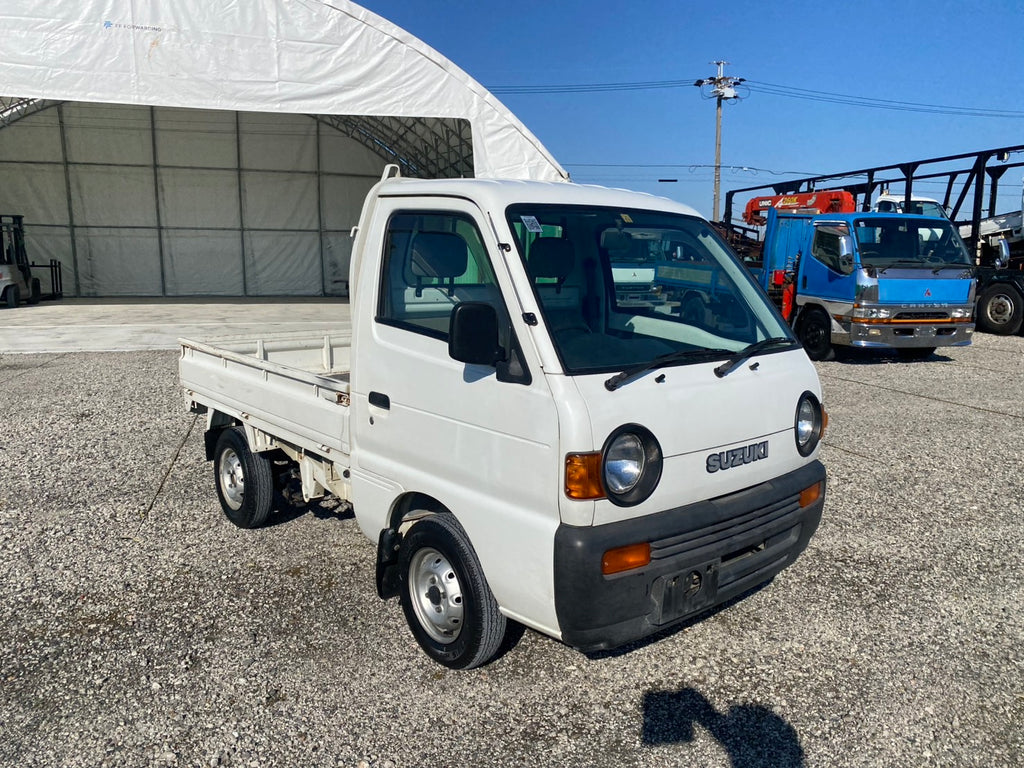
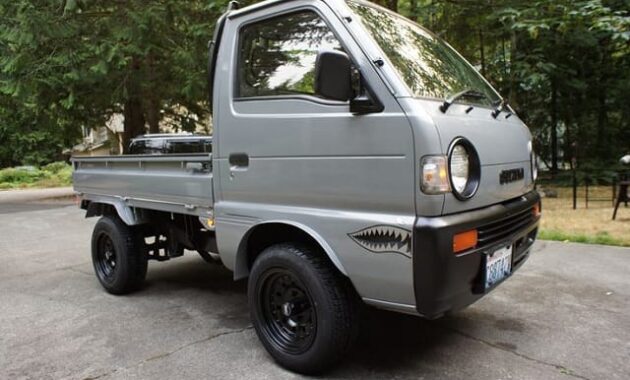
At their core, mini trucks are compact utility vehicles primarily designed for light-duty hauling and transportation. The most common variants originate from Japan, adhering to strict “Kei car” regulations which dictate maximum engine size (typically 660cc), dimensions, and power output. This class includes popular models from manufacturers like Suzuki (Carry), Honda (Acty), Daihatsu (Hijet), and Subaru (Sambar).
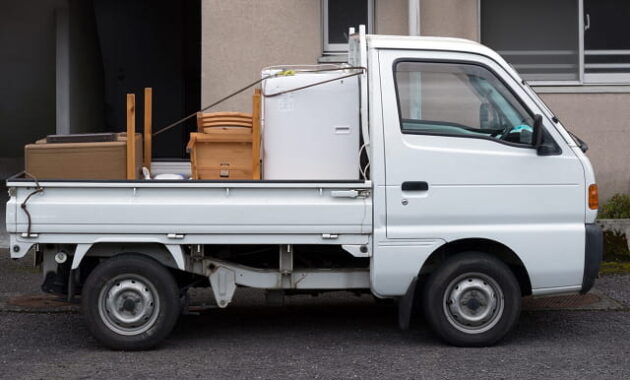
Despite their small engines, these trucks are engineered for durability and efficiency. Many come equipped with features like selectable 2WD/4WD, manual transmissions, and surprisingly spacious cargo beds that can handle payloads often exceeding 700-1000 pounds. Their robust ladder frames and simple mechanics contribute to their legendary reliability and ease of maintenance.
Common uses for mini trucks include:
- Agriculture: Hauling feed, tools, produce, and small equipment on farms.
- Property Maintenance: Transporting landscaping materials, waste, and equipment for estates, campuses, or golf courses.
- Small Business Deliveries: Ideal for urban areas with narrow streets and limited parking.
- Off-Road Recreation: Modified versions for hunting, camping, or trail riding.
- Industrial & Commercial: Utility work within warehouses, construction sites, or large facilities.
The Undeniable Advantages of Owning a Mini Truck
Choosing a mini truck over a traditional full-size pickup or ATV offers a host of benefits that make it an increasingly popular choice:
- Cost-Effectiveness: Mini trucks typically have a significantly lower purchase price compared to new or even used full-size trucks. Their small engines translate to excellent fuel economy, and insurance and maintenance costs are often considerably lower.
- Exceptional Maneuverability: Their compact dimensions and tight turning radius allow them to navigate congested city streets, narrow farm paths, and dense wooded areas with ease. Parking in cramped spaces becomes a breeze.
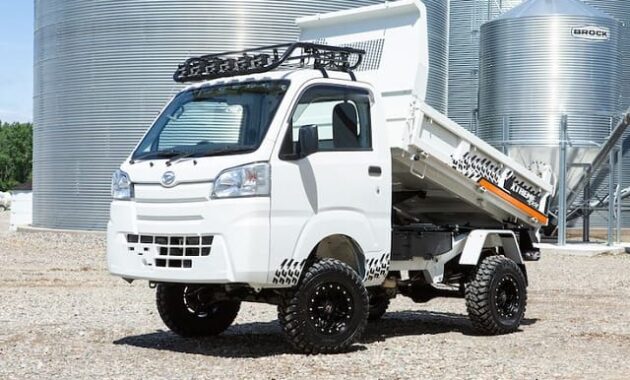
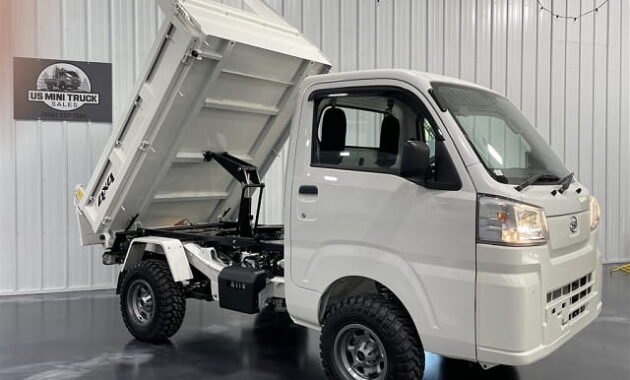
- Surprising Versatility: While often seen as flatbed pickups, mini trucks come in various configurations, including dump beds, scissor lifts, enclosed vans, and even specialized refrigeration units. Many also offer optional 4-wheel drive, making them capable in diverse terrains and weather conditions.
- Reliability and Durability: Built to withstand the rigors of commercial use in Japan, these vehicles are known for their simple, robust engineering. With proper maintenance, they can offer many years of dependable service.
- Eco-Friendly Footprint: Their smaller engines and lighter weight result in lower fuel consumption and reduced emissions compared to larger vehicles, contributing to a smaller environmental impact.
- Ease of Operation: Manual transmissions are common, offering direct control and simplicity. Their straightforward design means fewer complex electronics to go wrong.
Your Step-by-Step Guide to Buying a Mini Truck

Purchasing a mini truck, especially an imported one, requires a methodical approach. Follow these steps to ensure a smooth and successful acquisition:
- Define Your Needs and Budget: Before looking at mini trucks for sale, clearly outline how you intend to use it. What payload capacity do you need? Will you be on paved roads, gravel, or muddy fields? Do you require 4WD, AC, or a specific bed type? Establish a realistic budget that includes the purchase price, potential shipping, registration fees, and any immediate maintenance or upgrades.
- Research Models and Features: Familiarize yourself with popular models like the Suzuki Carry, Honda Acty, Daihatsu Hijet, and Subaru Sambar. Understand their common engine sizes, transmission types, and available features (e.g., dump bed, power steering, AC).
- Source Reputable Dealers or Importers: Most mini trucks in Western markets are imported. Look for established dealers or importers with good reviews and a track record of handling customs and titling paperwork correctly. Online marketplaces can also be a source, but exercise caution.
- Thorough Inspection and Verification:
- Physical Condition: Inspect for rust, especially on the frame, cab corners, and bed. Check tire condition, lights, and glass.
- Engine & Drivetrain: Listen for unusual noises. Check fluid levels and for leaks. Test 2WD and 4WD (if applicable).
- Interior: Check seats, dashboard, and controls. Verify AC/heater functionality.
- Documentation: Ensure the vehicle has proper import documentation, customs clearance forms, and a clear title.
- Understand Local Legality and Registration: This is perhaps the most critical step. Mini truck road legality varies significantly by state, province, or country. Some allow full street legality, others restrict them to off-road or specific low-speed uses (e.g., utility vehicles), while some prohibit them entirely from public roads. Research your local Department of Motor Vehicles (DMV) or equivalent agency’s regulations thoroughly before purchase.
- Test Drive: Always test drive the vehicle. Pay attention to how it shifts, brakes, steers, and accelerates. Listen for any strange noises.
- Negotiate and Finalize: Once satisfied, negotiate the price. Ensure all paperwork, including the bill of sale and title transfer, is correctly completed.
Key Considerations When Evaluating Mini Trucks for Sale
Making an informed decision requires careful consideration of several factors:
- Condition and Maintenance History: While these trucks are robust, their age and previous use are critical. Look for signs of regular maintenance. Rust is a common issue, particularly on older imported models from salty environments.
- 2WD vs. 4WD: If you’re using the truck on uneven terrain, in snow, or for off-road purposes, 4WD is a non-negotiable feature. For paved roads or light utility, 2WD will suffice and might offer slightly better fuel economy.
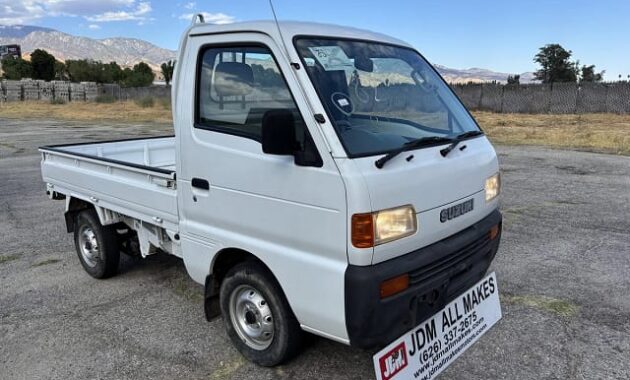
- Cargo Bed Type and Capacity: Standard flatbeds are versatile, but consider if a dump bed would significantly enhance your productivity. Pay attention to the payload rating to ensure it meets your hauling needs.
- Aftermarket Parts and Support: While parts are generally available through specialized importers, they might take longer to arrive than parts for domestic vehicles. Join online forums or communities to connect with other owners for advice and resources.
- Features (AC, Power Steering, Heater): Older models might lack creature comforts like air conditioning or power steering. Decide which features are essential for your comfort and usage.
- Tires and Suspension: Check the condition of tires. Many imported mini trucks come with small, narrow tires. You might want to upgrade to more robust off-road tires if your use demands it, but be mindful of fender clearance and legal implications.
Navigating the Market: Tips for a Smart Purchase
- Set a Realistic Budget: Don’t just budget for the purchase price. Factor in shipping, registration, potential repairs, and any desired upgrades (e.g., lift kits, new tires, rust proofing).
- Buy from a Reputable Source: Especially for imported vehicles, a dealer or importer who handles all the necessary customs and titling paperwork is invaluable. Verify their credentials and customer reviews.
- Get a Pre-Purchase Inspection (PPI): If possible, have an independent mechanic (preferably one familiar with imports or small engines) inspect the truck before you buy.
- Verify Documentation: Ensure the vehicle has a clear title, bill of sale, and all necessary import documents. Lack of proper paperwork can lead to significant headaches down the road.
- Be Wary of “Too Good to Be True” Deals: Extremely low prices might indicate hidden issues, salvage titles, or problems with legal registration.
- Join Online Communities: Forums and social media groups dedicated to mini trucks are excellent resources for advice, troubleshooting, and finding parts.
Potential Challenges and Solutions
While mini trucks offer numerous advantages, potential buyers should be aware of a few challenges:
- Challenge: Road Legality & Registration: As mentioned, laws vary widely.
- Solution: Thoroughly research your local DMV/transport authority regulations before purchase. Some states classify them as UTVs for off-road use only, while others allow limited street use or full registration.
- Challenge: Parts Availability & Maintenance: Specialized parts might not be readily available at your local auto parts store.
- Solution: Build a relationship with your importer or seek out specialized online retailers. Many common wear items (filters, belts, spark plugs) can be cross-referenced with more common vehicles. Simple mechanics mean that many general mechanics can work on them.
- Challenge: Insurance: Some standard insurance companies might be unfamiliar with mini trucks.
- Solution: Seek out specialty insurers who deal with imported vehicles, UTVs, or classic cars. Many will provide coverage once the vehicle is properly titled.
- Challenge: Speed & Highway Use: Due to their small engines, mini trucks are not designed for high-speed highway travel.
- Solution: Understand their limitations. They are best suited for local roads, property use, or short commutes where speed limits are lower. Avoid highways if possible, or only use them for very short distances if legally permitted.
- Challenge: Rust: Especially for older models, rust can be a significant issue.
- Solution: Thorough inspection is key. Consider rustproofing treatments immediately after purchase, especially if you live in an area with harsh winters or coastal conditions.
Mini Trucks for Sale: Estimated Price Guide
Prices for mini trucks can vary significantly based on age, condition, features, and the current import market. This table provides a general estimate for common models found in the market.
| Model & Type | Year Range | Condition | Mileage (Approx.) | Key Features | Estimated Price Range (USD) | Notes |
|---|---|---|---|---|---|---|
| Suzuki Carry | 1990s – Early 2000s | Fair | 80,000 – 150,000 km | 2WD, Manual, Basic Flatbed | $3,500 – $6,000 | Excellent entry-level workhorse, often with some cosmetic wear. |
| Suzuki Carry | 2000s – 2010s | Good | 50,000 – 100,000 km | 4WD, Manual, AC, Flatbed | $6,000 – $9,500 | More modern features, better condition, very popular choice. |
| Honda Acty | 1990s – Early 2000s | Fair | 90,000 – 160,000 km | 2WD, Manual, Basic Flatbed | $3,000 – $5,500 | Known for comfortable ride, often rear-engine layout. |
| Honda Acty | 2000s – 2010s | Good | 40,000 – 90,000 km | 4WD, Manual/Auto, AC, Power Steer | $5,500 – $9,000 | Reliable, popular, often found with automatic transmission options. |
| Daihatsu Hijet | 1990s – Early 2000s | Fair | 70,000 – 140,000 km | 2WD, Manual, Flatbed | $3,200 – $5,800 | Robust build, good for heavy-duty farm work. |
| Daihatsu Hijet | 2000s – 2010s | Good | 30,000 – 80,000 km | 4WD, Manual, AC, Dump Bed | $6,500 – $10,000 | High utility, dump bed adds significant value for specific tasks. |
| Subaru Sambar | 1990s – Early 2000s | Good | 60,000 – 130,000 km | 4WD, Manual, Flatbed | $4,000 – $7,000 | Often rear-engine, known for smooth ride and strong 4WD systems. |
| Subaru Sambar | 2000s – 2010s | Excellent | <50,000 km | 4WD, Auto/Manual, AC, Supercharger | $7,500 – $12,000 | Rarer supercharged models offer more power, premium condition. |
| Specialized Mini Van/Box Truck | 1990s – 2010s | Good | Varies | Enclosed cargo, Refrigerated | $7,000 – $15,000+ | Price varies greatly by specific build and features. |
| Electric Mini Truck | New | New | 0 km | Silent, Zero Emissions, Low Maint. | $12,000 – $25,000+ | Emerging market, ideal for campuses or enclosed facilities. |
Note: Prices are estimates and can fluctuate based on import costs, dealer markups, specific features, and regional demand. Always confirm details with the seller.
Frequently Asked Questions (FAQ) About Mini Trucks
Q1: Are mini trucks street legal in the USA/Canada?
A1: This varies significantly by state/province. Some states allow full registration, others restrict them to off-road or low-speed vehicle (LSV) use, and some prohibit them from public roads entirely. Always check your local DMV/transportation authority’s regulations.
Q2: What is the typical fuel economy of a mini truck?
A2: Most mini trucks with 660cc engines can achieve excellent fuel economy, often ranging from 30-50 MPG (miles per gallon) depending on driving conditions, load, and whether it’s 2WD or 4WD.
Q3: Can mini trucks go on highways?
A3: Generally, no. Their small engines are not designed for sustained highway speeds (typically limited to 55-65 mph, sometimes less). In many jurisdictions, they are legally prohibited from using highways. They are best suited for local roads and property use.
Q4: Where can I buy parts for mini trucks?
A4: Parts are primarily available through specialized mini truck importers and online retailers. Many common maintenance items (oil filters, spark plugs) can often be cross-referenced with parts for other small engines. Online forums are also a great resource for parts sourcing.
Q5: What is the average payload capacity of a mini truck?
A5: Most standard mini trucks have a payload capacity ranging from 700 to 1,200 pounds (300-550 kg), depending on the model and specific configuration.
Q6: Do mini trucks come with air conditioning (AC) or power steering?
A6: Many newer models (typically from the mid-1990s onwards) offer AC and power steering as optional or standard features. Older models might lack these comforts. Always check the specific vehicle’s features list.
Q7: Are mini trucks safe?
A7: Mini trucks offer basic safety features common to their era (seatbelts, basic crumple zones). However, they lack many modern safety advancements like airbags, ABS, and advanced driver-assistance systems. They are designed for utility and low-speed environments, and drivers should be aware of their limitations compared to modern full-size vehicles.
Conclusion: The Versatility and Value of Mini Trucks
Mini trucks for sale offer a compelling proposition for anyone seeking a compact, efficient, and versatile utility vehicle. Their blend of low cost, excellent maneuverability, surprising capability, and reliability makes them an ideal choice for a wide range of applications, from farm work and property maintenance to small business logistics and recreational pursuits.
While navigating the market for an imported mini truck requires careful research into legality and sourcing, the benefits often far outweigh the challenges. By understanding your needs, diligently researching models, inspecting vehicles thoroughly, and verifying all documentation, you can confidently find a mini truck that will serve as a dependable, hard-working asset for years to come. Embrace the efficiency and charm of these compact workhorses, and discover how a little truck can deliver a lot of utility.