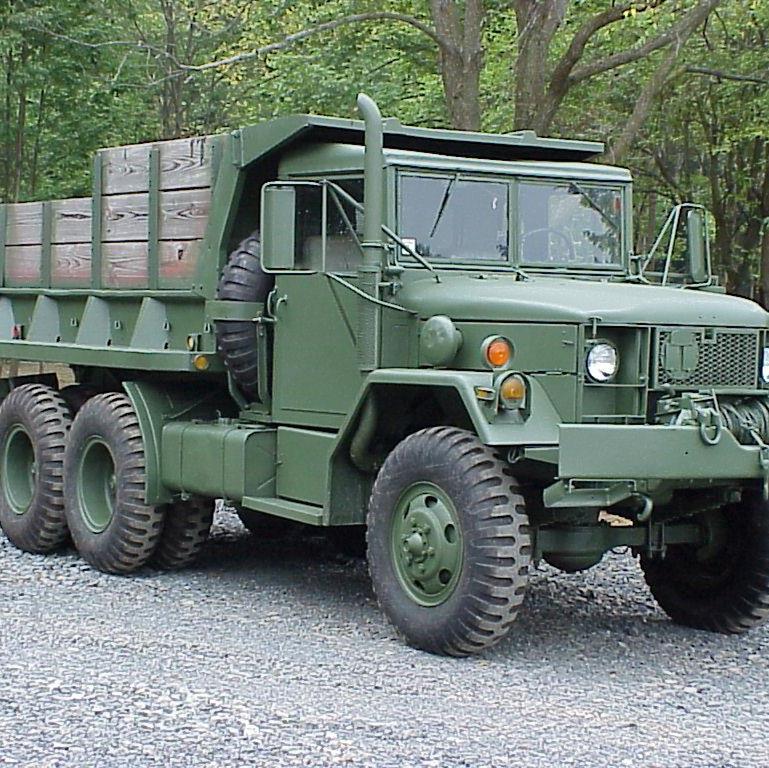
M35 Trucks for Sale: Your Comprehensive Guide to Owning a Deuce-and-a-Half
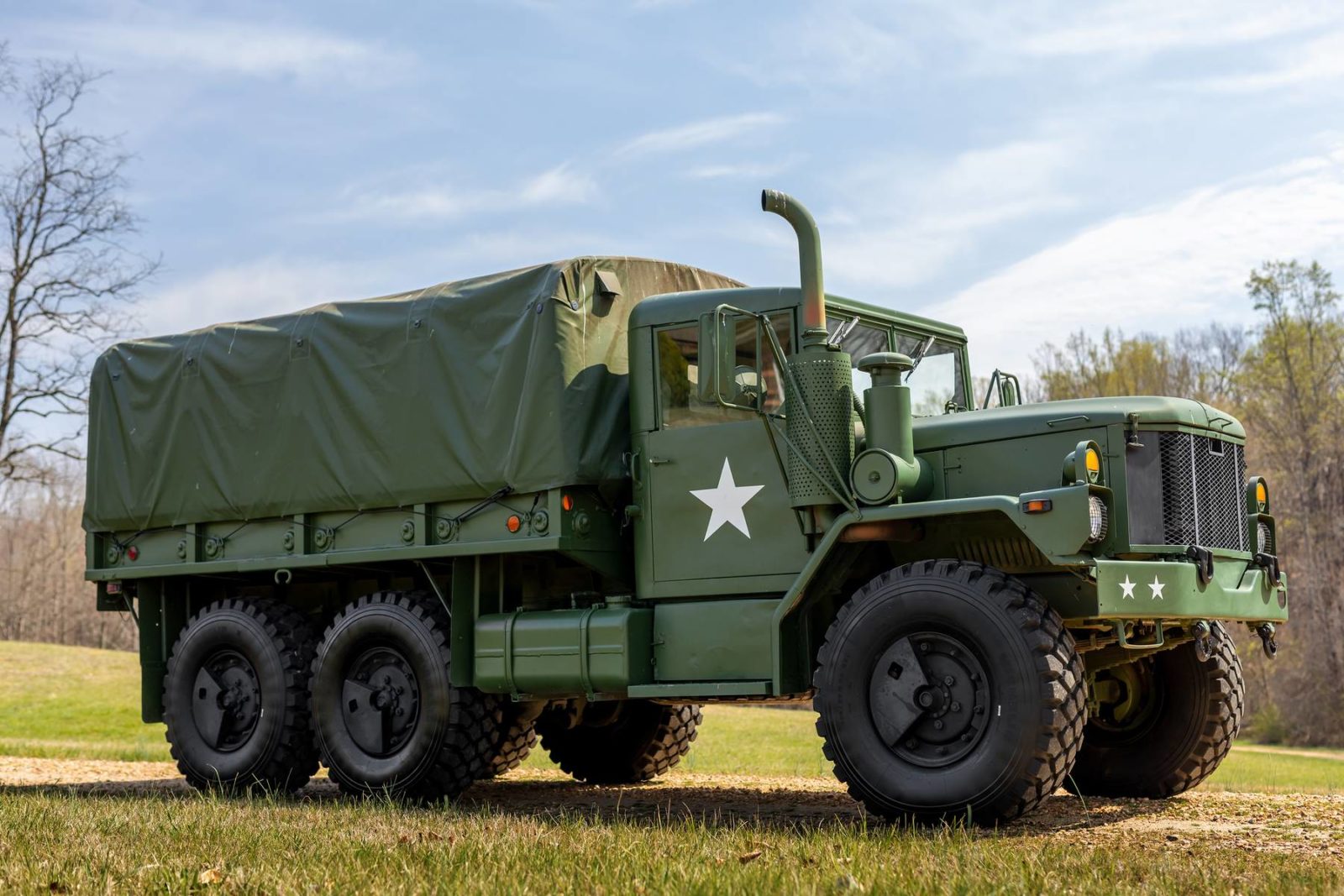
M35 Trucks for Sale: Your Comprehensive Guide to Owning a Deuce-and-a-Half
For those with a penchant for rugged reliability, unparalleled off-road capability, and a slice of military history, the M35 series of trucks holds a unique allure. Affectionately known as the "Deuce-and-a-Half" due to its 2.5-ton off-road cargo capacity, the M35 is far more than just a vehicle; it’s a testament to robust engineering, a versatile workhorse, and an undeniable head-turner. If you’ve found yourself searching for "M35 trucks for sale," you’re likely drawn to its iconic status and legendary durability. This comprehensive guide will navigate you through everything you need to know about acquiring, understanding, and enjoying one of these magnificent machines.
What is an M35 Truck? A Brief History and Overview
The M35 series of 2.5-ton, 6×6 cargo trucks originated in the early 1950s, designed to serve as the backbone of the U.S. military’s logistical operations. Built by various manufacturers over the decades, including REO, Kaiser-Jeep, AM General, and Mack, the M35 saw service in countless conflicts, from the Korean War to Vietnam, and beyond, remaining in active duty well into the 21st century before being largely phased out.
What defines an M35? Its most distinctive features include a sturdy ladder frame, a 6×6 drivetrain (meaning all six wheels are driven, providing exceptional traction), high ground clearance, and a no-nonsense design built for utility over comfort. While several variants exist, the most common and sought-after for civilian ownership is the M35A2, famous for its "multifuel" engine. This engine, typically an LDT-465 inline-six, could run on a variety of fuels, including diesel, heating oil, jet fuel, and even gasoline (with precautions), making it incredibly adaptable in military scenarios and a quirky feature for civilian owners.
Why Buy an M35 Truck? The Appeal and Applications
The decision to purchase an M35 is often driven by a blend of practicality, passion, and a desire for something truly unique.
- Unrivaled Durability and Reliability: These trucks were built to military specifications, designed to withstand extreme conditions and heavy loads. Their simple, mechanical nature means fewer complex electronics to fail and easier field repairs.
- Exceptional Off-Road Prowess: With its 6×6 drivetrain, massive tires, and impressive ground clearance, an M35 can tackle terrain that would stop most other vehicles dead in their tracks. It’s a true go-anywhere machine.
- Remarkable Versatility: The applications for an M35 are surprisingly diverse:
- Heavy Hauling: Moving logs, equipment, or large loads on a farm or construction site.
- "Bug-Out" or Survival Vehicle: Its ruggedness, cargo capacity, and ability to traverse difficult terrain make it ideal for preparedness.
- Off-Grid Living/Homesteading: Transporting water, fuel, or supplies to remote locations.
- Parade/Show Vehicle: An M35 commands attention and is a popular choice for military vehicle enthusiasts.
- Restoration Project: For those who enjoy mechanical challenges and bringing history back to life.
- Unique RV/Camper Conversion: The large cargo bed offers ample space for custom living quarters.
- Cost-Effectiveness (Initial): Compared to new heavy-duty trucks with similar capabilities, the initial purchase price of an M35 can be surprisingly low, especially from government auctions.
- Nostalgia and Unique Ownership Experience: Owning an M35 is a statement. It’s a piece of history you can drive, offering a visceral, engaging experience unlike modern vehicles.
Understanding the M35 Variants: M35A1, M35A2, M35A3
While the M35 designation covers the entire series, subtle but important differences exist between the main variants you might encounter:
- M35A1: Early models, often powered by a gasoline engine (Continental OA-331) or an early diesel. Less common for sale today and often more challenging for parts.
- M35A2: The most common and popular variant. Powered by the LDT-465 multifuel engine. These are the workhorses that served for decades and are plentiful on the surplus market. They offer a good balance of capability and relative simplicity.
- M35A3: A later upgrade program, these trucks received a Caterpillar 3116 diesel engine, an Allison automatic transmission, and modern radial tires. They are more comfortable and easier to drive for modern users but are significantly rarer and thus more expensive. If you find an A3, it’s often considered the "premium" version due to its improved drivability.
Where to Find M35 Trucks for Sale
The hunt for an M35 can be an adventure in itself. Here are the primary sources:
- Government Surplus Auctions: This is often where the best deals can be found. Websites like GovPlanet (often handling Department of Defense surplus through Ritchie Bros. Auctioneers) and various local/state government auction sites frequently list M35s as they are decommissioned. Be prepared for "as-is, where-is" sales and potentially high transportation costs.
- Specialty Military Vehicle Dealers: Many dealers specialize in buying surplus military vehicles, refurbishing them to varying degrees, and then reselling them. These vehicles typically come at a higher price but often include a clear title, some level of mechanical inspection, and sometimes even basic repairs.
- Online Marketplaces & Forums:
- Craigslist and Facebook Marketplace: You can find private sellers listing M35s, often in varying conditions. Be cautious and verify all information.
- Dedicated Military Vehicle Forums and Facebook Groups: These communities are excellent resources not only for finding trucks but also for getting advice, parts, and connecting with knowledgeable owners.
- eBay Motors: Occasionally, M35s appear on eBay, from both private sellers and smaller dealers.
- Word-of-Mouth & Local Classifieds: Keep an eye out in rural areas or at local swap meets. Sometimes these trucks are parked on properties and just waiting for a new owner.
Key Considerations Before Buying
Before you pull the trigger on an M35, it’s crucial to understand what you’re getting into.
- Condition Assessment: This is paramount. Look for:
- Rust: Especially on the frame, cab mounts, bed floor, and battery boxes. Surface rust is common, but structural rust is a major red flag.
- Engine: Check for leaks, excessive smoke (especially blue or black), strange noises, and difficulty starting. On multifuels, ensure the air compressor and fuel system are intact.
- Transmission & Transfer Case: Check fluid levels, look for leaks, and ensure it shifts smoothly through all gears (if test driving).
- Drivetrain (Axles, Hubs): Listen for unusual noises, check for leaks around differentials and wheel hubs.
- Brakes: These are air-over-hydraulic. Ensure the air system builds pressure, holds it, and the brakes feel firm.
- Tires: Military NDT (Non-Directional Tread) tires are common but can be old and cracked. New tires are expensive.
- Electrical System: Check lights, gauges, and the charging system. Many M35s are 24-volt systems.
- Cab & Interior: Often spartan, but check for significant damage, missing components, or serious leaks.
- Engine Type: Confirm whether it’s a multifuel (LDT-465), gasoline, or a diesel conversion (e.g., Cat 3116 in an A3). Multifuels are unique but require understanding their quirks (starting procedures, fuel choice).
- Title and Registration: This is a major hurdle for many. Military surplus vehicles often come with a "SF97" form, which is a government certificate of release, not a standard vehicle title. Research your state’s specific DMV requirements for titling military vehicles BEFORE you buy. Some states are easy, others are extremely difficult. You might need to go through a bonding process or use a title service.
- Transportation: Unless you plan to drive it home (only recommended if you’re confident in its roadworthiness and have temporary tags/insurance), you’ll need to arrange heavy-duty towing or flatbed transport. Factor this cost into your budget.
- Parts Availability: Generally good for common wear items and engine parts (especially for the multifuel). Specialized body panels or very specific military components might be harder to source, but a strong community supports parts swapping.
- Maintenance & Mechanical Skills: M35s are robust but old. They require regular maintenance and often some mechanical aptitude. If you’re not comfortable with basic truck mechanics or don’t have access to a mechanic who specializes in older heavy equipment, factor in professional service costs.
- Fuel Economy: Be realistic. M35s get notoriously poor fuel mileage, typically in the single digits (4-8 MPG, depending on load, terrain, and engine tuning).
- Storage: These are large vehicles. Do you have adequate covered or secured storage space?
- Intended Use: Match the truck’s condition and variant to your purpose. A parade truck can have minor issues; a daily driver or working truck needs to be in top mechanical shape.
The Buying Process: Tips for a Smooth Acquisition
- Set a Realistic Budget: Don’t just budget for the purchase price. Include funds for transport, potential repairs, new tires, fluids, registration, and insurance.
- Inspect Thoroughly: If possible, inspect the truck in person. Bring a checklist, a flashlight, and ideally, someone knowledgeable about heavy trucks or military vehicles. Don’t be rushed.
- Ask Questions:
- What is the truck’s service history (if known)?
- Has it been regularly started/driven?
- Are there any known mechanical issues or leaks?
- Why are they selling it?
- What documentation (SF97, previous title, bill of sale) will be provided?
- Negotiate: Especially with private sellers, there’s often room for negotiation. Be polite but firm, backing up your offer with observations about the truck’s condition.
- Secure Documentation: Ensure you receive a clear SF97 or a proper title and a detailed bill of sale with the VIN and seller’s information.
- Post-Purchase Plan: Before you even bring it home, have a plan for its immediate future:
- Fluids: Plan to change all fluids (engine oil, transmission, transfer case, differentials, coolant) unless there’s documented proof they were recently done.
- Filters: Replace fuel and air filters.
- Battery: Check battery condition; 24-volt systems often require two 12-volt batteries in series.
- Brakes: A full brake inspection is critical for safety.
Potential Challenges and Solutions
- Rust: Address surface rust promptly with wire brushing and rust-inhibiting primers/paints. For structural rust, professional welding is often required.
- Multifuel Engine Idiosyncrasies: Learn the proper starting procedures (especially cold starts), warm-up routines, and fuel blending. Join online forums for tips. Many owners run 100% diesel for simplicity.
- Lack of Modern Comforts: M35s are loud, lack power steering (on many models, though some were retrofitted), and certainly no AC. Solutions include adding power steering, sound deadening, wearing ear protection, and simply embracing the raw experience.
- Parts Sourcing: While good, some parts can be elusive. Connect with online M35 communities; they are invaluable for sourcing rare parts or finding alternatives.
- Registration Hurdles: Be proactive. Call your state’s DMV before buying to understand their specific requirements for titling military surplus vehicles. If it’s too complex, consider a title service company.
Price Table: M35 Trucks for Sale (Estimated Ranges)
Prices for M35 trucks can vary wildly based on condition, variant, seller type, and location. This table provides a general guideline.
| Condition Category | Variant (Common) | Estimated Price Range (USD) | Key Features/Notes