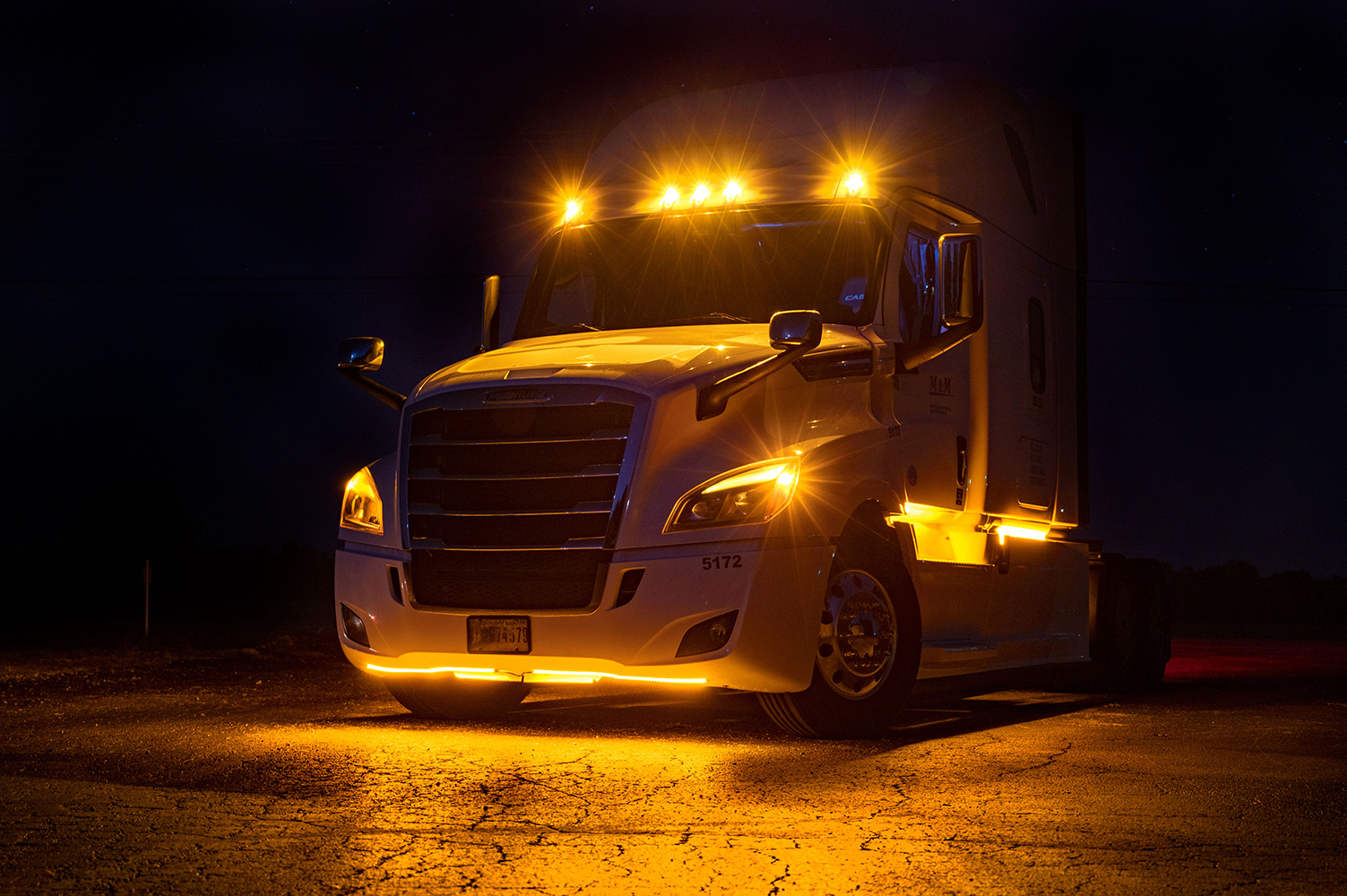
Light Kits for Trucks: Illuminating Your Ride for Safety, Style, and Utility
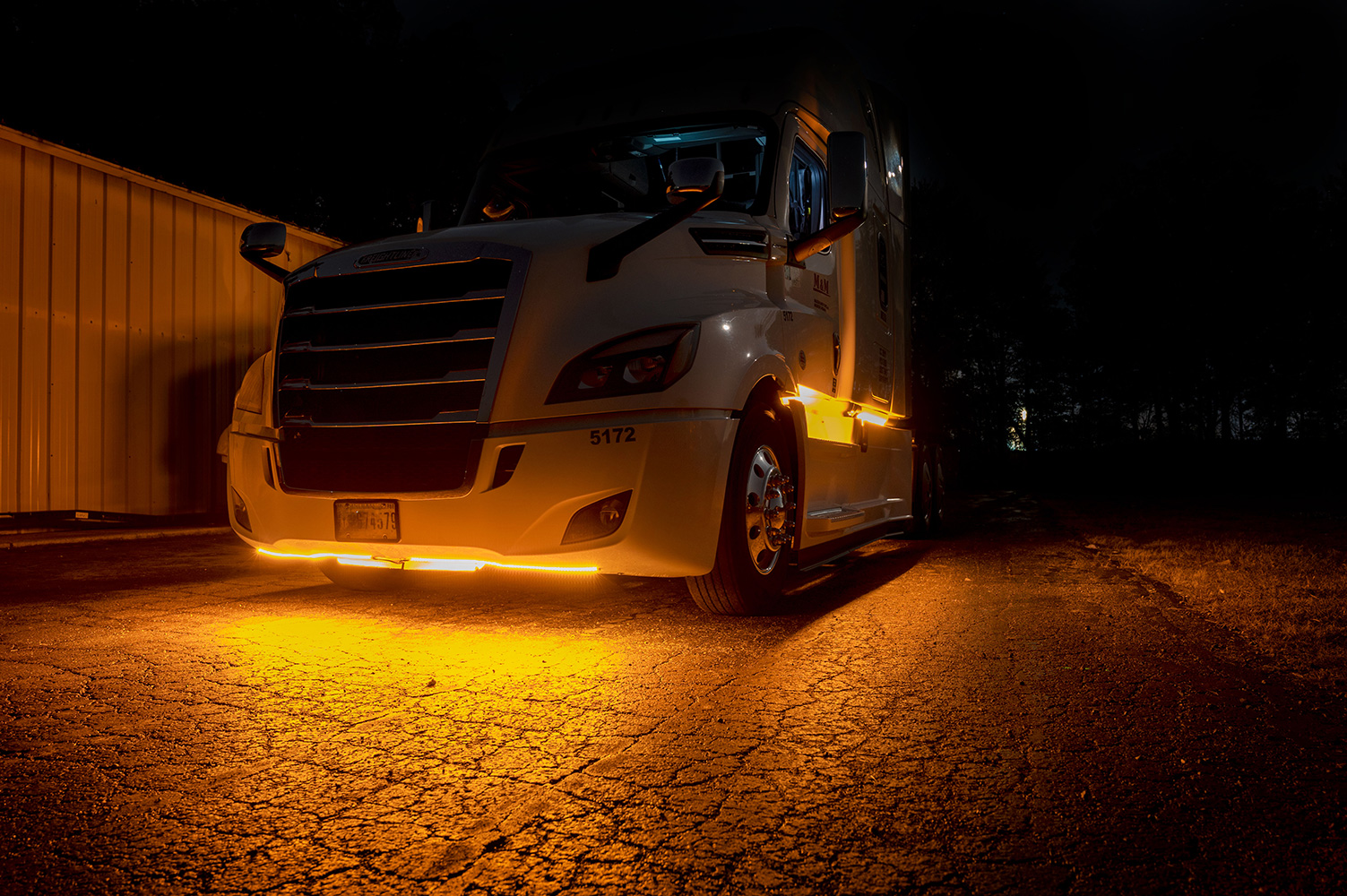
Light Kits for Trucks: Illuminating Your Ride for Safety, Style, and Utility
Trucks are more than just vehicles; they are tools, workhorses, and statements of personal style. Enhancing a truck’s capabilities often involves more than just mechanical upgrades. One of the most impactful and versatile modifications a truck owner can make is investing in a high-quality light kit. A light kit for trucks encompasses a wide array of aftermarket lighting solutions designed to improve visibility, boost aesthetics, and add practical utility beyond what factory-installed lights offer. From illuminating treacherous off-road trails to adding a custom glow that turns heads, these kits are essential for anyone looking to maximize their truck’s potential.
The importance of adequate lighting cannot be overstated. In terms of safety, superior illumination can dramatically improve a driver’s ability to see obstacles, wildlife, and road hazards, especially in adverse weather conditions or at night. For utility, specialized lights can turn night into day for work, camping, or recovery operations. And from an aesthetic standpoint, custom lighting allows truck owners to personalize their vehicles, making them stand out from the crowd and reflect their unique personality. This comprehensive guide will delve into the world of truck light kits, exploring their types, benefits, installation, and crucial considerations.
Types of Light Kits for Trucks: A Spectrum of Illumination
The market for truck light kits is vast, offering solutions for nearly every conceivable need and desire. Understanding the different categories is the first step in choosing the right setup for your truck.
-
Headlight Upgrades: While not always sold as "kits" in the traditional sense, upgrading your truck’s main headlights is a foundational lighting enhancement.
- LED (Light Emitting Diode): Offer superior brightness, longer lifespan, and lower power consumption compared to traditional halogen bulbs. Available as direct plug-and-play replacements or complete housing assemblies.
- HID (High-Intensity Discharge): Produce an extremely bright, intense light, often with a blue-white hue. Require a ballast for operation and typically offer greater light output than LEDs, though they take a moment to warm up.
-
Auxiliary and Off-Road Lighting: Designed for supplemental illumination, especially when factory lights aren’t sufficient. These are crucial for off-road enthusiasts, work trucks, and anyone needing extra light beyond standard road use.
- LED Light Bars: Long, linear arrays of LED lights, available in various lengths (from 6 inches to over 50 inches). They provide immense forward illumination and are commonly mounted on bumpers, grilles, roof racks, or windshield frames.
- LED Pods/Cubes: Compact, square, or round lights often sold in pairs. Highly versatile, they can be mounted almost anywhere – A-pillars, bumpers, rear for reverse lights, or even flush-mounted.
- Spot Lights: Produce a narrow, focused beam designed for long-distance visibility. Ideal for seeing far down a trail or road.
- Flood Lights: Emit a wide, diffused beam, excellent for illuminating a broad area close to the vehicle, like a campsite or work zone.
- Combo Lights: Combine both spot and flood patterns, offering a versatile mix of long-distance and wide-area illumination.
-
Accent and Aesthetic Lighting: These kits focus on enhancing the truck’s appearance, often with color-changing capabilities.
- Underglow/Rock Lights: Mounted beneath the truck, these lights illuminate the ground, creating a striking glow and aiding visibility over rough terrain at night. Often RGB (Red-Green-Blue) for custom color control.
- Grille Lights/Running Lights: Small LED lights integrated into the grille or front fascia for a distinctive, modern look.
- Wheel Well Lights: Illuminate the wheel wells, highlighting custom wheels and tires.
- Interior Ambient Lighting: LED strips or modules to add custom colors and ambiance inside the cabin.
- Tailgate Light Bars: Multi-function LED strips mounted below the tailgate, often serving as running lights, brake lights, turn signals, and reverse lights.
-
Specialty and Utility Lighting:
- Work Lights: Durable, high-output lights designed for specific tasks, often mounted on headache racks, truck beds, or toolboxes.
- Emergency/Warning Lights: Strobe lights, beacons, or directional light bars for roadside assistance, construction, or emergency vehicles.
Benefits of Investing in Truck Light Kits
The advantages of adding aftermarket lighting to your truck extend far beyond mere aesthetics.
- Enhanced Safety and Visibility: This is arguably the most critical benefit. Brighter headlights and auxiliary lights dramatically improve your ability to see and react to hazards, especially in rural areas, off-road, or during inclement weather. They also make your truck more visible to other drivers.
- Increased Utility and Functionality: For off-road adventurers, additional lighting turns night into day, allowing for safer navigation of challenging terrain. For those who use their trucks for work, robust work lights facilitate tasks in low-light conditions.
- Improved Aesthetics and Customization: Light kits offer an unparalleled way to personalize your truck. From a sleek, modern LED light bar to vibrant underglow, lighting can completely transform your truck’s appearance, making it unique and eye-catching.
- Durability and Longevity: Modern LED lighting, in particular, boasts impressive lifespans (often 50,000+ hours) and are highly resistant to vibration, moisture, and extreme temperatures, making them ideal for the demanding environment of a truck.
- Energy Efficiency: LEDs consume significantly less power than traditional halogen or even HID bulbs, reducing the strain on your truck’s electrical system and potentially improving fuel economy marginally.
Key Considerations Before Purchasing and Installing
Before diving into the world of truck light kits, a few critical factors demand your attention to ensure you choose the right product and have a successful installation.
- Legal Regulations and Compliance: This is paramount. Laws regarding auxiliary lighting vary significantly by state and even local municipality. Many jurisdictions prohibit the use of certain colored lights (e.g., blue, red) and restrict the use of off-road lights on public roads. Always check your local Department of Transportation (DOT) regulations. Ensure any lights you intend to use on public roads are DOT compliant.
- Intended Use: Will the lights be for daily driving, serious off-roading, work, or primarily for show? Your intended use will dictate the type, brightness, and beam pattern you need.
- Power Source and Electrical System: Modern light kits require power. Ensure your truck’s electrical system (alternator, battery) can handle the additional load. Many kits require relays and fuses to protect your vehicle’s wiring. Understand basic electrical principles or consult a professional if unsure.
- Installation Complexity: Some kits are simple plug-and-play, while others require extensive wiring, drilling, and custom mounting. Assess your DIY skills and available tools. If in doubt, professional installation is always an option.
- Durability and Weather Resistance (IP Rating): Trucks operate in harsh environments. Look for lights with a high Ingress Protection (IP) rating (e.g., IP67 or IP68), indicating resistance to dust and water submersion.
- Beam Pattern: As discussed, spot, flood, and combo patterns serve different purposes. Choose based on your primary need.
- Color Temperature: Measured in Kelvin (K), this determines the "warmth" or "coolness" of the light. Lower Kelvin (e.g., 3000K) is warmer (yellowish), while higher Kelvin (e.g., 6000K) is cooler (blue-white). Most modern LEDs are in the 5000K-6500K range, mimicking natural daylight.
- Budget: Light kits range from affordable accent lights to high-end, professional-grade off-road systems. Set a realistic budget before you start shopping.
General Installation Guidelines: A How-To Overview
While specific installation steps vary by kit and truck model, the general process involves a few key stages.
- Preparation and Safety: Disconnect the truck’s battery. Gather all necessary tools (wrenches, screwdrivers, wire strippers, crimpers, multimeter), read the kit’s instructions thoroughly, and plan your wire routing.
- Mounting: Securely mount the lights to your chosen location (bumper, grille, roof, etc.). Ensure mounts are sturdy enough to withstand vibrations and impacts. Use anti-corrosion treatments on drilled holes if necessary.
- Wiring: This is the most critical step.
- Power Source: Connect the main power wire (usually red) to a fused power source, often directly to the battery or a power distribution block. Always use an appropriately sized fuse.
- Relay: Most high-power lights require a relay. This acts as an electrical switch, allowing a low-current switch in your cabin to control a high-current circuit to the lights, protecting your truck’s delicate electronics.
- Switch: Install a switch in the cabin to turn the lights on and off. Ensure it’s easily accessible but won’t be accidentally activated.
- Ground: Connect the ground wire (usually black) to a clean, unpainted metal surface on the truck’s chassis, ensuring a solid electrical connection.
- Wire Management: Route wires away from hot engine components, sharp edges, and moving parts. Use zip ties, wire loom, or conduit to protect wires from abrasion and the elements.
- Testing: Reconnect the battery. Test all functions of the light kit before buttoning everything up. Check for proper illumination, switch operation, and ensure no fuses blow.
- Final Checks: Double-check all connections, ensure wires are secured, and confirm that the lights are aimed correctly.
Maintenance and Care for Your Light Kit
Proper maintenance ensures longevity and optimal performance:
- Regular Cleaning: Keep light lenses clean from dirt, mud, and debris to maintain maximum light output. Use a mild soap and water solution.
- Inspect Wiring: Periodically check all wiring connections for corrosion, fraying, or loose terminals.
- Seal Integrity: Inspect the seals around the light housings to ensure water and dust haven’t compromised the internal components.
- Aiming: Re-check the aim of your auxiliary lights, especially after off-road excursions, as vibrations can cause them to shift.
Price Table: Estimated Costs for Common Truck Light Kits
Prices can vary significantly based on brand, quality, features (e.g., RGB, smart controls), and installation complexity. This table provides general ranges for complete kits.
| Light Kit Type | Low-End Price Range (USD) | Mid-Range Price Range (USD) | High-End Price Range (USD) | Key Features / Notes