Lifted Trucks NJ: A Comprehensive Guide to Customization, Compliance, and Culture
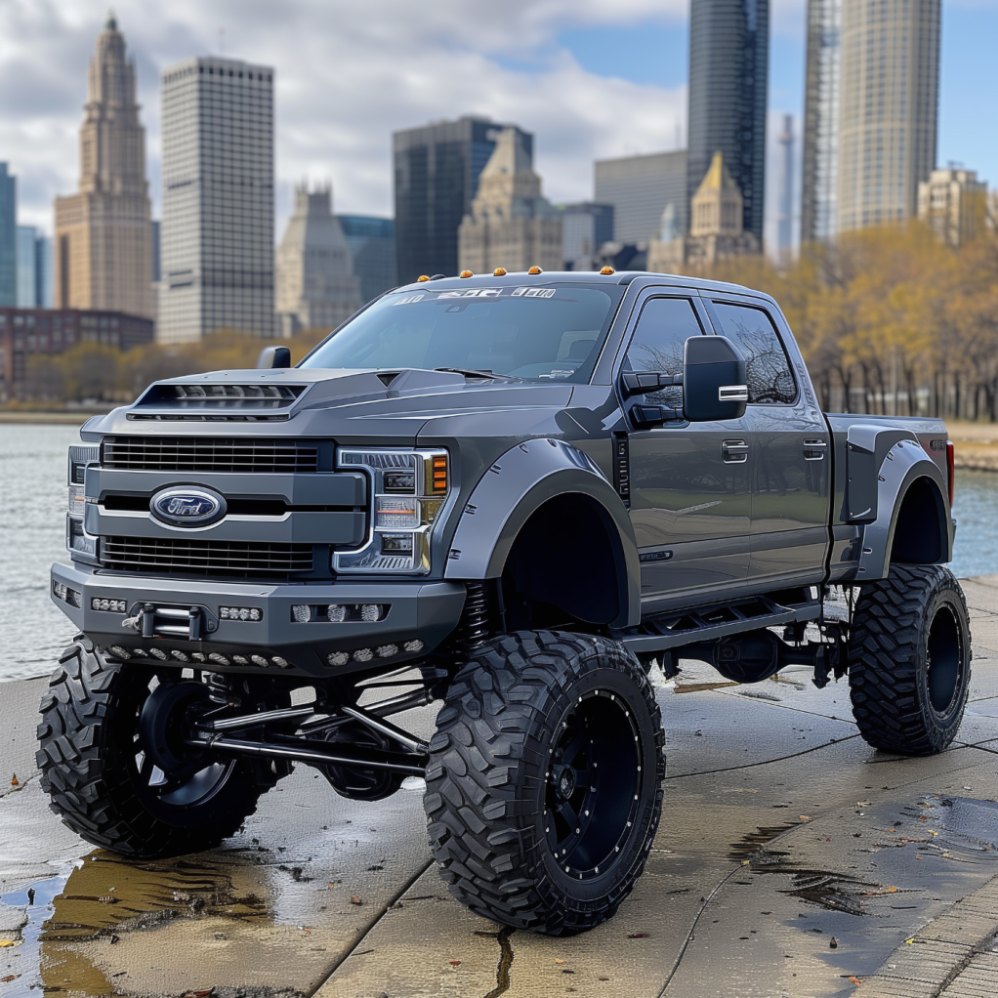
Lifted Trucks NJ: A Comprehensive Guide to Customization, Compliance, and Culture
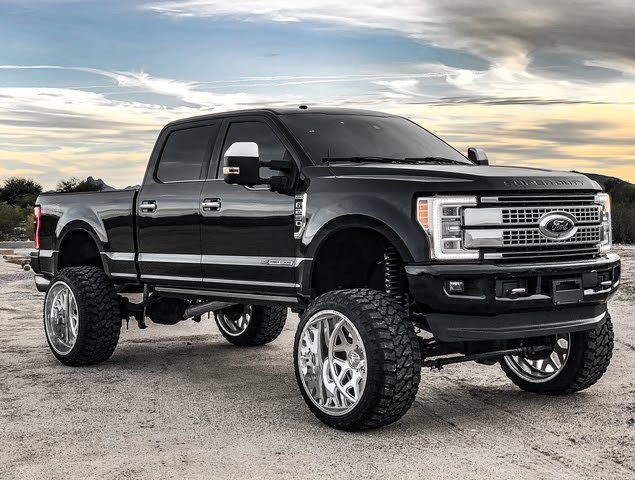
New Jersey, with its diverse landscape ranging from bustling urban centers to scenic rural routes and coastal dunes, presents a unique environment for truck enthusiasts. Among the most striking forms of vehicle customization are lifted trucks – powerful machines elevated to new heights, commanding attention on and off the road. For many in the Garden State, owning a lifted truck is more than just a statement; it’s a lifestyle, offering enhanced utility, a distinctive aesthetic, and a robust presence that truly stands out.
This comprehensive guide delves into the world of lifted trucks NJ, exploring everything from the mechanics of lift kits and the intricacies of New Jersey’s vehicle regulations to the practicalities of ownership and the vibrant culture surrounding these imposing vehicles. Whether you’re a seasoned enthusiast looking to upgrade or a newcomer contemplating your first modification, understanding the nuances of lifted trucks in New Jersey is crucial for a safe, compliant, and enjoyable experience.
Understanding Lift Kits: Types and Functions for NJ Drivers
At the heart of every lifted truck is its lift kit, a system of components designed to increase the vehicle’s ground clearance and often accommodate larger tires. Choosing the right lift kit is paramount, as it directly impacts performance, safety, and compliance with New Jersey’s specific regulations.
Body Lifts
Body lifts are generally the simplest and most economical way to gain some height. These kits involve placing spacers between the truck’s body and its frame, effectively raising the body without altering the suspension geometry. While they offer a modest lift (typically 1-3 inches) and allow for slightly larger tires, they don’t improve ground clearance under the frame or differentials. For NJ drivers primarily seeking an aesthetic boost or room for slightly larger tires without extensive suspension modifications, a body lift can be a viable option.
Suspension Lifts
Suspension lifts are more comprehensive, replacing or modifying components of the vehicle’s suspension system to increase overall height. These kits can range from a few inches to over a foot, providing significant ground clearance and often enhancing off-road capability.
- Spacer Lifts: These use spacers on top of existing coil springs or struts to achieve a moderate lift (1-3 inches). They are relatively inexpensive and maintain the factory ride quality but offer limited articulation improvements.
- Coilover/Leaf Spring Lifts: More advanced kits replace factory springs with longer, stiffer versions, often accompanied by new shocks, control arms, and other components. These systems are designed for serious off-roading, offering superior articulation, travel, and durability. For NJ truck owners navigating diverse terrains, from rocky trails to muddy paths, a well-engineered suspension lift is invaluable.
- Leveling Kits: While not strictly a "lift," leveling kits are worth mentioning. Many trucks come with a factory rake (front lower than the rear) to accommodate heavy loads. Leveling kits raise the front of the truck to match the rear, providing a slight lift and a more aggressive stance, often allowing for larger tires without full suspension modifications.
The choice of lift kit for your lifted trucks NJ project should be guided by your intended use (daily driving, towing, off-roading), budget, and the specific regulations enforced by the state.
The Legal Landscape for Lifted Trucks in New Jersey
New Jersey has specific regulations governing vehicle modifications, including maximum bumper and frame heights. These laws are in place to ensure safety for all road users and prevent excessively modified vehicles from posing a hazard. Ignorance of these laws can lead to fines, failed inspections, and even impoundment.
Key regulations for lifted trucks NJ include:
- Bumper Height: Maximum bumper heights vary by vehicle type (passenger cars, light trucks, heavy trucks). For most light trucks and SUVs, New Jersey’s regulations typically cap front bumper height at 28 inches and rear bumper height at 30 inches from the ground to the bottom of the bumper.
- Frame Height: The maximum frame height for most light trucks is generally limited to 31 inches, measured from the ground to the lowest point of the frame.
- Fender Coverage: All tires must be covered by fenders or mudguards to prevent debris from being thrown onto other vehicles. If your lift and larger tires result in the tires protruding beyond the fenders, fender flares will be necessary.
- Lighting: Headlights and taillights must remain at legal heights and angles to ensure proper visibility and avoid blinding other drivers.
- Brake Systems: Any modifications that affect the braking system must maintain its original effectiveness or improve upon it.
It is crucial to consult the latest New Jersey Motor Vehicle Commission (MVC) regulations or a reputable professional specializing in lifted trucks NJ to ensure your modifications are compliant. Failure to adhere to these standards can result in costly adjustments and potential legal issues.
The Process of Lifting Your Truck in NJ: From Planning to Post-Installation
Lifting your truck is a significant undertaking that requires careful planning, skilled execution, and proper follow-up.
Research and Planning
Before purchasing any components, thoroughly research different lift kits suitable for your truck’s make and model. Consider your driving habits, budget, and desired outcome. Decide whether you’ll opt for a professional installation or a DIY approach. While DIY can save money, the complexity of suspension systems often warrants professional expertise, especially for significant lifts. For lifted trucks NJ, finding a shop with experience in state compliance is invaluable.
Professional Installation vs. DIY
- Professional Installation: Recommended for most lift kits, especially suspension lifts. Reputable shops have the tools, expertise, and experience to ensure proper installation, alignment, and compliance. They can also advise on potential issues like driveshaft angles, brake line extensions, and speedometer calibration.
- DIY Installation: Possible for simpler body or leveling kits if you have mechanical experience, the right tools, and a detailed understanding of your truck’s systems. However, mistakes can compromise safety and vehicle integrity.
The Installation Process
A typical professional installation for a suspension lift involves:
- Disassembly: Removing existing suspension components (shocks, springs, control arms).
- Component Replacement: Installing new lift kit components (longer springs, new shocks, extended control arms, drop brackets, etc.).
- Reassembly: Ensuring all bolts are torqued to factory specifications.
- Peripheral Adjustments: Extending brake lines, adjusting sway bars, modifying driveshaft angles if necessary.
Post-Installation Essentials
After the lift kit is installed, several critical steps are needed:
- Wheel Alignment: Absolutely essential. Lifting a truck drastically changes its suspension geometry, requiring a professional alignment to prevent premature tire wear, ensure proper handling, and maintain safety.
- Tire Balancing: If you’ve installed larger tires, they must be properly balanced to prevent vibrations and ensure a smooth ride.
- Speedometer Calibration: Larger tires will cause your speedometer to read inaccurately. Calibration is necessary to ensure correct speed readings and odometer accuracy, which is important for legal compliance and vehicle maintenance schedules.
- Headlight Adjustment: Your headlights will now be aimed higher. They must be re-aimed to avoid blinding oncoming traffic.
Finding a Reputable Installer in NJ
When looking for a shop for your lifted trucks NJ project, consider:
- Experience: Look for shops specializing in truck lifts and off-road modifications.
- Reviews: Check online reviews and ask for references.
- Insurance: Ensure the shop is fully insured.
- Warranty: Inquire about warranties on parts and labor.
- Compliance Knowledge: Confirm they are knowledgeable about New Jersey’s lift laws.
Benefits and Challenges of Owning a Lifted Truck in NJ
Owning a lifted truck in New Jersey comes with a distinct set of advantages and potential drawbacks.
Benefits
- Enhanced Off-Road Capability: The primary benefit is increased ground clearance and articulation, allowing you to tackle rough trails, deep mud, and rocky terrain with greater ease – perfect for exploring NJ’s state parks and off-road trails (where permitted).
- Improved Visibility: Sitting higher provides a commanding view of the road, potentially enhancing awareness of surrounding traffic.
- Distinctive Aesthetic: Lifted trucks have an undeniable presence and aggressive look that appeals to many enthusiasts, making a strong personal statement.
- Larger Tire Accommodation: Lift kits allow for the installation of larger, more aggressive tires, which further improve off-road traction and add to the truck’s rugged appearance.
- Better Towing (with proper setup): While a higher center of gravity can be a concern, a properly set up lifted truck with heavy-duty suspension components can offer improved towing stability and capacity, especially when dealing with heavy trailers or uneven terrain.
Challenges
- Higher Center of Gravity: This can negatively impact handling, especially during cornering and emergency maneuvers, increasing the risk of rollovers if not driven cautiously.
- Increased Fuel Consumption: Larger, heavier tires and altered aerodynamics often lead to a noticeable decrease in fuel efficiency.
- Difficulty Parking and Garaging: The added height can make fitting into parking garages, drive-thrus, and some residential garages challenging.
- Potential Warranty Issues: Significant modifications, especially to the suspension, can potentially void parts of your factory warranty.
- Increased Wear and Tear: Components like ball joints, tie rods, and universal joints may experience accelerated wear due to altered angles and increased stress.
- Higher Insurance Costs: Some insurance providers may charge higher premiums for modified vehicles due to increased perceived risk or replacement costs.
- Accessibility: Entry and exit can be more challenging for passengers, especially children or those with mobility issues, often necessitating side steps or running boards.
Choosing the Right Tires and Wheels for Your Lifted NJ Truck
Once your truck is lifted, selecting the appropriate tires and wheels is crucial for both performance and aesthetics.
- Tire Size: The lift kit dictates the maximum tire size you can fit without rubbing. Consult your installer or kit manufacturer’s recommendations. Larger tires improve ground clearance and traction but can impact gearing and fuel economy.
- Tire Types:
- All-Terrain (A/T): A good balance for most NJ drivers, offering decent on-road manners and capable off-road performance.
- Mud-Terrain (M/T): Designed for extreme off-road conditions, offering aggressive tread patterns for maximum traction in mud, rocks, and dirt. They tend to be louder and wear faster on pavement.
- Wheel Considerations:
- Offset and Backspacing: These parameters determine how far your wheels sit in or out relative to the hub. Proper offset and backspacing are vital to prevent tires from rubbing against suspension components or fenders, especially with larger tires.
- Material and Durability: Aftermarket wheels come in various materials. Choose durable wheels that can withstand the demands of off-roading if that’s your intent.
Maintenance and Care for Lifted Trucks in NJ
Lifted trucks require diligent maintenance to ensure longevity, safety, and performance, especially given New Jersey’s varied driving conditions and winter weather.
- Regular Inspections: Frequently inspect all suspension components (shocks, springs, control arms, bushings, ball joints, tie rods) for wear, damage, or looseness. Pay attention to steering components.
- Greasing: Many aftermarket suspension components have grease fittings (zerk fittings) that require regular lubrication. Follow the manufacturer’s recommendations.
- Alignment Checks: Due to the increased stress and changes in geometry, regular alignment checks (every 6-12 months or after heavy off-roading) are more important for lifted trucks.
- Tire Rotation and Balancing: Rotate and balance your larger tires regularly to promote even wear and extend their lifespan.
- Rust Prevention: New Jersey winters involve road salt, which can accelerate rust. Regularly wash your truck, especially the undercarriage, and consider applying rust-preventative coatings.
- Fluid Checks: Monitor differential fluids, as altered driveshaft angles can sometimes affect their seals over time.
Conclusion: Embracing the Lifted Truck Lifestyle in the Garden State
Lifted trucks NJ represent a vibrant subculture of vehicle customization, blending enhanced utility with a powerful aesthetic. From conquering the Pine Barrens to navigating the highways with a commanding view, a properly modified and maintained lifted truck offers a unique driving experience. However, the journey to owning one requires careful consideration of New Jersey’s legal framework, meticulous planning for modifications, and a commitment to ongoing maintenance.
By prioritizing safety, adhering to state regulations, and seeking professional expertise, New Jersey truck enthusiasts can confidently enjoy the benefits of their elevated rides. The world of lifted trucks in NJ is about more than just height; it’s about capability, personal expression, and a community that appreciates the robust spirit of these magnificent machines.
Lifted Trucks NJ: Estimated Price Table for Common Modifications
This table provides estimated costs for common lift kit components, installation, and related services for lifted trucks NJ. Prices can vary significantly based on truck make/model, brand of parts, complexity of the kit, and labor rates in your specific area.
| Item/Service | Description | Estimated Price Range (USD) |
|---|---|---|
| Lift Kits (Parts Only) | ||
| Leveling Kit | Raises front to match rear, 1-2.5 inches. | $100 – $400 |
| Body Lift Kit (1-3 inches) | Raises body off frame with spacers. | $200 – $700 |
| Suspension Lift Kit (2-4 inches) | Moderate lift for larger tires, improved ground clearance. | $500 – $2,000 |
| Suspension Lift Kit (6+ inches) | Significant lift for serious off-roading, extensive modifications. | $1,500 – $5,000+ |
| Installation Labor (Estimates) | ||
| Leveling Kit Installation | Includes labor for installing front spacers. | $200 – $500 |
| Body Lift Kit Installation | More labor-intensive, requires extending lines/hoses. | $400 – $1,000 |
| Suspension Lift Kit Installation (2-4 in) | Includes labor for full suspension component replacement/adjustment. | $600 – $1,500 |
| Suspension Lift Kit Installation (6+ in) | More complex, may include additional driveline modifications. | $1,000 – $2,500+ |
| Related Services | ||
| Wheel Alignment | Essential after any lift kit installation. | $80 – $200 |
| Speedometer Calibration | Necessary after installing larger tires. | $100 – $300 |
| Headlight Re-aiming | Adjusting headlights post-lift. | $50 – $150 |
| Re-gearing (Parts & Labor) | May be needed for large tires to restore performance/fuel economy. | $1,500 – $3,000+ (per axle) |
| Tires & Wheels (Per Unit) | ||
| All-Terrain Tires (33-35 inches) | High-quality tires for lifted trucks. | $250 – $500+ (per tire) |
| Mud-Terrain Tires (35+ inches) | Aggressive tires for off-road use. | $350 – $700+ (per tire) |
| Aftermarket Wheels (17-20 inches) | Custom wheels to complement the lift. | $150 – $400+ (per wheel) |
| Additional Accessories | ||
| Fender Flares | Required if tires extend beyond fenders (for compliance). | $200 – $800+ |
| Running Boards/Side Steps | For easier entry/exit. | $200 – $1,000+ |
Frequently Asked Questions (FAQ) about Lifted Trucks NJ
Here are answers to common questions about lifted trucks NJ:
Q1: Are lifted trucks legal in New Jersey?
A1: Yes, lifted trucks are legal in New Jersey, but they must comply with specific state regulations regarding maximum bumper height, frame height, and tire coverage. It’s crucial to ensure your modifications fall within these legal limits to pass inspection and avoid fines. Click here for more information on NJ vehicle regulations. (Note: This link is a placeholder and may not be live. Always consult the official NJ MVC website for current regulations.)
Q2: How much does it cost to lift a truck in NJ?
A2: The cost varies widely depending on the type of lift kit, the specific components, and whether you opt for professional installation. A leveling kit might cost $300-$900 (parts and labor), while a comprehensive suspension lift could range from $1,500 to $7,000 or more, including parts, installation, alignment, and potentially new tires and wheels. Refer to the price table above for a detailed breakdown.
Q3: Will lifting my truck void the factory warranty?
A3: This is a common concern. Generally, a lift kit itself won’t automatically void your entire factory warranty. However, if a lift-related modification directly causes a failure in a covered component (e.g., a suspension lift causing premature wear on drive train components), the manufacturer may deny warranty coverage for that specific repair. It’s best to check with your dealership or the manufacturer before making significant modifications.
Q4: Do I need bigger tires after a lift?
A4: While not strictly required, most people lift their trucks to accommodate larger tires, which enhance the aggressive look and improve off-road capability. The amount of lift dictates how large of a tire you can fit without rubbing. If you install larger tires, you’ll also need to calibrate your speedometer.
Q5: Does lifting a truck affect fuel economy?
A5: Yes, significantly. Lifting a truck, especially when combined with larger, heavier, and more aggressive tires, increases aerodynamic drag and rolling resistance. This almost always leads to a noticeable decrease in fuel efficiency. Re-gearing can help mitigate some of the performance loss but won’t fully restore original fuel economy.
Q6: What are the best shops for lifted trucks in NJ?
A6: The "best" shop can be subjective and depends on your location and specific needs. Look for shops with excellent online reviews, experienced technicians specializing in truck modifications, and a strong understanding of New Jersey’s lift laws. Ask for references and inquire about their warranty on parts and labor. Many reputable off-road and truck accessory shops across NJ can perform quality lift installations.