Lifted Trucks Maine: A Comprehensive Guide to Customizing Your Ride for the Pine Tree State
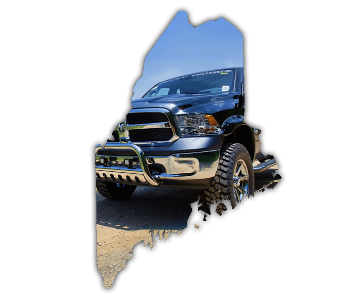
Lifted Trucks Maine: A Comprehensive Guide to Customizing Your Ride for the Pine Tree State
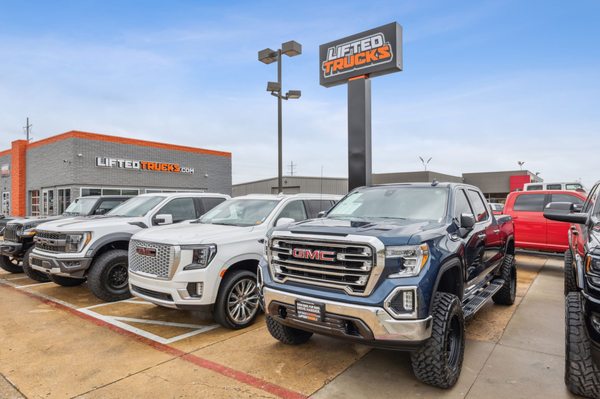
Maine, with its rugged coastlines, dense forests, snow-covered winters, and miles of unpaved roads, presents a unique environment for vehicle owners. It’s a state where practicality often intertwines with a love for the outdoors, and nowhere is this more evident than in the popularity of lifted trucks. A lifted truck Maine isn’t just a statement; it’s a tool, an enhancement, and a reflection of the adventurous spirit that defines life in the Pine Tree State.
At its core, a lifted truck is a vehicle whose suspension or body has been modified to increase its ground clearance, allowing for larger tires and a higher stance. For Maine residents, this modification transcends mere aesthetics, offering tangible benefits for navigating the state’s diverse and often challenging terrain. Whether you’re hauling a boat to one of Maine’s countless lakes, traversing muddy logging roads to a remote hunting camp, or simply seeking better visibility over snowdrifts on a winter morning, a properly equipped lifted truck can be an invaluable asset. This guide will delve into every aspect of lifted trucks in Maine, from understanding the different types of lifts and the installation process to navigating legalities, ensuring safety, and maintaining your custom rig in Maine’s demanding climate.
Why Lift a Truck in Maine? The Benefits for the Pine Tree State Driver
The decision to lift a truck in Maine is often driven by a combination of practical needs and personal preference. The state’s unique geography and weather patterns make a compelling case for increased ground clearance and robust capabilities.
- Navigating Maine’s Diverse Terrain: Maine is a playground for outdoor enthusiasts, but its beauty comes with ruggedness. Unpaved logging roads, rocky trails, deep mud, and uneven terrain are common. A lifted truck provides the crucial ground clearance needed to avoid scraping the undercarriage, getting high-centered, or damaging vital components. This is especially true when accessing remote hunting grounds, fishing spots, or off-grid campsites.
- Conquering Winter Conditions: Maine winters are legendary for heavy snowfall and icy conditions. A lifted truck, paired with appropriate winter tires, offers improved visibility over snowdrifts and the ability to drive through deeper snow without getting stuck. The higher stance can also keep critical engine and exhaust components away from corrosive road salt and slush.
- Utility for Outdoor Activities: From hauling snowmobiles and ATVs to pulling fishing boats and campers, Maine residents frequently rely on their trucks for utility. A lifted truck can enhance towing and hauling capabilities by allowing for larger, more aggressive tires that provide superior traction on slippery boat ramps or muddy trails, ensuring you can get your gear where it needs to go.
- Aesthetic Appeal and Personal Expression: Beyond the practicalities, there’s an undeniable cool factor to a lifted truck. For many, it’s a form of personal expression, showcasing a rugged style that resonates with Maine’s outdoorsy culture. A lifted truck stands out, reflecting the owner’s passion for adventure and a desire for a vehicle that’s as capable as it is commanding.
- Improved Visibility: The elevated driving position offers a better vantage point, allowing drivers to see further down the road, over traffic, and anticipate potential hazards, especially useful on Maine’s winding backroads and during heavy weather.
Understanding Lift Kits: Types and Considerations for Maine Drivers
Choosing the right lift kit is crucial for optimal performance and safety. There are several types of kits, each with distinct characteristics that make them suitable for different needs and budgets.
Types of Lift Kits
-
Suspension Lifts:
- Description: These kits replace or modify components of your truck’s suspension system, such as coil springs, leaf springs, shocks, control arms, and sometimes even steering components. They physically raise the entire vehicle higher off the axles.
- Pros: Provide significant ground clearance, allow for much larger tires, improve off-road articulation and performance, and often enhance ride quality with performance-tuned shocks. They are the go-to for serious off-road enthusiasts.
- Cons: Generally the most expensive and complex to install, can alter ride characteristics (though often for the better off-road), and may require additional modifications like driveshaft adjustments or brake line extensions.
- Brands for Maine: Reputable brands like BDS Suspension, Fox Racing Shox, Bilstein, Rough Country, and Old Man Emu offer durable, performance-oriented kits suitable for Maine’s harsh conditions.
-
Body Lifts:
- Description: Instead of modifying the suspension, body lifts use spacers placed between the truck’s frame and body to raise the body higher. The original suspension components remain intact.
- Pros: Less expensive than suspension lifts, relatively easier to install, maintain the factory ride quality, and allow for slightly larger tires without affecting suspension geometry.
- Cons: Do not increase ground clearance at the axles (only the body), can create a visible gap between the frame and body, and offer no performance benefit for off-roading.
- Considerations: Best for those primarily seeking a taller look and space for slightly larger tires without significant off-road aspirations.
-
Leveling Kits:
- Description: These are smaller kits, usually consisting of spacers for the front suspension, designed to eliminate the factory "rake" (where the front of the truck sits lower than the rear). They typically provide 1-3 inches of lift.
- Pros: Most affordable and easiest to install, correct the factory stance, and allow for slightly larger tires (often one size up).
- Cons: Offer minimal actual lift, do not significantly improve off-road performance, and only raise the front of the vehicle.
- Considerations: Ideal for drivers who want to achieve a more aggressive stance, accommodate slightly larger tires, or simply level out their truck without major modifications.
Factors to Consider for Maine Drivers
- Intended Use: Are you a serious off-roader, a casual adventurer, or primarily looking for aesthetics? Your use case will dictate the type and extent of the lift.
- Budget: Lift kits range widely in price, from a few hundred dollars for a leveling kit to several thousands for a comprehensive suspension system, not including installation and new tires.
- Tire Size: The lift kit you choose directly impacts the maximum tire size you can fit. Larger tires often require re-gearing the differentials to maintain optimal performance and fuel efficiency, especially in Maine’s varied topography.
- Towing and Hauling: Be aware that significant lifts can affect a truck’s towing and hauling stability, especially if not properly engineered or if combined with extremely large tires.
- Legal Regulations: Maine has specific laws regarding vehicle modifications. Ensure your chosen lift complies with these regulations to avoid fines and safety issues.
The Installation Process: DIY vs. Professional in Maine
Once you’ve chosen your lift kit, the next step is installation. This can be a significant undertaking, and deciding between a DIY approach and professional installation requires careful consideration, especially given the complexities and safety implications.
Do-It-Yourself (DIY) Installation
- Pros:
- Cost Savings: The most obvious benefit is avoiding labor costs, which can be substantial for complex suspension lifts.
- Learning Experience: For mechanically inclined individuals, it’s an opportunity to learn about their vehicle and gain valuable wrenching skills.
- Flexibility: You can work at your own pace.
- Cons:
- Required Tools: Proper tools, including jack stands, floor jacks, torque wrenches, and sometimes specialized equipment, are essential.
- Mechanical Knowledge: A good understanding of automotive mechanics, especially suspension systems, is crucial to ensure proper and safe installation.
- Safety Risks: Working under a heavy vehicle carries inherent risks. Improper lifting or securing can lead to serious injury.
- Potential for Errors: Incorrect installation can lead to alignment issues, premature wear of components, compromised handling, and even catastrophic failure.
- When to Consider DIY in Maine: DIY is generally more feasible for simpler modifications like leveling kits or body lifts, where the components are fewer and the impact on critical suspension geometry is less profound. Always follow the manufacturer’s instructions meticulously.
Professional Installation
- Pros:
- Expertise and Experience: Reputable shops in Maine (e.g., in Portland, Bangor, Augusta, Lewiston, or even smaller towns with specialty shops) have trained technicians who understand the nuances of various lift kits and vehicle models.
- Proper Tools and Equipment: Professionals have access to specialized tools, lifts, and alignment equipment necessary for a precise and safe installation.
- Warranty: Many shops offer a warranty on their labor, providing peace of mind.
- Safety: Professional installation significantly reduces the risk of accidents during the process and ensures the vehicle is safe to drive afterward.
- Alignment: Crucial for any lift, professional shops will perform a post-installation alignment to correct steering geometry and prevent tire wear.
- Cons:
- Cost: Labor costs can add significantly to the overall expense of the lift.
- Scheduling: You’ll need to schedule an appointment and be without your vehicle for a period.
- When to Consider Professional Installation in Maine: For complex suspension lifts (especially those over 3-4 inches), or if you lack the necessary tools, expertise, or time, professional installation is highly recommended. The peace of mind that comes with a correctly installed and aligned system is well worth the investment. Always research shops, read reviews, and get multiple quotes.
Legality and Safety: Navigating Maine’s Regulations
While lifting a truck offers numerous benefits, it’s paramount to understand and comply with Maine’s vehicle modification laws and to be aware of the safety implications.
Maine’s Vehicle Modification Laws
Maine has regulations in place to ensure that modified vehicles remain safe for public roads. These typically cover:
- Bumper Height: There are maximum bumper heights depending on the vehicle’s gross vehicle weight rating (GVWR). For passenger vehicles and trucks under 4,500 lbs GVWR, the maximum bumper height is 24 inches (front) and 26 inches (rear). For trucks 4,501-7,000 lbs GVWR, it’s 27 inches (front) and 29 inches (rear). For trucks 7,001-10,000 lbs GVWR, it’s 28 inches (front) and 30 inches (rear). Always measure from the ground to the lowest point of the main bumper structure.
- Headlight Height: Headlights must generally be mounted between 24 and 54 inches from the ground. Excessive lift could push headlights above this limit, requiring adjustments or auxiliary lighting.
- Fender Coverage: Tires must be adequately covered by fenders to prevent debris from being thrown onto other vehicles or pedestrians. If larger tires extend beyond the factory fenders, fender flares may be required.
- Mud Flaps: Some regulations may also apply to mud flap requirements, especially for commercial vehicles or those with large tires.
It’s crucial to check the most current Maine Bureau of Motor Vehicles (BMV) regulations or consult with a reputable lift kit installer to ensure your modifications are compliant. Failure to comply can result in fines, inspection failures, and even having your vehicle taken off the road.
Safety Concerns with Lifted Trucks
- Center of Gravity: Lifting a truck raises its center of gravity, which can increase the risk of rollover, especially during sharp turns or evasive maneuvers.
- Braking Performance: Larger, heavier tires can increase stopping distances. Upgrading brakes might be necessary for optimal safety.
- Steering Geometry: Improperly installed or excessive lifts can negatively affect steering geometry, leading to vague steering, "death wobble," or accelerated wear on steering components.
- Tire Wear: Incorrect alignment, a common consequence of lifting, will lead to uneven and premature tire wear.
- Warranty and Insurance: Significant modifications can potentially void parts of your factory warranty. Additionally, inform your insurance provider about modifications, as they might affect your coverage.
Tips for Safe Operation
- Adjust Driving Style: Drive more cautiously, especially around corners, on uneven terrain, and in strong winds.
- Regular Maintenance: Keep up with frequent inspections of suspension, steering, and braking components.
- Proper Lighting: Ensure headlights are properly aimed after a lift, and consider auxiliary lighting if necessary for off-road visibility.
- Quality Components: Invest in high-quality lift kits and professional installation to minimize safety risks.
Maintenance and Care for Lifted Trucks in Maine’s Climate
Maine’s climate, characterized by harsh winters with road salt and sand, as well as muddy spring thaws and dusty summer trails, presents specific challenges for maintaining a lifted truck. Proactive care is essential to ensure longevity and performance.
Specific Challenges in Maine
- Corrosion from Road Salt: The extensive use of road salt in winter can rapidly corrode metal components, including suspension parts, frame, and brake lines.
- Mud and Grime: Off-roading, especially in spring, can pack mud into every crevice, accelerating wear and concealing damage.
- Temperature Extremes: Extreme cold can make rubber and plastic components brittle, while summer heat can stress fluids and seals.
- Dust and Sand: Dry conditions can lead to dust infiltrating bearings and joints, causing abrasive wear.
Essential Maintenance Schedule
- Regular Cleaning (Especially Underbody):
- Frequency: After any off-road excursion, and regularly during winter.
- Action: Thoroughly wash the undercarriage to remove salt, mud, and grime. Pay attention to suspension components, steering linkages, and brake lines. A pressure washer can be very effective.
- Inspect Suspension Components:
- Frequency: Every oil change or at least quarterly.
- Action: Check all bushings, ball joints, tie rod ends, control arm connections, and shock absorbers for wear, cracks, leaks, or damage. Lubricate greaseable fittings.
- Alignment Checks:
- Frequency: After any suspension modification, after hitting a significant pothole or obstacle, and at least annually.
- Action: Ensure proper wheel alignment to prevent premature tire wear and maintain safe handling.
- Tire Rotation and Balancing:
- Frequency: Every 5,000-7,000 miles.
- Action: Regular rotation promotes even tire wear, and balancing prevents vibrations. Larger tires on lifted trucks are more prone to uneven wear.
- Rust Prevention:
- Frequency: Annually, preferably before winter.
- Action: Consider professional undercoating or rust-proofing treatments. Inspect the frame and suspension for early signs of rust and address them promptly.
- Fluid Checks:
- Frequency: Regularly.
- Action: Monitor differential fluid, transmission fluid, and brake fluid, especially if larger tires or heavy towing are involved, as these can increase stress on the drivetrain.
Parts Longevity
Be prepared for certain components to wear out faster on a lifted truck, especially if regularly driven off-road or with oversized tires. Ball joints, tie rod ends, universal joints, and CV axles (if applicable) often experience increased stress. Investing in heavy-duty or aftermarket replacements can improve durability.
Finding Your Lifted Truck Community in Maine
Maine’s love for outdoor adventure naturally fosters a vibrant community of lifted truck enthusiasts. Connecting with this community can provide valuable insights, support, and opportunities for shared experiences.
- Local Clubs and Meetups: Search for local 4×4 clubs, off-road groups, or truck enthusiast gatherings in your area. These groups often organize trail runs, maintenance days, and social events.
- Online Forums and Social Media: Platforms like Facebook and dedicated automotive forums host numerous Maine-specific lifted truck groups. These are excellent resources for asking questions, getting recommendations for shops or parts, and finding local events.
- Off-Road Parks and Trails: While Maine has limited dedicated off-road parks, there are many miles of unpaved roads and trails, particularly on public lands (with proper permits and respect for regulations), where enthusiasts gather. Always adhere to Tread Lightly! principles to preserve these natural resources.
- Automotive Events and Shows: Keep an eye out for local truck shows, county fairs, and automotive swap meets. These events are great places to see customized trucks, talk to owners, and discover new products or services.
Practical Advice and Actionable Insights
For anyone considering or already owning a lifted truck in Maine, here’s some practical advice:
- Do Your Homework: Thoroughly research different lift kits, their pros and cons, and how they interact with your specific truck model. Don’t rush into a decision.
- Prioritize Safety and Legality: Always ensure your modifications comply with Maine’s laws and that safety is never compromised. A ticket or an accident isn’t worth a few extra inches of lift.
- Match the Lift to Your Needs: Be realistic about your intended use. A small leveling kit might be sufficient for aesthetics and light trail use, while a full suspension lift is for serious off-roaders.
- Budget for Everything: The cost of a lift kit is just the beginning. Factor in professional installation, potential need for larger tires, alignment, and ongoing maintenance.
- Seek Professional Help for Complex Jobs: If you’re not an experienced mechanic, entrust complex suspension lifts to reputable shops. The investment in professional installation is an investment in safety and performance.
- Maintain Diligently: Maine’s environment is tough on vehicles. Regular cleaning and maintenance are crucial for the longevity of your lifted truck.
Conclusion
A lifted truck in Maine is more than just a vehicle; it’s a statement of capability and a gateway to the state’s rugged beauty. From navigating snow-choked roads and muddy trails to confidently pulling heavy loads, the benefits of a properly lifted truck are undeniable for the Maine driver. However, this enhancement comes with responsibilities – understanding the types of lifts, ensuring professional installation, adhering to legal and safety standards, and committing to rigorous maintenance. By approaching the world of lifted trucks with knowledge and caution, Maine enthusiasts can enjoy all the advantages their customized rig offers, confidently tackling whatever the Pine Tree State throws their way, responsibly and with a deep appreciation for adventure.
Estimated Price Table: Lifted Trucks Maine
This table provides estimated price ranges for various components and services related to lifting a truck in Maine. Prices can vary significantly based on vehicle make/model, brand of components, shop labor rates, and specific features.
| Component/Service | Description | Estimated Price Range (USD) | Notes |
|---|---|---|---|
| Leveling Kit (Front Only) | Spacers or torsion keys to raise the front of the truck 1-3 inches. | $100 – $400 | DIY-friendly, minimal impact on suspension. Does not increase ground clearance at axles. |
| Body Lift Kit (1-3 inches) | Spacers between frame and body. Maintains factory suspension. | $200 – $700 | DIY possible. Does not increase ground clearance at axles. May require bumper relocation brackets. |
| Small Suspension Lift (2-4 inches) | Basic kit including new shocks/struts, springs, or spacers. | $500 – $2,000 | Good balance of aesthetics and mild off-road capability. May require new control arms. |
| Medium Suspension Lift (4-6 inches) | Comprehensive kit with new shocks, springs, control arms, possibly drop brackets for suspension. | $1,500 – $4,000 | Significant off-road improvement. Often requires larger tires. Professional installation highly recommended. |
| Large Suspension Lift (6+ inches) | Full-blown system including major suspension overhauls, possibly new driveshafts, brake lines, etc. | $3,000 – $10,000+ | For serious off-roaders or show trucks. Requires extensive modifications. High labor cost. |
| Professional Installation (Labor) | Cost of a shop to install the lift kit. | $400 – $1,500+ | Varies greatly by lift complexity and shop rates. Larger lifts command higher labor costs. |
| Wheel Alignment | Essential after any lift to correct steering geometry and prevent tire wear. | $80 – $200 | Crucial for safety and tire longevity. Often included with professional installation packages. |
| Larger All-Terrain/Mud-Terrain Tires | A set of four new tires to complement the lift. | $800 – $2,500+ | Price depends on size, brand, and type. Often the largest single expense. |
| Aftermarket Wheels (Set of 4) | Optional, but often chosen with larger tires for aesthetics and proper fitment. | $600 – $2,000+ | Price depends on material, brand, and design. |
| Fender Flares | Required if larger tires extend beyond factory fenders to comply with Maine laws. | $150 – $600 | Varies by material and style. |
| Re-gearing Differentials | Recommended for significant tire size increases to restore power and fuel efficiency. | $1,500 – $3,000+ | Highly recommended for optimal performance and to prevent transmission/engine strain with very large tires. Includes parts and labor. |
| Rust Proofing/Undercoating | Protection against Maine’s road salt and elements. | $300 – $800 | Recommended annually, especially before winter. |
Note: These are estimates. Always obtain detailed quotes from reputable local shops for accurate pricing.
Frequently Asked Questions (FAQ) about Lifted Trucks in Maine
Q1: Is it legal to lift a truck in Maine?
A1: Yes, it is legal to lift a truck in Maine, but there are specific regulations regarding maximum bumper height, headlight height, and fender coverage. It’s crucial to ensure your modifications comply with these laws to avoid fines and inspection issues. Always check the current Maine Bureau of Motor Vehicles (BMV) guidelines.
Q2: How much does it cost to lift a truck in Maine?
A2: The cost varies significantly based on the type of lift, brand, and whether you opt for DIY or professional installation. A simple leveling kit can be a few hundred dollars, while a comprehensive suspension lift with professional installation and new tires can easily range from $3,000 to $10,000 or more. See the "Estimated Price Table" above for a detailed breakdown.
Q3: What kind of lift is best for Maine?
A3: The "best" lift depends on your intended use.
- Leveling kits are good for a mild aesthetic change and slightly larger tires.
- Body lifts offer a taller look without affecting suspension.
- Suspension lifts (2-6+ inches) are ideal for Maine’s rugged terrain, providing increased ground clearance and allowing for larger, more aggressive tires, which are beneficial for snow, mud, and rocky trails.
Q4: Will lifting my truck affect its warranty?
A4: Yes, modifications like lifting can potentially void parts of your factory warranty, especially those related to the suspension, drivetrain, and steering components. It’s advisable to check with your dealership or manufacturer before making significant modifications.
Q5: Do I need bigger tires if I lift my truck?
A5: While not strictly mandatory for all lifts (especially leveling kits), most drivers choose to install larger tires after lifting to complement the new stance and maximize the benefits of increased ground clearance. Larger tires often provide better traction for off-road conditions common in Maine. Be aware that significantly larger tires may require re-gearing the differentials for optimal performance.
Q6: What are the safety concerns with lifted trucks?
A6: Lifting a truck raises its center of gravity, which can increase the risk of rollover. It can also affect braking performance, steering geometry, and tire wear if not properly installed and maintained. Professional installation and regular maintenance, including alignment checks, are crucial for safety. Drivers should also adjust their driving style to account for the higher center of gravity.
Q7: Where can I get my truck lifted in Maine?
A7: You can find reputable shops specializing in truck accessories and suspension work throughout Maine, particularly in larger cities like Portland, Bangor, Augusta, and Lewiston. Many smaller towns also have experienced mechanics or specialized off-road shops. Always research shops, read reviews, and get multiple quotes to ensure quality work.