Lifted Trucks in Texas: A Comprehensive Guide
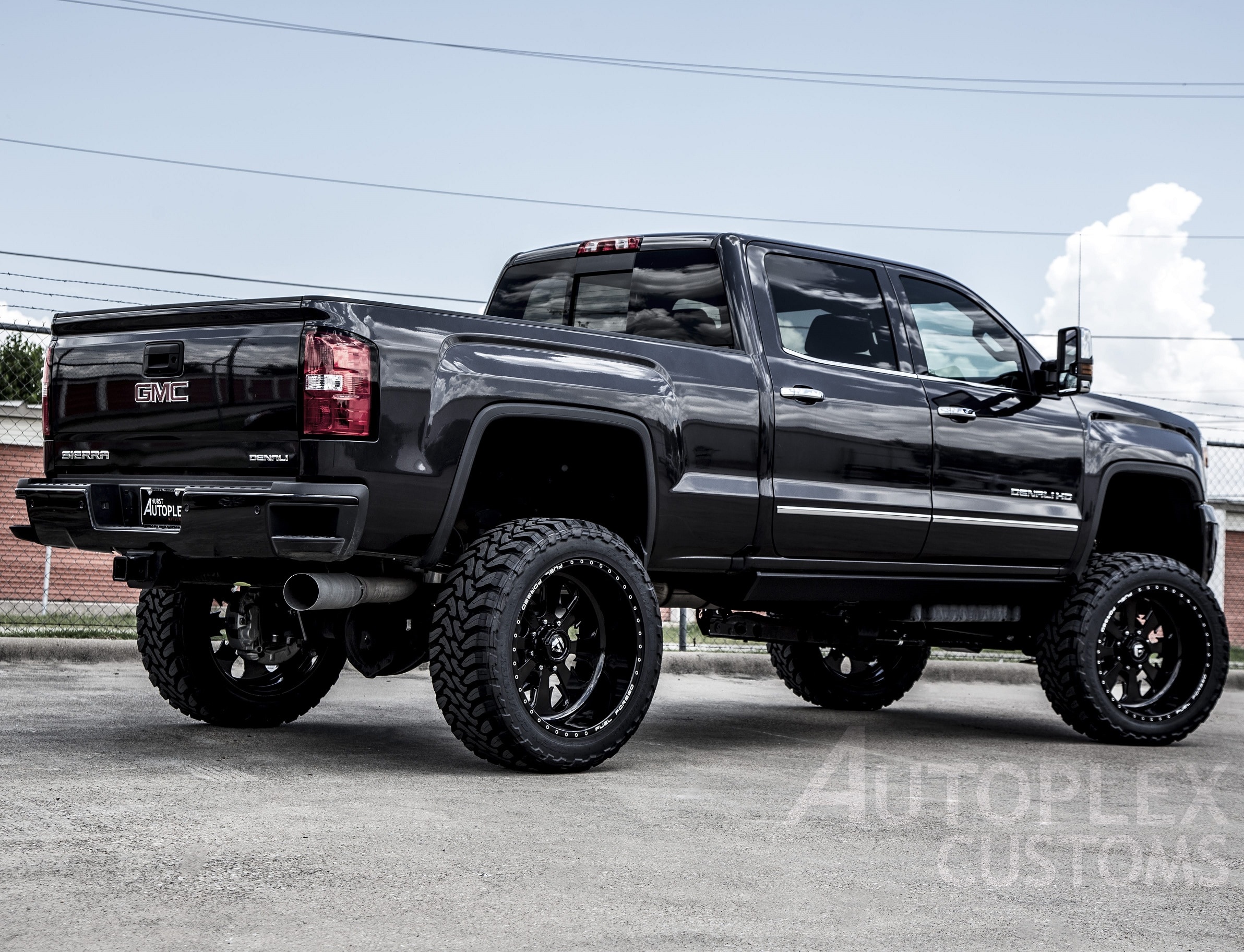
Lifted Trucks in Texas: A Comprehensive Guide
Introduction: The Unmistakable Presence of Lifted Trucks in Texas
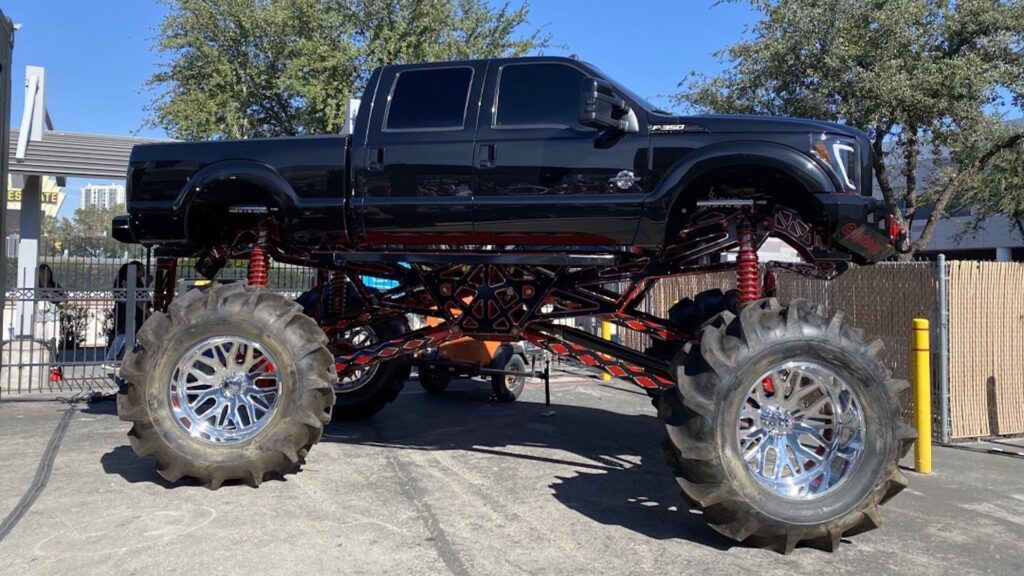
In the vast expanse of Texas, where everything is said to be bigger, the presence of lifted trucks is an undeniable and iconic part of the landscape. More than just a vehicle, a lifted truck in Texas embodies a unique blend of utility, personal expression, and cultural identity. From the sprawling ranches of West Texas to the bustling urban centers of Houston and Dallas, these elevated machines command attention, project rugged capability, and serve as a testament to the Lone Star State’s enduring love affair with powerful, customized vehicles.
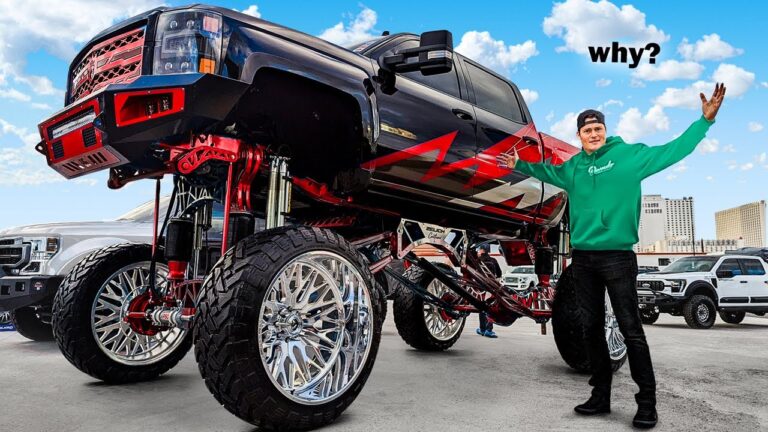
A lifted truck, at its core, is a pickup truck that has been modified to sit higher off the ground than its factory specifications. This elevation is achieved through specialized lift kits that alter the suspension or body of the vehicle, often allowing for larger tires and wheels. While the practical benefits—such as enhanced off-road capability and improved ground clearance—are significant, the aesthetic appeal and the statement a lifted truck makes are equally compelling for many Texans. This article will delve into every facet of lifted trucks in Texas, exploring their cultural significance, the mechanics behind their elevation, practical considerations, and offering valuable insights for anyone looking to join this distinctive automotive tradition.
The Cultural Phenomenon: More Than Just Metal and Tires
The deep-rooted fascination with lifted trucks in Texas is far more than a simple automotive trend; it’s a cultural phenomenon woven into the fabric of the state’s identity. Texas boasts a rich history of agriculture, oil exploration, and a frontier spirit that values self-reliance and robust tools. For generations, pickup trucks have been indispensable workhorses on ranches, oil fields, and construction sites. The evolution to lifted trucks represents an extension of this utility, providing enhanced capability for navigating rugged terrain, pulling heavy loads, and simply standing out from the crowd.
In Texas, a lifted truck often symbolizes independence, strength, and a readiness for any challenge. It’s a vehicle that can transition seamlessly from a demanding workday to a weekend adventure, whether that involves traversing muddy trails, hauling a horse trailer, or simply cruising down the highway with an undeniable presence. Furthermore, the vibrant truck show culture across the state showcases the artistry and passion behind these modifications, where owners invest heavily in custom paint jobs, elaborate lighting, and powerful audio systems, transforming their trucks into rolling masterpieces. It’s a statement of pride, a reflection of personality, and a connection to a community that shares a passion for powerful, personalized machines.
The Mechanics of Elevation: How Trucks Get Lifted
Understanding how a truck is lifted is crucial for any owner or enthusiast. The process involves modifying the vehicle’s suspension or body to increase its ground clearance. There are generally two main types of lift kits:
1. Suspension Lift Kits
These are the most common and comprehensive type of lift kit, designed to increase the distance between the vehicle’s frame and the ground by modifying the suspension components.
- Components: Suspension lift kits typically include taller coil springs, longer shocks, new leaf springs (for rear axles), extended control arms, drop brackets, and sometimes new steering components.
- Benefits: They provide genuine increased ground clearance, allowing for larger tires and improving articulation for serious off-road performance. They maintain the original ride quality better than body lifts (depending on the quality of the kit).
- Height: Can range from a modest 2 inches to extreme lifts of 8 inches or more.
2. Body Lift Kits
Unlike suspension lifts, body lift kits raise the truck’s body from its frame without altering the suspension geometry.
- Components: These kits use spacers (often made of polyurethane or aluminum) placed between the truck’s cab and bed and the frame. Longer bolts are used to secure the body to the raised position.
- Benefits: They are generally less expensive and easier to install than suspension lifts. They allow for slightly larger tires without changing the vehicle’s center of gravity as dramatically as a high suspension lift.
- Height: Typically offer smaller lifts, usually 1 to 3 inches.
- Considerations: They don’t improve ground clearance under the axles or differentials, and they can create a gap between the frame and the body, which some owners choose to conceal.
3. Leveling Kits
While not technically a "lift kit," leveling kits are a popular modification in Texas. Many factory trucks sit lower in the front than the rear to accommodate heavy loads. Leveling kits raise the front of the truck by 1-2 inches to make it sit level, improving aesthetics and allowing for slightly larger tires. They are an economical way to achieve a subtle but noticeable change.
Choosing the right type of lift depends on the owner’s goals: aesthetic enhancement, mild off-roading, or extreme trail performance. Professional installation is highly recommended for suspension lifts to ensure safety and proper alignment.
Benefits and Practicality: Why Texans Lift Their Trucks
The reasons behind lifting a truck in Texas are diverse, blending practical advantages with personal preference:
- Enhanced Off-Road Capability: This is arguably the primary practical benefit. Increased ground clearance allows trucks to navigate over obstacles like rocks, logs, and deep ruts without damaging the undercarriage. Larger tires provide better traction in mud, sand, and loose terrain.
- Improved Visibility: Sitting higher often provides a commanding view of the road, which can be advantageous in heavy traffic or when navigating crowded work sites.
- Aesthetics and Personalization: For many, the imposing stance and aggressive look of a lifted truck are the main draws. It’s a canvas for self-expression, allowing owners to customize their vehicles to reflect their personality and style.
- Work and Utility: In industries like oil and gas, agriculture, and construction, lifted trucks are often better equipped to handle rugged job sites, access remote locations, and carry specialized equipment that benefits from the extra clearance.
- Towing and Hauling: While lifting a truck doesn’t directly increase towing capacity, it often goes hand-in-hand with upgrading to larger, more robust tires and suspension components that can better handle heavy loads and rough terrain when towing trailers.
Important Considerations and Potential Challenges
While the allure of a lifted truck is strong, potential owners in Texas must be aware of several important considerations and challenges:
- Legality: Texas has specific laws regarding vehicle height, tire coverage, and lighting. For example, Texas law (Transportation Code § 547.606) specifies maximum bumper heights (e.g., 28 inches for trucks under 5,000 lbs GVWR, 30 inches for 5,001-10,000 lbs GVWR). Tires must be covered by fenders, and headlights and taillights must remain within certain height limits. Always check the latest Texas Department of Public Safety (DPS) regulations to ensure your modifications are compliant.
- Safety: Lifting a truck raises its center of gravity, which can affect handling, stability, and braking performance. Higher lifts can increase the risk of rollovers, especially during aggressive cornering or evasive maneuvers. Proper suspension geometry and professional installation are critical to mitigate these risks. Entry and exit also become more challenging, often requiring side steps.
- Cost: The investment in a lifted truck goes beyond the kit itself. Expect to pay for installation, larger tires, new wheels, and potentially other modifications like re-gearing the differentials to compensate for larger tires. Fuel economy will almost certainly decrease due to increased aerodynamic drag and rotational mass from larger tires.
- Maintenance and Wear: Lifted trucks can experience accelerated wear on certain components, including ball joints, tie rods, and universal joints, due to altered angles and increased stress. Regular maintenance, including alignments, is crucial.
- Insurance: Some insurance companies may view lifted trucks as higher risk, potentially leading to increased premiums. It’s essential to inform your insurer about any modifications.
- Warranty: Extensive modifications, especially to the suspension and drivetrain, can void portions of your vehicle’s factory warranty.
Choosing the Right Lift Kit for Your Texas Truck
Selecting the ideal lift kit requires careful thought to match your needs and budget:
- Define Your Purpose: Are you looking for a mild aesthetic boost, better clearance for light trails, or extreme off-road performance? This will dictate the type and height of the lift.
- Research Reputable Brands: Invest in quality. Brands like Rough Country, BDS Suspension, Pro Comp, Fabtech, and Rancho are well-known in the industry.
- Consider Professional Installation: Unless you possess advanced mechanical skills and specialized tools, professional installation by a reputable shop is highly recommended. This ensures safety, proper alignment, and longevity of the components.
- Tire and Wheel Compatibility: Larger tires are usually a key reason for lifting. Ensure your chosen lift can accommodate the tire size you desire, and consider whether new wheels with different offsets are necessary.
- Budget Accordingly: Factor in the cost of the kit, installation, new tires, wheels, alignment, and potential re-gearing. Don’t cut corners on critical components.
Practical Advice and Actionable Insights
For current and prospective lifted truck owners in Texas:
- Know Your Laws: Before making any modifications, thoroughly research the latest Texas vehicle modification laws regarding height, tire coverage, and lighting. Ignorance is not an excuse for a citation.
- Prioritize Safety: Always choose quality components and professional installation. Drive defensively, understanding that your truck’s handling characteristics have changed.
- Budget for Everything: The initial lift kit is just the beginning. Account for larger, more expensive tires, potential re-gearing, increased fuel costs, and higher maintenance.
- Regular Maintenance is Key: Schedule frequent inspections, alignments, and component checks to ensure your lifted truck remains safe and performs optimally.
- Join the Community: Texas has a vibrant truck enthusiast community. Join local clubs, attend shows, and connect with experienced owners for advice and camaraderie.
- Be a Responsible Off-Roader: If you take your lifted truck off-road, respect private property, stay on designated trails, and practice "tread lightly" principles to preserve Texas’s natural beauty.
Table Price: Estimated Costs for Lifted Trucks in Texas
It’s important to note that prices for lift kits, installation, and related components can vary significantly based on the truck’s make/model, desired lift height, brand quality, shop labor rates, and specific features included. The following table provides estimated ranges for common modifications:
| Component / Service | Estimated Price Range (USD) | Notes |
|---|---|---|
| Leveling Kit | $150 – $400 | For 1-2" front lift; parts only. |
| Body Lift Kit | $200 – $600 | For 1-3" lift; parts only. |
| Suspension Lift Kit (Mild) | $500 – $1,500 | 2-4" lift; basic components (shocks, springs, blocks); parts only. |
| Suspension Lift Kit (Moderate) | $1,500 – $3,500 | 4-6" lift; includes more components (control arms, drop brackets); parts only. |
| Suspension Lift Kit (Extreme) | $3,500 – $8,000+ | 6"+ lift; premium brands, specialized components; parts only. |
| Professional Installation | $500 – $2,000+ | Labor cost only; varies by kit complexity and shop rates. |
| New Tires (per set of 4) | $800 – $2,500+ | Larger, all-terrain/mud-terrain tires. Price varies greatly by size and brand. |
| New Wheels (per set of 4) | $600 – $2,000+ | Aftermarket wheels to accommodate larger tires and desired offset. |
| Alignment (after lift) | $100 – $250 | Essential after any suspension modification. |
| Re-gearing Differentials | $1,500 – $3,000+ | Recommended for significant tire size increases to restore power and fuel economy. |
| Fender Flares | $200 – $800 | To cover wider tires, often required by law in Texas. |
| Side Steps/Running Boards | $200 – $1,000 | For easier entry/exit, especially with higher lifts. |
Total Estimated Cost (Parts & Labor for a complete build):
- Mild Lift (Leveling/Small Suspension): $1,500 – $4,000
- Moderate Lift (Mid-range Suspension): $4,000 – $8,000
- Extreme Lift (Premium Suspension & All Upgrades): $8,000 – $15,000+
These figures are estimates. Always obtain detailed quotes from reputable shops before committing to a project.
Frequently Asked Questions (FAQ) about Lifted Trucks in Texas
Q1: Are lifted trucks legal in Texas?
A1: Yes, lifted trucks are legal in Texas, but they must comply with specific state laws regarding maximum bumper heights, tire coverage, and lighting limits. Always check the Texas Transportation Code for the most current regulations.
Q2: How much does it cost to lift a truck in Texas?
A2: The cost varies significantly based on the type of lift (leveling, body, suspension), the lift height, brand quality, and whether you include new tires, wheels, and professional installation. A basic leveling kit might be a few hundred dollars, while a comprehensive suspension lift with new tires and professional installation can range from $3,000 to over $10,000. Refer to the price table above for more detailed estimates.
Q3: Does lifting a truck affect its warranty?
A3: Yes, modifications like lift kits can potentially void parts of your truck’s factory warranty, especially those related to the suspension, drivetrain, and related components. It’s advisable to check with your dealership or manufacturer before making significant modifications.
Q4: What are the best lift kit brands?
A4: Popular and reputable lift kit brands include BDS Suspension, Rough Country, Pro Comp, Fabtech, Rancho, FOX, and King Shocks. The "best" brand often depends on your budget, desired performance, and specific truck model.
Q5: Does lifting a truck make it unsafe?
A5: When done correctly with quality components and professional installation, a lifted truck can be safe. However, lifting raises the center of gravity, which can affect handling, braking, and stability. Higher lifts require careful consideration and often lead to a stiffer ride. Driving habits must adapt to the vehicle’s new characteristics.
Q6: How does lifting affect fuel economy?
A6: Lifting a truck almost always negatively impacts fuel economy. This is due to increased aerodynamic drag from the higher stance, and the added weight and rotational mass of larger, heavier tires. Re-gearing the differentials can help mitigate some of the loss, but a decrease in MPG is generally unavoidable.
Q7: Do I need new wheels and tires after lifting my truck?
A7: While not always strictly necessary for smaller lifts (like leveling kits), most significant suspension lifts are done with the intention of fitting larger tires. New wheels are often required to achieve the correct offset and backspacing to accommodate wider tires without rubbing.
Conclusion: The Enduring Legacy of Lifted Trucks in Texas
Lifted trucks in Texas are more than just customized vehicles; they are a powerful symbol of the state’s rugged spirit, its practical demands, and its vibrant culture of personalization. From navigating challenging terrain to making a bold statement on city streets, these elevated machines embody a unique blend of utility and style.
While the allure of increased capability and an imposing presence is undeniable, responsible ownership is paramount. Understanding the mechanics, adhering to legal requirements, prioritizing safety, and budgeting wisely are crucial steps for any Texan embarking on the journey of lifting their truck. The investment, both financially and in terms of research, pays off in a vehicle that is not only highly capable but also a true reflection of the owner’s passion for the open road and the great outdoors. The lifted truck tradition in Texas continues to thrive, a testament to its enduring appeal and its deep roots in the Lone Star State’s automotive identity.