Lifted Trucks GMC: A Comprehensive Guide to Elevating Your Ride
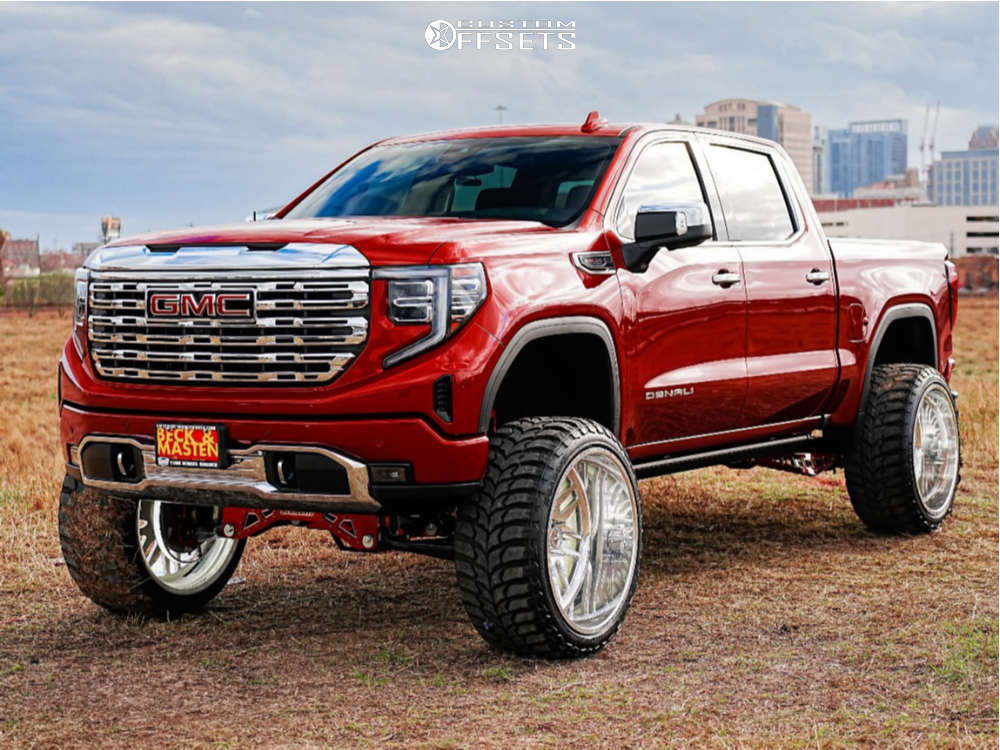
Lifted Trucks GMC: A Comprehensive Guide to Elevating Your Ride
For truck enthusiasts and utility-focused drivers alike, the allure of a lifted truck is undeniable. It’s a statement of capability, a nod to rugged aesthetics, and often, a practical enhancement for specific needs. Among the titans of the truck world, GMC stands out as a brand synonymous with professional-grade engineering, robust performance, and a touch of premium refinement. When these qualities meet the transformative power of a lift kit, you get lifted trucks GMC – a category that perfectly blends strength, style, and elevated functionality.
This comprehensive guide will delve into every aspect of lifting a GMC truck, from understanding the different types of lift kits to navigating the practical considerations and ensuring your elevated ride performs safely and reliably. Whether you’re aiming for increased off-road prowess, a more commanding presence on the road, or simply a personalized aesthetic, this article will equip you with the knowledge to make informed decisions about your GMC.
What is a Lifted Truck?
At its core, a "lifted truck" refers to a vehicle that has been modified to sit higher off the ground than its factory specifications. This elevation is achieved through the installation of specialized aftermarket components, collectively known as a "lift kit." The primary purposes of lifting a truck include:
- Increased Ground Clearance: Essential for navigating challenging off-road terrain without scraping the undercarriage.
- Accommodation of Larger Tires: Larger tires improve traction, especially off-road, and significantly enhance the truck’s aggressive aesthetic.
- Improved Approach, Departure, and Breakover Angles: These metrics define a vehicle’s ability to climb over obstacles without the bumpers or chassis making contact.
- Enhanced Visual Appeal: A lifted stance often gives trucks a more imposing, rugged, and personalized look.
Why Choose GMC for a Lifted Truck?
GMC trucks, from the versatile Canyon to the full-size Sierra 1500 and the heavy-duty Sierra HD, are celebrated for their blend of durability, capability, and a premium interior experience. This makes them an excellent foundation for lifting for several reasons:
- Robust Engineering: GMC trucks are built with strong frames and reliable powertrains designed to handle demanding tasks, making them well-suited to the stresses of a lift kit and larger tires.
- Professional Grade Quality: GMC’s commitment to quality ensures that even with modifications, the core integrity of the vehicle remains sound, provided the modifications are done correctly.
- Extensive Aftermarket Support: Due to their popularity, GMC trucks benefit from a vast and competitive aftermarket industry. This means a wide array of lift kits, suspension components, wheels, and tires are readily available from numerous reputable manufacturers.
- Refined Interiors: Unlike some more utilitarian trucks, GMC models offer comfortable and feature-rich interiors, ensuring that your lifted ride doesn’t compromise on daily drivability and comfort.
- Diverse Model Range: Whether you need a mid-size truck for trails (Canyon) or a heavy-duty hauler that can also conquer off-road obstacles (Sierra HD), GMC has a model that fits, and each can be effectively lifted.
Types of Lift Kits for GMC Trucks
Understanding the different types of lift kits is crucial for choosing the right one for your GMC:
1. Suspension Lift Kits
These are the most common and comprehensive lift kits. They involve replacing or modifying components of the truck’s suspension system to achieve the desired lift.
- Components: May include taller coil springs, longer shocks, new control arms, drop brackets for differential and sway bars, and sometimes new leaf springs or blocks for the rear axle.
- Benefits: Offers genuine performance improvements, significantly increases ground clearance, and allows for much larger tires. It maintains or improves suspension travel and ride quality, especially with high-quality kits.
- Complexity: Generally more complex and expensive to install than body lifts.
- Lift Heights: Typically range from 2 inches to 6 inches or more.
2. Body Lift Kits
Unlike suspension lifts, body lifts don’t alter the truck’s suspension geometry or ground clearance under the axles. Instead, they raise the truck’s body higher off the frame.
- Components: Consist of spacer blocks placed between the truck’s body and frame, along with extensions for steering, shifter linkages, and wiring.
- Benefits: Less expensive and easier to install than suspension lifts. Primarily used to fit slightly larger tires without changing the ride quality or suspension geometry.
- Limitations: Does not increase ground clearance at the axles. The gap between the frame and body can be visible.
- Lift Heights: Usually 1 to 3 inches.
3. Leveling Kits
These are the simplest and most affordable form of lift. Most trucks come from the factory with a slight "rake" – the front sits lower than the rear. A leveling kit aims to correct this.
- Components: Spacers that sit on top of the front struts or torsion bar keys (depending on the truck’s suspension type).
- Benefits: Evens out the truck’s stance, provides a mild lift (typically 1-2.5 inches) in the front, and allows for slightly larger tires (often 33-inch tires on a Sierra 1500).
- Limitations: Only lifts the front, minimal increase in overall ground clearance.
- Lift Heights: 1 to 2.5 inches.
Benefits of Lifting a GMC Truck
Investing in a lifted GMC truck offers a multitude of advantages:
- Enhanced Off-Road Capability: This is arguably the biggest draw. Increased ground clearance means fewer hang-ups on rocks, roots, and uneven terrain. Better approach and departure angles allow you to tackle steeper obstacles.
- Accommodate Larger Tires: Larger diameter tires provide a bigger contact patch, improved traction, and often a more aggressive tread pattern, crucial for mud, snow, and loose surfaces.
- Improved Visibility: A higher driving position gives you a more commanding view of the road, which can be beneficial in traffic and for spotting obstacles off-road.
- Aggressive Aesthetics and Personalization: A lifted GMC truck simply looks more rugged and imposing. It allows owners to express their personality and stand out from stock vehicles.
- Increased Utility (with proper setup): While lifting can sometimes affect towing, a well-engineered lift, especially with proper re-gearing, can still maintain or even enhance a truck’s utility for hauling and towing larger recreational equipment.
Important Considerations Before Lifting Your GMC
Before you commit to lifting your GMC, it’s vital to consider several practical aspects:
- Cost: Lift kits range from a few hundred dollars for leveling kits to several thousand for high-end suspension systems. Installation costs can also be substantial. Don’t forget the added cost of larger tires and potentially new wheels.
- Warranty Implications: Installing an aftermarket lift kit can potentially void portions of your factory warranty, particularly those related to suspension, drivetrain, and steering components. Always discuss this with your GMC dealership beforehand.
- Legality: Lift laws vary significantly by state and even by municipality. These laws often dictate maximum bumper height, headlight height, and how far tires can protrude from the fenders. Research your local regulations thoroughly.
- Safety and Handling: Lifting a truck raises its center of gravity, which can affect handling, particularly at higher speeds or during emergency maneuvers. A quality kit and professional alignment are crucial to mitigate these effects. Braking performance can also be impacted by larger, heavier tires.
- Maintenance: Lifted trucks, especially those frequently driven off-road, may require more frequent inspections and maintenance of suspension and steering components.
- Drivability: Expect changes in fuel economy (larger tires and increased drag), speedometer calibration issues (if not corrected), and potential challenges with parking garages or drive-thrus.
The Lifting Process: What to Expect
While the specifics vary by kit and installer, here’s a general overview of what happens when you lift your GMC:
- Research and Selection: This is your part. Choose a kit that matches your needs, budget, and desired lift height. Research reputable brands and read reviews.
- Professional Installation: While some DIYers tackle lifts, professional installation is highly recommended, especially for suspension lifts. It ensures proper torque specs, alignment, and safety.
- Component Replacement/Modification: The installer will remove original suspension components (shocks, springs, control arms, etc.) and replace them with the lift kit’s parts. For body lifts, spacers are installed between the body and frame.
- Drivetrain Adjustments: Depending on the lift height, driveline angles may need correction (e.g., transfer case drop, longer driveshafts, re-gearing).
- Alignment: Crucial after any suspension modification. A professional alignment ensures proper steering, tire wear, and handling.
- Tire and Wheel Installation: If you’re upgrading to larger tires and wheels, these will be mounted and balanced.
- Post-Installation Check: After installation, it’s wise to drive the truck and listen for any unusual noises, then return for a check-up after a few hundred miles to ensure everything has settled correctly.
Choosing the Right Lift Kit and Installer for Your GMC
- Define Your Purpose: Are you an avid off-roader, or do you primarily want a more aggressive look? Your answer will guide your kit choice.
- Set a Realistic Budget: Factor in the kit, installation, new tires, and potentially new wheels, re-gearing, or other necessary upgrades.
- Research Reputable Brands: Brands like BDS Suspension, Rough Country, Fabtech, Zone Offroad, Rancho, and Skyjacker offer quality kits specifically designed for GMC models.
- Seek Certified Installers: Look for shops with experienced technicians who specialize in truck lifts. Check their credentials, read customer reviews, and ask for examples of their work on GMC trucks.
- Ask Questions: Don’t hesitate to inquire about the kit’s components, the installation process, warranty implications, and post-installation care.
Tips for Maintaining Your Lifted GMC Truck
Maintaining your lifted GMC is key to its longevity and safe operation:
- Regular Inspections: Periodically check all suspension components, steering linkages, bushings, and bolts for wear, looseness, or damage.
- Alignment Checks: Get your alignment checked regularly, especially after off-road excursions, to prevent premature tire wear and ensure proper handling.
- Tire Care: Rotate and balance your larger tires frequently. Monitor tire pressure, as incorrect pressure can affect handling and wear.
- Lubrication: If your lift kit has greaseable components, ensure they are properly lubricated according to the manufacturer’s recommendations.
- Driving Habits: Be mindful of your truck’s higher center of gravity. Take turns slower, allow for longer braking distances, and be aware of overhead clearances.
Potential Challenges and Solutions
- Decreased Fuel Economy: Larger tires and increased aerodynamic drag will reduce MPG. Solution: Consider re-gearing the differentials to compensate for larger tires, drive conservatively, and perform regular maintenance.
- Increased Wear on Components: Lifting can put more stress on ball joints, tie rods, CV axles, and wheel bearings. Solution: Invest in high-quality, heavy-duty aftermarket components where possible, and adhere to a strict maintenance schedule.
- Altered Handling: A higher center of gravity can lead to more body roll and a less stable feel. Solution: Choose a high-quality lift kit from a reputable brand, ensure professional installation and alignment, and adjust your driving style.
- Warranty Concerns: As mentioned, parts of your warranty might be affected. Solution: Consult with your GMC dealer before lifting to understand their policy. Some dealers are more lift-friendly than others.
Price Table: Estimated Costs for Lifted Trucks GMC
This table provides estimated costs for various lift kit options for popular GMC truck models. Prices can vary significantly based on brand, kit features, location, and installer.
| Kit Type | Lift Height (inches) | GMC Model (Example) | Kit Brands (Examples) | Estimated Kit Cost (USD) | Estimated Installation Cost (USD) | Total Estimated Cost (USD) |
|---|---|---|---|---|---|---|
| Leveling Kit | 1.5 – 2.5 | Sierra 1500, Canyon | Rough Country, ReadyLIFT, Bilstein | $100 – $400 | $200 – $500 | $300 – $900 |
| Body Lift | 1 – 3 | Sierra 1500 | Zone Offroad, Performance Acc. | $200 – $600 | $400 – $800 | $600 – $1,400 |
| Mild Suspension | 2.5 – 3.5 | Sierra 1500, Canyon | BDS, Fabtech, Rough Country | $800 – $2,000 | $800 – $1,500 | $1,600 – $3,500 |
| Full Suspension | 4 – 6 | Sierra 1500 | BDS, FOX, King, Pro Comp | $2,000 – $5,000+ | $1,200 – $2,500+ | $3,200 – $7,500+ |
| Heavy Duty Susp. | 6 – 8+ | Sierra HD (2500/3500) | BDS, Cognito, Fabtech | $3,000 – $8,000+ | $1,500 – $3,000+ | $4,500 – $11,000+ |
Note: These prices do not include the cost of new tires, wheels, speedometer calibration, potential re-gearing, or other accessory upgrades that often accompany a lift.
Frequently Asked Questions (FAQ) about Lifted Trucks GMC
Q1: How much does it cost to lift a GMC truck?
A1: The cost varies widely. A basic leveling kit might be $300-$900 installed, while a comprehensive 6-inch suspension lift with professional installation can range from $3,000 to $7,500 or more, not including new tires and wheels.
Q2: Will lifting my GMC void its warranty?
A2: Not necessarily completely. Under the Magnuson-Moss Warranty Act, a dealer cannot void your entire warranty just because you installed an aftermarket part. However, if the lift kit or its installation directly causes a failure of a covered component (e.g., suspension, drivetrain), then the warranty claim for that specific component could be denied. Always discuss with your dealer beforehand.
Q3: How long does it take to lift a truck?
A3: Installation time depends on the type of kit and the installer’s experience. A leveling kit might take 2-4 hours, while a full suspension lift can take 8-16 hours or even longer for complex kits, often requiring a full day or two in the shop.
Q4: Do I need new tires and wheels after lifting?
A4: For most significant lifts (3 inches or more), yes. The primary reason to lift is often to accommodate larger tires for aesthetics or performance. Leveling kits might allow for slightly larger tires on stock wheels, but a full lift usually necessitates both.
Q5: Does lifting a truck affect its towing capacity?
A5: A properly installed, high-quality lift kit should not reduce your truck’s factory towing capacity. However, larger, heavier tires can increase rotating mass, and if the differential gearing isn’t changed to compensate, the truck may feel less powerful when towing. Re-gearing is often recommended for optimal towing performance with larger tires.
Q6: Is it legal to lift a truck?
A6: Lift laws vary by state and local jurisdiction. They often regulate maximum bumper height, headlight height, and tire protrusion. It’s crucial to research your local laws before modifying your truck to ensure compliance.
Q7: What’s the difference between a body lift and a suspension lift?
A7: A body lift raises the truck’s body off the frame using spacers, primarily to fit larger tires without affecting suspension geometry or ground clearance under the axles. A suspension lift modifies or replaces suspension components to genuinely raise the truck’s chassis and increase ground clearance, offering performance benefits.
Conclusion
Elevating your GMC truck through a lift kit is a significant modification that can dramatically transform its appearance, capability, and driving experience. Whether you’re seeking to conquer challenging trails, make a bold statement on the pavement, or simply gain a better view of the world, lifted trucks GMC offer a compelling blend of professional-grade reliability and personalized ruggedness.
By carefully considering your needs, researching quality components, understanding the financial and legal implications, and entrusting the installation to skilled professionals, you can confidently create a custom GMC that not only looks impressive but also performs exactly as you envision. The journey of transforming your GMC is one of personal expression and enhanced adventure, promising a driving experience that truly stands above the rest.
For more information and resources on lift kits and truck modifications, you can explore specialized aftermarket sites and forums dedicated to lifted trucks GMC (Note: This is a placeholder link; in a live environment, this would link to a relevant, high-quality external resource).