Lifted Trucks California: A Comprehensive Guide to Elevating Your Ride

Lifted Trucks California: A Comprehensive Guide to Elevating Your Ride
California, a state synonymous with diverse landscapes, iconic automotive culture, and a spirit of individuality, is also a prime territory for the robust and eye-catching phenomenon of lifted trucks. From the sun-drenched beaches of Southern California to the rugged trails of the Sierra Nevada, a lifted truck represents more than just a vehicle; it’s a statement of capability, style, and adventure. In California, however, the world of lifted trucks comes with its own unique set of considerations, blending the thrill of customization with the necessity of adhering to specific state regulations.
This comprehensive guide delves into every facet of lifted trucks in the Golden State. Whether you’re a seasoned off-roader, a truck enthusiast looking to enhance your daily driver, or simply curious about the appeal and practicalities, this article will navigate the intricacies of ownership, customization, and legal compliance. We’ll explore why these towering machines captivate so many, the mechanics behind their elevation, the critical legal framework governing them, and practical advice to ensure your lifted truck experience in California is both exhilarating and compliant.
The Allure of Lifted Trucks in the Golden State
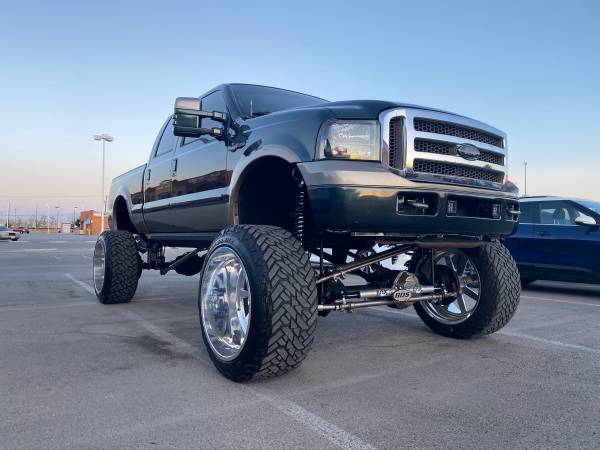
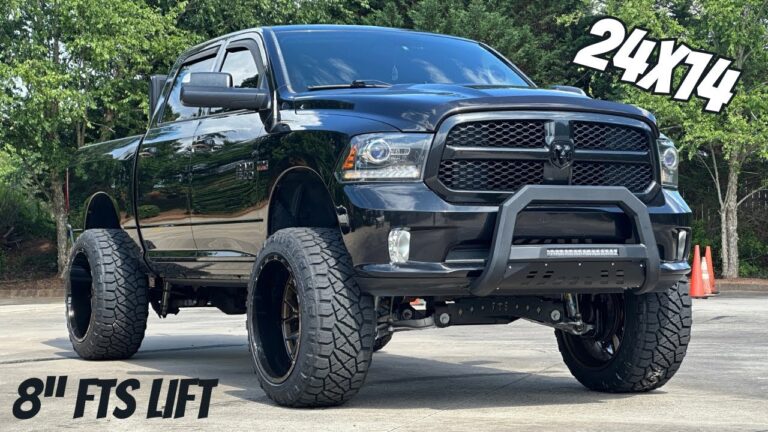
The appeal of lifted trucks in California is multi-faceted, reflecting the state’s unique geography, culture, and automotive trends. At its core, a lifted truck offers enhanced capability. California’s vast wilderness, from the scorching deserts of Anza-Borrego to the snow-capped peaks of Big Bear, provides endless opportunities for off-road exploration. Increased ground clearance, improved approach and departure angles, and the ability to fit larger, more aggressive tires make navigating challenging terrain significantly easier and safer.
Beyond utility, the aesthetic appeal is undeniable. A lifted truck commands attention, projecting an image of power, ruggedness, and individuality. The "Cali lean" or a more aggressive stance, often achieved with specific lift kits and wheel/tire combinations, has become a distinctive style statement within the state’s truck culture. This visual dominance is a significant draw for many owners who view their trucks as an extension of their personality.
Furthermore, a lifted truck can offer improved visibility from a higher driving position, enhancing the driver’s perspective on busy freeways or crowded city streets. For some, it’s also a matter of utility, allowing for easier towing of large boats or trailers, or simply accommodating oversized equipment for work or hobbies. In California, where outdoor activities are a way of life, the versatility of a lifted truck perfectly aligns with the active lifestyles of many residents.
Understanding Lift Kits: Types and Components
Elevating a truck involves more than just slapping on bigger tires; it requires a specialized lift kit designed to modify the vehicle’s suspension or body. Understanding the different types and their components is crucial for making an informed decision.
-
Body Lifts: These kits raise the truck’s body from the frame by inserting spacers between the two. They are generally less expensive and easier to install, preserving the original suspension geometry. Body lifts typically provide 1 to 3 inches of lift and primarily allow for larger tires without altering ride quality significantly. However, they expose more of the frame and can create a gap between the body and bumpers, which might require additional modifications.
-
Suspension Lifts: These are more complex and comprehensive, replacing or modifying key suspension components to increase ground clearance. Suspension lifts typically range from 2 to 12 inches or more and significantly enhance off-road performance.
- Leveling Kits: A common type of suspension lift, these provide a modest 1-3 inches of lift, usually just for the front end, to eliminate the factory rake (where the front sits lower than the rear). They are ideal for accommodating slightly larger tires and achieving a more aggressive stance without drastically altering handling.
- Full Suspension Lift Kits: These involve replacing or upgrading components such as:
- Shocks and Struts: Often longer and more robust, designed for increased travel.
- Coil Springs/Leaf Springs: Replaced with taller, stiffer versions to achieve the desired lift.
- Control Arms: Extended or relocated to correct suspension geometry.
- Track Bars: Used to re-center axles.
- Driveshaft Modifications: Longer driveshafts or slip yoke eliminators may be necessary to prevent driveline vibrations or damage, especially with significant lifts.
- Brake Lines: Extended to accommodate increased suspension travel.
- Steering Components: Upgraded or modified to maintain proper steering angles and prevent bump steer.
Choosing the right kit depends on your goals (aesthetic, mild off-roading, extreme rock crawling) and budget. It’s vital to select a reputable brand known for quality and durability, especially given California’s diverse terrain and strict regulations.
Navigating California’s Regulations and Laws for Lifted Trucks
This is perhaps the most critical section for any lifted truck owner or aspiring owner in California. The state has some of the strictest vehicle modification laws in the nation, designed to ensure safety and environmental compliance. Ignoring these regulations can lead to costly fines, failed inspections, and even impoundment.
-
Bumper Height Laws: California Vehicle Code (CVC) Section 28071 and related statutes dictate maximum bumper heights based on the Gross Vehicle Weight Rating (GVWR) of the truck. Generally:
- Vehicles under 4,500 lbs GVWR: Front bumper max 23 inches, rear bumper max 24 inches.
- Vehicles 4,501-7,500 lbs GVWR: Front bumper max 27 inches, rear bumper max 29 inches.
- Vehicles 7,501-10,000 lbs GVWR: Front bumper max 30 inches, rear bumper max 30 inches.
- These measurements are taken from the ground to the bottom of the bumper. It’s crucial to measure accurately after your lift.
-
Headlight Height: Headlights must not be mounted higher than 54 inches from the ground to the center of the lamp. Extremely tall lifts may necessitate adjusting headlight aim or even relocating them.
-
Tire Coverage (Fender Flares): CVC Section 27600 requires that all tires must be covered by the vehicle’s fenders or fender flares. If your new, wider tires extend beyond the factory fenders, you must install fender flares to comply. This prevents debris from being thrown onto other vehicles or pedestrians.
-
Smog Regulations: California’s stringent emissions laws (smog checks) apply to lifted trucks just as they do to any other vehicle. Any engine modifications, exhaust system changes, or tuning that alters the factory emissions control system (e.g., deleting catalytic converters, modifying ECU for "tunes" not CARB-certified) will result in a failed smog test. Ensure all aftermarket engine components are CARB (California Air Resources Board) approved if they are emissions-related.
-
Suspension Lift Limits: While specific "lift height" limits are indirectly covered by bumper and headlight height, CVC 24008.5 also states that a vehicle’s frame, body, or bumper must not contact the roadway under normal driving conditions. Excessive lift without proper component upgrades can lead to instability and violate this.
-
Mud Flaps: While not universally required for all vehicles, if your tires extend significantly beyond the vehicle’s body, mud flaps can sometimes be required, particularly on commercial vehicles or those exceeding certain weight limits.
Professional installation from a shop knowledgeable in California’s laws is highly recommended to ensure compliance and avoid costly mistakes.
The Installation Process: DIY vs. Professional
Deciding between a do-it-yourself (DIY) installation and hiring a professional shop is a significant choice with pros and cons for each.
DIY Installation:
- Pros: Cost savings on labor, personal satisfaction, deeper understanding of your truck’s mechanics.
- Cons: Requires significant mechanical knowledge, specialized tools, and a safe workspace. Incorrect installation can lead to dangerous handling issues, premature component wear, and potential legal non-compliance. Complex suspension lifts often require professional alignment and specialized adjustments that are difficult to do at home. Risk of voiding warranties.
Professional Installation:
- Pros: Expertise and experience, proper tools and equipment (including alignment racks), adherence to manufacturer specifications and California regulations, warranty on labor, peace of mind that the job is done correctly and safely. Many shops can also help with post-installation adjustments like speedometer recalibration.
- Cons: Higher upfront cost due to labor fees.
For most significant lift kits, especially suspension lifts that alter geometry, professional installation is strongly recommended. The complexities of correcting steering angles, ensuring proper driveline alignment, and setting precise wheel alignment (camber, caster, toe) are best left to experienced technicians. A reputable shop will also be aware of California’s specific regulations and help ensure your truck passes inspection.
Performance, Handling, and Safety Considerations
Lifting a truck dramatically alters its dynamics, bringing both advantages and potential drawbacks.
Benefits:
- Increased Ground Clearance: Obvious advantage for off-roading, allowing passage over obstacles.
- Larger Tire Fitment: Enables the use of aggressive off-road tires for better traction.
- Improved Approach/Departure Angles: Essential for steep climbs and descents without scraping bumpers.
- Commanding View: Higher driving position offers better visibility.
Challenges and Safety Considerations:
- Higher Center of Gravity: The most significant safety concern. A lifted truck is more prone to rollovers, especially during sharp turns or evasive maneuvers. Drive cautiously, especially at higher speeds.
- Altered Handling: Steering can feel less precise, and body roll may increase. The ride quality can also become stiffer or bouncier depending on the suspension components.
- Increased Braking Distance: Larger, heavier tires can increase the rotational mass, requiring more effort to stop. Upgrading brakes (larger rotors, better calipers) is often a wise investment.
- Driveline Stress: Increased angles on driveshafts and CV joints can lead to premature wear or vibrations. Proper driveline correction is vital.
- Tire Wear: Incorrect alignment after a lift can lead to rapid and uneven tire wear.
- Fuel Economy: Larger, heavier tires and increased aerodynamic drag (due to higher stance) will almost always decrease fuel efficiency.
Practical Advice:
- Drive Responsibly: Be aware of your truck’s altered dynamics. Avoid aggressive driving, especially high-speed cornering.
- Upgrade Brakes: Consider upgrading your braking system to compensate for larger tires and increased weight.
- Regular Inspections: Frequently check suspension components, steering linkages, and tire wear.
- Professional Alignment: Get a professional alignment immediately after installation and regularly thereafter.
Maintaining Your Lifted Truck in California
Proper maintenance is crucial for the longevity, safety, and performance of any vehicle, but it becomes even more critical for lifted trucks due to the added stresses and modified components.
- Routine Suspension Checks: Regularly inspect all suspension components – shocks, springs, control arms, bushings, tie rods, and ball joints – for wear, damage, or looseness. Pay attention to any unusual noises or changes in handling.
- Alignment and Balance: Have your alignment checked periodically, especially after any severe off-roading. Larger tires are more susceptible to imbalance, so regular balancing is also important to prevent vibrations and uneven wear.
- Tire Care: Rotate your tires regularly (every 5,000-7,000 miles) to promote even wear. Monitor tire pressure closely, as larger tires often require different pressures than stock.
- Driveline Inspection: Check driveshafts, U-joints, and CV joints for signs of wear or damage, particularly if you experience vibrations.
- Fluid Levels: Ensure all fluid levels, including differential and transfer case fluids, are at appropriate levels and changed according to manufacturer recommendations.
- Fastener Torque: Periodically check the torque on all critical fasteners related to your lift kit and suspension components. Vibrations from driving can sometimes loosen bolts.
- Underbody Cleaning: If you frequently go off-roading, thoroughly clean the undercarriage to remove dirt, mud, and corrosive elements that can accelerate wear.
Choosing the Right Lift Kit and Shop
Making the right choices here will significantly impact your lifted truck experience.
-
Define Your Purpose:
- Aesthetics/Daily Driver: A leveling kit or a mild 2-3 inch suspension lift might suffice, prioritizing ride comfort and moderate tire size.
- Moderate Off-Roading: A 3-6 inch suspension lift with quality shocks and appropriate tires.
- Extreme Off-Roading/Rock Crawling: 6+ inch long-travel suspension kits with heavy-duty components, often requiring extensive modifications.
-
Research Lift Kit Brands: Look for reputable manufacturers known for quality, durability, and a good warranty. Brands like Fox, King, Bilstein, BDS Suspension, Rough Country, Fabtech, and Rancho are popular, but research specific kits for your truck model. Read reviews and seek advice from experienced owners.
-
Select a Reputable Installation Shop:
- Experience with Lifted Trucks: Choose a shop that specializes in or has extensive experience with truck suspensions and modifications.
- Knowledge of CA Laws: Crucially, the shop must be intimately familiar with California’s bumper height, fender flare, and other regulations to ensure your truck is compliant.
- Certifications and Insurance: Ensure they are certified and insured.
- Warranty: Ask about their labor warranty.
- References/Reviews: Check online reviews and ask for references.
- Post-Installation Support: Inquire if they handle alignment, speedometer recalibration, and follow-up adjustments.
Don’t simply choose the cheapest option; investing in quality components and professional installation will save you headaches and money in the long run.
Practical Advice and Actionable Insights
- Prioritize Safety and Legality: Always make decisions that keep your truck safe to drive and compliant with California law. Cutting corners here is never worth the risk.
- Budget Beyond the Lift Kit: Remember to factor in the cost of larger tires and wheels, professional installation, alignment, potential brake upgrades, speedometer recalibration, and future maintenance.
- Start Small: If unsure, begin with a leveling kit or a mild lift. You can always go bigger later if your needs change.
- Test Drive Thoroughly: After any lift installation, drive your truck in various conditions to familiarize yourself with the new handling characteristics. Listen for unusual noises and feel for vibrations.
- Join the Community: Connect with local lifted truck clubs or online forums in California. These communities are invaluable sources of advice, recommendations for shops, and tips for navigating local regulations and trails.
- Understand Your Insurance: Inform your insurance provider about your modifications. While most standard policies cover damage, some modifications might require specific endorsements, and failure to disclose could lead to claim denials.
Price Table: Estimated Costs for Lifted Trucks California Components & Services
Please note that these are estimated costs and can vary significantly based on truck make/model, brand of components, shop labor rates, and specific market conditions in California. This table aims to provide a general understanding of potential expenses.
| Component/Service | Estimated Price Range (USD) | Notes |
|---|---|---|
| Lift Kits (Parts Only) | ||
| Leveling Kit (2-3 inches, front only) | $100 – $500 | Spacers, simple coil/strut replacements. Good for aesthetic and mild tire upgrade. |
| Body Lift Kit (1-3 inches) | $200 – $800 | Spacers between body and frame. Minimal suspension alteration. |
| Basic Suspension Lift (2-4 inches) | $500 – $1,500 | Entry-level kits with basic shocks/springs. Suitable for larger tires and light off-roading. |
| Mid-Range Suspension Lift (4-6 inches) | $1,500 – $4,000 | More comprehensive kits with improved shocks, control arms. Good for serious off-roaders. |
| High-End/Long-Travel Lift (6+ inches) | $4,000 – $10,000+ | Premium kits with advanced coilovers, reservoir shocks, heavy-duty components. For extreme performance. |
| Installation Labor | (Varies greatly by shop rate, complexity of kit, and truck model) | |
| Leveling Kit Installation | $200 – $500 | Simpler, quicker install. |
| Body Lift Installation | $400 – $800 | Can be time-consuming due to multiple body mounts and potential bumper relocation. |
| Suspension Lift Installation | $600 – $2,500+ | More complex, requires specialized tools and expertise. Higher lifts mean more labor. |
| Additional Components & Services | (Often necessary for proper function and compliance) | |
| Set of 4 Large Off-Road Tires | $800 – $3,000+ | Varies by brand, size, and type (All-Terrain vs. Mud-Terrain). |
| Set of 4 Aftermarket Wheels | $500 – $2,000+ | Varies by brand, material (steel vs. alloy), and design. |
| Professional Wheel Alignment | $100 – $250 | Absolutely essential after any lift. |
| Fender Flares (set of 4) | $200 – $800 | Required in California if tires protrude beyond fenders. Varies by material and style. |
| Speedometer Recalibration | $50 – $200 | Necessary for accurate speed readings and odometer if tire size changes significantly. |
| Brake Upgrades (Rotors/Calipers) | $500 – $2,000+ | Recommended for larger tires/increased weight. Varies widely by system. |
| Driveshaft/Driveline Modifications | $300 – $1,000+ | May be needed for higher lifts to prevent vibrations/damage. |
| Smog Check / Safety Inspection | $30 – $100 | Standard for California registration, ensuring emissions compliance. |
Frequently Asked Questions (FAQ) about Lifted Trucks California
Q1: Is it legal to have a lifted truck in California?
A1: Yes, it is legal to have a lifted truck in California, but there are strict regulations regarding maximum bumper height, headlight height, and tire coverage. You must comply with these laws to avoid fines and ensure your vehicle passes inspections.
Q2: What are the main height restrictions in California?
A2: Bumper height limits vary by the truck’s Gross Vehicle Weight Rating (GVWR), ranging from 23-30 inches for the front bumper and 24-30 inches for the rear, measured from the ground to the bottom of the bumper. Headlights cannot be higher than 54 inches from the ground to the center of the lamp.
Q3: Do I need fender flares for my lifted truck in California?
A3: Yes, California law (CVC Section 27600) requires that all tires must be covered by the vehicle’s fenders or fender flares. If your new, larger tires extend beyond the factory fenders, you must install flares to be compliant.
Q4: Will lifting my truck affect my insurance?
A4: Potentially. It’s crucial to inform your insurance provider about all modifications. While basic coverage usually remains, some significant modifications might require specific endorsements, and failure to disclose could jeopardize future claims. Your premiums might also increase.
Q5: Can I pass smog with a lifted truck in California?
A5: Yes, as long as your lifted truck’s engine and exhaust system modifications are CARB (California Air Resources Board) approved and do not alter the factory emissions control system. Any "tunes" or aftermarket components that are not CARB-certified or tamper with emissions will result in a failed smog test.
Q6: How much does it typically cost to lift a truck in California?
A6: The cost varies widely. A basic leveling kit might cost $300-$1000 installed, while a comprehensive suspension lift with new tires, wheels, and professional installation could range from $3,000 to over $10,000, depending on the kit’s quality, labor rates, and additional modifications.
Conclusion
The world of lifted trucks in California is a vibrant and exciting one, offering a unique blend of enhanced capability, striking aesthetics, and a robust sense of adventure. From conquering the state’s challenging off-road trails to making a bold statement on its iconic highways, a properly executed lifted truck can be a source of immense pride and utility.
However, the key to a successful and enjoyable lifted truck experience in the Golden State lies in informed decision-making and meticulous adherence to the rules. Understanding the nuances of lift kits, prioritizing professional installation, and critically, navigating California’s stringent legal framework are paramount. By doing your homework, investing in quality components and services, and driving responsibly, you can confidently elevate your ride and embrace the full potential of your lifted truck in California. It’s a lifestyle choice that demands respect for both the vehicle and the regulations that govern it, ensuring that your towering machine remains a source of thrill and not a cause for concern.