Kei Trucks For Sale: Your Ultimate Guide to These Mighty Mini-Trucks
Kei Trucks For Sale: Your Ultimate Guide to These Mighty Mini-Trucks Imagine a vehicle that combines the rugged utility of a pickup with the nimble efficiency of a compact car, all wrapped up in an incredibly charming and often surprisingly capable package. Welcome to the world of kei trucks.
These pint-sized powerhouses, originating from Japan’s unique “kei” (light automobile) class, have become a global phenomenon, captivating enthusiasts and practical users alike.
If you’re searching for kei trucks for sale, you’re on the cusp of discovering a versatile, affordable, and endlessly fun addition to your fleet, whether for farm work, off-road adventures, campus commuting, or simply turning heads wherever you go. This comprehensive guide will navigate you through everything you need to know about finding, buying, and owning these remarkable mini-trucks.
If you’re exploring compact trucks but also appreciate classic vehicles, you may want to compare them with older full-size models.
👉 Read Old Trucks for Sale: A Comprehensive Guide to Finding Your Vintage Dream to discover how classic trucks differ in value, maintenance, and driving experience
While Kei trucks are known for efficiency and affordability, some buyers may need larger vehicles for commercial use.
👉 Check out Work Trucks for Sale: Your Comprehensive Guide to Finding the Perfect Commercial Vehicle to explore heavier-duty options for business or job-site needs.
What Makes Kei Trucks So Appealing?
The surging interest in kei trucks for sale isn’t just a fleeting trend; it’s a testament to their inherent utility and unique charm. Here’s why they’ve captured so many hearts:
- Compact Dimensions, Mighty Capability: Despite their small stature, typically under 11 feet long and 5 feet wide, kei trucks are engineered to maximize cargo space and utility. Most feature a robust bed capable of carrying hundreds of pounds, often with fold-down sides for easy loading and unloading.
- Exceptional Fuel Efficiency: Powered by small, typically 660cc engines (as mandated by Japanese kei car regulations), these trucks offer impressive fuel economy, making them economical to operate.
- Go-Anywhere Versatility: Many kei trucks come equipped with selectable 4WD, high-low range gearing, and even differential locks, transforming them into incredibly capable off-road vehicles. Their narrow width allows them to navigate tight trails and confined spaces where larger trucks simply cannot go.
- Affordability: Compared to full-size pickup trucks, kei trucks for sale are often significantly more affordable, both in initial purchase price and ongoing maintenance.
- Reliability and Simplicity: Built for demanding work in Japan, these vehicles are generally robust and straightforward in design, leading to high reliability and easier maintenance.
- Unique Aesthetic: There’s no denying the quirky appeal of a kei truck. They stand out from the crowd, offering a distinctive style that many find irresistible.
Understanding the Kei Truck Market: Types and Models

When you’re looking for kei trucks for sale, you’ll encounter a few dominant players in the market, each with its own loyal following. While they share core characteristics, subtle differences in design, features, and engine placement (mid-engine vs. front-engine) can influence your choice.
The most common brands you’ll find include:
- Subaru Sambar: Often praised for its robust build and rear-engine configuration (similar to a classic VW Bus), which offers excellent weight distribution and a surprisingly smooth ride. Available in both truck and van configurations.
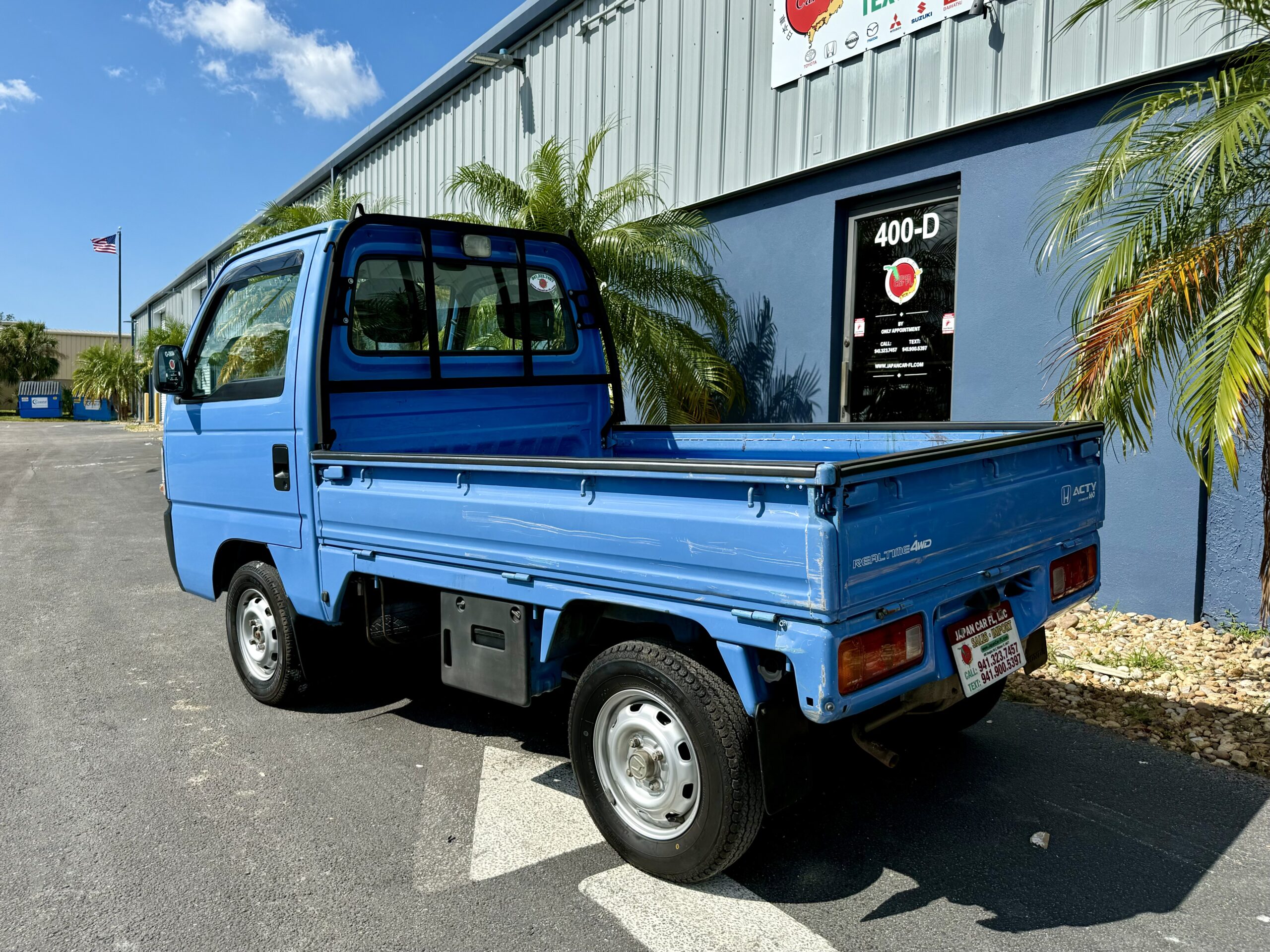
- Honda Acty: Known for its mid-engine layout, which contributes to excellent balance and a tight turning radius. Honda’s reputation for reliable small engines shines through here.
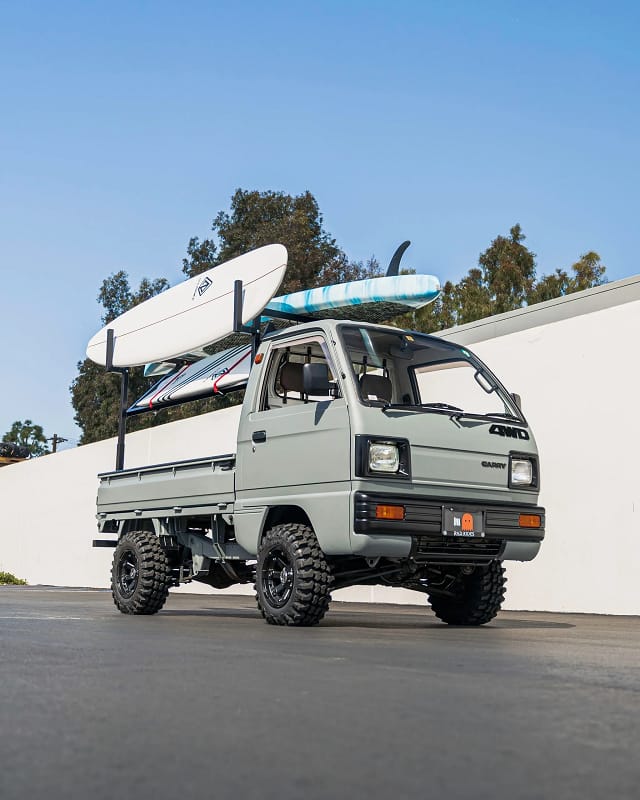
- Suzuki Carry: A perennial favorite, the Carry is one of the most common and widely available kei trucks. It’s known for its practicality, parts availability, and straightforward design.
- Daihatsu Hijet: Another highly popular model, often sharing platforms and components with Toyota (Daihatsu is a Toyota subsidiary). Hijets are lauded for their durability and functional design.
- Mitsubishi Minicab: A reliable workhorse, the Minicab offers similar capabilities to its competitors and is a solid choice for those seeking a dependable mini-truck.
Most models come in 2WD and 4WD variants, with manual transmissions being the most common, though automatic options exist. Features like air conditioning, power steering, and even heated seats can be found in later model years.
Where to Find Kei Trucks for Sale: Your Buying Options
The market for kei trucks for sale has expanded considerably, offering several avenues for potential buyers:
- Specialized Importers: This is often the most straightforward route. Importers specialize in sourcing, inspecting, and importing kei trucks from Japan, handling all the complex customs and shipping logistics. They often offer a warranty (limited) and pre-inspection services. Many have online inventories that are constantly updated.
- Online Auction Sites (Japan): For the adventurous buyer, direct import through Japanese auction houses can potentially offer lower prices. However, this requires a deep understanding of the import process, proficiency in Japanese, or the use of an agent, and a willingness to accept vehicles “as-is” with limited pre-purchase inspection.
- Private Sellers: You can find kei trucks for sale through private parties on local classifieds (Craigslist, Facebook Marketplace) or dedicated online forums. These often represent trucks that have already been imported and registered in your country, potentially simplifying the process but also meaning the truck has been used locally.
- Local Dealerships (Used/Specialty): A growing number of smaller, independent dealerships are starting to stock imported kei trucks, especially in rural areas or states with favorable registration laws.
When searching online, using keywords like “Japanese mini truck for sale,” “JDM truck,” or “mini pickup” alongside “kei truck” can broaden your results. Many dedicated websites exist listing kei trucks for sale from various importers.
Key Considerations Before Buying a Kei Truck
Before you commit to a purchase, it’s crucial to understand the unique aspects of buying a kei truck:
- Legality and Registration: This is perhaps the most critical factor. In the U.S., kei trucks are subject to the 25-year import rule for road legality. Trucks older than 25 years can typically be imported and registered for street use. Newer trucks might only be legal for off-road or private property use. Check your specific state’s DMV regulations regarding imported vehicles, as laws vary widely. Some states are more lenient than others.
- Condition and Rust: Given their age and origin, inspect for rust, especially on the frame, bed, and cab corners. While Japanese vehicles are generally well-maintained, coastal proximity or heavy snow conditions can lead to corrosion. A good importer will provide detailed photos and condition reports.
- Mileage and Maintenance Records: Low mileage isn’t always indicative of better condition for older vehicles. Look for signs of consistent maintenance. While Japanese service records are often meticulously kept, they may not be available or easily decipherable for imported vehicles.
- Engine and Drivetrain: Test drive the truck if possible. Listen for unusual noises from the engine, transmission, and differential. Check for smooth shifting in manual transmissions and proper engagement of 4WD.
- Parts Availability: While many common wear-and-tear parts are available, specialized body panels or obscure engine components might require ordering from Japan. Research parts availability for your chosen model beforehand.
- Features: Decide if you need 4WD, air conditioning, power steering, or a dump bed. These features affect price and availability.
- Safety Features: Remember, these are older, compact vehicles designed for Japanese regulations. They typically lack modern safety features like airbags, ABS, or advanced crumple zones. Drive accordingly.
The Buying Process: A Step-by-Step Guide
- Research and Define Your Needs: Determine your primary use for the truck (farm, hunting, street, recreation). This will help you narrow down models, features (4WD, AC), and budget for kei trucks for sale.
- Set a Budget: Prices for imported kei trucks for sale can range from $4,000 for older, basic models to $12,000+ for newer (25-year-old models), low-mileage, fully-featured, and impeccably restored examples. Don’t forget to factor in shipping, import duties, and potential registration fees.
- Find Reputable Sellers/Importers: Read reviews, ask for references, and check their inventory. A good importer will be transparent about the vehicle’s condition, provide clear documentation, and assist with the import process.
- Inspect the Vehicle (or Review Reports): If buying locally, inspect it in person. If importing, scrutinize photos, videos, and condition reports. Ask for specific close-ups of potential rust areas or known weak points.
- Negotiate: Don’t be afraid to negotiate the price, especially if you find any flaws or if the truck has been listed for a while.
- Arrange Payment and Shipping: Follow the seller’s instructions for payment. For imports, ensure all shipping and customs documentation is handled correctly.
- Registration and Insurance: Once the truck arrives, begin the registration process with your local DMV. You’ll typically need the import paperwork (e.g., Bill of Lading, Customs Form 7501) and a title or export certificate from Japan. Secure insurance – some standard auto insurers might cover them, while others require specialty insurance.
Maintaining Your Kei Truck: Tips for Longevity
Owning a kei truck is generally a rewarding experience, but like any vehicle, proper maintenance is key:
- Regular Fluid Checks: Engine oil, coolant, brake fluid, and differential fluids should be checked and changed regularly according to the manufacturer’s recommendations. Small engines can be sensitive to old oil.
- Tire Care: Keep tires properly inflated and rotate them. Many kei trucks come with smaller, specialized tires, so sourcing replacements might require planning.
- Rust Prevention: Especially if you live in a humid or snowy climate, regularly wash your truck and consider applying rust-inhibiting treatments to the undercarriage.
- Basic Tune-ups: Spark plugs, air filters, and fuel filters are relatively easy to replace and contribute to better performance and fuel economy.
- Join a Community: Online forums and social media groups dedicated to kei trucks are invaluable resources for finding parts, troubleshooting issues, and getting advice from experienced owners.
Challenges and Solutions in Buying Kei Trucks
While generally smooth, buying kei trucks for sale can present a few hurdles:
- Challenge: Import Regulations & State-Specific Laws.
- Solution: Thoroughly research your state’s DMV requirements before purchase. Work with an experienced importer who understands the 25-year rule and can provide correct documentation.
- Challenge: Finding Parts.
- Solution: While common consumables are often cross-referenced with other vehicles or found via aftermarket suppliers, unique parts may need to be sourced from Japan. Develop a relationship with your importer or join online communities that share parts sources.
- Challenge: Lack of Modern Safety Features.
- Solution: Drive defensively and be aware of the truck’s limitations. Consider using it primarily for off-road or local, low-speed applications if you’re concerned about highway safety.
- Challenge: Language Barrier with Japanese Documentation.
- Solution: Rely on reputable importers who translate or provide clear explanations of original documentation. If buying directly, use translation apps or services.
Kei Trucks For Sale: Estimated Price Table
Please note: Prices are highly variable based on model, year, condition, mileage, features (4WD, AC, power steering, dump bed), and the importer/seller. These are estimates for imported, 25-year-old models generally eligible for road use in the U.S. Newer (non-25-year-old) models would be for off-road use only and might be cheaper but harder to register.
| Model | Year Range (Eligible for Import) | Condition | Price Range (USD) | Key Features Often Included/Available |
|---|---|---|---|---|
| Suzuki Carry | 1999 – 2000 (currently) | Good | $6,000 – $9,000 | 4WD, Manual, AC, Drop-side Bed |
| Excellent | $9,000 – $12,000+ | 4WD, AC, PS, Low Mileage, Dump Bed | ||
| Honda Acty | 1999 – 2000 (currently) | Good | $6,500 – $9,500 | Mid-engine, 4WD, Manual, AC |
| Excellent | $9,500 – $13,000+ | AC, PS, Auto Trans, Dump Bed | ||
| Daihatsu Hijet | 1999 – 2000 (currently) | Good | $5,800 – $8,800 | 4WD, Manual, AC, Robust Build |
| Excellent | $8,800 – $11,500+ | AC, PS, Low Mileage, Dump Bed | ||
| Subaru Sambar | 1999 – 2000 (currently) | Good | $7,000 – $10,000 | Rear-engine, 4WD, Manual, AC, Van Option |
| Excellent | $10,000 – $14,000+ | Supercharged, AC, PS, Auto Trans | ||
| Mitsubishi Minicab | 1999 – 2000 (currently) | Good | $5,500 – $8,500 | 4WD, Manual, AC |
| Excellent | $8,500 – $11,000+ | AC, PS, Low Mileage |
Note: “Good” typically means solid mechanicals, minor cosmetic flaws, average mileage. “Excellent” implies very low mileage, near-pristine condition, possibly with desirable features like AC/PS/Auto. Prices do not include shipping, customs, or local registration fees, which can add $1,000-$2,500 depending on location and services used.
Frequently Asked Questions (FAQ) about Kei Trucks for Sale
Q1: Are kei trucks legal to drive on public roads in the U.S.?
A1: Yes, if they are 25 years or older. Under federal law, vehicles 25 years or older are exempt from NHTSA and EPA regulations. However, state-specific laws regarding titling and registration vary, so always check with your local DMV.
Q2: How fast can a kei truck go?
A2: Most kei trucks have a top speed of around 60-70 mph (100-110 km/h). They are best suited for speeds under 55 mph and are not ideal for extended highway driving, though they are capable of it.
Q3: What kind of fuel economy can I expect?
A3: Fuel economy typically ranges from 30-45 MPG, depending on the model, condition, driving style, and whether it’s 2WD or 4WD.
Q4: Are parts hard to find for kei trucks?
A4: Common maintenance items (filters, spark plugs, belts) are often available through aftermarket suppliers or can be cross-referenced. More specialized parts might need to be ordered from Japan, which can take time and incur shipping costs. Reputable importers often stock common replacement parts.
Q5: Can kei trucks handle heavy loads?
A5: While compact, they are designed for work. Most kei trucks have a payload capacity of around 770 lbs (350 kg), which is impressive for their size.
Q6: Do they come with air conditioning or power steering?
A6: Many later model (post-1990s) kei trucks do come with factory air conditioning. Power steering is less common but can be found, especially on higher trim levels or specific models.
Q7: How reliable are kei trucks?
A7: They are generally very reliable. Built for commercial use in Japan, they are robust and simple machines. Regular maintenance is key to their longevity.
Conclusion: Your Journey to Owning a Kei Truck
The world of kei trucks for sale offers an exciting opportunity to own a truly unique and incredibly versatile vehicle. From their charming aesthetics to their surprising utility and off-road prowess, these mini-trucks deliver immense value. By understanding the market, knowing what to look for, and navigating the buying process carefully, you can find a dependable workhorse or a fun recreational vehicle that perfectly suits your needs. Your adventure with a kei truck is more than just buying a vehicle; it’s about embracing a different, more practical, and undeniably engaging way to move and haul. Happy hunting for your perfect mini-truck!