Jacked Up Trucks With Lights: A Comprehensive Guide to Lifted Lifestyles and Luminous Landscapes
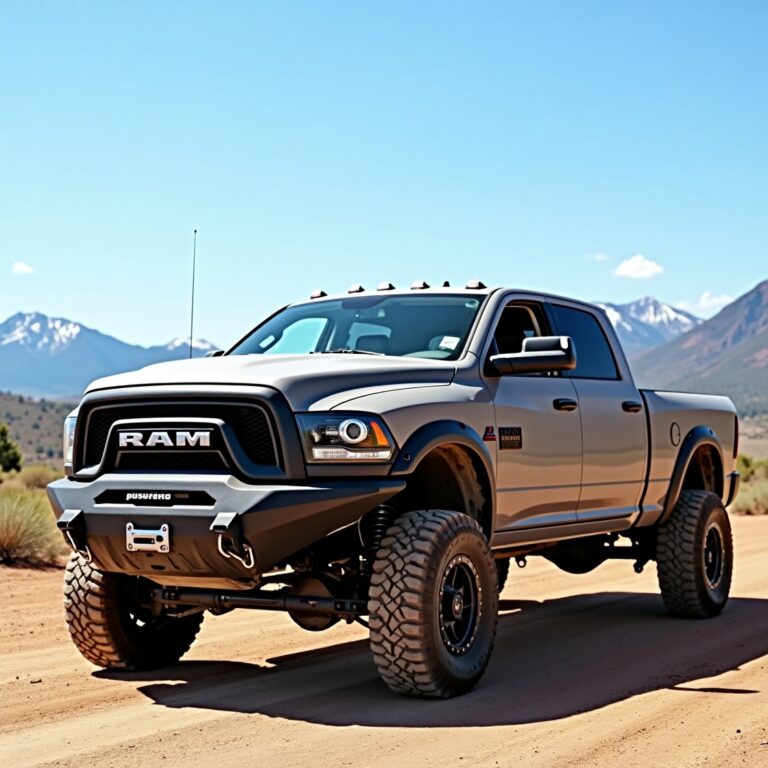
Jacked Up Trucks With Lights: A Comprehensive Guide to Lifted Lifestyles and Luminous Landscapes In the realm of automotive customization, few sights command attention quite like a “jacked up truck with lights.” These formidable machines, elevated high above the asphalt and adorned with an array of illuminating fixtures, are more than just vehicles; they are statements of capability, personal expression, and a passion for both rugged utility and striking aesthetics.
From conquering challenging off-road trails under the cloak of night to gleaming under city lights as a rolling spectacle, jacked-up trucks with lights represent a vibrant subculture that blends mechanical prowess with dazzling visual flair.
This comprehensive guide delves into every facet of these captivating vehicles, exploring the engineering behind their towering stance, the technology that powers their brilliant illumination, the benefits they offer, and the considerations for anyone looking to join this unique and exciting world.
Fog lights are only one part of a complete truck lighting setup. Many drivers also add accent lighting for improved visibility and appearance.
👉 Read LED Light Strips for Trucks Exterior to learn how exterior LED strips can enhance safety and give your truck a modern look.
If you want to go beyond lift kits and roof lights, adding exterior LED accents can further enhance your truck’s presence.
👉 See LED Light Strips for Trucks Exterior for installation ideas and styling tips.
Before adding decorative or auxiliary lighting, it’s important to understand how functional lighting improves road safety.
👉 Start with our guide on LED Fog Lights for Semi Trucks to learn how proper fog lighting enhances visibility in harsh driving conditions.
I. The Anatomy of a Lifted Beast: What Defines “Jacked Up”?
At its core, a “jacked up” truck has undergone modifications to increase its ride height and ground clearance significantly. This transformation is achieved through a combination of specialized components:
- Lift Kits: These are the primary means of elevating a truck. They come in various forms:
- Suspension Lifts: The most common and effective type, these kits replace or modify components of the truck’s suspension system (e.g., control arms, coil springs, leaf springs, shock absorbers, extended knuckles) to raise the entire chassis. They can range from mild 2-inch lifts to extreme 10+ inch systems, often involving complex four-link or coil-over conversions for optimal articulation and ride quality.
- Body Lifts: These kits use spacers to raise the truck’s body from its frame, typically ranging from 1 to 3 inches. While less involved than suspension lifts, they don’t increase ground clearance under the axles or differential.
- Larger Tires and Wheels: A natural complement to a lift kit, larger diameter tires (often 35 inches or more) and custom wheels are crucial for filling out the increased wheel wells and providing enhanced traction. Aggressive tread patterns are common for off-road performance, while varying wheel offsets can push tires further out, contributing to a wider, more aggressive stance.
- Performance Modifications: To compensate for the added weight and rotational mass of larger tires, some lifted trucks also incorporate upgrades to their gearing (to restore power and efficiency), braking systems (for improved stopping power), and sometimes even engine tuning for enhanced performance.
The ultimate goal of these modifications is to create a vehicle with superior ground clearance, improved approach, departure, and breakover angles for off-road obstacles, and an imposing, elevated presence on the road.
II. Illuminating the Path: The World of Truck Lighting
The “lights” aspect of jacked up trucks is equally diverse and integral, serving both functional and aesthetic purposes. Modern LED technology has revolutionized truck lighting, offering incredible brightness, efficiency, and durability.
A. Functional Lighting: These lights are designed to enhance visibility and safety, particularly in challenging conditions or off-road environments.
- LED Light Bars: The most iconic functional lighting accessory, light bars come in various lengths (from 6 inches to over 50 inches) and configurations (single row, dual row, curved). They typically offer a combination of spot (focused, long-distance) and flood (wide, short-distance) beam patterns, providing immense illumination for trails, construction sites, or remote areas. Common mounting locations include the front bumper, grille, roof rack, or behind the grille.
- Pod Lights / Ditch Lights: Often cube-shaped, these smaller, powerful lights are perfect for illuminating specific areas. Mounted on A-pillars or bumpers, they are excellent “ditch lights” for side visibility on narrow trails or “fog lights” for cutting through adverse weather.
- Rock Lights / Underglow (Functional): Strategically placed under the truck’s chassis, these lights illuminate the ground beneath, crucial for navigating technical rock crawling sections at night, allowing the driver to see tire placement and obstacles.
- Upgraded Headlights & Tail Lights: Many enthusiasts replace factory units with high-performance LED or HID projector headlights for superior on-road visibility, and brighter LED tail lights for enhanced safety.
- Auxiliary Reverse Lights: Dedicated, powerful LED lights mounted at the rear provide significantly better illumination when backing up in dark conditions.
B. Aesthetic/Show Lighting: Beyond function, many lights are installed purely for visual impact, transforming a truck into a rolling light show.
- RGB/Chasing Lights: These multi-color lights, often controlled via a smartphone app, can be installed in wheel wells, grilles, under the chassis (as decorative underglow), or even in the interior. They offer a dazzling array of customizable colors and dynamic patterns (e.g., chasing, strobing, fading).
- Grille Inserts with Lights: Custom grilles incorporating illuminated logos, patterns, or even integrated light bars add a unique touch to the truck’s front end.
- Interior Accent Lighting: LED strips or pods can be added to the footwells, dashboard, or door panels to create a custom ambiance inside the cabin.
C. Powering the Brilliance: Managing multiple high-draw lights requires a robust electrical system. This often involves dedicated wiring harnesses, relays, auxiliary fuse boxes, and heavy-duty switches (often in custom switch panels) to ensure safe and reliable operation without overloading the factory electrical system. Some extreme setups may even require upgraded alternators or dual battery systems.
III. Why Go Big and Bright? Benefits of Jacked Up Trucks with Lights
The appeal of jacked up trucks with lights stems from a combination of practical advantages and lifestyle choices:
- Enhanced Off-Road Capability: The primary functional benefit of a lift is increased ground clearance, allowing the truck to clear larger obstacles without damaging the undercarriage. Better approach, departure, and breakover angles prevent scraping on steep inclines or declines. The larger tires provide superior traction on loose surfaces like mud, sand, and rocks.
- Improved Nighttime Visibility & Safety: Functional lighting arrays turn night into day, making off-road navigation safer and more enjoyable. On the road, upgraded headlights and auxiliary lights enhance the driver’s ability to see and be seen, especially in rural areas or during adverse weather.
- Personal Expression & Aesthetics: For many, a lifted truck with custom lighting is a canvas for self-expression. It allows owners to create a unique, imposing, and visually striking vehicle that stands out from the crowd. The sheer “cool factor” is undeniable.
- Increased Utility (in some cases): While extreme lifts can sometimes hinder certain utilities (like easy bed access), a moderate lift can improve towing stability (with proper suspension tuning) and provide better visibility over traffic, especially for work trucks.
- Community & Culture: Owning a jacked-up truck often connects individuals with a passionate community of like-minded enthusiasts. Truck meets, off-road events, and online forums foster camaraderie and shared experiences.
IV. The Journey to Jacked Up: How-To and Considerations
Embarking on the journey to customize a jacked-up truck with lights requires careful planning and consideration.
- Choosing the Right Lift Kit: This is the foundational decision. Consider your primary purpose (serious off-roading, show truck, daily driver), budget, and the specific capabilities of your vehicle. Research reputable brands (e.g., BDS Suspension, Rough Country, Fabtech, King Shocks) and consult with experienced installers or fellow enthusiasts. Understand that a quality lift kit involves more than just spacers; it often includes geometry correction brackets, new control arms, and upgraded shocks to maintain ride quality and driveline angles.
- Selecting Appropriate Lighting: Prioritize functional needs first. Determine the lumen output, beam pattern (spot, flood, combo), and IP (Ingress Protection) rating (for water and dust resistance) suitable for your intended use. For aesthetic lighting, consider color options, control methods (remote, app), and desired visual impact.
- Professional Installation vs. DIY: While some mechanical enthusiasts can tackle smaller lifts and basic light installations, larger suspension lifts and complex wiring for multiple lights often require specialized tools, expertise, and a lift bay. Professional installation ensures proper alignment, torque settings, driveline angles, and safe electrical connections, preventing potential issues down the road and often preserving warranties.
- Legal Compliance: This is crucial. Lift height limits, tire protrusion laws, and regulations regarding light color, brightness, and number vary significantly by state, province, or even local municipality. Always research and comply with local laws to avoid fines or vehicle impoundment. For instance, white or amber lights are generally allowed for forward illumination, while red or blue lights are usually restricted to emergency vehicles.
- Impact on Driving Dynamics: Lifting a truck raises its center of gravity, which can affect handling, braking, and stability, particularly at higher speeds or during evasive maneuvers. Larger tires also increase rolling resistance and unsprung weight, impacting fuel economy, acceleration, and braking distances. Be prepared for changes in ride quality and the need for more frequent alignment checks.
- Maintenance: Lifted trucks require more diligent maintenance. Regularly inspect suspension components, driveline angles, universal joints, and steering components for wear. The added stress on these parts can accelerate their degradation if not properly maintained. Ensure all electrical connections for lights are secure and weatherproof.
V. Types and Categories: Finding Your Niche
Jacked up trucks with lights fall into several broad categories, reflecting their owners’ primary intentions:
- The Daily Driver/Mild Lift: These trucks typically feature a 2-4 inch suspension lift, allowing for larger tires (33-35 inches) and a more aggressive stance without significantly compromising on-road drivability or fuel economy. They might have a single light bar or a few pod lights for occasional off-road excursions or improved visibility.
- The Off-Road Warrior: Built for serious trail performance, these trucks boast 4-6+ inch lifts, robust aftermarket suspension components, massive off-road tires, and extensive functional lighting arrays (multiple light bars, rock lights, ditch lights) to tackle extreme terrain day or night.
- The Show Truck/Street Queen: Often featuring extreme lifts (6+ inches, sometimes much more), massive polished wheels, and tires that rarely see dirt, these trucks prioritize aesthetics. Their lighting setups are elaborate, focusing on RGB underglow, wheel lights, custom grille lighting, and intricate interior lighting, designed to turn heads at car shows and cruise nights.
- The Overlanding Rig: These trucks strike a balance between capability and utility for extended backcountry travel. They typically feature moderate lifts (2-4 inches) for improved clearance, durable all-terrain tires, and a focused lighting setup (reliable light bars, auxiliary reverse lights) complementing other overland modifications like roof racks, recovery gear, and auxiliary fuel/water tanks.
VI. Challenges and Solutions
While the allure of a jacked-up truck with lights is strong, owners should be aware of potential challenges:
- Cost: Quality lift kits, large tires, custom wheels, and extensive lighting can be very expensive. Installation labor adds significantly to the total.
- Solution: Budget carefully, prioritize components, and consider staged upgrades over time.
- Legality: As mentioned, non-compliance with local laws can lead to fines, inspections, or even impoundment.
- Solution: Thoroughly research local regulations before beginning modifications.
- Fuel Economy: Increased weight, larger tires, and aerodynamic drag from lifts significantly reduce MPG.
- Solution: Be prepared for higher fuel costs. Re-gearing can help mitigate some losses.
- Parking & Maneuverability: Tall trucks can be difficult to fit in standard parking garages, drive-thrus, and some car washes.
- Solution: Plan routes, measure clearances, and practice parking.
- Increased Wear & Tear: Lift kits and larger tires put additional stress on driveline, steering, and suspension components, potentially leading to premature wear.
- Solution: Invest in high-quality components, perform regular inspections, and adhere to a rigorous maintenance schedule.
Practical Advice and Actionable Insights
- Start with a Clear Purpose: Define what you want your truck to do. This will guide your choices for lift height, tire size, and lighting types.
- Don’t Skimp on Quality: Especially for suspension components and critical lighting. Cheap parts often lead to premature failure, poor performance, and safety issues.
- Know Your Local Laws: Ignorance is no excuse for legal violations. A quick search for “lifted truck laws [your state/province]” is a must.
- Prioritize Safety Over Aesthetics: Ensure all modifications enhance or at least maintain the truck’s safety features, especially braking and handling.
- Budget for More Than Just Parts: Account for installation costs, alignment, potential re-gearing, and increased running costs (fuel, maintenance).
- Join Online Communities & Clubs: These are invaluable resources for advice, troubleshooting, and finding reputable installers.
Concluding Summary
Jacked-up trucks with lights represent a unique convergence of robust engineering and dazzling aesthetics. They are powerful symbols of freedom, capability, and individuality, allowing owners to navigate challenging terrains with unparalleled visibility or simply make an unforgettable statement on the street. While the journey to build such a machine involves significant investment and careful consideration of technical and legal aspects, the reward is a vehicle that truly stands apart – a testament to personal passion and the enduring allure of going big and bright.
Estimated Price Table for Jacked Up Trucks with Lights Components
Please note: Prices are highly variable and depend on brand, quality, vehicle model, complexity, and labor rates. This table provides estimated ranges for common components.
| Component Category | Description | Estimated Price Range (USD) | Notes |
|---|---|---|---|
| Lift Kits | |||
| Suspension Lift | 2-4 inch | $500 – $2,500 | Basic kits, spacers, shocks. |
| Suspension Lift | 4-6 inch | $1,500 – $6,000 | More comprehensive kits, new control arms, and knuckles. |
| Suspension Lift | 6-10+ inch | $4,000 – $15,000+ | Extreme kits, coil-overs, 4-link, heavy-duty components. |
| Body Lift | 1-3 inch | $200 – $800 | Spacers, hardware. |
| Tires & Wheels | |||
| Large Off-Road Tires | Per set (4) | $1,200 – $3,000+ | 33-40+ inches, aggressive tread. |
| Aftermarket Wheels | Per set (4) | $800 – $4,000+ | Aluminum, steel, custom finishes. |
| Functional Lighting | |||
| LED Light Bar | Small (6-12″) | $50 – $200 | Single row, flood/spot. |
| LED Light Bar | Medium (20-32″) | $150 – $500 | Single/dual row, combo beam. |
| LED Light Bar | Large (40-52″) | $300 – $1,000+ | Roof-mounted, high lumen output. |
| LED Pod Lights | Per pair | $50 – $300 | Ditch lights, fog lights. |
| LED Rock Lights | Set of 4-8 | $100 – $500 | Underbody illumination. |
| Upgraded Headlights | Per pair | $200 – $1,000+ | LED/HID projector assemblies. |
| Aesthetic Lighting | |||
| RGB Underglow Kit | Complete kit | $150 – $600 | App-controlled, multi-color. |
| RGB Wheel Ring Lights | Per set (4) | $200 – $700 | Mounts behind the brake rotor, illuminates the wheel. |
| LED Grille Lights | Kit | $50 – $300 | Emblem, strip, or pattern lighting. |
| Installation & Labor | |||
| Lift Kit Install | Basic | $400 – $1,500 | Includes alignment. |
| Lift Kit Install | Complex | $1,500 – $4,000+ | Extreme lifts, re-gearing, custom work. |
| Lighting Install | Per hour | $80 – $150 | Depending on complexity and shop rates. |
| Miscellaneous | |||
| Re-gearing | Axles (front & rear) | $1,000 – $3,000+ | Parts & labor, crucial for large tires. |
| Alignment | Post-lift | $100 – $250 | Essential after any suspension modification. |
Frequently Asked Questions (FAQ) about Jacked Up Trucks with Lights
Q1: Is it legal to lift my truck?
A1: Yes, generally it is legal to lift your truck, but there are often regulations regarding maximum lift height, bumper height, and fender coverage, which vary by state, province, and even local municipality. Always check your local Department of Motor Vehicles (DMV) or equivalent agency for specific laws in your area.
Q2: How high can I lift my truck?
A2: The maximum legal lift height varies significantly. Some states allow only a few inches of lift, while others are more lenient. For example, some states might limit total vehicle height to 13 feet 6 inches or restrict bumper heights to a certain measurement from the ground. Beyond legal limits, excessive lifts can also negatively impact handling and safety.
Q3: Do jacked-up trucks use more fuel?
A3: Yes, almost always. Lifting a truck increases its aerodynamic drag, and larger, heavier, more aggressive tires increase rolling resistance and unsprung weight. These factors combine to significantly reduce fuel economy compared to a stock truck. Re-gearing can help restore some efficiency lost from larger tires, but overall fuel consumption will increase.
Q4: Can I install a lift kit and lights myself?
A4: Basic lift kits (like leveling kits or small body lifts) and simple light installations (like a single light bar) can often be done by a mechanically inclined DIYer with the right tools. However, complex suspension lifts, especially those involving driveline geometry correction, and extensive electrical wiring for multiple lights, are best left to professional shops. Incorrect installation can lead to safety hazards, poor ride quality, and premature component wear.
Q5: What’s the best type of light bar for off-roading?
A5: The “best” depends on your specific needs. For general off-roading, a combo beam light bar (offering both spot for distance and flood for wide illumination) is highly versatile. For technical rock crawling, dedicated rock lights are essential. Consider the lumens, beam pattern, IP rating (for water and dust resistance), and mounting location for optimal performance.
Q6: Do lift kits void my truck’s warranty?
A6: This is a common concern. Generally, aftermarket modifications, including lift kits, will not automatically void your entire factory warranty. However, if a modification directly causes a failure of a specific factory component, the manufacturer may deny warranty coverage for that particular part. For example, if a large lift kit puts excessive strain on a steering component that then fails, that repair might not be covered. It’s best to discuss potential warranty implications with your dealership before making significant modifications.
Q7: How do I choose the right size tires for my lifted truck?
A7: Tire size depends on your lift height, wheel well clearance, and intended use. Most lift kit manufacturers provide recommended tire sizes for their kits. Generally, a 2-4 inch lift might accommodate 33-35 inch tires, while 6+ inch lifts can run 37 inches or larger. Consider tire type (all-terrain, mud-terrain), load rating, and ensure proper wheel offset to avoid rubbing.