How to Wire a Light Bar on a Truck: A Comprehensive Guide to Auxiliary Lighting Installation
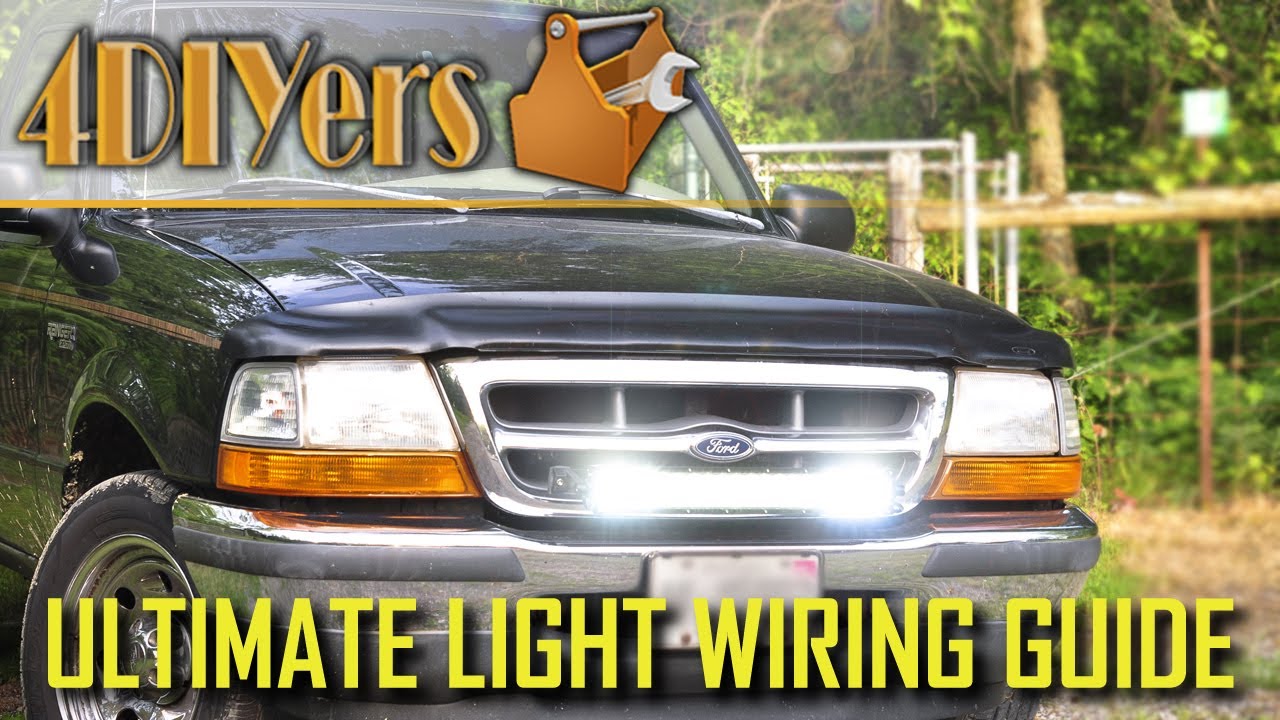
How to Wire a Light Bar on a Truck: A Comprehensive Guide to Auxiliary Lighting Installation
Adding a light bar to your truck is more than just an aesthetic upgrade; it’s a significant enhancement to your vehicle’s utility, safety, and capability, especially when venturing off the beaten path or working in low-light conditions. Whether you’re navigating challenging trails, illuminating a campsite, or needing extra visibility for plowing snow, a properly wired light bar transforms your truck’s lighting prowess.
This comprehensive guide will walk you through how to wire a light bar on a truck, providing you with the knowledge and practical steps needed to successfully complete this popular modification. We’ll cover everything from understanding the electrical components to a step-by-step installation process, ensuring your light bar shines brightly and reliably.
Understanding the Basics: The Anatomy of a Light Bar Wiring System
Before diving into the installation, it’s crucial to understand the fundamental components involved in how to wire a light bar on a truck. A typical light bar wiring system operates on your truck’s 12-volt DC electrical system and consists of several key parts working in harmony:
- The Light Bar: This is the primary component, housing an array of powerful LED lights. It typically has two wires: a positive (+) and a negative (-) or ground.
- The Battery: Your truck’s 12-volt battery serves as the main power source for the light bar. For high-draw accessories like light bars, direct connection to the battery is usually recommended.
- The Relay: This is a crucial safety and control device. A relay acts as an electrically operated switch. Your low-current cabin switch activates the relay, which then closes a separate high-current circuit directly from the battery to the light bar. This protects your delicate cabin switch from the high amperage draw of the light bar, preventing overheating and damage.
- The Fuse: An inline fuse is a critical safety component positioned close to the battery. Its purpose is to protect the wiring and your vehicle’s electrical system from overcurrents or short circuits. If too much current flows through the circuit, the fuse will blow, breaking the circuit and preventing potential fires or damage.
- The Switch: This is the control mechanism, usually mounted in the truck’s cabin, allowing you to turn the light bar on and off. It sends a low-current signal to the relay.
- Wiring: Various gauges of automotive wire connect these components, carrying power and signals throughout the system. The correct wire gauge is vital to prevent overheating and voltage drop.
- Ground: Every electrical circuit needs a complete path for current to flow. The negative terminal of the light bar, relay, and switch will connect to a clean, unpainted metal part of the truck’s chassis, providing a common ground point.
Essential Tools and Materials You’ll Need
Successfully wiring a light bar requires a few basic tools and materials. Having these on hand will make the process smoother and safer:
- Light Bar: Of course!
- Wiring Harness Kit (Recommended): Most light bars come with or have readily available dedicated wiring harnesses. These kits typically include the relay, inline fuse, switch, and pre-cut wires, simplifying the installation significantly.
- Wire Strippers/Crimpers: For preparing wire ends and securing connectors.
- Electrical Tape/Heat Shrink Tubing: For insulating connections and protecting wires.
- Zip Ties/Wire Loom/Conduit: For securing and protecting wires from abrasion and heat.
- Multimeter (Optional but Recommended): For testing voltage, continuity, and diagnosing issues.
- Drill and Bits: For mounting the light bar and potentially the switch.
- Screwdrivers/Wrenches: For mounting brackets and battery terminals.
- Safety Glasses: Always protect your eyes when working with tools and electrical components.
- Terminal Connectors: Ring terminals for battery and ground connections, butt connectors for splicing wires if needed.
Planning Your Installation: Key Considerations Before You Start
Proper planning is paramount for a successful and safe light bar installation. Consider these points before you begin how to wire a light bar on a truck:
- Mounting Location: Where will you mount the light bar? Common locations include the front bumper, grille, roof rack, or behind the grille. The chosen location will dictate the length of wire needed and the complexity of routing. Ensure the mounting is secure and doesn’t obstruct vision or vehicle sensors.
- Power Source: For high-wattage light bars, always connect directly to the positive terminal of your truck’s battery. This provides a clean, dedicated power source and avoids overloading existing circuits.
- Switch Placement: Decide where you want to install the control switch inside the cabin. It should be easily accessible, ideally in a blank switch panel or a discreet location on the dashboard. Consider whether you want an illuminated switch.
- Wire Routing: Plan the path for your wiring. Wires should be routed away from hot engine components, sharp edges, and moving parts (like steering columns or pedals). Use existing wire channels or loom where possible to protect the wires from heat, abrasion, and moisture.
- Amperage Draw and Fuse Sizing: Calculate the total amperage draw of your light bar (Watts / 12 Volts = Amps). For example, a 180-watt light bar draws 15 amps (180W / 12V = 15A). Your fuse should be rated slightly higher than this, typically 1.25 to 1.5 times the continuous operating current. So, for 15 amps, a 20-amp fuse would be appropriate. The wire gauge must also be sufficient for this amperage and the length of the run.
Step-by-Step Guide: How to Wire a Light Bar on Your Truck
Follow these detailed steps to wire your light bar safely and effectively:
-
Disconnect the Battery: Crucial Safety Step! Always disconnect the negative (-) terminal of your truck’s battery before starting any electrical work. This prevents accidental short circuits and protects you and your vehicle.
-
Mount the Light Bar: Securely attach the light bar to your chosen location using the provided brackets and hardware. Ensure it’s level and aimed correctly.
-
Route the Wiring Harness:
- Light Bar to Engine Bay: Route the light bar’s positive and negative wires from the light bar location into the engine bay. If using a pre-made harness, connect the light bar’s positive and negative wires to the corresponding wires on the harness.
- Engine Bay (Relay/Fuse) to Battery: Route the main power wire (from the fuse holder) from the engine bay towards the positive terminal of the battery.
- Engine Bay (Relay) to Cabin (Switch Wire): Locate an existing grommet in the firewall (a rubber seal where other wires pass through) to route the control wire for the switch from the engine bay into the truck’s cabin. If no suitable grommet exists, you may need to drill a small hole and install a new grommet for protection.
- Cabin Switch to Ground: Route the ground wire from the switch to a suitable ground point inside the cabin (e.g., a sturdy metal bolt under the dash).
-
Connect the Relay: Most automotive relays are 4-pin (or 5-pin, with one unused for simple light bar circuits). The pins are typically labeled 30, 87, 85, and 86.
- Pin 30 (Input Power): Connect this to the wire coming from the inline fuse holder, which will eventually connect to the battery’s positive terminal.
- Pin 87 (Output Power): Connect this to the positive wire of your light bar.
- Pin 85 (Control Ground): Connect this to a good chassis ground point in the engine bay.
- Pin 86 (Control Power): Connect this to the wire coming from your cabin switch.
-
Install the Fuse: Install the inline fuse holder as close as possible to the positive terminal of the battery. Insert the correctly rated fuse into the holder.
-
Wire the Switch:
- Connect the control wire from relay pin 86 to one terminal on your switch.
- If your switch is illuminated, it will likely need a 12V power source (you can tap into an accessory circuit that comes on with the ignition, or a constant 12V source, depending on your preference) and a ground connection. Refer to your switch’s wiring diagram.
- Connect the switch’s ground wire to a clean, unpainted metal part of the truck’s chassis inside the cabin.
-
Make Ground Connections: Connect the negative wire from the light bar, and the ground wire from relay pin 85 to a clean, unpainted metal part of the truck’s chassis in the engine bay. Use a ring terminal for a secure connection. Ensure the connection point is free of paint, rust, or dirt for optimal conductivity.
-
Double-Check All Connections: Before reconnecting the battery, carefully review every connection. Ensure wires are securely crimped, insulated with heat shrink or electrical tape, and routed safely. Give each wire a gentle tug to confirm it’s secure.
-
Reconnect Battery and Test: Reconnect the negative (-) terminal of your truck’s battery. Turn on your truck and then activate the light bar switch. If everything is wired correctly, your light bar should illuminate.
-
Secure and Tidy Wiring: Once you’ve confirmed everything works, use zip ties to bundle and secure all wiring, keeping it neat and away from moving parts or heat sources. Use wire loom or conduit for added protection against abrasion.
Troubleshooting Common Issues
Even with careful planning, issues can arise. Here are some common problems and solutions when wiring a light bar on a truck:
- Light bar not turning on:
- Check the fuse: A blown fuse is the most common culprit. Replace it with one of the correct rating.
- Loose connections: Inspect all connections at the battery, fuse, relay, switch, and light bar.
- Poor ground: Ensure all ground connections are clean, tight, and on bare metal.
- Faulty relay/switch: Test the relay and switch using a multimeter.
- No power to relay: Check the wire from the battery to pin 30 on the relay.
- Light bar flickers or is dim:
- Loose connection or poor ground: Re-check all connections.
- Insufficient wire gauge: The wire might be too thin for the current draw, causing voltage drop.
- Weak battery: Test your truck’s battery voltage.
- Battery drain:
- Faulty switch or relay: A defective switch or relay can draw power even when off.
- Improper wiring: Ensure the switch is breaking the control circuit to the relay correctly.
- Radio interference:
- Ensure proper grounding for the light bar and relay.
- Some light bars produce EMI (electromagnetic interference); using shielded wires or a dedicated noise filter can help.
Safety Precautions and Best Practices
- Always disconnect the battery before working on electrical components.
- Use the correct wire gauge for your light bar’s amperage draw to prevent overheating.
- Install a fuse close to the battery to protect the circuit.
- Ensure all connections are secure and properly insulated with heat shrink tubing or high-quality electrical tape.
- Route wires carefully, away from heat, sharp edges, and moving parts. Use wire loom for added protection.
- Test your connections with a multimeter before reconnecting the battery.
- Check local laws regarding the use of auxiliary lighting on public roads. Many jurisdictions require light bars to be covered when driving on paved roads.
Table: Estimated Costs for Wiring a Light Bar on a Truck (Excluding Light Bar Itself)
| Component/Service | Description | Estimated Price Range (USD) | Notes The Light Bar is designed to enhance visibility in specific outdoor driving conditions. The purpose is to provide additional illumination when required, complementing the truck’s standard lighting system. It is important to note that it is illegal to operate a light bar on public roads in most states. Ensure compliance with local regulations. |
| Benefits | Improves visibility during night driving, off-road exploration, or adverse weather conditions (fog, heavy rain). Enhances safety by making your truck more noticeable to others. Provides ample light for tasks like setting up camp or working in dark environments.
