High Lifted Trucks: A Comprehensive Guide to Elevated Performance and Style
High Lifted Trucks: A Comprehensive Guide to Elevated Performance and Style
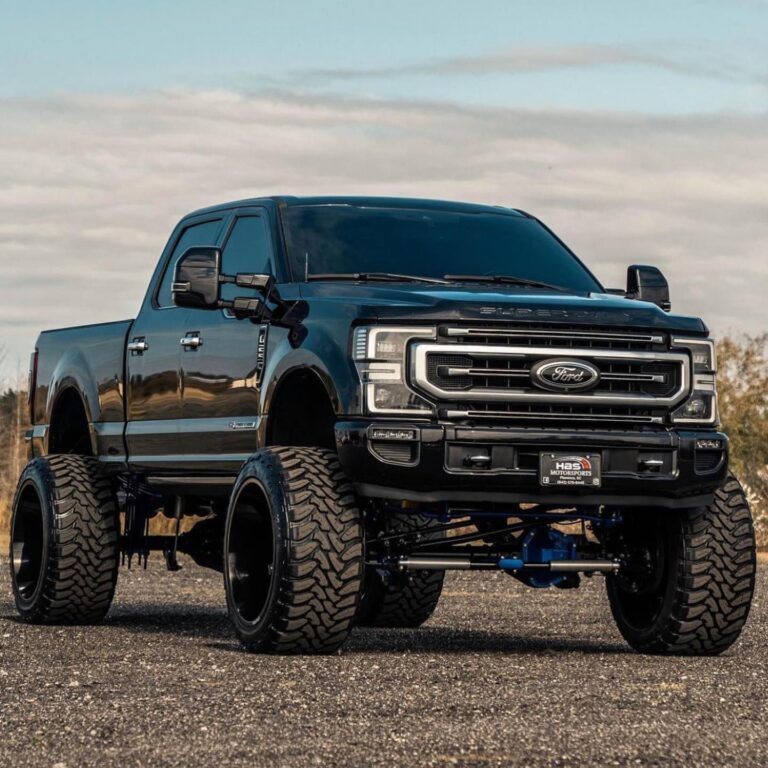
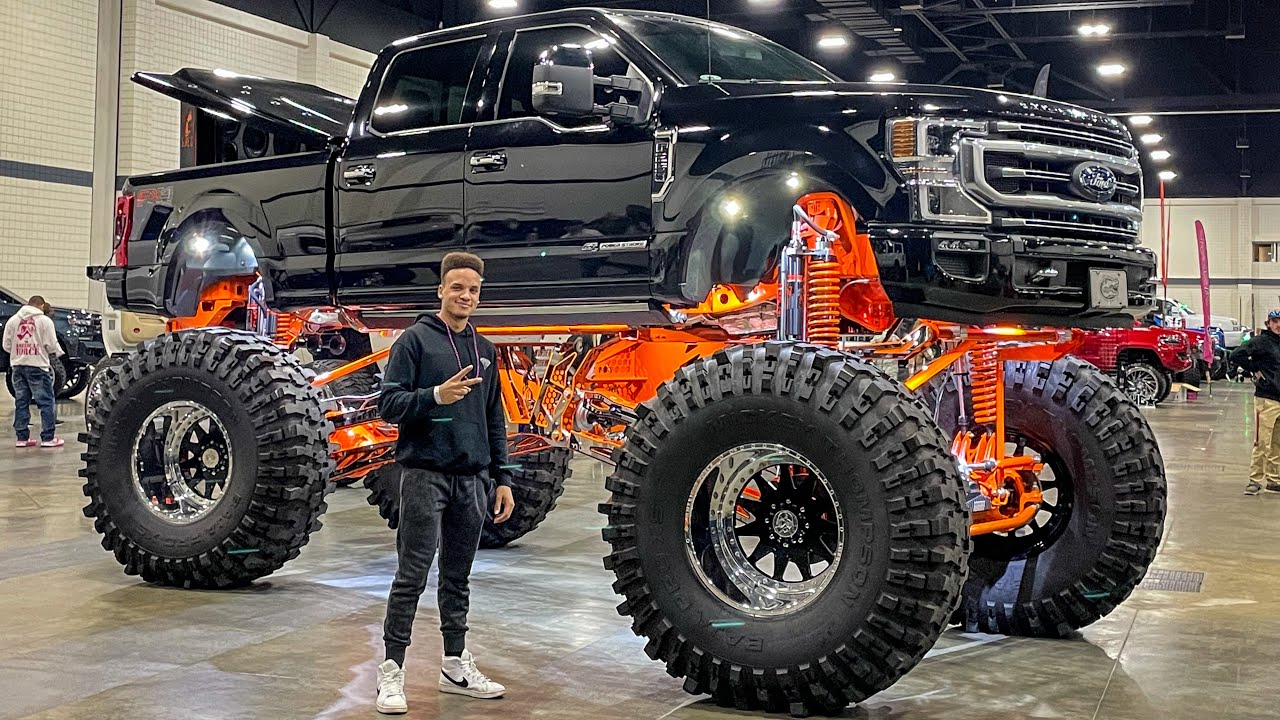
From commanding the urban jungle to conquering rugged off-road trails, high lifted trucks have carved out a significant niche in the automotive world. More than just a cosmetic upgrade, lifting a truck transforms its capabilities, aesthetic, and the very driving experience. These formidable vehicles, characterized by their increased ground clearance, elevated suspension, and often larger, more aggressive tires, represent a fusion of utility, performance, and personal expression. This article delves deep into the world of high lifted trucks, exploring their appeal, the mechanics behind the lift, crucial considerations, and what it takes to own one.
Understanding the Lift: What Makes a Truck "High Lifted"?
At its core, a high lifted truck is a standard pickup or SUV that has undergone modifications to raise its body and/or suspension significantly higher than its factory setting. This elevation is primarily achieved through specialized "lift kits." The goal is multifold: to increase ground clearance for navigating obstacles, to accommodate larger tires for enhanced traction and visual impact, and to impart a more aggressive, dominant stance.
There are two primary methods for achieving this lift:
- Suspension Lift Kits: These are the most common and effective type for true performance enhancement. They involve replacing or modifying components of the truck’s suspension system, such as coil springs, leaf springs, shocks, control arms, and sometimes even steering linkages. A well-engineered suspension lift not only raises the vehicle but also maintains or improves ride quality and off-road articulation.
- Body Lift Kits: These kits raise the truck’s body from its frame using spacer blocks. They do not alter the suspension or increase ground clearance at the axles; instead, they create space between the body and the frame, primarily to allow for larger tires without modifying the suspension geometry. Body lifts are generally less expensive and simpler to install but offer fewer performance benefits.
Often, a combination of these methods, along with larger wheels and tires, contributes to the overall "high lifted" appearance and functionality.
Why Go High? Benefits and Appeal of Lifted Trucks
The allure of high lifted trucks is undeniable, stemming from a blend of practical advantages and powerful aesthetic appeal.
Off-Road Prowess
This is arguably the most significant functional benefit. Increased ground clearance allows the truck to pass over rocks, logs, and uneven terrain without scraping its undercarriage. Enhanced approach, departure, and break-over angles mean the truck can tackle steeper inclines, descents, and crests more effectively. Larger, more aggressive tires, often fitted with a lift, provide superior traction in mud, snow, sand, and rocky conditions, transforming a stock truck into a formidable off-road machine.
Improved Visibility
A higher driving position grants the driver a commanding view of the road and surroundings. This can enhance situational awareness, making it easier to spot potential hazards, especially in heavy traffic or when navigating crowded areas.
Aesthetic Appeal and Customization
For many, the primary draw is the imposing, aggressive look of a lifted truck. It projects an image of strength, capability, and rugged individualism. Lifting a truck opens up a world of customization possibilities, from choosing specific wheel and tire combinations to adding accessories like fender flares, winches, and aftermarket bumpers, allowing owners to personalize their vehicle to reflect their unique style.
Utility and Practicality
Beyond off-roading, a lifted truck can be more practical for certain work applications, such as navigating construction sites or accessing remote job locations. It can also make it easier to load and unload specific types of cargo, depending on the setup.
Types of Lift Kits and How They Work (A "How-To" Guide on Choosing)
Choosing the right lift kit involves understanding the different types available and matching them to your needs, budget, and vehicle.
Suspension Lift Kits
These are the preferred choice for serious off-roaders and those seeking a significant performance upgrade.
- Coilover Lifts: Replace factory shocks and springs with integrated coilover units, often adjustable. Offer excellent ride quality and performance but are typically more expensive.
- Leaf Spring Lifts: For trucks with leaf spring suspensions (common in the rear of many pickups), these involve replacing the leaf springs with new, arched units or adding an "add-a-leaf" to increase stiffness and height.
- Block Lifts (Rear): Involve placing spacer blocks between the axle and leaf springs. Simple and inexpensive but can lead to axle wrap under heavy throttle.
- Spacer Lifts (Front): Involve placing spacers above or below the coil springs/struts. A cost-effective way to achieve a mild lift (1-3 inches) but doesn’t change suspension travel or ride quality significantly.
- Long Arm/Short Arm Lifts: For solid axle vehicles, these replace factory control arms with longer or different geometry arms to correct suspension geometry at higher lifts, improving articulation and ride.
Body Lift Kits
These are a good option for those seeking to fit larger tires with minimal impact on suspension or budget.
- Spacer Blocks: Urethane or aluminum blocks are placed between the body mounts and the frame, effectively raising the body.
- Steering Extension: Often required to accommodate the body lift.
- Bumper Relocation Brackets: May be needed to ensure bumpers align properly with the raised body.
How to Choose:
- Define Your Purpose: Are you primarily seeking aesthetics, serious off-road capability, or a balance?
- Determine Desired Lift Height: Mild (1-3 inches), moderate (4-6 inches), or extreme (6+ inches)?
- Consider Your Budget: Kit costs, installation, and associated upgrades (tires, wheels, alignment) can vary wildly.
- Research Vehicle-Specific Kits: Not all kits are compatible with all trucks. Look for reputable brands known for your truck model.
- Factor in Local Regulations: Some areas have legal limits on lift height.
- Professional Installation: For suspension lifts, professional installation and alignment are highly recommended to ensure safety and proper vehicle dynamics.
Important Considerations Before Lifting Your Truck
While the benefits are compelling, lifting a truck comes with a set of important considerations that prospective owners must understand.
Safety and Handling
A lifted truck has a higher center of gravity, which can increase the risk of rollovers, especially during sharp turns or evasive maneuvers. Braking distances can also be affected, and steering characteristics may change. Proper installation and alignment are critical to mitigate these risks. Quality suspension components are essential for maintaining stable handling.
Legal Regulations
Lift laws vary significantly by state and even by local municipality. These laws often dictate maximum bumper height, headlight height, and overall vehicle height. Some states require fender flares if tires extend beyond the wheel wells. Research your local laws thoroughly before committing to a lift.
Cost Implications
Beyond the lift kit itself, there are several associated costs:
- Installation Labor: Can be substantial for complex suspension lifts.
- New Tires and Wheels: Often necessary to fill the larger wheel wells and complement the lift.
- Alignment: Crucial after any suspension modification to ensure proper steering and tire wear.
- Potential Drivetrain Upgrades: At higher lifts, components like driveshafts, U-joints, and differential gearing may need upgrading to handle the altered angles and larger tires.
- Fuel Economy: Larger, heavier, and more aggressive tires, combined with increased aerodynamic drag from the lift, almost invariably lead to worse fuel efficiency.
Warranty Implications
Modifying your truck’s suspension or body can potentially void parts of your manufacturer’s warranty, particularly for components directly affected by the lift (e.g., suspension, drivetrain). Always check with your dealership or manufacturer before making significant modifications if warranty coverage is a concern.
Daily Driveability
Consider how the lift will impact your daily routine. Will it fit in your garage or parking structures? Is entering and exiting the vehicle comfortable for you and your passengers? Will it be more challenging to load items into the bed?
Tips for Owning and Maintaining a High Lifted Truck
Proper care and maintenance are paramount for the longevity and safety of a lifted truck.
- Regular Inspections: Frequently check all suspension components, including bolts, bushings, shocks, and steering linkages, for wear, damage, or looseness.
- Tire Care: Maintain correct tire pressure, rotate tires regularly, and inspect for uneven wear, which can indicate alignment issues or component problems.
- Professional Alignments: Get a professional alignment after installation and periodically thereafter, especially if you engage in heavy off-roading. Lifted trucks are more sensitive to alignment changes.
- Understand Its Limits: While capable, even a lifted truck has its limits. Drive responsibly, especially off-road, and avoid pushing the vehicle beyond its design capabilities.
- Safe Driving Practices: Account for the higher center of gravity by taking turns slower, increasing following distances, and being mindful of crosswinds.
- Cleanliness: Regularly clean the undercarriage, especially after off-roading, to remove mud, salt, and debris that can accelerate corrosion.
Potential Challenges and Solutions
Owning a lifted truck can present unique challenges, but most have practical solutions.
- Challenge: Handling Issues (Wandering Steering, Bump Steer):
- Solution: Ensure professional installation and alignment. Invest in high-quality lift kits that include corrected steering components (e.g., track bars, pitman arms, control arms).
- Challenge: Increased Wear on Driveline Components:
- Solution: At higher lifts, consider upgrading driveshafts, U-joints, and potentially differential gears to handle the altered angles and increased stress from larger tires. Regular inspection and lubrication are key.
- Challenge: Entry/Exit Difficulty:
- Solution: Install aftermarket running boards, side steps, or power deployable steps for easier access. Grab handles can also be helpful.
- Challenge: Garage/Parking Clearance:
- Solution: Measure your truck’s total height after the lift before attempting to park in garages or low-clearance areas. Some owners opt for smaller lifts if garage access is critical.
- Challenge: Speedometer Inaccuracy:
- Solution: Installing larger tires changes the effective gear ratio and speedometer reading. Have your speedometer recalibrated by a professional or with a programmer to ensure accurate speed and mileage tracking.
Concluding Summary
High lifted trucks represent a unique blend of rugged utility, enhanced performance, and bold personal style. Whether destined for the challenging terrain of an off-road adventure or simply to make a statement on city streets, the transformation achieved by a well-executed lift is profound. However, this journey requires careful consideration, thorough research, and a commitment to responsible modification and maintenance. By understanding the mechanics, acknowledging the associated costs and challenges, and prioritizing safety and compliance, enthusiasts can fully embrace the elevated experience that a high lifted truck offers. It’s more than just a vehicle; it’s a testament to capability and individuality.
High Lifted Trucks: Estimated Price Table
It’s crucial to understand that prices for high lifted truck components and installation vary dramatically based on the truck’s make and model, the brand and quality of the lift kit, the desired lift height, and regional labor rates. The table below provides estimated ranges to give you a general idea. These figures do not include the cost of the truck itself.
| Component/Service | Type/Description | Estimated Lift Height (Inches) | Estimated Kit Cost (USD) | Estimated Installation Cost (USD) | Additional Costs (USD) | Total Estimated Cost (USD) (Excl. Truck) |
|---|---|---|---|---|---|---|
| Body Lift Kit | Basic spacers, non-suspension related | 1-3 | $200 – $600 | $300 – $800 | None (if existing tires fit) / $1,000 – $3,000 (new tires) | $500 – $4,400 |
| Leveling Kit | Front spacers or torsion bar keys (lifts front only) | 1-2.5 | $100 – $400 | $200 – $500 | $100 – $200 (alignment) | $400 – $1,100 |
| Small Suspension Lift | Basic spacers, block kits (front/rear) | 2-3 | $300 – $800 | $400 – $1,000 | $100 – $200 (alignment) / $1,500 – $4,000 (new tires) | $800 – $6,000 |
| Moderate Suspension Lift | Full spring/shock replacement, control arms | 4-6 | $800 – $3,000 | $800 – $2,000 | $100 – $300 (alignment) / $2,000 – $6,000 (new tires) | $3,700 – $11,300 |
| Extreme Suspension Lift | Advanced components, driveline mods, coilovers | 6-12+ | $3,000 – $10,000+ | $1,500 – $4,000+ | $200 – $500 (alignment) / $3,000 – $8,000+ (new tires/wheels) / $500 – $3,000 (driveline mods) | $8,200 – $25,500+ |
Important Notes:
- Tires & Wheels: Often the most expensive part of a lift. Larger, off-road specific tires and aftermarket wheels can add thousands to the total cost.
- Alignment: Always necessary after a suspension lift.
- Driveline Modifications: For higher lifts, new driveshafts, transfer case drops, or differential re-gearing may be required to correct angles and maintain performance.
- Accessories: Fender flares, running boards, bumpers, winches, etc., are additional costs.
- DIY vs. Professional: DIY installation saves labor costs but requires specialized tools, mechanical knowledge, and can void warranties if done incorrectly.
Frequently Asked Questions (FAQ) about High Lifted Trucks
Q1: How much does it cost to lift a truck?
A1: The cost varies widely. A basic leveling kit can be a few hundred dollars, while a comprehensive suspension lift with new tires, wheels, and professional installation can range from $3,000 to well over $10,000, depending on the desired lift height, truck model, and component quality. Refer to the price table above for estimated ranges.
Q2: Is lifting a truck bad for it?
A2: If done correctly with quality components and professional installation, a lift can enhance your truck’s capabilities without severe detriment. However, an improperly installed lift or excessive lift height can negatively impact handling, accelerate wear on suspension and drivetrain components, and increase the risk of rollovers due to a higher center of gravity. Regular maintenance is key.
Q3: Can I lift my truck myself?
A3: It depends on your mechanical skill level, available tools, and the complexity of the lift kit. Body lifts and simple leveling kits are often DIY-friendly. Full suspension lifts, especially those requiring significant component replacement or geometry correction, are best left to experienced professionals to ensure safety, proper alignment, and optimal performance.
Q4: Will lifting my truck void my warranty?
A4: Generally, modifications like lifting a truck can void the manufacturer’s warranty for components directly affected by the modification (e.g., suspension, steering, drivetrain). It typically won’t void the entire vehicle’s warranty, but it’s crucial to check with your dealership or the manufacturer beforehand to understand the specific implications.
Q5: Do I need new tires when I lift my truck?
A5: While not always strictly necessary for very mild lifts (1-2 inches), most people lift their trucks to fit larger, more aggressive tires. Larger tires fill the wheel wells better, complement the lifted look, and provide enhanced off-road performance. You’ll also likely need a professional alignment after installing a lift, regardless of tire changes.
Q6: How high can I legally lift my truck?
A6: Lift laws vary by state and even by local jurisdiction. These laws often regulate maximum bumper height, headlight height, and overall vehicle height. It’s essential to research your specific local and state laws before installing a lift to ensure compliance and avoid fines or safety issues.
Q7: What’s the difference between a body lift and a suspension lift?
A7: A body lift raises the truck’s body from its frame using spacers, primarily to allow for larger tires. It does not increase ground clearance at the axles. A suspension lift modifies or replaces suspension components (springs, shocks, control arms) to raise the entire vehicle, increasing both body height and ground clearance at the axles, significantly enhancing off-road capability.
For more in-depth information and specific product recommendations, you can .