GMC Lifted Trucks: Elevating Performance, Presence, and Possibility
GMC Lifted Trucks: Elevating Performance, Presence, and Possibility
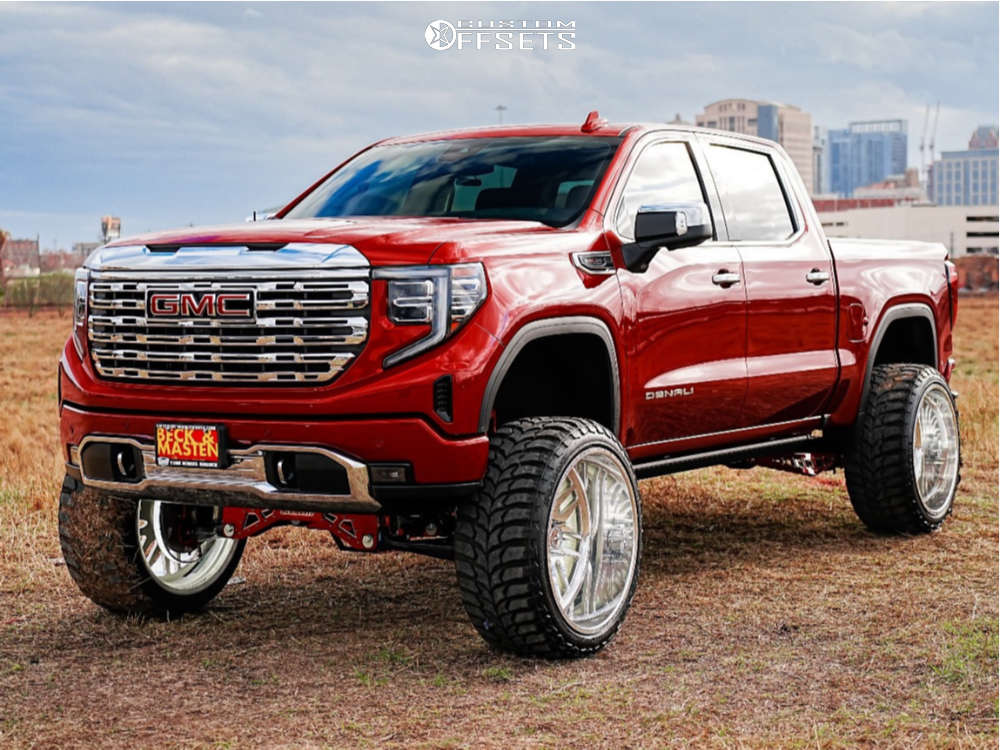
The roar of a powerful engine, the commanding presence on the road, and the undeniable capability to conquer challenging terrain – these are just some of the hallmarks of a GMC lifted truck. More than just an aesthetic modification, lifting a GMC truck transforms it into a versatile beast, capable of handling everything from rugged off-road adventures to demanding worksite tasks, all while turning heads with its enhanced stature. This comprehensive guide delves into the world of GMC lifted trucks, exploring the motivations behind these modifications, the types of lifts available, crucial considerations, and how to make the most of your elevated ride.
Why Elevate? The Allure of a Lifted GMC
Lifting a GMC truck is a popular modification driven by a combination of practical benefits and personal preferences. Understanding these motivations is the first step in appreciating the value of a lifted vehicle.
- Enhanced Off-Road Capability: This is arguably the primary reason many choose to lift their GMC. Increased ground clearance allows the truck to traverse obstacles like rocks, logs, and deep ruts without damaging the undercarriage. Taller suspension travel also improves articulation, keeping tires on the ground for better traction over uneven surfaces.
- Accommodating Larger Tires: Lifting is often a prerequisite for fitting larger, more aggressive off-road tires. These tires not only enhance grip and durability in challenging environments but also contribute significantly to the truck’s rugged aesthetic.
- Improved Towing and Hauling Stability (in some cases): While primarily associated with off-road, a properly installed lift kit with upgraded suspension components can sometimes improve load-carrying stability, especially when paired with heavy-duty springs and shocks.
- Commanding Road Presence: There’s no denying the visual impact of a lifted GMC. Its elevated stance exudes confidence, power, and a unique personality that sets it apart from stock vehicles.
- Personalization and Style: For many owners, lifting their GMC is an expression of individuality and a way to customize their vehicle to reflect their lifestyle and taste. It’s about building a truck that truly belongs to them.
Decoding Lift Kits: Types and Components
Lifting a GMC truck isn’t a one-size-fits-all endeavor. Various types of lift kits cater to different needs, budgets, and desired outcomes.
- Leveling Kits: These are the simplest and most affordable lift options, typically raising the front of the truck by 1-3 inches to match the factory rake (the slight downward slope from rear to front).
- Components: Spacers that go above or below the front coil springs or struts.
- Benefits: Corrects nose-dive, allows for slightly larger tires (usually 33-inch), maintains factory ride quality.
- Drawbacks: Minimal off-road gain, doesn’t address the rear.
- Body Lift Kits: These kits raise the truck’s body from the frame, usually by 1-3 inches, using spacers.
- Components: Spacers, bumper relocation brackets, steering extension.
- Benefits: Cost-effective, allows for larger tires without altering suspension geometry, maintains factory ride.
- Drawbacks: Frame can become visible, may require extensions for brake lines and wiring, doesn’t increase ground clearance under the axles.
- Suspension Lift Kits: These are the most comprehensive and effective lift solutions, replacing or modifying key suspension components to achieve significant lift (2-12+ inches).
- Components: Taller coil springs, longer shocks, lift blocks or add-a-leafs for the rear, new control arms, drop down brackets for differential/transmission, longer brake lines, steering components, and sometimes new driveshafts.
- Benefits: Maximizes ground clearance and wheel travel, allows for very large tires (35-inch and up), dramatically improves off-road performance.
- Drawbacks: More expensive, complex installation, can alter ride quality, may require additional modifications (e.g., re-gearing, fender trimming), potential warranty implications.
Choosing the Right Lift Kit for Your GMC
Selecting the ideal lift kit requires careful consideration of several factors to ensure it aligns with your goals and budget.
- Intended Use: Will your GMC be primarily for daily driving with occasional light trails, or are you planning serious off-road expeditions? Your use case will dictate the type and height of the lift.
- Desired Tire Size: Determine the maximum tire size you want to run. This directly influences the amount of lift needed.
- Budget: Lift kits range widely in price, from a few hundred dollars for a leveling kit to several thousand for a high-end suspension lift. Don’t forget to factor in installation costs, alignment, and potentially new tires and wheels.
- Ride Quality: A mild lift or leveling kit will likely maintain near-factory ride quality. More aggressive suspension lifts can stiffen the ride, though quality components aim to mitigate this. Read reviews and consider adjustable shock options.
- GMC Model: Different GMC models (Sierra, Canyon, Yukon, Hummer EV) have unique chassis and suspension designs, meaning specific kits are required for each.
- Warranty: Be aware that modifying your truck’s suspension can potentially void portions of your factory warranty. Check with your dealership before making significant changes.
Installation and Professional Insights
While some basic leveling kits can be installed by experienced DIYers, most suspension lift kits are complex projects best left to certified professionals.
- DIY vs. Professional Installation: A professional installation ensures all components are correctly fitted, torqued to spec, and that the truck’s alignment and geometry are properly adjusted. This is crucial for safety, performance, and longevity.
- Post-Installation Alignment: Absolutely critical! After any suspension modification, a proper wheel alignment is essential to prevent premature tire wear, maintain safe handling, and ensure the vehicle tracks straight.
- Computer Recalibration: Modern GMC trucks have sophisticated computer systems. Lifting can affect sensor readings (e.g., speed, stability control). Some kits may require recalibration of the speedometer or other systems to function correctly.
- Test Drive and Inspection: After installation, thoroughly test drive the truck on various surfaces. Listen for unusual noises, check steering response, and inspect for any leaks or loose components.
Maintaining Your Lifted GMC
A lifted truck, especially one used off-road, requires specific maintenance attention to ensure its reliability and safety.
- Regular Suspension Checks: Periodically inspect all lift kit components – shocks, springs, control arms, bushings, tie rods, and steering components – for wear, damage, or looseness.
- Tire Rotation and Balancing: Larger tires wear differently. Regular rotation (every 5,000-7,000 miles) and balancing are vital to maximize tire life and maintain smooth operation.
- Alignment Checks: Even after the initial alignment, off-road driving can knock things out of whack. Consider annual alignment checks or after particularly rough excursions.
- Lubrication: If your lift kit includes greasable fittings, ensure they are regularly lubricated as per the manufacturer’s recommendations.
- Cleanliness: After off-roading, thoroughly clean your undercarriage to remove mud, dirt, and debris that can trap moisture and accelerate corrosion.
Legal and Safety Considerations
Before lifting your GMC, it’s crucial to be aware of local laws and safety implications.
- State and Local Laws: Many regions have specific regulations regarding maximum vehicle height, bumper height, and tire protrusion. Research your local laws to ensure your lifted truck remains street-legal.
- Insurance Implications: Inform your insurance provider about your modifications. Some policies may have restrictions or require additional coverage for extensively modified vehicles.
- Handling Characteristics: A lifted truck will have a higher center of gravity, which can affect handling, especially at higher speeds or during evasive maneuvers. Drive cautiously until you become accustomed to the new dynamics.
- Braking Performance: Larger, heavier tires can increase braking distances. Consider upgrading your brakes if you install significantly larger tires.
- Visibility: The increased height can affect visibility, particularly for smaller vehicles around you. Be extra vigilant.
Popular GMC Models for Lifting
GMC offers a robust lineup of trucks and SUVs that are excellent candidates for lifting:
- GMC Sierra 1500/2500HD/3500HD: The quintessential GMC pickup, offering a wide range of lift kit options from mild leveling to extreme off-road setups.
- GMC Canyon: The mid-size pickup is a great platform for a more nimble lifted truck, perfect for trail exploration.
- GMC Yukon/Yukon XL: These full-size SUVs benefit from lifts to improve off-road capability and give them a more aggressive stance, often seen as family adventure vehicles.
Price Guide for GMC Lift Kit Components & Services
Please note that these are estimated price ranges for lift kits and related services for GMC trucks. Actual prices vary significantly based on brand, quality, specific vehicle model, regional labor rates, and market conditions. This table does not include the cost of new tires or wheels, which are often purchased alongside a lift kit.
| Component/Service | Description | Estimated Price Range (USD) |
|---|---|---|
| Leveling Kit (Front Only) | Spacers for front struts/coils, 1-3 inch lift. | $100 – $400 |
| Body Lift Kit (1-3 inch) | Spacers between body and frame, includes hardware. | $300 – $700 |
| Mild Suspension Lift Kit (2-3 inch) | Basic components like lift blocks/add-a-leafs for rear, new shocks for front. | $500 – $1,500 |
| Mid-Range Suspension Lift Kit (4-6 inch) | Comprehensive kit with new coils/struts, control arms, shocks, and rear lift. | $1,500 – $4,000 |
| High-Performance Suspension Lift Kit (6+ inch) | Advanced components, adjustable shocks, upgraded steering/driveshafts. | $4,000 – $10,000+ |
| Professional Installation (Labor Only) | Cost to install a lift kit (varies by complexity and shop rate). | $400 – $1,500+ |
| Wheel Alignment | Essential after any suspension modification. | $100 – $250 |
| Speedometer Recalibration | May be needed for larger tires. | $50 – $200 |
Frequently Asked Questions (FAQ) About GMC Lifted Trucks
Q1: Will lifting my GMC truck void its factory warranty?
A1: It depends on the modification and the dealership. Minor modifications like leveling kits might not affect the entire warranty. However, major suspension lifts can void the warranty on related drivetrain and suspension components. It’s always best to check with your specific GMC dealership before making modifications.
Q2: How much lift do I need to fit 35-inch tires on my GMC Sierra?
A2: Generally, a 4-6 inch suspension lift is required to comfortably fit 35-inch tires on a GMC Sierra 1500 without significant rubbing, though some minor trimming may still be necessary depending on wheel offset. Heavy-duty Sierras (2500/3500HD) might accommodate 35s with less lift due to larger wheel wells.
Q3: Does lifting my truck affect its towing capacity?
A3: A properly installed lift kit should not inherently decrease your truck’s rated towing capacity, but it can affect the stability and feel when towing heavy loads due to the higher center of gravity. It’s crucial to ensure your suspension components are rated for your towing needs and to drive cautiously.
Q4: Will a lift kit make my GMC’s ride quality worse?
A4: It can. Lower-quality or very aggressive lift kits might result in a stiffer or bouncier ride. However, many reputable manufacturers design their kits to maintain or even improve ride quality, especially those with high-quality shocks and springs. Read reviews and consider adjustable options.
Q5: What’s the difference between a body lift and a suspension lift?
A5: A body lift raises the truck’s body from the frame, increasing tire clearance but not ground clearance under the axles. A suspension lift modifies the actual suspension components, raising the entire vehicle and increasing ground clearance under the axles, significantly improving off-road capability.
Conclusion: The Elevated Experience
GMC lifted trucks represent a unique blend of rugged capability, commanding aesthetics, and personal expression. Whether you’re aiming for superior off-road prowess, the ability to run massive tires, or simply a truck that stands out from the crowd, lifting your GMC opens up a world of possibilities. By carefully considering your needs, choosing the right components, ensuring professional installation, and committing to proper maintenance, you can transform your GMC into a truly formidable machine that’s ready for any adventure you throw its way. Embrace the elevated experience and enjoy the journey with your custom GMC.