Does U-Haul Charge Per Mile? A Comprehensive Guide to U-Haul’s Mileage Policies
Does U-Haul Charge Per Mile? A Comprehensive Guide to U-Haul’s Mileage Policies
Moving can be a significant undertaking, and one of the most crucial aspects of planning a successful and budget-friendly relocation is understanding the costs involved. Among the myriad questions that arise, "does U-Haul charge per mile?" stands out as a frequent concern for anyone considering renting a moving truck. The answer, while seemingly straightforward, carries important nuances that can significantly impact your final bill. This comprehensive guide will delve deep into U-Haul’s mileage policies, helping you navigate the complexities and make informed decisions for your next move.
Understanding the Core Question: Does U-Haul Charge Per Mile?
The simple answer to does U-Haul charge per mile is: yes, but not always in the same way, and it depends on your rental type. This distinction is paramount. U-Haul operates primarily with two distinct rental models: local rentals and one-way rentals. Each has a different approach to how mileage is factored into the total cost, and failing to understand this difference can lead to unexpected expenses. For anyone planning a move, grasping these details is not just about saving money; it’s about accurate budgeting and avoiding unpleasant surprises.
U-Haul’s Pricing Models: Local vs. One-Way Explained
To truly understand how U-Haul charges for mileage, we must first differentiate between their two primary rental types:
1. Local Rentals
Local rentals are designed for moves within the same general area, typically where you pick up and return the truck to the same U-Haul location. For these rentals, the pricing structure is clear:
- Daily Base Rate: You pay a flat daily fee for the truck, which varies based on truck size (e.g., $19.95 for a 10-foot truck, but this can fluctuate).
- Per-Mile Charge: On top of the daily rate, you are charged a specific amount for every mile you drive the truck. This is where the direct "per mile" charge comes into play.
This model is straightforward: the more miles you drive, the higher your total cost will be, in addition to the base daily rate.
2. One-Way Rentals
One-way rentals are for moves where you pick up the truck in one city and drop it off in a different city. This model is common for long-distance relocations. The pricing structure here is fundamentally different:
- All-Inclusive Rate: For one-way moves, U-Haul provides an all-inclusive rate that covers the rental duration and a pre-determined mileage allowance. This means the initial quote you receive for a one-way trip already includes a certain number of miles.
- No Per-Mile Charge (Initially): Unlike local rentals, you are not charged per mile for the miles within your allowance. The cost for these miles is baked into the upfront quote.
- Over-Mileage Charge: A per-mile charge does come into play if you exceed the mileage allowance provided in your contract. This charge is an additional fee for every mile driven beyond the allocated limit.
Therefore, while the initial one-way quote isn’t a "per mile" charge, exceeding the allowance reverts to a per-mile cost.
The "Per Mile" Charge for Local Rentals in Detail
For local moves, the direct per-mile charge is a critical component of your total cost.
- How it Works: When you rent locally, you’ll see a base rate (e.g., $19.95) advertised. This is just the starting point. The actual cost will be this base rate plus the per-mile charge multiplied by the total miles driven.
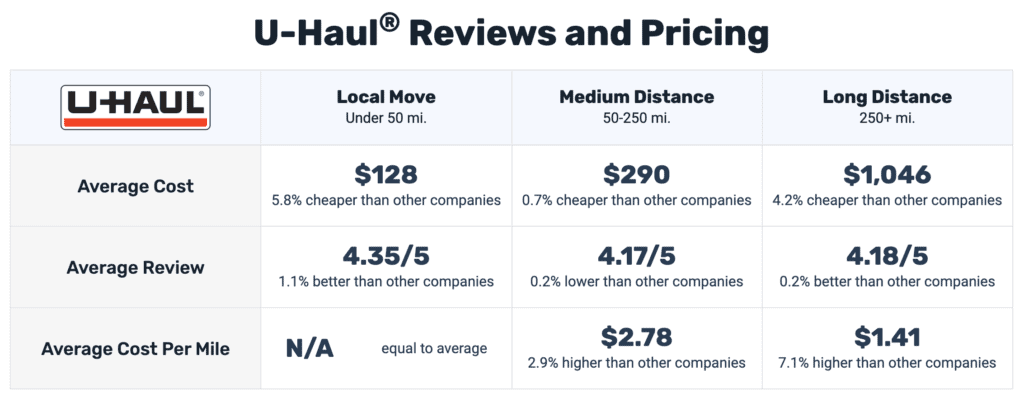
- Typical Per-Mile Rates: The per-mile rate for local rentals typically ranges from $0.59 to $1.19 or more, depending on several factors. These rates are subject to change and vary by location, demand, and even the size of the truck. For instance, a larger truck might have a slightly higher per-mile rate than a smaller one in the same area.
- Factors Influencing the Rate:
- Location: Rates can differ significantly between urban, suburban, and rural areas, as well as between different cities or states.
- Demand: During peak moving seasons (e.g., summer, end of the month, holidays), rates can be higher due to increased demand.
- Truck Size: Larger trucks might have a different per-mile rate compared to smaller vans or pickups.
- Calculating Estimated Local Costs: To estimate your local rental cost, you’ll need to know the base daily rate, the per-mile rate, and your estimated total mileage.
- Example: If the base rate is $19.95, the per-mile rate is $0.89, and you expect to drive 50 miles:
- Daily Rate: $19.95
- Mileage Cost: 50 miles * $0.89/mile = $44.50
- Subtotal: $19.95 + $44.50 = $64.45 (before taxes, fees, and fuel)
- Example: If the base rate is $19.95, the per-mile rate is $0.89, and you expect to drive 50 miles:
Mileage Allowance for One-Way Rentals and Exceeding It
One-way rentals simplify the initial budgeting by bundling mileage into the upfront cost, but understanding the allowance is crucial.
- Pre-Determined Mileage Allowance: When you book a one-way rental, U-Haul calculates a specific mileage allowance based on the most direct and common route between your pickup and drop-off locations. This allowance is clearly stated in your rental contract.
- What Happens if You Exceed the Allowance: If your actual driving distance surpasses this allowance, you will incur an over-mileage charge for every mile beyond the limit. These charges typically range from $0.40 to $0.80 per extra mile, though this can also vary.
- Importance of Accurate Distance Estimation: It’s vital to accurately estimate your driving distance for one-way moves. Use online mapping tools (like Google Maps) to plan your route. Add a buffer for potential detours, gas stops, or even getting lost. Underestimating can quickly add hundreds of dollars to your bill.
- How U-Haul Determines the Allowance: The allowance isn’t arbitrary. It’s usually based on the shortest practical driving distance between your specified origin and destination, often with a small buffer. However, it’s not designed to accommodate extensive sightseeing or multiple side trips.
Factors Influencing Your Overall U-Haul Rental Cost
Beyond the direct mileage charges, several other factors contribute to the total cost of your U-Haul rental:
- Truck Size: Larger trucks (e.g., 26-foot) have higher base rates and potentially higher per-mile or over-mileage rates than smaller trucks (e.g., 10-foot) or cargo vans.
- Rental Duration: For local rentals, you pay a daily rate. For one-way, the quote includes a specific number of days. Exceeding this duration incurs additional daily charges.
- Location (Pickup/Drop-off): Rental rates can fluctuate based on the specific U-Haul location and the demand in that area.
- Time of Year/Demand: Peak moving seasons (summer months, particularly July and August, and the last weekend of any month) see higher demand, leading to increased prices across the board. Booking well in advance can sometimes mitigate this.
- Additional Equipment: Renting dollies, furniture pads, utility hand trucks, or appliance dollies will add to your total cost.
- Insurance Options: U-Haul offers various coverage plans (e.g., Safemove, Safemove Plus) to protect against damage to the truck, your belongings, or liability. These are optional but highly recommended and add to the cost.
- Fuel Costs: U-Haul vehicles are rented with a certain amount of fuel (usually a quarter tank) and must be returned with the same amount. You are responsible for all fuel consumed during your rental. This is a separate, significant expense.
- Environmental Fees/Taxes: Various state and local taxes, as well as environmental fees, will be added to your total.
Practical Advice: How to Estimate Your Mileage and Costs
Accurate estimation is your best friend when renting from U-Haul.
- Use Online Mapping Tools: For both local and one-way moves, plug your exact pickup and drop-off addresses into Google Maps, Apple Maps, or Waze. This will give you a reliable estimate of the shortest distance.
- Add a Buffer: Always add an extra 10-20% to your estimated mileage. This accounts for unforeseen detours, getting slightly lost, gas station stops, or parking maneuvers. For local moves, this buffer helps you avoid a higher per-mile charge. For one-way moves, it helps prevent exceeding your allowance.
- Utilize U-Haul’s Online Quote System: U-Haul’s website allows you to get a precise quote by entering your pickup/drop-off locations, dates, and truck size. This system will display the base rate, per-mile charge (for local), or the included mileage and over-mileage charge (for one-way).
- Call U-Haul Directly: If you have complex routes or specific questions, calling a U-Haul representative can provide clarity and ensure you receive the most accurate information for your particular situation.
- Tips for Saving Money on Mileage:
- Plan Your Route Carefully: Minimize unnecessary detours.
- Consolidate Trips: For local moves, try to make as few trips as possible.
- Pack Efficiently: A well-packed truck means fewer trips or the ability to use a smaller, less expensive truck.
- Know Your Allowance: For one-way moves, stick to the route within your mileage allowance.
Navigating Potential Challenges and Solutions
- Underestimating Mileage: If you realize mid-trip that you’re going significantly over your estimate (especially for a one-way trip), consider if there are any ways to shorten your route. While you can’t change the contract mid-rental, being aware helps you mentally prepare for the extra cost.
- Unexpected Route Changes: Construction, road closures, or accidents can force detours. Factor this into your mileage buffer.
- Understanding the Contract: Always read your U-Haul rental agreement thoroughly before signing. Pay close attention to the per-mile rate (local), mileage allowance, and over-mileage charges (one-way). Ask questions if anything is unclear.
- Comparing Competitors: While U-Haul is popular, companies like Penske, Budget, and Ryder also offer moving truck rentals. Some competitors (like Penske for one-way rentals) might offer unlimited mileage, which could be more cost-effective for very long distances or if you anticipate significant detours. Always get quotes from multiple providers.
U-Haul Mileage Pricing at a Glance
Here’s a simplified table summarizing U-Haul’s mileage-related charges. Please note that all rates are examples and highly variable based on location, demand, truck size, and time of year. Always obtain a specific quote from U-Haul for accurate pricing.
| Rental Type | Base Daily Rate (Example) | Per-Mile Rate (Local Example) | Included Mileage (One-Way Example) | Over-Mileage Rate (One-Way Example) | Key Takeaway |
|---|---|---|---|---|---|
| Local | $19.95 – $39.95+ | $0.59 – $1.19+ | Not Applicable (0 miles included) | Not Applicable | You pay for every mile driven. |
| One-Way | Included in Flat Rate | Not Applicable (initially) | 100 – 2,500+ miles (Route-specific) | $0.40 – $0.80+ | Mileage is included up to an allowance; extra miles incur a charge. |
Note: "Base Daily Rate" for one-way rentals is not separate; it’s part of the bundled flat rate for the rental duration.
Frequently Asked Questions (FAQ)
1. Is U-Haul’s mileage charge always the same?
No, the per-mile charge for local rentals and the over-mileage charge for one-way rentals vary significantly. Factors like location, demand, truck size, and the time of year all influence the rates.
2. How do I know my mileage allowance for a one-way trip?
Your mileage allowance will be clearly stated in your U-Haul rental contract when you book a one-way move. It’s determined by the distance between your pickup and drop-off locations.
3. Can I negotiate the per-mile rate?
Generally, no. U-Haul’s rates are set and are not typically negotiable at the point of rental. Booking in advance and during off-peak times might yield better overall rates, but the per-mile charge itself is fixed for your specific rental.
4. What happens if I go over my mileage allowance on a one-way rental?
You will be charged an additional fee for every mile driven beyond your allocated allowance. This over-mileage rate will be specified in your contract.
5. Does U-Haul charge for gas?
U-Haul does not directly charge for gas. However, you are responsible for filling the fuel tank to the same level as it was when you picked up the truck. If you return it with less fuel, U-Haul will charge you for the difference, often at a premium rate.
6. How can I accurately estimate my mileage?
Use online mapping services (like Google Maps) to plot your exact route from pickup to drop-off. Always add a buffer of 10-20% to account for detours, stops, and unexpected route changes.
7. Are there hidden fees?
While U-Haul aims for transparency, additional costs can arise from not returning the truck on time, not refueling, exceeding mileage allowances, or opting for additional services like insurance or equipment rental. Always review your quote and contract thoroughly.
Conclusion
The question, "does U-Haul charge per mile?" is fundamental to budgeting for any move. The answer is a resounding yes, but the way it’s charged differs significantly between local and one-way rentals. For local moves, you’ll pay a direct per-mile fee on top of a daily rate. For one-way moves, mileage is included up to an allowance, with extra miles incurring an additional per-mile charge.
Understanding these distinctions, carefully estimating your mileage, and factoring in all potential costs—from truck size and duration to fuel and insurance—are crucial steps toward a smooth and financially predictable relocation. By planning diligently and being aware of U-Haul’s specific policies, you can ensure your moving day goes off without a hitch and without any unpleasant surprises on your final bill. For detailed information on , always consult U-Haul’s official website or speak directly with a representative for a personalized quote.