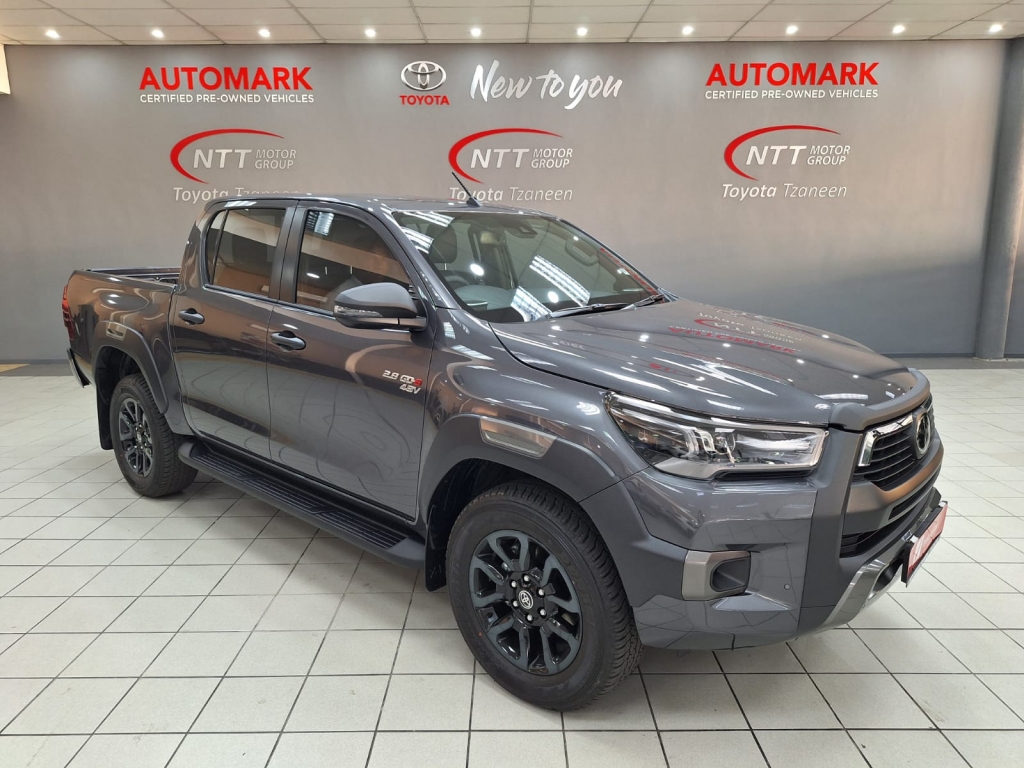
Demo Vehicles for Sale in South Africa: Your Gateway to Smart Car Ownership
Demo Vehicles for Sale in South Africa: Your Gateway to Smart Car Ownership. In the vibrant and dynamic automotive landscape of South Africa, where new car prices can often feel prohibitive, smart buyers are increasingly turning their attention to an often-overlooked segment: demo vehicles. Far from being merely “used” cars, demo vehicles represent a unique sweet spot in the market – offering the allure of a nearly-new car at a significantly reduced price point. This comprehensive guide will delve deep into the world of demo vehicles for sale in South Africa, providing you with all the information you need to make an informed and advantageous purchase.
Demo vehicles are essentially cars that have been registered by a dealership but have not been sold to a private owner. They serve various purposes, primarily as test drive vehicles for prospective customers, courtesy cars for service clients, or administrative vehicles for dealership management.
Because they are technically “used” by the dealership, they cannot be sold as brand-new, even if they have only a few thousand kilometres on the clock.
This technicality creates a fantastic opportunity for South African consumers to acquire a late-model, low-mileage vehicle with many of the benefits of a new car, but without the initial depreciation hit. Understanding this niche is crucial for anyone looking to maximize value and acquire a quality vehicle in South Africa.
Understanding Demo Vehicles: What Are They Exactly?
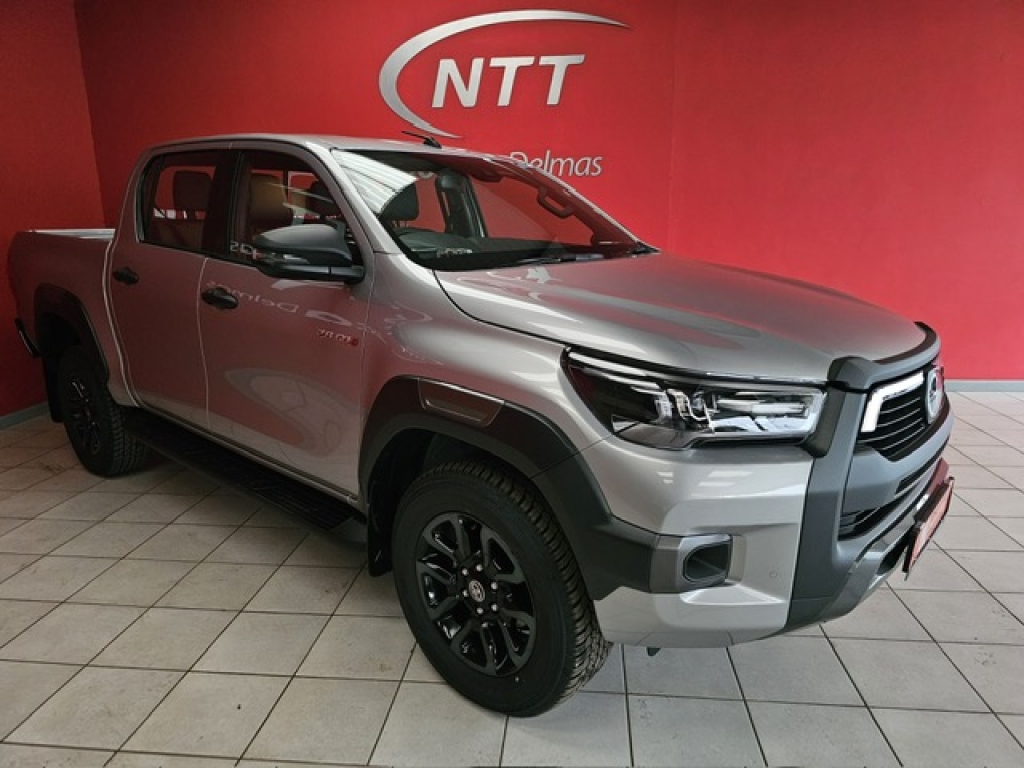
To truly appreciate the value proposition of a demo vehicle, it’s important to understand what they are and how they differ from both brand-new and traditional used cars. A demo vehicle is a car that has been driven off the showroom floor by the dealership itself. It’s registered in the dealership’s name and is used for specific operational purposes.
Key characteristics of demo vehicles include:
- Low Mileage: Typically ranging from a few hundred kilometres up to 20,000 kilometres, though exceptions exist. The mileage directly reflects its usage as a test drive or management vehicle.
- Latest Model Year: Demo cars are almost always current or very recent model years, as dealerships use them to showcase the newest offerings.
- Meticulously Maintained: Dealerships are invested in keeping their demo fleet in pristine condition, as they are a direct representation of their brand and quality. They undergo regular cleaning, checks, and minor repairs.
- Often High-Spec: To impress potential buyers during test drives, demo vehicles are frequently equipped with higher trim levels, desirable optional extras, and advanced features.
- First Registration by Dealership: This is the key differentiator. Although it’s the first owner, the dealership is not a private individual, which changes its classification for resale.
Unlike a brand-new car, which has zero kilometres and is registered directly to its first private owner, a demo car has been driven, albeit minimally. Unlike a typical used car, a demo car has a transparent history known directly by the selling dealership, has generally been driven by various individuals (for test drives), and often comes with the remainder of its factory warranty and service plan, which typically starts from the date of the first private registration. This unique position makes them a compelling option for value-conscious buyers.
The Allure of Demo Vehicles: Why They’re a Smart Buy in South Africa
The appeal of demo vehicles in the South African market is multifaceted, offering a compelling blend of benefits that often outweigh the minor disadvantage of not being “brand new.”
- Significant Savings: This is arguably the biggest draw. New cars experience their steepest depreciation curve in the first year. By purchasing a demo, you bypass this initial hit. Discounts can range from 5% to 20% or even more off the new car price, depending on mileage, age, and model popularity.
- Nearly-New Condition: Despite having a few thousand kilometres, demo vehicles are typically in immaculate condition. Dealerships ensure they are well-maintained, regularly cleaned, and promptly attended to for any minor issues, as they serve as showroom examples.
- Full Manufacturer Warranty: In South Africa, the manufacturer’s warranty often begins when the vehicle is first registered to a private owner. This means that when you buy a demo vehicle, you typically receive the full, unblemished factory warranty and often the full service plan, giving you peace of mind similar to a new car purchase. Always confirm the exact warranty start date with the dealer.
- Added Extras and Higher Specs: As mentioned, demos are often specified with desirable optional features and higher trim levels to showcase the best of what a model offers. This means you can often get a car with premium features that would have cost significantly more if purchased new, often at a fraction of the cost.
- Immediate Availability: Unlike ordering a new car, which might involve waiting periods for manufacturing and shipping, a demo vehicle is physically present on the lot and ready for immediate delivery once the paperwork is complete. This is ideal for buyers who need a car urgently.
- Transparent History: Since the dealership has been the sole “owner” and user, the vehicle’s entire history, including any minor repairs or maintenance, is fully known and documented by the seller. This provides a level of transparency rarely found with private used car sales.
For South African buyers navigating rising costs and tighter budgets, demo vehicles present an intelligent way to access quality, modern vehicles without unnecessarily stretching finances unnecessarily.
Navigating the Market: How to Find Demo Vehicles for Sale in South Africa
Finding the right demo vehicle requires a strategic approach. While they are a fantastic option, they are also a finite resource, and popular models tend to sell quickly.
- Dealership Websites and Showrooms: This is your primary hunting ground. All major automotive brands in South Africa (e.g., Toyota, Volkswagen, Ford, BMW, Mercedes-Benz, Hyundai, Kia, etc.) will list their available demo vehicles on their official dealership websites. Visit showrooms in person; sometimes, not all demos are listed online immediately.
- Online Automotive Marketplaces: Websites like AutoTrader.co.za and Cars.co.za are excellent resources. Use their advanced search filters to specifically look for “demo,” “pre-owned demo,” or “dealer principal car” under vehicle type or condition. These platforms aggregate listings from various dealerships across the country.
- Brand-Specific Certified Pre-Owned (CPO) Programs: Many manufacturers offer CPO programs that include demo vehicles. These vehicles often undergo rigorous multi-point inspections and come with extended warranties, adding an extra layer of assurance.
- Networking with Sales Representatives: Building a relationship with a sales representative at your preferred dealership can give you an edge. They can alert you to upcoming demo vehicles before they are publicly listed, allowing you to get first dibs.
- Timing Your Purchase: Certain times of the year might yield better deals. Dealerships often aim to meet sales targets at the end of the month, quarter, or financial year (February/March in South Africa), which can lead to more aggressive pricing on demos. New model releases can also push older demos off the lot faster.
- Social Media and Dealership Newsletters: Follow your favourite dealerships on social media and subscribe to their newsletters. They often announce new demo stock or special offers there.
When searching, be flexible with your exact specifications. While you might have a particular colour or trim in mind, the unique nature of demo stock means you might need to compromise slightly to secure a great deal.
Key Considerations Before Buying a Demo Vehicle
While the benefits are clear, a wise buyer will also consider several crucial factors before committing to a demo vehicle purchase.
- Mileage and Usage: Carefully inspect the odometer reading. While low mileage is a hallmark, understand that a car with 15,000 km has experienced more wear than one with 3,000 km. Inquire about its primary usage – was it mainly for short test drives, or was it a manager’s car used for longer commutes? This can indicate different types of wear.
- Physical Condition Assessment: Conduct a thorough visual inspection. Look for minor scratches, stone chips, small dents, and interior wear (e.g., scuff marks on door sills, wear on seat bolsters or steering wheel). Remember, it’s not brand new, so some minimal wear is expected, but excessive damage should be a red flag or a point for negotiation.
- Warranty Start Date and Remaining Coverage: This is paramount. Confirm exactly when the manufacturer’s warranty and service plan commenced. While often starting from the date of sale to the first private owner, always get this in writing to understand your remaining coverage.
- Service History and Records: Even with low mileage, a demo vehicle might have had its initial service. Ensure all service records are complete and up-to-date, showing that the car has been maintained according to the manufacturer’s schedule.
- Specification Verification: Double-check that the features and specifications listed for the demo vehicle match your expectations and needs. Sometimes, a high-spec demo might include features you don’t necessarily want or need, which could still influence the price.
- Financing Options: Demo vehicles are typically financed similarly to new cars, often qualifying for favourable interest rates. Compare different finance options and ensure you understand the terms, including any balloon payments or residual values.
- Trade-in Value: If you have a trade-in, assess how its value impacts the overall deal. Sometimes, the discount on the demo might be slightly offset by a lower trade-in offer, so evaluate the complete financial package.
The Buying Process: A Step-by-Step Guide
Purchasing a demo vehicle is similar to buying any car from a dealership but with a few unique nuances.
- Research and Budgeting: Define your needs, desired make/model, and set a realistic budget. Factor in insurance, fuel, and potential running costs.
- Locate Potential Demos: Use the methods outlined above (dealerships, online portals) to identify vehicles that fit your criteria.
- Thorough Inspection and Test Drive:
- Exterior: Check for panel alignment, paint condition, tire tread, and wheel damage.
- Interior: Look for wear on seats, dashboard, controls. Test all electronics (radio, AC, windows, mirrors).
- Under the Hood: Check fluid levels, look for any signs of leaks or unusual wear.
- Test Drive: Drive the car as you would normally. Listen for unusual noises, check braking, acceleration, steering, and suspension. Test all gears (manual) or modes (automatic). Pay attention to any warning lights.
- Negotiation: This is where you can secure the best deal.
- Price: Demos are priced below new, but there’s often still room to negotiate. Reference any minor blemishes or higher mileage as leverage.
- Added Value: Negotiate for extras like floor mats, smash-and-grab tinting, a full tank of fuel, or an extended service plan.
- Warranty/Service Plan: Confirm the exact terms and push for clarity on start dates.
- Paperwork and Financing:
- Carefully read the sales agreement, ensuring all agreed-upon terms (price, warranty, extras) are clearly stated.
- Understand the financing contract fully before signing.
- Ensure the vehicle’s registration papers are correctly processed in your name.
- Delivery: On collection day, do a final walk-around and interior check to ensure any agreed-upon repairs or services have been completed. Confirm all accessories are present.
Potential Challenges and How to Overcome Them
While demo vehicles offer fantastic value, a few challenges can arise. Being aware of them allows you to mitigate risks.
- Limited Stock and Popularity: High-demand models as demos are scarce and sell quickly.
- Solution: Be proactive in your search, contact multiple dealerships, and be ready to act fast when you find a suitable option. Consider slightly less popular colours or trim levels for better availability.
- Minor Blemishes: It’s unlikely a demo will be absolutely flawless.
- Solution: Conduct a thorough inspection and use any minor scratches or stone chips as a negotiation point. You might ask for a further discount or for the dealership to repair them before delivery.
- Higher Specs, Higher Price: While the discount percentage is good, a demo with many optional extras might still be above your initial budget for a base model.
- Solution: Carefully evaluate if the included features are genuinely beneficial to you. If not, it might be better to wait for a demo with a spec closer to your needs, or even consider a new, lower-spec model.
- Perception of “Used”: Some buyers are set on a car with zero kilometres.
- Solution: Focus on the tangible benefits: the significant financial savings, the virtually new condition, and the full warranty coverage. The slight mileage often translates into thousands of Rands saved.
Demo Vehicles for Sale in South Africa: Price Guide (Conceptual)
It’s impossible to provide a definitive price list for demo vehicles as prices vary wildly based on make, model, age, mileage, specification, and dealership. However, this table outlines the key factors influencing the price and typical discount ranges compared to a brand-new equivalent.
| Feature/Factor | Description | Impact on Price (vs. New Car) |
|---|---|---|
| Mileage | The total kilometres driven by the dealership. | 0-5,000 km: 5-10% discount |
| 5,000-10,000 km: 10-15% discount | ||
| 10,000-20,000 km: 15-20% discount (or more for higher mileage) | ||
| Age of Vehicle | How long the vehicle has been registered in the dealership’s name. | < 6 months: Smaller discount, closer to new |
| 6-12 months: Moderate discount | ||
| > 12 months: Larger discount, approaching early used car prices | ||
| Model Popularity | High-demand models often command slightly higher prices/smaller discounts. | Popular Models: Lower end of discount range |
| Less Popular/Niche: Higher end of discount range | ||
| Optional Extras/Spec | Demos often include higher trim levels or added features to showcase. | While the absolute price might be higher, the discount percentage on the total value (car + extras) remains attractive. You get more features for less. |
| Condition (Wear & Tear) | Visible scratches, dents, interior wear and tear. | Pristine: Standard discount. Minor Blemishes: Opportunity for further negotiation/discount or repair. |
| Time of Year/Sales Targets | End of month, quarter, or financial year often brings better deals. | Can result in an additional 2-5% off the already discounted price. |
| Brand/Manufacturer | Discount policies can vary significantly between brands. | Luxury brands might have higher absolute discounts due to higher base prices. |
Please note: These are general guidelines. Always negotiate and compare offers from multiple dealerships.
Frequently Asked Questions (FAQ) about Demo Vehicles in South Africa
Q: Is a demo car considered new or used?
A: Technically, a demo car is considered “used” because it has been registered and driven, even if by the dealership. However, for most practical purposes (like warranty), it functions very much like a new car for its first private owner.
Q: Does the warranty start from when the dealer registers it or when I buy it?
A: In most cases in South Africa, the manufacturer’s warranty and service plan for a demo vehicle will commence from the date the vehicle is registered to its first private owner (i.e., you). Always confirm this directly with the dealership and get it in writing, as policies can vary slightly.
Q: Can I negotiate the price of a demo car?
A: Absolutely! While already discounted, there’s almost always room for negotiation, especially if you identify any minor imperfections, or if the car has higher mileage/age for a demo. Don’t be afraid to ask for further discounts or added extras.
Q: What’s the typical mileage for a demo car?
A: Most demo vehicles in South Africa will have between 1,000 km and 15,000 km. Some management vehicles might go up to 20,000 km or slightly more. Anything significantly higher than that might warrant a closer look at the discount offered.
Q: Are demo cars reliable?
A: Yes, generally. Demo cars are very reliable as they are current-model vehicles, meticulously maintained by the dealership, and often still covered by the full manufacturer’s warranty. Any issues would typically be identified and addressed by the dealership.
Q: Do demo cars come with service plans?
A: Most demo cars come with the remainder of their original factory service plan, which, like the warranty, often starts from the date of first private registration. Always confirm the exact terms and remaining duration with the dealership.
Q: What should I look out for during a test drive?
A: Beyond the usual checks, pay attention to any unusual noises, vibrations, or warning lights. Test all features – air conditioning, infotainment, power windows, and any advanced driver-assistance systems. Check for consistent braking and smooth acceleration.
Q: Can I trade in my old car when buying a demo?
A: Yes, dealerships will typically accept trade-ins when you purchase a demo vehicle, similar to buying a new or used car.
Conclusion
Demo vehicles for sale in South Africa offer a compelling proposition for the savvy car buyer. They represent an intelligent compromise, bridging the gap between the prohibitive cost of a brand-new vehicle and the uncertainties sometimes associated with traditional used cars. By understanding what they are, appreciating their inherent value, and approaching the buying process with diligence and informed consideration, you can unlock significant savings while driving away in a vehicle that feels virtually new. With careful research, thorough inspection, and smart negotiation, a demo vehicle could very well be your gateway to smart car ownership in South Africa.