Cheap Lifted Trucks for Sale: Your Comprehensive Guide to Finding Value on a Budget

Cheap Lifted Trucks for Sale: Your Comprehensive Guide to Finding Value on a Budget
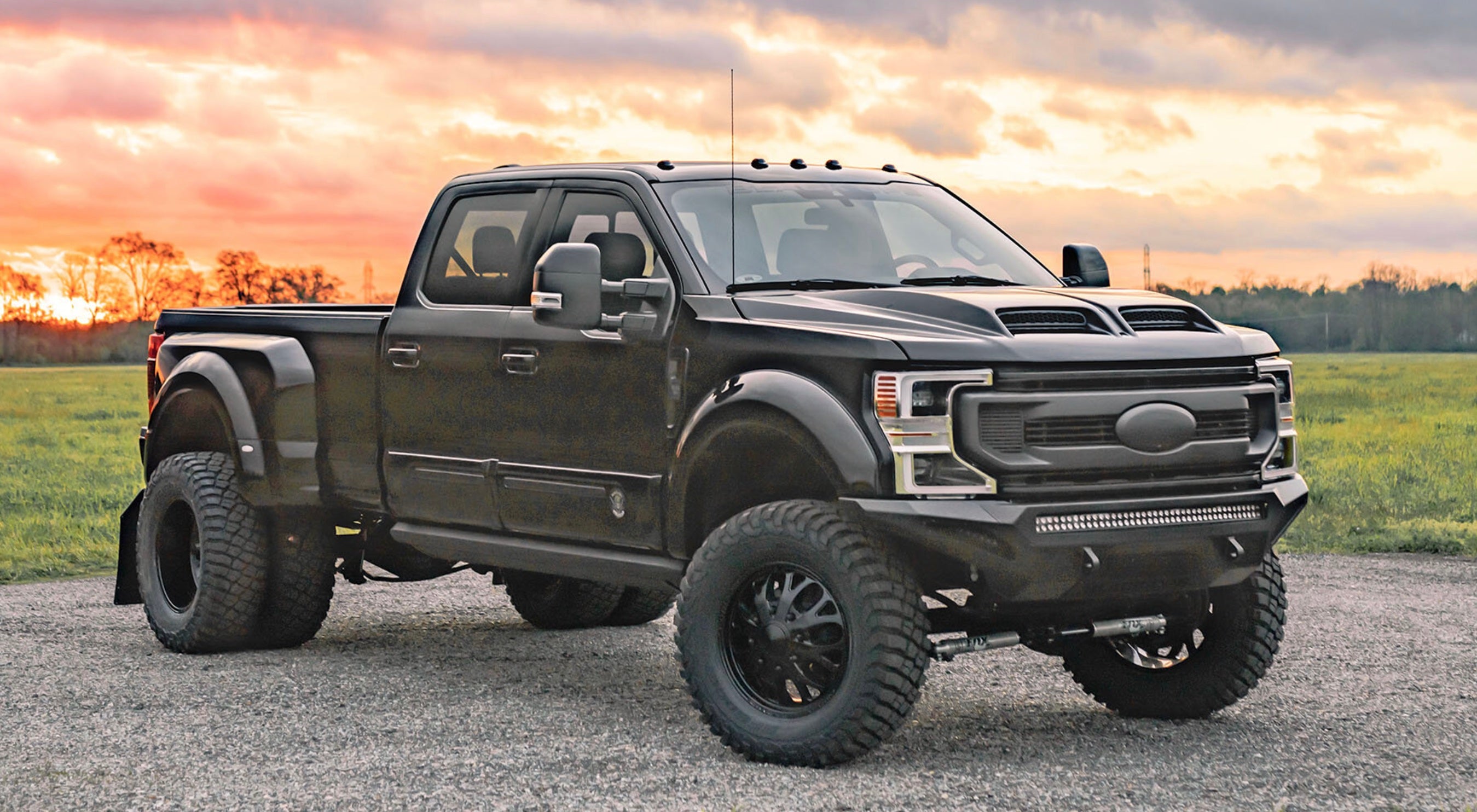
The roar of a powerful engine, the commanding view from a raised cab, and the undeniable presence of a truck equipped to tackle any terrain – these are just some of the reasons why lifted trucks captivate so many enthusiasts. However, the dream of owning such a vehicle often collides with the reality of its price tag. New lifted trucks, or even professionally modified used ones, can easily stretch budgets to their limits. This is where the world of cheap lifted trucks for sale becomes incredibly relevant.
But what exactly defines "cheap" in this context? It’s not necessarily about finding a vehicle for pocket change, but rather discovering a great value proposition – a truck that offers the desired lift and capability without demanding a premium price. This guide will demystify the process, offering practical advice and actionable insights to help you navigate the market and secure a robust, eye-catching, and budget-friendly lifted truck.
Defining "Cheap" in the Context of Lifted Trucks
When we talk about cheap lifted trucks, we’re entering a realm where "affordability" is relative. A "cheap" lifted truck isn’t merely the lowest-priced option; it’s a vehicle that provides significant value for its cost, balancing purchase price with potential maintenance, modifications, and overall condition. Several factors influence what constitutes a good deal:
- Age and Mileage: Older trucks with higher mileage naturally command lower prices. While they might require more immediate maintenance, their initial cost savings can be substantial.
- Make and Model: Some truck brands and models hold their value better than others. Generally, domestic half-ton pickups (F-150, Silverado 1500, Ram 1500) from previous generations are more readily available at lower price points than, say, a newer Toyota Tacoma or a heavy-duty diesel.
- Lift Kit Quality and Installation: A professionally installed, reputable brand lift kit adds value, but a poorly installed or cheap generic kit can significantly reduce the asking price – and potentially increase future repair costs.
- Overall Condition: Rust, body damage, interior wear, and mechanical issues will always drive the price down. The trick is discerning cosmetic flaws from structural or mechanical problems.
- Modification Extent: Beyond the lift, other modifications like custom wheels, tires, bumpers, winches, or performance upgrades can either inflate or deflate the price depending on their quality and desirability.
The goal is to find a truck where the "cheap" price doesn’t translate into a "money pit." It requires diligence, a keen eye, and an understanding of what to look for.
Why Consider a Cheap Lifted Truck? Benefits & Allure
Despite the potential challenges, the appeal of a cheap lifted truck is undeniable, offering a unique blend of benefits:
- Distinctive Aesthetics: A lifted stance instantly transforms a truck’s appearance, giving it an aggressive, commanding, and customized look that stands out from the crowd.
- Enhanced Off-Road Capability: The primary functional benefit of a lift is increased ground clearance, which allows the truck to navigate rough terrain, clear obstacles, and handle challenging trails more effectively. This also improves approach, departure, and breakover angles.
- Improved Visibility: The elevated driving position provides a better vantage point, offering superior visibility over traffic and obstacles, which can be advantageous in both city driving and off-road scenarios.
- Accommodates Larger Tires: Lifting a truck is often a prerequisite for fitting larger, more aggressive off-road tires, which further enhance grip, traction, and the overall rugged aesthetic.
- Cost Savings: The most obvious benefit is the lower initial investment compared to buying a brand-new lifted truck or paying for a professional lift installation on a new vehicle. This frees up budget for personal touches or necessary repairs.
- Customization Potential: A cheaper base vehicle provides more financial leeway for future modifications, allowing owners to gradually build their dream truck without being burdened by a high initial purchase price.
Where to Find Your Next Cheap Lifted Truck
The hunt for an affordable lifted truck can lead you to various corners of the market. Knowing where to look is the first step:
- Online Marketplaces & Classifieds:
- Craigslist, Facebook Marketplace, OfferUp: These platforms are goldmines for private sellers. Use specific search terms like "lifted F-150," "4×4 lifted," "truck with lift kit." Be prepared to filter through many listings.
- eBay Motors: Great for a broader geographical search, often includes dealer and private listings, sometimes with more detailed descriptions and photos.
- AutoTrader, CarGurus, Cars.com: While often associated with dealerships, these sites also list private sales and can be filtered for modified vehicles. You can find many options for cheap lifted trucks for sale on these sites.
- Used Car Dealerships: Some independent dealerships specialize in lifted or modified trucks. Even general used car lots might have a few on their inventory.
- Auctions: Public auto auctions, government surplus auctions, or even insurance salvage auctions can yield incredibly cheap trucks, but often come with higher risks (undisclosed damage, no test drives). This route is best for experienced buyers or those with a mechanic friend.
- Specialty Forums & Groups: Off-road clubs, brand-specific online forums (e.g., Ford-Trucks.com, TacomaWorld.com, RamForum.com), and local enthusiast groups often have "for sale" sections where members sell their modified vehicles. These sellers are usually more knowledgeable about their truck’s history and modifications.
- Word-of-Mouth: Sometimes the best deals are found through friends, family, or local mechanics who know someone looking to sell.
Key Considerations When Buying a Cheap Lifted Truck
Purchasing a cheap lifted truck requires a much more critical eye than buying a standard used vehicle. The modifications introduce additional layers of complexity and potential issues:
- The Lift Kit Itself:
- Type: Understand the difference between a body lift (raises the cab from the frame, less impact on suspension geometry) and a suspension lift (raises the entire chassis, involves new springs, shocks, control arms, etc.). Suspension lifts are generally preferred for off-road performance but are more complex and expensive.
- Quality & Brand: Research the brand of the lift kit. Reputable manufacturers (e.g., BDS, Rough Country, Fabtech, Zone Offroad, Bilstein) usually produce higher quality components. Avoid generic, no-name kits, especially if they appear poorly constructed.
- Installation: A poorly installed lift kit can lead to a host of problems: premature wear on suspension components, alignment issues, driveline vibrations, and even safety hazards. Look for clean welds, proper torque on bolts, and correct routing of brake lines/wiring.
- Components: Inspect shocks, springs, control arms, sway bar links, and steering components for wear, leaks, or damage.
- Overall Vehicle Condition:
- Frame Integrity: Crucial for any truck, but especially for lifted ones that might have seen off-road use. Inspect the frame thoroughly for rust, cracks, bends, or poor repairs.
- Drivetrain: Pay close attention to the transmission (smooth shifting?), differentials (any leaks, unusual noises?), and transfer case (if 4WD). Lift kits can sometimes put stress on universal joints and driveshafts, leading to vibrations or premature wear.
- Engine: Check for leaks, unusual noises, smoke from the exhaust, and overall maintenance history.
- Tires: Large off-road tires are expensive to replace. Check their age (DOT date code), tread depth, and even wear patterns (uneven wear can indicate alignment issues).
- Brakes: Larger tires put more strain on the braking system. Ensure the brakes feel firm and responsive, and inspect pads/rotors for wear.
- Steering & Alignment: Check for excessive play in the steering wheel, wander, or pulling. A lifted truck should track straight.
- Legal & Safety Issues:
- State Laws: Research your local and state laws regarding maximum lift height, fender coverage, and bumper heights. An illegally modified truck could lead to fines or inspection failures.
- Insurance: Inform your insurance provider about modifications before purchasing. Some modifications can affect premiums or even coverage in case of an accident.
- Hidden Costs: Be prepared for potential ongoing costs. Lifted trucks often have:
- Lower fuel economy due to larger tires and increased drag.
- Accelerated wear on certain components (ball joints, wheel bearings, tie rods).
- More expensive replacement tires.
- Potentially higher labor costs for specialized repairs.
How to Inspect a Cheap Lifted Truck (A Mini Guide)
A thorough inspection is non-negotiable. If you’re not mechanically inclined, pay for a professional pre-purchase inspection (PPI).
- Exterior & Underneath:
- Walk around the truck. Look for rust, dents, scratches, and mismatched paint (signs of bodywork).
- Crawl underneath. Inspect the frame for rust, cracks, or welds that look out of place. Check all suspension components for bent parts, leaks, or loose bolts. Look at differential covers for leaks or damage.
- Engine Bay:
- Check fluid levels and color (oil, coolant, brake fluid). Look for leaks.
- Listen for unusual noises when the engine is running.
- Inspect belts and hoses for cracks or wear.
- Interior:
- Check all electronics, lights, and gauges.
- Look for any warning lights on the dash.
- Test HVAC, windows, and door locks.
- Test Drive:
- Listen for unusual noises (clunks, squeaks, hums, grinding).
- Check steering for excessive play or wander.
- Test braking performance (no pulling or pulsing).
- Accelerate and decelerate to check for driveline vibrations.
- If 4WD, test it in a safe area.
- Documentation:
- Ask for service records, especially for the lift kit installation.
- Get the VIN and run a vehicle history report (CarFax, AutoCheck) for accident history, odometer discrepancies, and previous ownership.
- Pre-Purchase Inspection (PPI): This is the single most important step. A qualified mechanic specializing in trucks or off-road vehicles can identify issues you might miss and provide an unbiased assessment. It’s a small investment that can save you thousands.
Common Challenges & Solutions
Buying cheap comes with inherent risks, but many challenges have solutions:
- Poorly Installed Lift Kits:
- Challenge: The biggest risk, leading to premature wear, poor handling, and safety issues.
- Solution: Thorough PPI, budget for professional re-installation or component replacement if necessary.
- Accelerated Wear on Suspension/Drivetrain:
- Challenge: Larger tires and modified geometry can stress components like ball joints, tie rods, and wheel bearings.
- Solution: Proactive maintenance, choosing a truck with heavy-duty aftermarket components, and being aware of the trade-offs.
- Reduced Fuel Economy:
- Challenge: Larger tires, increased weight, and aerodynamic drag all contribute to lower MPG.
- Solution: Accept it as part of owning a lifted truck, or consider less aggressive tire sizes and lighter wheels.
- Finding Parts for Older/Modified Trucks:
- Challenge: Some custom components or older truck parts can be harder to source.
- Solution: Research common issues and parts availability for your specific make/model before buying. Online forums are great resources.
- Insurance Issues:
- Challenge: Some insurers may increase premiums or deny coverage for certain modifications.
- Solution: Always discuss modifications with your insurance provider before purchase to ensure adequate coverage.
Price Table: Example Ranges for Cheap Lifted Trucks for Sale
Please note: These are highly generalized estimates. Actual prices vary significantly based on geographic location, specific vehicle condition, mileage, modifications, market demand, and seller urgency. Always perform your own research and a pre-purchase inspection.
| Category/Make-Model Example | Condition/Mod Level | Typical Price Range (USD) | Key Considerations for Price |
|---|---|---|---|
| Older Gen (e.g., 1990s-early 2000s) Ford F-150, Chevy Silverado 1500, Dodge Ram 1500 | Basic lift (body or mild suspension), high mileage (>150k), visible rust/wear | $5,000 – $12,000 | Engine/transmission health, frame rust severity, age/quality of lift kit, tire condition, drivetrain (2WD vs. 4WD) |
| Mid-Gen (e.g., Mid-2000s-2010s) Toyota Tacoma, Jeep Wrangler (TJ/JK), Nissan Titan, F-250/350 (gas) | Moderate suspension lift, moderate mileage (100k-150k), decent body/interior, minor mechanical needs | $12,000 – $20,000 | Drivetrain and suspension component health, common model-specific issues, history of off-road use, quality of lift components |
| Newer Gen (e.g., 2010s-present) Ford F-150/250, Ram 1500/2500, Toyota Tundra | Professional suspension lift, lower mileage (<100k), excellent condition, potentially additional mods (e.g., bumpers) | $20,000 – $40,000+ | Quality of lift (e.g., coil-overs vs. spacers), diesel vs. gas engine, trim level, extent and quality of all modifications, recent maintenance records |
| Specialty/Project Trucks (any era, e.g., older Broncos, K5 Blazers) | High mileage, significant issues (engine, transmission), needs major work, very basic/DIY lift, potential for parts vehicle | $3,000 – $8,000 | Frame integrity, engine/transmission health (running/driving vs. non-op), extent of required repairs, rust remediation needs |
Disclaimer: These ranges are illustrative. Market dynamics, regional variations, and specific vehicle attributes will cause actual prices to fluctuate. Always budget for a thorough pre-purchase inspection and potential immediate repairs.
Frequently Asked Questions (FAQ)
Q: Is it safe to buy a cheap lifted truck?
A: Yes, it can be, provided you exercise extreme diligence. The key is a thorough inspection by a qualified mechanic to ensure the lift kit was installed correctly and the truck is mechanically sound. Never skip a pre-purchase inspection (PPI).
Q: What’s the difference between a body lift and a suspension lift?
A: A body lift uses spacers to raise the truck’s cab and bed from the frame, providing clearance for larger tires without altering suspension geometry. A suspension lift replaces or modifies suspension components (springs, shocks, control arms) to raise the entire chassis, improving ground clearance and often off-road performance, but is more complex and expensive.
Q: Will a lifted truck cost more to insure?
A: Potentially. Insurance companies may consider modified vehicles to be higher risk, leading to increased premiums. It’s crucial to discuss all modifications with your insurance provider before purchasing the truck to understand their policy and coverage.
Q: What are common problems with cheap lifted trucks?
A: Common issues include poorly installed lift kits leading to handling problems, accelerated wear on suspension and drivetrain components (ball joints, wheel bearings, driveshafts), decreased fuel economy, alignment issues, and potential frame rust if not properly maintained.
Q: How can I tell if a lift kit was installed correctly?
A: Look for even stance, no excessive lean, proper alignment, no binding or rubbing of components, and professional-looking welds and hardware. During a test drive, the truck should track straight, without excessive wander or vibrations. The best way to be sure is a professional pre-purchase inspection.
Q: What’s a fair price for a pre-purchase inspection?
A: A comprehensive PPI typically costs between $100 and $250, depending on the mechanic and the depth of the inspection. This investment is almost always worth it to avoid buying a truck with costly hidden problems.
Q: Should I buy a truck with a DIY lift?
A: Exercise extreme caution. While some DIY jobs are done correctly, many are not. Unless you can verify the installer’s expertise and the quality of components used, it’s generally safer to opt for a truck with a professionally installed, reputable lift kit. A PPI is absolutely essential for any DIY lifted truck.
Conclusion: Your Road to an Affordable Lifted Truck
Finding cheap lifted trucks for sale is an exciting prospect that offers the thrill of a capable, customized vehicle without the prohibitive price tag. While the journey requires diligence, research, and a critical eye, the rewards are substantial. By understanding what constitutes "cheap" value, knowing where to search, meticulously inspecting potential candidates, and being aware of the inherent challenges, you can confidently navigate the market. Remember, a pre-purchase inspection is your best friend in this endeavor. With the right approach, you can drive away in a lifted truck that not only turns heads but also perfectly fits your budget and adventure aspirations.