Best Shocks for Lifted Trucks: A Comprehensive Guide to Performance, Comfort, and Durability
Best Shocks for Lifted Trucks: A Comprehensive Guide to Performance, Comfort, and Durability
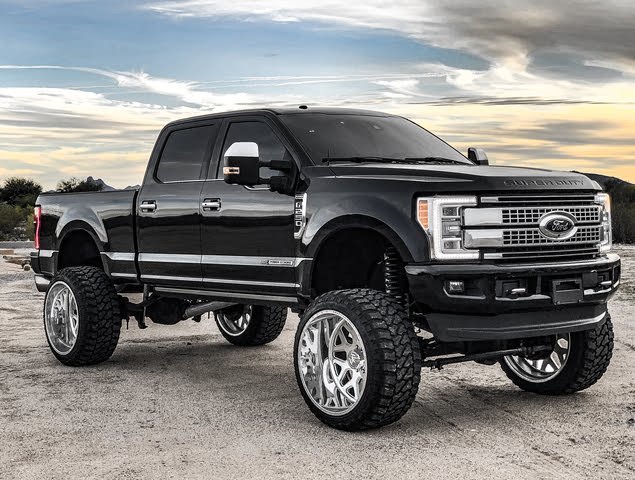
Lifting a truck is about more than just aesthetics; it’s a statement of capability, adventure, and personal style. Whether you’re aiming for increased ground clearance for off-road excursions, fitting larger tires, or simply achieving a more commanding presence on the road, a lift kit fundamentally alters your truck’s suspension geometry. This transformation, while exciting, necessitates a crucial upgrade: specialized shocks designed to handle the unique demands of a lifted vehicle. Choosing the best shocks for lifted trucks isn’t just about maintaining ride quality; it’s about ensuring safety, optimizing performance, and preserving the longevity of your entire suspension system.
Stock shocks are engineered for stock ride height and factory spring rates. When you lift your truck, you extend the travel distance required from your shocks, change the leverage points, and often introduce stiffer springs. Without appropriate shocks, your lifted truck will suffer from a host of issues: a harsh or bouncy ride, poor handling, premature wear on suspension components, and even dangerous instability. This comprehensive guide will delve into the world of lifted truck shocks, helping you understand the critical factors, types, and considerations to make the most informed decision for your modified rig.
Understanding Lifted Truck Suspension Dynamics
Before diving into specific shock options, it’s essential to grasp how lifting impacts your truck’s suspension:
- Extended Travel: A lift kit increases the distance between your axle and frame. This means your shocks need to be longer than stock, both in their extended and collapsed lengths, to accommodate the new ride height without topping out (fully extending) or bottoming out (fully compressing) prematurely.
- Altered Geometry: Lifting changes the angles of control arms, steering components, and driveshafts. While lift kits address many of these changes, the shocks play a vital role in controlling the movement within this new geometry.
- Increased Leverage: Taller tires and a higher center of gravity put more leverage on your suspension components, including the shocks. They need to be robust enough to handle these increased forces.
- Spring Rates: Many lift kits include stiffer springs (coils or leaf springs) to support the added weight of accessories or to achieve the desired lift. Shocks must be properly valved to match these new spring rates, preventing excessive bouncing or a jarring ride.
Ignoring these dynamics by retaining stock shocks or choosing unsuitable replacements will inevitably lead to a compromised ride, reduced control, and potential damage.
Key Considerations When Choosing Shocks for Lifted Trucks
Selecting the best shocks for lifted trucks is a nuanced process. Here are the critical factors to weigh:
-
Lift Height: This is paramount. Shocks are designed for specific lift ranges (e.g., 0-2", 2-4", 4-6"). Ensure the shocks you choose match your truck’s actual lift amount to guarantee proper extended and collapsed lengths. Incorrect lengths can lead to topping out, bottoming out, or damage to the shock itself.
-
Vehicle Usage: How do you primarily use your truck?
- Daily Driver/Street Use: Focus on comfort and predictable handling.
- Light Off-Roading/Overlanding: Requires good heat dissipation and durability for extended rough terrain.
- Moderate to Extreme Off-Roading/Desert Racing: Demands heavy-duty construction, superior heat management (often with external reservoirs), and adjustability for varying terrains.
- Towing/Hauling: Shocks with firmer valving or load-assist features can help maintain stability and prevent sag under heavy loads.
-
Shock Type (Construction):
- Twin-Tube Shocks: More affordable, common in stock applications. They have two chambers, with oil flowing between them. Generally offer a softer, more compliant ride but can be prone to aeration (foaming) and fade under heavy use due to heat buildup.
- Monotube Shocks: Feature a single, larger chamber with a floating piston separating oil and nitrogen gas. They dissipate heat more effectively, resist aeration, and provide more consistent damping, making them ideal for lifted applications, especially off-road. They tend to offer a firmer, more controlled ride.
- Reservoir Shocks: An advanced type of monotube shock with an external reservoir that increases fluid capacity and surface area for superior heat dissipation. Essential for aggressive off-roading, sustained high-speed desert runs, or heavy towing where heat buildup is a major concern.
-
Valving: This refers to the internal mechanisms that control fluid flow, dictating how fast the shock compresses and rebounds.
- Digressive Valving: Provides firmer damping at low shaft speeds (slow bumps, body roll) and softer damping at high shaft speeds (fast impacts, potholes). Often preferred for a controlled street ride while still handling off-road impacts.
- Progressive Valving: Softer at low speeds, gradually getting firmer at higher speeds. Offers a plush initial feel, then stiffens up for larger impacts.
- Linear Valving: Damping force increases proportionally with shaft speed. A more consistent feel.
- Matching valving to your spring rates and intended use is crucial for optimal performance and comfort.
-
Adjustability:
- Non-Adjustable: Set from the factory for a specific performance profile. Most common and budget-friendly.
- Externally Adjustable: Allow you to fine-tune compression and/or rebound damping without removing the shock. This is invaluable for enthusiasts who frequently change terrain, carry varying loads, or desire precise control over their ride characteristics. Options range from simple clicker adjustments (single knob) to more complex dual-speed compression (DSC) adjusters.
-
Material and Durability: Look for shocks made from high-quality materials with corrosion-resistant finishes (e.g., zinc plating, clear coat). Bushings should be robust, and the overall construction should inspire confidence, especially if you venture into harsh environments.
-
Budget: Shock prices vary widely. While it’s tempting to go for the cheapest option, remember that shocks are a critical safety and performance component. Investing in quality pays dividends in comfort, control, and longevity.
Types of Shocks for Lifted Trucks: Popular Choices
Based on the considerations above, here are some popular types and examples of shocks often chosen for lifted trucks:
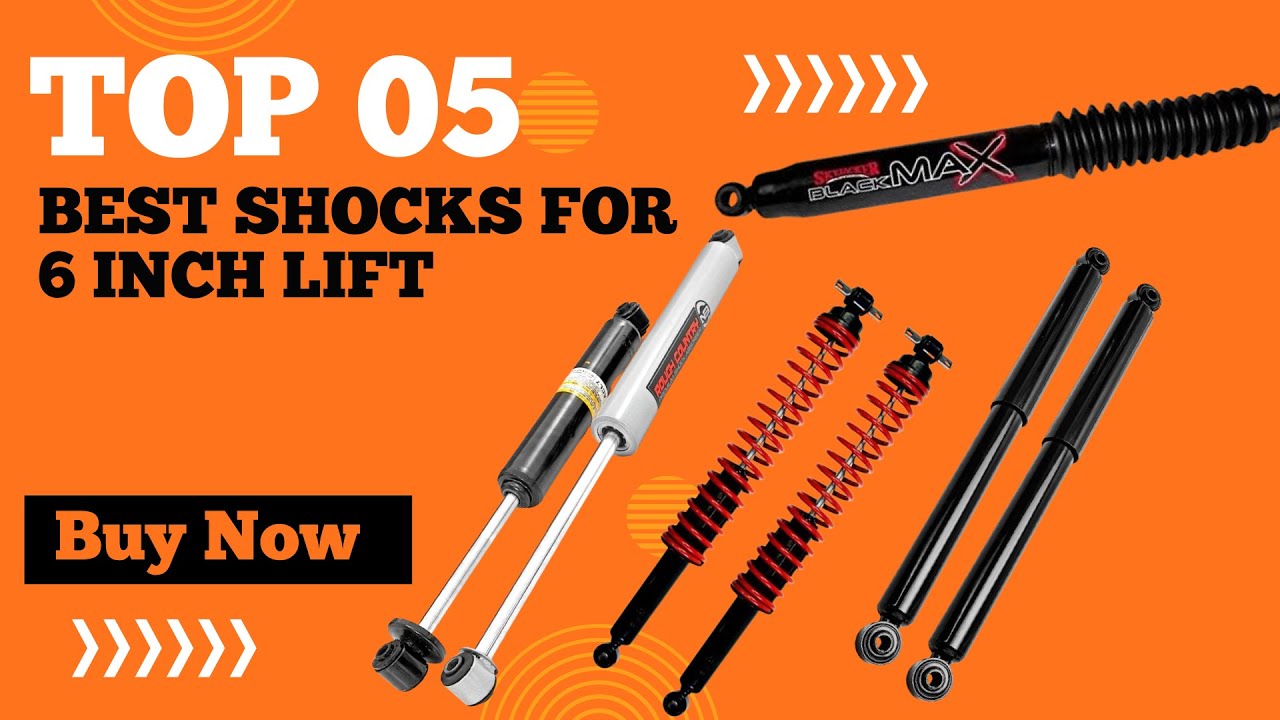
- Entry-Level Monotubes (e.g., Bilstein 5100, Rancho RS7000MT): An excellent upgrade over stock twin-tubes. They offer improved damping, better heat dissipation, and are valved for lifted applications. Great for daily drivers and light off-roading.
- Performance Monotubes (e.g., Bilstein 6112/5160, Fox 2.0 Performance Series, ICON 2.0 VS): Stepping up in performance, these offer larger bodies, more robust construction, and more sophisticated valving. The Bilstein 6112 is a front coilover system that provides a significant upgrade, while 5160s are often paired with them in the rear as a reservoir option. Fox 2.0 and ICON 2.0 are fantastic all-around performers for street and moderate off-road use.
- Remote Reservoir Shocks (e.g., Fox 2.5 Factory Series, King 2.5 Performance Series, ICON 2.5 VS): These are the go-to for serious off-road enthusiasts and those who push their trucks hard. The external reservoir provides increased oil volume and surface area, dramatically improving heat dissipation and preventing fade during extended, aggressive use. Often rebuildable and revalvable for custom tuning.
- Adjustable Shocks (e.g., Rancho RS9000XL, ICON CDCV, Fox 2.5 Factory Series with DSC): The Rancho RS9000XL offers 9-position external adjustment, providing excellent versatility for different loads or terrains. Higher-end options from ICON and Fox offer more precise multi-stage adjustments for compression and rebound.
- Coilover Shocks: These integrate the shock absorber and coil spring into a single unit. Common in front suspensions for significant lifts and custom builds, offering precise control over ride height and spring rates. Many performance monotubes and reservoir shocks are available as coilovers.
Practical Advice and Actionable Insights
- Measure Your Actual Lift: Don’t just rely on the lift kit manufacturer’s claims. Measure your truck’s current lift height to ensure you buy shocks with the correct extended and collapsed lengths.
- Be Realistic About Usage: It’s easy to overbuy (or underbuy). Be honest about how you’ll use your truck. A daily driver on pavement doesn’t need race-spec reservoir shocks, but a dedicated trail rig certainly does.
- Consider a Full System: For optimal performance and compatibility, sometimes a complete suspension system (coilovers, control arms, rear shocks, leaf springs) designed to work together is better than piecemealing components.
- Read Reviews, But Filter: Online reviews are helpful, but remember that everyone’s definition of "best ride" is subjective. Focus on reviews that match your truck model and intended use.
- Don’t Skimp on Installation: Proper installation is crucial. If you’re not comfortable with suspension work, have a qualified mechanic install your new shocks. Ensure all bolts are torqued to spec and an alignment is performed afterward.
- Maintenance Matters: Regularly inspect your shocks for leaks, damaged bushings, or bent shafts. Reservoir shocks from premium brands are often rebuildable, extending their lifespan significantly.
Challenges and Solutions
- Harsh Ride: Often caused by valving that’s too stiff for your application or spring rate.
- Solution: Re-evaluate your needs; consider shocks with digressive valving for a smoother street ride, or adjustable shocks to fine-tune.
- Bouncy Ride/Poor Control: Indicates valving that’s too soft or shocks that are topping/bottoming out.
- Solution: Ensure correct shock length for your lift. Opt for shocks with firmer compression and rebound damping.
- Premature Failure: Can be due to overheating (especially with twin-tube shocks under heavy use), manufacturing defects, or improper installation.
- Solution: Invest in quality monotube or reservoir shocks for demanding applications. Ensure professional installation.
- Noise (Clunking/Squeaking): Often related to worn bushings, loose hardware, or contact with other suspension components.
- Solution: Inspect all mounting points and bushings. Ensure proper torque on all fasteners.
Price Table: Estimated Costs for Popular Lifted Truck Shocks
Please note: Prices are highly variable based on truck model, specific lift height, current market conditions, and retailer. These are general estimated ranges for a pair or set of four, not exact figures.
| Brand/Series | Type | Key Features | Typical Use | Estimated Price Range (USD) |
|---|---|---|---|---|
| Bilstein 5100 Series | Monotube | Zinc-plated finish, digressive valving, vehicle-specific tuning | Daily driver, light off-road, towing, excellent value | $100 – $180 per shock |
| Bilstein 6112 Series | Front Coilover (Monotube) | Larger body, adjustable ride height, matched 5160 rear shocks | Performance street, moderate off-road, heavier loads | $700 – $1,100 per pair (front) |
| Fox 2.0 Performance Series | Monotube | Aluminum body, heat-reducing design, specific tuning, rebuildable | Daily driver, moderate off-road, overlanding | $170 – $250 per shock |
| Fox 2.5 Factory Series | Remote Reservoir Monotube | Large body, external reservoir, increased fluid capacity, rebuildable, tunable | Aggressive off-road, desert racing, heavy overlanding | $400 – $700+ per shock |
| King 2.5 Performance Series | Remote Reservoir Monotube | High-end, custom-tuned, precision machining, rebuildable | Extreme off-road, racing, premium performance | $500 – $900+ per shock |
| ICON 2.0 VS Series | Monotube | Vehicle-specific valving, internal floating piston, nitrogen charged | Daily driver, moderate off-road, good value performance | $180 – $280 per shock |
| ICON 2.5 VS Series (w/ Res) | Remote Reservoir Monotube | Larger body, external reservoir, optional CDCV adjustability, rebuildable | Aggressive off-road, high-performance overlanding | $450 – $800+ per shock |
| Rancho RS9000XL | Twin-Tube (Adjustable) | 9-position external adjustment, liquid metallic finish | Versatile, street to moderate off-road, towing, budget | $80 – $150 per shock |
Frequently Asked Questions (FAQ)
Q: Do I really need new shocks with a lift kit?
A: Absolutely. Lift kits change your truck’s ride height and suspension geometry. Stock shocks will be too short, leading to topping out (damaging the shock), or they won’t be valved correctly for the increased travel and potentially stiffer springs, resulting in a poor, unsafe ride.
Q: What’s the difference between a cheap shock and an expensive one?
A: More expensive shocks typically offer superior construction materials (e.g., aluminum bodies, larger shafts), more advanced internal valving, better heat dissipation (monotube vs. twin-tube, presence of a reservoir), adjustability, and often are rebuildable. These factors translate to better performance, durability, and a more consistent ride, especially under demanding conditions.
Q: How often should I replace my lifted truck shocks?
A: It depends heavily on usage. For daily drivers, 50,000-100,000 miles might be typical. For aggressive off-roaders, it could be much sooner. Listen for unusual noises, look for leaks, and pay attention to changes in ride quality (bounciness, harshness, excessive body roll). High-performance reservoir shocks are often rebuildable, extending their lifespan.
Q: Can I mix and match shock brands (e.g., Bilstein front, Fox rear)?
A: While technically possible, it’s generally not recommended. Different brands use different valving philosophies, which can lead to an unbalanced ride (e.g., front feels firmer than the rear). For optimal performance and predictability, it’s best to stick with a matched set or system.
Q: What is shock valving, and why is it important?
A: Valving refers to the internal design of the shock that controls how fluid flows through orifices, regulating the speed at which the shock compresses and rebounds. Proper valving is crucial because it dictates how your truck reacts to bumps, body roll, and changes in terrain, directly impacting ride comfort, handling, and control.
Q: Will new shocks make my lifted truck ride smoother?
A: If your current shocks are worn out or improperly matched to your lift, upgrading to appropriate, quality shocks will significantly improve ride smoothness, control, and overall comfort. However, a lifted truck, especially with stiffer springs and larger tires, will inherently have a different ride feel than a stock vehicle. The goal is optimized performance, not necessarily a "car-like" ride.
Conclusion
Choosing the best shocks for lifted trucks is a cornerstone of a successful suspension upgrade. It’s an investment that directly impacts your truck’s performance, safety, and your driving enjoyment. By carefully considering your lift height, vehicle usage, desired ride characteristics, and budget, you can navigate the vast array of options and select shocks that perfectly complement your modified rig. Whether you’re conquering rugged trails or cruising city streets, the right shocks will transform your lifted truck into a more capable, comfortable, and controlled machine, ready for any adventure you throw its way. Don’t compromise on this critical component – your truck, and your back, will thank you.
For more detailed information and product comparisons, explore resources like this comprehensive guide on lifted truck shocks.