Light Truck Chains: Your Comprehensive Guide to Winter Traction and Safety
Light Truck Chains: Your Comprehensive Guide to Winter Traction and Safety
When winter unleashes its fury, bringing snow, ice, and treacherous driving conditions, the ability to maintain control and reach your destination safely becomes paramount. For light truck owners, who often rely on their vehicles for work, recreation, or simply navigating challenging terrain, light truck chains are an indispensable tool. Far more than just accessories, tire chains for light trucks are critical safety equipment designed to provide superior traction when standard tires simply can’t cope.
This comprehensive guide will delve into every aspect of light truck chains, from understanding their fundamental purpose to mastering their installation, ensuring you’re prepared for whatever winter throws your way.
What Are Light Truck Chains and Why Are They Essential?
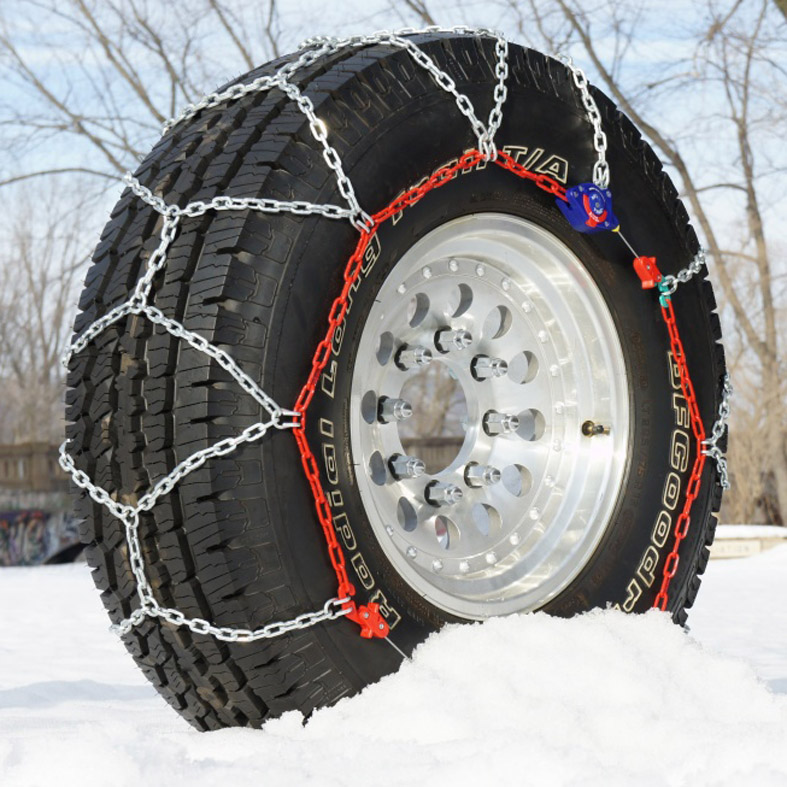
Light truck chains, often referred to as snow chains or tire chains, are devices fitted to the drive wheels of a vehicle to provide maximum traction on snow or ice. They consist of a series of chains or cables arranged in a pattern over the tire’s tread, designed to bite into slippery surfaces and prevent skidding.
Their importance for light truck owners cannot be overstated. Unlike smaller passenger cars, light trucks often have higher ground clearance and are frequently used for hauling, towing, or navigating rural, unplowed roads. This makes them more susceptible to losing traction in severe conditions. Chains provide:
- Enhanced Safety: Significantly reduce the risk of skidding, sliding, and accidents on icy or snow-covered roads.
- Increased Mobility: Allow your truck to climb hills, pull out of deep snow, and navigate conditions that would otherwise leave it stranded.
- Legal Compliance: Many mountainous regions and state highways have "chain control" areas where chains are legally required or recommended during severe weather. Being caught without them can result in fines or being turned back.
- Peace of Mind: Knowing you have the ultimate traction solution gives you confidence when venturing into winter landscapes.
Types of Light Truck Chains: Choosing the Right Bite
The world of light truck chains offers several types, each with unique characteristics suited for different needs and conditions. Understanding these differences is key to making an informed purchase.
-
Ladder Chains (Traditional/Link Chains):
- Description: The most recognizable type, featuring individual cross-chains laid across the tire’s tread like rungs on a ladder.
- Pros: Excellent traction in deep snow and ice due to aggressive bite; durable steel construction. Generally the most affordable.
- Cons: Can provide a bumpier ride; may cause more wear on tires and roads if used improperly; installation can be more involved.
- Best For: Heavy-duty use, extreme snow, off-road, or infrequent use.
-
Diamond Chains (Diagonal/Pattern Chains):
- Description: Form a diamond or zigzag pattern over the tire, offering more points of contact with the road.
- Pros: Smoother ride than ladder chains; better lateral (side-to-side) grip; easier installation for many designs; often self-tensioning options available.
- Cons: Generally more expensive than ladder chains.
- Best For: Regular winter driving on varied snow/ice conditions, where a smoother ride is desired.
-
Cable Chains (S-Chains/Radial Chains):
- Description: Instead of heavy metal links, these use steel cables wrapped in a polymer coating, often with small metal rollers or cleats for grip.
- Pros: Lighter weight; very easy to install (often without moving the vehicle); smoother ride; less likely to damage vehicle components or roads; compact storage.
- Cons: Less aggressive traction than link chains, especially in very deep snow or thick ice; may wear out faster with heavy use.
- Best For: Light snow, icy roads, compact snow, or situations where ease of installation and a smooth ride are priorities. Often sufficient for chain control requirements.
-
Automatic/Self-Tensioning Systems: Many diamond and some cable chains come with integrated tensioning systems that automatically tighten the chain as you drive, eliminating the need to stop and re-tighten. This is a significant convenience factor.
Material Matters: Most chains are made from hardened steel or alloy steel for durability. Alloy chains are often lighter and stronger, but also more expensive.
How to Install Light Truck Chains: A Step-by-Step Guide
Proper installation is crucial for both safety and effectiveness. Practice at home before you’re stuck in a snowstorm!
Preparation:
- Safety First: Park on a level surface, away from traffic. Engage your parking brake. If on a slope, block your wheels.
- Gloves & Tarp: Wear durable gloves to protect your hands from cold and sharp edges. A small tarp or piece of cardboard to kneel on will keep you dry.
- Clearance Check: Ensure your truck has adequate wheel well clearance for chains. Consult your vehicle’s owner’s manual.
- Drive Wheels: Chains go on the drive wheels. For 2WD trucks, this means the rear wheels for RWD, or front wheels for FWD. For 4WD/AWD, consult your manual – usually the front wheels for better steering control, or sometimes all four (if you have two sets).
Installation Steps:
- Lay Out the Chains: Spread the chain out in front of or behind the drive tire, ensuring there are no twists or tangles. The opening/closing mechanism (if applicable) should be on the outside of the tire.
- Drape Over the Tire: Drape the chain over the top of the tire, centering it as much as possible. The two ends should meet underneath the tire.
- Connect Inner Link: Reach behind the tire and connect the inner ends of the chain. This can be the trickiest part, requiring you to feel for the connection point.
- Connect Outer Link: Pull the chain tightly across the tire’s tread and connect the outer ends. Use the tightest possible link to ensure a snug fit.
- Apply Tensioner (if separate): If your chains are not self-tensioning, attach a rubber or spring tensioner (often sold separately) to the outer chain, hooking it evenly around the chain to pull it taut.
- Repeat for Other Tire: Follow the same steps for the other drive wheel.
- Drive and Re-Tension: Drive your truck slowly (5-10 mph) for about 1/4 mile, then stop and check the chains. They should be snug. Re-tighten any loose connections or tensioners. This is crucial as chains will seat themselves after a short drive.
Removal Steps:
- Park Safely: Park on a level, safe surface. Engage the parking brake.
- Disconnect Outer Link: Disconnect the outer connection and remove any tensioners.
- Disconnect Inner Link: Disconnect the inner connection.
- Pull Free: Gently pull the chain from the tire. You may need to drive forward slightly to fully free the chain from under the tire.
- Clean & Store: Clean the chains of any dirt, salt, or debris. Dry them thoroughly to prevent rust, then store them in their original bag or a sturdy container.
Important Considerations for Light Truck Chains
Beyond installation, several factors impact the safe and effective use of chains.
- Tire Size & Fit: Chains are specific to tire sizes. Always match the chain size to your tire’s sidewall dimensions (e.g., P265/70R17). A proper fit is paramount; loose chains are ineffective and dangerous.
- Vehicle Clearance: Ensure your truck has enough wheel well clearance to accommodate chains without them rubbing against brake lines, fenders, or suspension components. Larger tires or lifted trucks may still have issues with certain chain types.
- Speed Limits: NEVER exceed 30 mph (and often much less, typically 20-25 mph) when using chains. High speeds can cause chains to break, detach, or damage your vehicle.
- Driving Style: Drive smoothly. Avoid sudden acceleration, hard braking, or sharp turns. This can cause chains to break or damage your tires and drivetrain.
- When to Use/Remove: Only use chains on snow or ice. Driving on dry pavement will rapidly wear down the chains, damage your tires, and can harm the road surface. Remove them immediately when conditions improve.
- Local Regulations: Be aware of chain control laws in areas you plan to travel. Some states require chains to be carried even if not in use.
- Maintenance: After each use, clean and dry your chains thoroughly to prevent rust. Store them in a dry place. Inspect them before each season for worn links or damage.
Practical Advice and Tips
- Practice Makes Perfect: Install your chains in your driveway before you need them. Doing it for the first time in a blizzard at night is a recipe for frustration.
- Carry Essentials: Always keep your chains, durable gloves, a small tarp or kneeling pad, and a flashlight (or headlamp) in your truck during winter months.
- Buy Early: Don’t wait until the first snowfall. Supply can be limited, and prices may increase.
- Check Your Manual: Your truck’s owner’s manual may have specific recommendations or warnings regarding tire chain use, including which wheels to chain or if they are prohibited.
- Consider Quality: While budget options exist, investing in a good quality set of chains will pay dividends in terms of durability, reliability, and ease of use.
Potential Challenges and Solutions
- Difficulty Installing:
- Challenge: Chains are tangled or hard to connect, especially in cold weather.
- Solution: Practice, practice, practice! Lay them out fully before attempting installation. Consider self-tensioning or "fast fit" chain designs.
- Chains Coming Loose or Breaking:
- Challenge: Chains detach or snap during driving.
- Solution: Ensure proper tensioning (re-check after 1/4 mile). Do not exceed recommended speed limits. Avoid sudden acceleration/braking. Inspect chains for wear before each use.
- Damage to Vehicle:
- Challenge: Chains rub against fenders, brake lines, or suspension.
- Solution: Verify adequate clearance before purchase. Consult your truck’s manual. If chains rub, they are too large or your vehicle doesn’t have enough clearance for chains. Do not drive with rubbing chains.
- Getting Stuck Even With Chains:
- Challenge: Chains provide traction, but sometimes conditions are too extreme.
- Solution: Chains are not a magic bullet. If the snow is too deep, or the ice too thick, even chains have limits. Assess conditions before venturing out. Carry a shovel and recovery gear.
Estimated Price Guide for Light Truck Chains
Prices for light truck chains vary significantly based on type, material, brand, and tire size. The table below provides a general estimate for common types. Always confirm the exact price for your specific tire size and desired brand.
| Chain Type | Material | Key Features | Estimated Price Range (USD) |
|---|---|---|---|
| Ladder Chains | Carbon Steel | Aggressive traction, basic design, durable | $50 – $120 |
| Alloy Steel | Lighter, stronger, more rust-resistant | $80 – $180 | |
| Cable Chains | Coated Steel Cable | Easy installation, smooth ride, compact | $70 – $150 |
| Heavy-Duty Cable | Thicker cables, more aggressive cleats | $100 – $200 | |
| Diamond Chains | Carbon Steel | Better lateral grip, smoother ride than ladder | $120 – $250 |
| Alloy Steel | Lighter, stronger, often self-tensioning | $180 – $350+ | |
| Self-Tensioning | (Various, often Alloy) | Quick/easy install, automatically tightens | $200 – $400+ |
Note: These are estimated ranges for a single pair of chains and do not include accessories like tensioners (if sold separately) or installation tools. Prices can fluctuate based on retailer, brand reputation, and specific tire sizes.
Frequently Asked Questions (FAQ) About Light Truck Chains
Q1: Do I need chains for all four tires on my 4WD/AWD truck?
A1: Generally, chains are recommended for the front wheels on 4WD/AWD trucks for better steering control. However, consult your vehicle’s owner’s manual as some manufacturers may specify otherwise, or recommend chains on all four wheels for extreme conditions. Never chain only the non-drive wheels.
Q2: What’s the maximum speed I can drive with chains on?
A2: Most manufacturers recommend a maximum speed of 20-30 mph (32-48 km/h). Exceeding this can cause chains to break, damage your tires, or lead to loss of control.
Q3: Can I use chains on dry pavement?
A3: No, absolutely not. Driving on dry pavement will quickly damage your chains, accelerate tire wear, and potentially damage the road surface. Remove chains immediately when you are off snow or ice.
Q4: How do I know what size chains to buy for my truck?
A4: Look at the sidewall of your tire. You’ll see a series of numbers and letters (e.g., LT265/70R17). Chain packaging will list compatible tire sizes. Ensure the chain size exactly matches your tire size.
Q5: Are tire chains legal everywhere?
A5: No. Laws vary by state and region. Many mountainous areas have "chain control" laws that mandate carrying or using chains during certain conditions. Always check local regulations for your travel route.
Q6: How long do chains last?
A6: With proper care, maintenance, and storage, a good set of chains can last for many seasons. Factors like usage frequency, driving speed, and exposure to road salt will affect their lifespan.
Q7: Can chains damage my truck’s tires or components?
A7: If properly sized, installed, and used within recommended speed limits, chains are designed not to damage your tires. However, loose chains, improper installation, or excessive speed can lead to damage to tires, fenders, brake lines, or suspension components. Always check for adequate clearance.
Conclusion
Light truck chains are an essential piece of safety equipment for any truck owner venturing into winter conditions. They offer unparalleled traction, significantly enhancing safety and mobility on snow and ice. By understanding the different types available, mastering their installation, adhering to critical considerations like speed limits and vehicle clearance, and practicing proactive maintenance, you can ensure your light truck is prepared for the harshest winter challenges.
Don’t let winter weather dictate your plans or compromise your safety. Invest in the right set of light truck chains, learn how to use them effectively, and drive with confidence, knowing you have the ultimate grip when you need it most.