Truck Strobe Lights: Enhancing Safety and Visibility on the Road
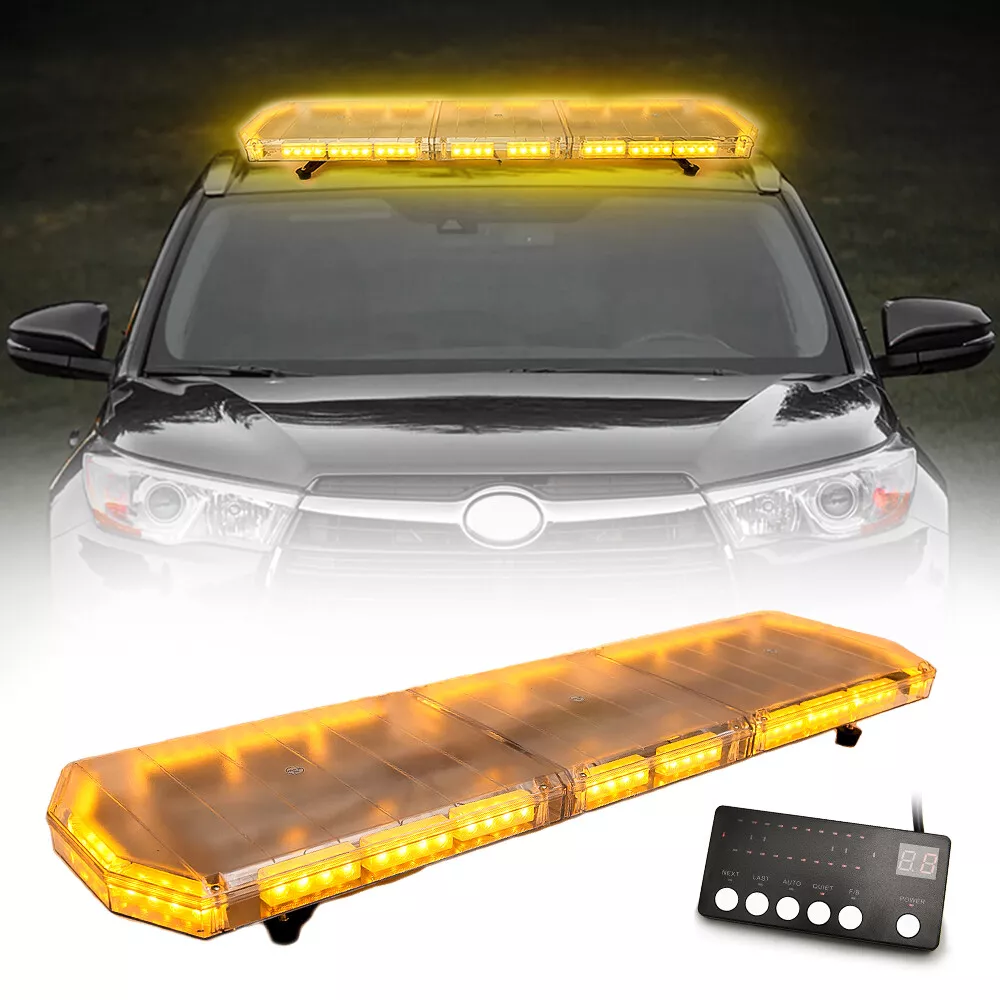
Truck Strobe Lights: Enhancing Safety and Visibility on the Road
In the demanding world of commercial trucking, safety is not merely a preference but an absolute necessity. Every decision, every piece of equipment, and every safety measure contributes to safeguarding drivers, their cargo, and the public. Among the most crucial yet often overlooked safety enhancements are truck strobe lights. These high-intensity, flashing lights serve as a powerful visual warning, dramatically increasing a truck’s visibility, especially in challenging conditions or hazardous situations. From alerting motorists to an oversized load to signaling a roadside breakdown, truck strobe lights are an indispensable tool, transforming a large vehicle from a potential hazard into a clearly identifiable presence on the road.
This comprehensive guide will delve into every aspect of truck strobe lights, exploring their vital role, various types, installation considerations, and how to choose the best solution to ensure optimal safety and compliance for any commercial vehicle.
The Critical Role of Strobe Lights in Trucking Safety
The sheer size and mass of commercial trucks make them inherently different from passenger vehicles. Their stopping distances are longer, their maneuverability is limited, and they often operate in environments where immediate recognition is paramount. This is where truck strobe lights become an indispensable safety feature.
- Unrivaled Visibility in Adverse Conditions: Fog, heavy rain, snow, dust, or even direct sunlight can severely obscure a truck’s presence. Strobe lights cut through these visual barriers with their intense, pulsating flashes, ensuring the truck is seen from a greater distance and at various angles. This early warning gives other drivers more time to react, reducing the likelihood of collisions.
- Warning for Specialized Operations: Trucks involved in towing, construction, utility work, oversized load transport, or roadside assistance frequently operate at slow speeds, are stopped, or are engaged in activities that deviate from normal traffic flow. Flashing truck strobe lights clearly communicate these unique operational statuses to surrounding traffic, preventing accidents and protecting workers on site.
- Accident Prevention and Incident Management: In the unfortunate event of a breakdown or accident, strategically placed strobe lights immediately transform the stationary vehicle into a highly visible warning beacon. This is critical for preventing secondary collisions, protecting emergency responders, and guiding traffic safely around the incident scene.
- Regulatory Compliance: Many jurisdictions and specific applications (e.g., pilot vehicles for oversized loads, construction vehicles, tow trucks) mandate the use of specific types and colors of truck strobe lights to meet safety regulations. Adhering to these requirements is not just about avoiding fines; it’s about operating responsibly and safely within legal frameworks.
Types of Truck Strobe Lights
The market offers a diverse range of truck strobe lights, each designed to meet specific needs and applications. Understanding the different types is crucial for making an informed decision.
-
Light Source Technology:
- Xenon Strobe Lights: These older technologies use a xenon gas-filled tube to produce very bright, short flashes. While effective, they are less energy-efficient and durable than modern alternatives, and their lifespan is generally shorter.
- LED Strobe Lights: Light Emitting Diode (LED) technology dominates the market for truck strobe lights today. LEDs offer superior energy efficiency, incredibly long lifespans (tens of thousands of hours), immediate illumination, and excellent vibration resistance. They can be programmed for various flash patterns and are available in a wide spectrum of colors. Their compact size also allows for versatile mounting options.
-
Mounting Styles:
- Permanent Mount (Bolt-On): These lights are securely bolted directly to the truck’s surface (e.g., roof, bumper, headache rack). They offer the most robust and secure installation, ideal for vehicles requiring constant, long-term visibility.
- Magnetic Mount: Featuring powerful magnets, these lights can be quickly attached and removed from any flat metallic surface. They are perfect for temporary applications, leased vehicles, or situations where lights are only needed intermittently. While convenient, ensure the magnets are strong enough for the vehicle’s speed and road conditions.
- Surface Mount: These compact lights are designed to be flush-mounted onto flat surfaces, offering a low-profile aesthetic while still providing powerful illumination. They are often used on grilles, bumpers, or side panels.
- Grille Mount: Specifically designed to fit within a truck’s front grille, these lights offer a discreet yet highly effective warning solution, often used in conjunction with other lighting.
- Light Bars (Roof-Mounted): These are perhaps the most recognizable form of truck strobe lights. Long bars containing multiple LED modules are mounted on the roof, providing 360-degree visibility. They come in various lengths and configurations, often with integrated work lights or directional warning patterns.
-
Flash Patterns and Colors:
- Flash Patterns: Modern LED strobe lights offer a multitude of selectable flash patterns (e.g., single flash, double flash, quad flash, rotating, alternating, random). The choice of pattern can influence how quickly other drivers perceive and react to the warning.
- Color Options: The color of truck strobe lights is heavily regulated and typically indicates the type of vehicle or operation:
- Amber/Yellow: Most common for commercial, utility, construction, tow, and oversized load vehicles. Universally recognized as a warning signal.
- Red/Blue: Primarily reserved for authorized emergency vehicles (police, fire, ambulance). Use by unauthorized vehicles is illegal.
- White: Can be used for work lights, scene illumination, or sometimes as a warning light in conjunction with other colors.
- Green: Used by some volunteer firefighters or specific utility vehicles in certain regions.
Key Benefits of Installing Strobe Lights on Your Truck
Investing in high-quality truck strobe lights yields significant returns in terms of safety and operational efficiency:
- Significantly Increased Visibility: This is the primary benefit, making your large vehicle impossible to miss, even in challenging conditions.
- Enhanced Driver and Public Safety: By providing early and clear warnings, strobe lights actively prevent accidents, protecting your drivers and other road users.
- Reduced Risk of Collisions: Especially rear-end collisions, which are a common hazard for slow-moving or stationary trucks.
- Improved Operational Efficiency: For specialized vehicles, clear warning signals allow for smoother workflow, safer roadside operations, and reduced downtime due to incidents.
- Compliance with Safety Standards: Meeting legal requirements not only avoids penalties but also demonstrates a commitment to safety.
- Durability and Longevity (LED): Modern LED strobe lights are built to withstand harsh environments, vibrations, and extreme temperatures, offering a long service life.
- Energy Efficiency (LED): LEDs draw minimal power, reducing strain on the vehicle’s electrical system and potentially saving fuel compared to older technologies.
Choosing the Right Strobe Lights: Important Considerations
Selecting the appropriate truck strobe lights requires careful thought to ensure they meet your needs, comply with regulations, and provide optimal performance.
- Legal Regulations and Local Laws: This is paramount. Research your state, county, and city regulations regarding allowed colors, brightness limits, flash patterns, and mounting locations for truck strobe lights. Ignorance of the law is not an excuse.
- Application and Vehicle Type: What kind of work does your truck do? A tow truck might need a large roof-mounted light bar, while a delivery truck might only need discreet surface-mount lights for occasional stops.
- Brightness (Lumens/Candela): Consider the environment. Do you operate primarily in daylight, at night, or in areas with heavy fog? Brighter lights (measured in lumens or candela) offer better visibility in challenging conditions.
- Durability and Weather Resistance (IP Rating): Trucks operate in all weather. Look for an IP (Ingress Protection) rating of at least IP67, indicating dust-tightness and protection against immersion in water. IP68 offers even greater protection.
- Power Consumption: While LEDs are efficient, ensure your vehicle’s electrical system can handle the load, especially for multiple lights or large light bars.
- Mounting Type: Choose between permanent, magnetic, or surface mounts based on your usage frequency and desire for quick removal.
- Flash Patterns: Opt for lights with multiple selectable flash patterns to adapt to different situations and regulatory requirements.
- Color: Strictly adhere to legal color requirements for your specific application.
- Budget vs. Quality: While cost is a factor, prioritize quality and durability. Cheaper lights may fail prematurely or offer insufficient brightness, compromising safety.
- Ease of Installation: Consider if you plan a DIY installation or will rely on professional help. Some systems are plug-and-play, while others require more complex wiring.
Installation Guide: How to Equip Your Truck with Strobe Lights
Proper installation is key to the performance and longevity of your truck strobe lights. While some basic installations can be DIY, complex setups may benefit from professional assistance.
-
Preparation and Safety First:
- Read the manufacturer’s instructions thoroughly.
- Gather all necessary tools: drill, wire strippers, crimpers, heat gun (for heat shrink tubing), multimeter, fuses, connectors, zip ties, mounting hardware.
- Disconnect the truck’s battery to prevent electrical shorts.
- Wear appropriate safety gear (gloves, eye protection).
-
Mounting the Lights:
- Permanent Mount: Carefully measure and mark drilling locations. Drill pilot holes and then larger holes for mounting bolts. Ensure a secure, vibration-resistant fit. Apply silicone sealant around drilled holes to prevent water ingress.
- Magnetic Mount: Clean the mounting surface thoroughly to ensure maximum magnetic grip. Test the light’s stability at various speeds.
- Surface/Grille Mount: Securely attach the lights using provided screws or adhesive, ensuring a flush and stable fit.
-
Wiring the Strobe Lights:
- Power Source: Identify a reliable power source. Directly from the battery (with an inline fuse) or from an auxiliary fuse box are common options. Avoid tapping into existing critical circuits.
- Inline Fuse: ALWAYS install an appropriately rated inline fuse as close to the power source as possible. This protects your truck’s electrical system and the lights from power surges.
- Ground Connection: Connect the ground wire (usually black) to a clean, unpainted metal surface on the truck’s chassis or directly to the negative battery terminal. A poor ground connection can cause intermittent flashing or dim lights.
- Switch Installation: Wire the positive lead through a dedicated switch mounted in the cab for easy control. Some systems include a control box for multiple lights or flash patterns.
- Wire Routing and Protection: Route all wires carefully, away from hot engine parts, sharp edges, and moving components. Use wire loom or conduit to protect wires from abrasion, heat, and moisture. Secure wires with zip ties or clamps to prevent sagging or snagging.
-
Testing and Final Checks:
- Reconnect the battery.
- Test all lights and flash patterns.
- Check for any loose connections.
- Ensure lights are aimed correctly for maximum visibility.
- Verify compliance with local regulations.
Professional Installation: For complex systems, large light bars, or if you’re uncomfortable with automotive electrical work, consider professional installation. It ensures safety, proper wiring, and adherence to all regulations.
Maintenance and Troubleshooting Tips
Regular maintenance ensures your truck strobe lights remain effective and reliable.
- Regular Cleaning: Keep the lenses clean from dirt, grime, and road salt to maintain maximum brightness. Use a mild soap and water solution.
- Inspect Wiring: Periodically check all wiring for fraying, cracks, corrosion, or loose connections. Repair or replace as needed.
- Check Mounts: Ensure all mounting hardware is tight and secure. Vibrations can loosen bolts over time.
- Lens Integrity: Inspect lenses for cracks or damage that could allow moisture ingress. Replace damaged units promptly.
Troubleshooting Common Issues:
- No Power/Lights Not Working: Check the fuse. Verify all connections (power, ground, switch). Use a multimeter to test for voltage at various points in the circuit.
- Intermittent Flashing/Dim Lights: Often a sign of a poor ground connection or insufficient power supply. Check battery voltage and ensure wire gauge is adequate.
- Only Some LEDs Working: Indicates a fault within the light unit itself, likely requiring replacement.
Challenges and Solutions
While highly beneficial, integrating truck strobe lights can present a few challenges.
- Legal Compliance: The biggest challenge.
- Solution: Thoroughly research and understand all federal, state, and local laws regarding color, flash pattern, brightness, and placement before purchasing or installing. Consult with local DOT offices or legal experts if unsure.
- Electrical System Strain: Poorly chosen or improperly installed lights can overburden a truck’s electrical system.
- Solution: Prioritize energy-efficient LED lights. Ensure proper wire gauge is used, and always install an inline fuse. Consider adding an auxiliary fuse block for multiple accessories.
- Theft of Magnetic Mount Lights: Magnetic lights are convenient but easier to steal.
- Solution: Remove magnetic lights when the truck is unattended or parked in unsecured areas. For permanent solutions, opt for bolt-on types.
- Damage from Elements/Vibration: Trucking environments are harsh.
- Solution: Invest in lights with high IP ratings (IP67/IP68) and robust, durable construction designed for heavy-duty use. Secure all wiring and mounts firmly to minimize vibration damage.
Price Table: Truck Strobe Lights
Prices for truck strobe lights can vary significantly based on brand, technology (LED vs. Xenon), brightness, features, and size. This table provides typical price ranges for common types.
| Type of Strobe Light | Key Features
