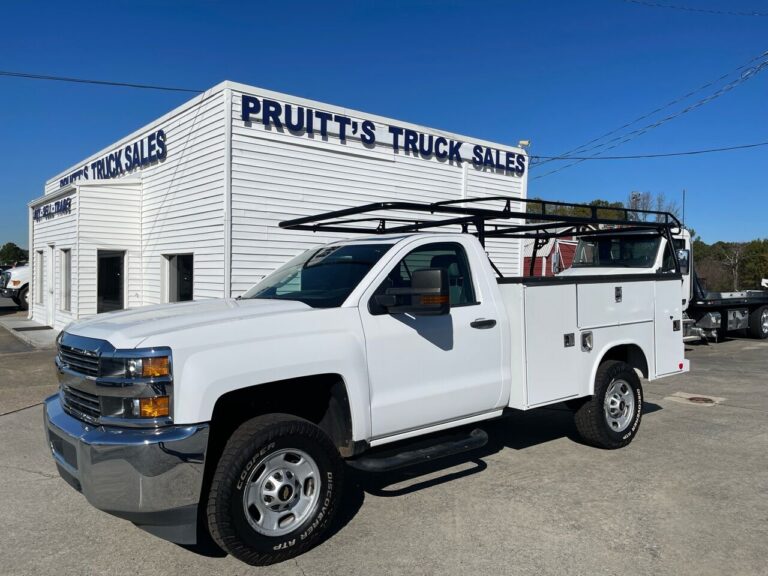
Boss Trucks For Sale: Your Ultimate Guide to Mastering Winter Operations
Boss Trucks For Sale: Your Ultimate Guide to Mastering Winter Operations
In the world of commercial snow and ice management, the term "Boss Truck" isn’t just about a vehicle driven by an owner; it refers to a highly specialized piece of equipment: a truck outfitted with durable, high-performance snowplows and spreaders from BOSS Snowplows, one of the industry’s most respected names. For contractors, municipalities, and large property owners, a Boss Truck for sale isn’t merely a purchase; it’s an investment in efficiency, reliability, and the ability to conquer even the most challenging winter conditions.
This comprehensive guide will delve into every aspect of acquiring a Boss Truck, from understanding what makes them indispensable to navigating the market, assessing crucial components, and ensuring you make an informed decision that pays dividends when the snow starts falling.
What Defines a "Boss Truck" for Sale?
At its core, a "Boss Truck" for sale is a vehicle – typically a heavy-duty pickup (3/4-ton, 1-ton, or larger) or a medium-duty truck – that has been specifically configured and equipped with BOSS Snowplows and/or BOSS Spreaders. This integration transforms a standard work truck into a powerful, dedicated snow and ice removal machine. The "Boss" designation signifies the quality, innovation, and robust engineering associated with BOSS equipment, making these trucks highly sought after in the snow removal industry.
The importance of these specialized trucks cannot be overstated. When blizzards hit, businesses and communities rely on efficient snow removal to maintain accessibility and safety. A well-equipped Boss Truck ensures that commercial properties, parking lots, roads, and driveways can be cleared quickly and effectively, minimizing downtime and mitigating risks. For snow removal professionals, it’s a tool that directly impacts their profitability and reputation.
Key Components of a Boss Truck Setup
Understanding the individual components is crucial to appreciating the value of a Boss Truck. It’s more than just a plow bolted onto a truck; it’s an integrated system designed for optimal performance.
1. The Truck Itself
The foundation of any Boss Truck is a robust vehicle capable of handling the additional weight and stress of plowing and spreading.
- Heavy-Duty Pickups: Most commonly, this includes Ford F-250/F-350/F-450, Ram 2500/3500/4500, Chevrolet Silverado/GMC Sierra 2500HD/3500HD. These trucks offer the necessary Gross Vehicle Weight Rating (GVWR), payload capacity, and powerful engines (often diesel) to manage heavy loads and continuous operation.
- Medium-Duty Trucks: For larger commercial operations or municipal use, trucks like Ford F-550/F-650, Ram 5500, or various chassis cabs are often used, capable of carrying larger plows and V-box spreaders.
- Front Axle Weight Rating: This is critical. The front axle must be able to support the weight of the plow, often requiring specific suspension and tire configurations.
2. BOSS Snowplows
BOSS offers a diverse range of plows, each designed for specific applications and truck sizes.
- Straight Blade Plows: The most common type, offering reliable and straightforward snow pushing. Available in various widths and materials (steel, poly). Features like hydraulic lift and angle, trip-edge protection, and SmartLight™ LED systems are standard.
- V-Plows: Highly versatile, these plows can operate in V-mode (for breaking through deep drifts), scoop mode (for efficient piling), or straight mode. Ideal for complex terrains and heavy snowfall.
- Box Plows: Designed for clearing large areas quickly, such as parking lots. They contain snow within the "box," allowing for massive amounts to be pushed in a single pass.
- ATV/UTV Plows: Smaller versions for lighter vehicles, demonstrating BOSS’s comprehensive range.
- Key Features: BOSS plows are known for their SmartHitch™ (quick attachment/detachment), SmartLight™ (advanced LED lighting), SmartShield™ (baked-on powder coat for corrosion resistance), and robust hydraulic systems.
3. BOSS Spreaders
Effective ice management is as crucial as snow removal. BOSS spreaders distribute salt, sand, or other de-icing agents.
- Tailgate Spreaders: Compact units that mount to the tailgate, ideal for lighter applications, driveways, and smaller parking areas. Available in various capacities and motor types (electric).
- V-Box Spreaders: Larger capacity units that sit in the truck bed, designed for heavy commercial use and extended operations. They offer better material flow and wider spread patterns. Often used with larger trucks.
- Liquid De-icing Systems: BOSS also offers systems for applying brine or other liquid de-icers, which can be more effective in certain conditions.
- Key Features: BOSS spreaders often feature polyethylene hoppers (corrosion-resistant), stainless steel components, variable speed controls, and robust auger/spinner systems for consistent material delivery.
4. Integrated Systems & Controls
A Boss Truck’s true strength lies in its seamless integration. The electrical and hydraulic systems must be robust enough to power the plow and spreader simultaneously, often controlled by intuitive in-cab joysticks or digital controllers that allow for precise manipulation of the equipment.
Benefits of Investing in a Boss Truck
Acquiring a Boss Truck offers numerous advantages for anyone serious about snow and ice management:
- Unmatched Efficiency & Productivity: BOSS equipment is designed for rapid deployment and effective clearing. This translates to more jobs completed in less time, maximizing profitability during peak winter events.
- Superior Durability & Reliability: Built with heavy-gauge steel, corrosion-resistant coatings, and robust hydraulics, BOSS equipment is engineered to withstand the harsh realities of winter, minimizing breakdowns and costly downtime.
- Versatility: Many setups allow for quick removal of the plow and spreader, enabling the truck to be used for other purposes during off-seasons. The modular nature of BOSS equipment also allows for swapping out different plow types or spreaders as job requirements change.
- Enhanced Safety: Proper lighting, responsive controls, and effective de-icing capabilities contribute to safer operations for the operator and safer conditions for the public.
- Strong Resale Value: Well-maintained trucks equipped with premium BOSS gear tend to hold their value better than generic setups, making them a sound long-term investment.
- Comprehensive Support: BOSS has a strong dealer network, offering parts, service, and expertise, which is invaluable for maintaining your equipment.
Navigating the Market: Where to Find Boss Trucks for Sale
Whether you’re looking for a brand-new setup or a reliable used workhorse, the market for Boss Trucks is diverse.
Buying New:
- Authorized BOSS Dealers: The primary source for new BOSS equipment. These dealers can also often set you up with a new truck that is appropriately sized and configured for the equipment. They offer warranties, professional installation, and ongoing support.
- Truck Dealerships: Some heavy-duty truck dealerships specialize in outfitting commercial vehicles and may have partnerships with BOSS or similar equipment manufacturers.
- Custom Upfitters: Companies that specialize in commercial vehicle modifications can source both the truck and the BOSS equipment, providing a turn-key solution tailored to your needs.
Buying Used:
The used market offers more variety and often more budget-friendly options, but requires careful inspection.
- Online Marketplaces:
- TruckPaper.com, CommercialTruckTrader.com: Excellent resources specifically for commercial vehicles and heavy equipment.
- eBay Motors, Facebook Marketplace: Can yield local finds, often from smaller contractors or individuals. Be cautious and verify details thoroughly.
- Craigslist: Good for local deals, but exercise extreme caution regarding scams and misrepresentations.
- Equipment Auctions: Large auction houses (e.g., Ritchie Bros., IronPlanet) frequently have commercial trucks and snow removal equipment. You can often find great deals, but "as-is, where-is" conditions mean thorough pre-inspection is critical.
- Specialized Used Equipment Dealers: Dealers who focus on pre-owned commercial trucks or snow removal equipment often have Boss Trucks in their inventory. They may offer some level of reconditioning or warranty.
- Local Classifieds & Word-of-Mouth: Sometimes the best deals are found through local networks or by inquiring with other snow removal professionals.
Important Considerations Before Buying
Before you commit to a Boss Truck, a detailed evaluation is essential.
-
Truck Compatibility & Capacity:
- GVWR & Payload: Ensure the truck’s Gross Vehicle Weight Rating (GVWR) and payload capacity can safely handle the weight of the plow, spreader, and its contents (e.g., hundreds or thousands of pounds of salt), plus the operator and any additional tools. Overloading is dangerous and illegal.
- Front Axle Weight Rating (FAWR): This is paramount for plowing. The front axle must be rated to support the entire weight of the plow, which can exceed 1,000 lbs for larger units.
- Engine & Transmission: Look for robust engines (often diesel for heavy work) and heavy-duty transmissions designed for towing and continuous power delivery.
- Tires: Commercial-grade, load-rated tires are a must.
- Wiring & Electrical System: Plowing and spreading equipment draw significant power. Ensure the truck’s electrical system is up to the task, with heavy-duty alternators and batteries.
-
Equipment Sizing & Type:
- Plow Size: Match the plow width and type (straight, V, box) to the truck’s capabilities and the typical job size. A plow too wide for the truck can be dangerous and inefficient.
- Spreader Capacity: Consider the volume of salt/sand needed per job or route. A larger V-box spreader means fewer refills, saving time.
-
Condition Assessment (Especially for Used Trucks):
- Truck Frame & Undercarriage: Inspect thoroughly for rust, cracks, or damage, particularly around mounting points for the plow and hitch. Snow removal involves harsh chemicals (salt) that accelerate corrosion.
- Engine & Drivetrain: Check for fluid leaks, unusual noises, and proper operation. Get a pre-purchase inspection from a trusted mechanic if possible.
- Hydraulic System (Plow/Spreader): Inspect hoses, cylinders, pumps, and fluid levels for leaks or damage. Test all plow functions (lift, angle) and spreader functions (auger, spinner).
- Electrical System (Plow/Spreader): Check all wiring for corrosion, cuts, or frayed insulation. Ensure all lights and controls work correctly.
- Wear Parts: Examine cutting edges, shoes, springs, and spreader augers/spinners for wear. These are consumable items, but excessive wear indicates heavy use or lack of maintenance.
- Body & Paint: While cosmetic, significant rust on the body can indicate underlying frame issues or neglect.
-
Maintenance History: A well-documented service history is a strong indicator of a well-cared-for truck and equipment. Ask for records of oil changes, transmission service, hydraulic fluid changes, and equipment repairs.
-
Budget & Financing: Beyond the purchase price, factor in potential repairs, insurance, fuel costs, and ongoing maintenance. Consider financing options, especially for new equipment, to manage cash flow.
Tips for a Successful Purchase
- Do Your Homework: Research specific truck models and BOSS equipment features that best suit your needs.
- Inspect Thoroughly: Never buy sight unseen. For used trucks, a detailed, hands-on inspection is non-negotiable. Consider hiring a professional mechanic.
- Test Everything: Ensure all plow movements, spreader functions, and lights work perfectly.
- Verify Documentation: Confirm the VIN matches the title, and check for any liens or outstanding recalls.
- Negotiate Wisely: Be prepared to negotiate, especially on used equipment. Know the market value.
- Factor in Post-Purchase Checks: Even with a thorough inspection, budget for immediate fluid changes, filter replacements, and a general tune-up after purchase.
- Consider Winterization Features: Look for trucks with block heaters, heavy-duty batteries, and robust charging systems.
Common Challenges & Solutions
Even with the best equipment, challenges can arise.
- Challenge: Rust and Corrosion: Salt and moisture are relentless.
- Solution: Regular thorough washing (especially the underside), applying rust inhibitors, and investing in undercoating can significantly extend the life of your truck and equipment.
- Challenge: Hydraulic System Issues: Leaks, slow operation, or complete failure.
- Solution: Regular fluid level checks, using the correct hydraulic fluid, keeping connections clean, and promptly addressing any leaks. Professional servicing is recommended annually.
- Challenge: Electrical Problems: Corroded connections, faulty wiring, blown fuses.
- Solution: Keep all electrical connections clean and greased. Inspect wiring regularly for wear or damage. Carry spare fuses.
- Challenge: Finding the "Right Fit": Overwhelmed by choices or unsure about compatibility.
- Solution: Consult with authorized BOSS dealers or experienced snow removal professionals. They can provide tailored advice based on your operational needs and budget.
Boss Trucks for Sale: Representative Price Guide
The price of a "Boss Truck" can vary wildly depending on the truck’s year, mileage, condition, specific BOSS equipment installed, and whether it’s new or used. This table provides a representative range.
| Category | Truck Type/Year | BOSS Equipment Type | Condition | Estimated Price Range (USD) | Notes BOSS Snowplows, a leader in the snow removal industry, has been manufacturing high-quality plows and spreaders for over 45 years. Known for their innovation and durability, BOSS equipment is designed to tackle the toughest winter conditions. When referring to "Boss Trucks," it primarily signifies a vehicle equipped with these reliable and powerful snow and ice management tools.
Frequently Asked Questions (FAQ) About Boss Trucks for Sale
Q1: What exactly is a "Boss Truck"?
A1: While "Boss Truck" isn’t a specific truck brand, it commonly refers to a truck (typically a heavy-duty pickup or medium-duty commercial truck) that has been professionally outfitted with snow plows and/or spreaders manufactured by BOSS Snowplows. It implies a high-quality, reliable, and powerful setup for snow and ice management.
Q2: Can I put a BOSS plow on any truck?
A2: No. Truck compatibility is crucial. BOSS plows are heavy and exert significant stress on the truck’s frame, suspension, and electrical system. Trucks must meet specific Gross Vehicle Weight Rating (GVWR) and Front Axle Weight Rating (FAWR) requirements to safely and effectively carry a BOSS plow. Consult the BOSS Plow Selector Guide or a BOSS dealer to ensure proper truck-to-plow matching.
Q3: What’s the main difference between a straight blade and a V-plow?
A3:
- Straight Blade: A single, straight piece of steel or poly, ideal for pushing snow forward and piling. It’s simpler, often lighter, and cost-effective.
- V-Plow: Features two wings that can be angled independently or together to form a "V" shape (for cutting through deep snow) or a "scoop" shape (for efficient piling). V-plows offer more versatility for various snow conditions and terrains.
Q4: How often should I service my BOSS equipment (plow and spreader)?
A4: Regular maintenance is key to longevity.
- Before Season: Inspect all hydraulics, electrical connections, cutting edges, shoes, and fluid levels. Grease all moving parts.
- During Season: After each major use, wash down equipment (especially to remove salt), inspect for damage, and check fluid levels.
- End of Season (Storage): Thoroughly clean, touch up paint, grease all points, inspect for wear, and store in a dry place. Refer to your BOSS owner’s manual for detailed maintenance schedules.
Q5: Is it better to buy a new or used Boss Truck setup?
A5:
- New: Offers the latest technology, full warranties, and no prior wear and tear. Higher upfront cost. Ideal for businesses requiring maximum reliability and long-term investment.
- Used: More budget-friendly. Can be a great value if well-maintained. Requires thorough inspection for rust, wear, and mechanical issues. Suitable for those with a tighter budget or smaller-scale operations.
Q6: Do Boss Trucks hold their value well?
A6: Yes, generally. Trucks equipped with high-quality, well-maintained BOSS plows and spreaders tend to retain their value better than standard work trucks or those with lesser-known equipment. The BOSS brand reputation for durability and performance contributes to stronger resale value, especially in regions with significant winter weather.
Q7: What are some critical things to check when buying a used Boss Truck?
A7:
- Truck Frame: Look for rust, cracks, or bending, especially near plow mounts.
- Hydraulics: Check for leaks, rust on cylinders, and smooth operation of the plow’s lift and angle.
- Electrical: Inspect wiring for corrosion, cuts, and ensure all lights and controls function.
- Wear Parts: Examine cutting edges, shoes, springs, and spreader augers/spinners for excessive wear.
- Maintenance Records: Ask for proof of regular servicing for both the truck and the equipment.
Q8: Can I install BOSS equipment myself?
A8: While some basic maintenance can be DIY, professional installation is highly recommended for plows and complex spreaders. Proper installation ensures safety, optimal performance, and maintains warranty validity. A professional installer understands truck compatibility, wiring, and hydraulic connections.