Vintage Trucks for Sale: Your Ultimate Buyer’s Guide
Vintage Trucks for Sale: Your Ultimate Buyer’s Guide The rumble of a classic V8, the iconic lines of a bygone era, the sheer character that modern vehicles often lack – there’s an undeniable allure to vintage trucks for sale. These aren’t just modes of transportation; they are rolling pieces of history, symbols of American craftsmanship, and a testament to an era where utility and style went hand-in-hand. For enthusiasts, collectors, or anyone seeking a unique vehicle with a story, the hunt for the perfect vintage truck is an exciting journey.
A “vintage truck” typically refers to a pickup or utility vehicle that is at least 25 years old, though many enthusiasts prefer to focus on models from the 1980s and earlier, often stretching back to the post-war boom or even pre-war designs.
Their importance and relevance lie not only in their aesthetic appeal and nostalgic value but also in their potential as an appreciating asset, a custom project canvas, or simply a head-turning daily driver that sparks conversations wherever it goes. This comprehensive guide will navigate you through every aspect of finding, evaluating, purchasing, and owning vintage trucks for sale, transforming your dream into a tangible reality.
I. Why Buy a Vintage Truck? The Enduring Appeal
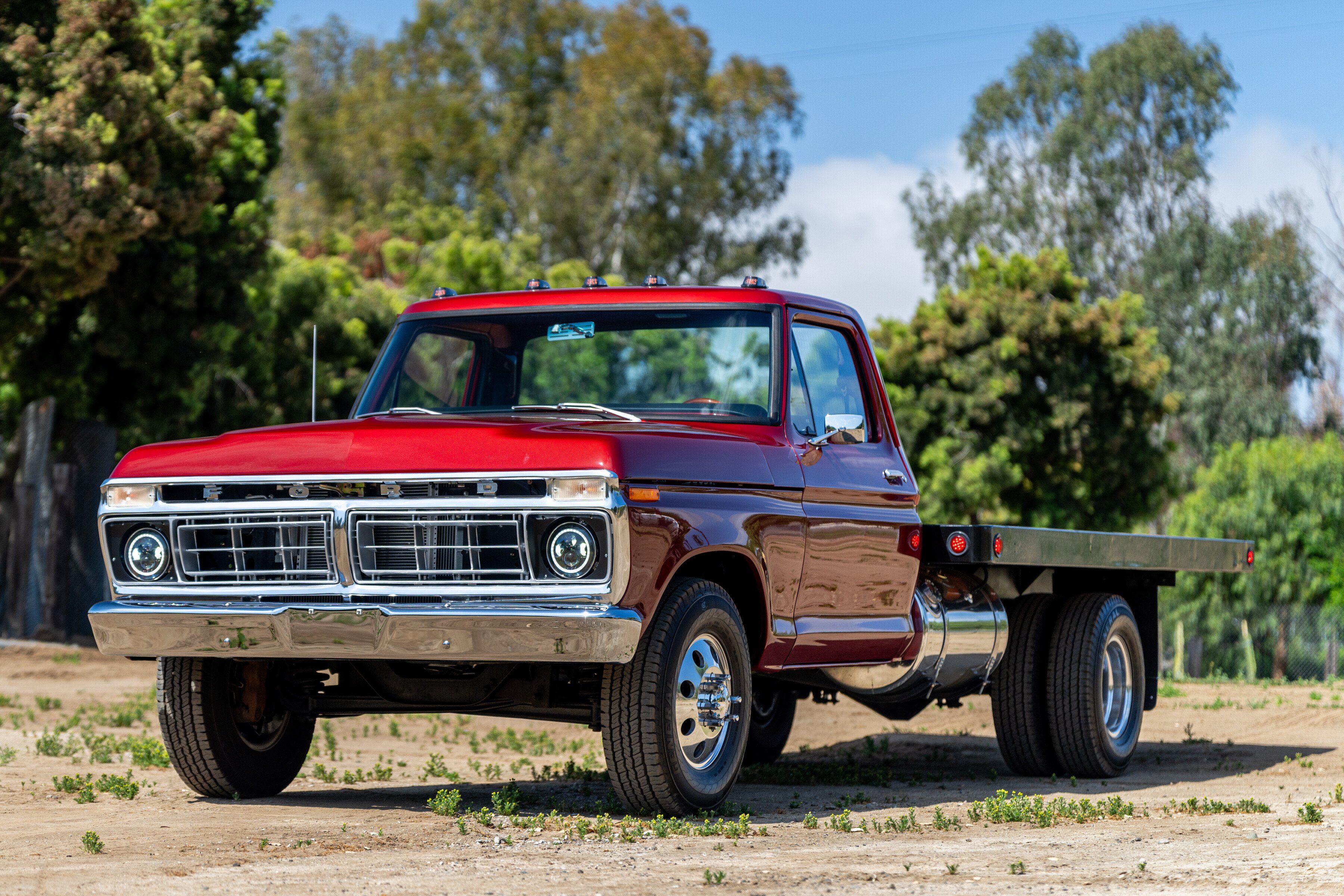
The decision to invest in a vintage truck goes beyond practical transportation needs. It’s an embrace of a unique lifestyle and an appreciation for automotive heritage.
- Nostalgia & Character: Each dent, every patina, and the distinct design elements tell a story. Owning a vintage truck often connects individuals to their past, evoking memories of family vehicles or a simpler time. They possess an inherent character that mass-produced modern trucks simply cannot replicate.
- Craftsmanship & Durability: Many older trucks were built with simpler mechanics and heavier-gauge steel, designed for utility and longevity. While they may lack modern comforts, their robust construction often means they can withstand the test of time and are relatively easier for a home mechanic to work on.
- Investment Potential: While not all vintage trucks will appreciate significantly, certain models, particularly those in original or well-restored condition, have shown consistent value growth. Iconic models like early Ford F-Series, Chevrolet C10s, and Dodge Power Wagons can be sound investments for the discerning buyer.
- Utility & Versatility: Far from being mere showpieces, many vintage trucks retain their workhorse capabilities. They can still haul, tow (within their original limits), and serve practical purposes. Furthermore, they offer an incredible platform for customization, from subtle upgrades to full “restomod” transformations that blend classic looks with modern performance.
- Community & Lifestyle: Buying a vintage truck opens the door to a vibrant community of fellow enthusiasts. Car shows, club meetings, and online forums provide opportunities to share knowledge, showcase your vehicle, and forge lasting friendships centered around a shared passion.
II. Defining “Vintage”: What to Look For in Years and Models
While “vintage” can be subjective, understanding the popular eras and models is crucial when searching for vintage trucks for sale. Generally, anything pre-1980s is widely considered vintage, with certain models from the early 1980s also fitting the bill.
- Pre-War (1920s-1940s): These are true relics, often requiring extensive restoration. Models like the Ford Model A/AA and early Chevrolet Loadmasters represent the dawn of the pickup truck. They are typically slow, sparse, and a significant commitment, but offer unparalleled historical significance.
- Post-War (1940s-1950s): This era saw significant design evolution as manufacturers catered to a booming post-war economy. Iconic examples include the “Bonus Built” and “Effie” Ford F-Series (F-1, F-100), Chevrolet Advance Design series, and Dodge B-Series. Known for their rounded fenders, distinctive grilles, and robust construction, these trucks are highly sought after.
- Mid-Century (1960s): The 60s brought more comfort, power, and diverse styling. Ford introduced the “Slick” and “Bumpside” F-Series, Chevrolet launched the beloved C/K series (including the sleek Fleetside and classic Stepside), and Dodge continued with its D-Series. These trucks often feature more powerful V8 engine options, improved suspension, and a slightly more modern driving experience.
- Late Vintage (1970s-Early 1980s): This period is characterized by more angular, “square body” designs. The Chevrolet C/K “Square Body” trucks, Ford “Dentside” and “Bullnose” F-Series, and Dodge D-Series (including the wild Li’l Red Express) are hugely popular. They blend classic aesthetics with slightly more modern amenities like power steering, power brakes, and often air conditioning, making them excellent candidates for daily drivers or restomods.
Popular Models to Research:
- Ford F-100/F-150 (especially 1948-1979)
- Chevrolet C10/K10 (especially 1960-1987)
- Dodge D100/W100 and Power Wagon
- International Harvester Scout/Pickup
- GMC C/K series (often mechanically identical to Chevy, but with unique styling)
III. Where to Find Vintage Trucks for Sale
The search for your dream vintage truck can take you through various channels, each with its own advantages. Knowing where to look for vintage trucks for sale is the first step in a successful purchase.
- Online Marketplaces & Aggregators: These are often the first stop for most buyers. Websites like ClassicCars.com, Hemmings.com, eBay Motors, Bring a Trailer, and specialty forums (e.g., FTE for Ford, CK5 for Chevy) offer extensive listings. Facebook Marketplace and local classifieds can also yield hidden gems, often at more accessible prices from private sellers.
- Specialized Dealerships & Brokers: Many dealerships focus exclusively on classic and vintage vehicles. They often have a curated inventory, may offer warranties (though rare for vintage), and handle all the paperwork. Brokers can help you find specific models, often sourcing them from their network. While prices might be higher, you often get a more thoroughly vetted vehicle.
- Auctions: Prestigious auctions like Barrett-Jackson and Mecum showcase high-end, professionally restored vintage trucks. Local estate or collector auctions can also be a source. Auctions require quick decision-making and often come with a buyer’s premium, so research and pre-inspection are paramount.
- Private Sellers: Often found through word-of-mouth, local classifieds, or simply “for sale” signs, private sellers can offer a direct route to a deal. This allows for more direct negotiation and a deeper understanding of the truck’s history from the owner.
- Car Shows & Swap Meets: Attending classic car shows and swap meets is not only enjoyable but also a fantastic way to see many vintage trucks in person. You can network with owners, gather information, and sometimes even find trucks for sale directly on site.
IV. Important Considerations Before Buying
Before you commit to purchasing any of the vintage trucks for sale, a thorough evaluation process is critical. This foresight can save you significant time, money, and headaches down the road.
- Budget Beyond the Purchase Price: Your budget should encompass more than just the sticker price. Factor in potential restoration costs, immediate repairs, ongoing maintenance, classic car insurance, and possibly transportation. A seemingly cheap project truck can quickly become an expensive money pit if not properly assessed.
- Condition Categories: Understand the different levels of condition:
- Pristine/Show Quality: Fully restored, ready for shows or immediate enjoyment. Highest price point, minimal immediate work.
- Driver Quality: Good overall condition, roadworthy, minor cosmetic flaws, may need some mechanical sorting. A great balance of usability and affordability.
- Project/Barn Find: Requires significant restoration, potentially non-running or incomplete. Lowest purchase price but highest commitment in terms of time, money, and effort.
- Rust: The Ultimate Enemy: Rust is the single biggest killer of vintage vehicles. Inspect thoroughly: frame, cab corners, rocker panels, floorboards, bed, fenders, and door bottoms. Surface rust is manageable; structural rust is a major concern and costly to repair. Bring a magnet to detect body filler over rust.
- Mechanical Condition: A thorough inspection of the engine, transmission, brakes, suspension, and steering is vital. Look for leaks, listen for unusual noises, check fluid levels, and assess the overall health of the drivetrain. Don’t underestimate the cost of rebuilding major components.
- Originality vs. Modifications (Restomod): Decide if you want a truck restored to factory specifications or one with modern upgrades (a “restomod”). Restomods often feature modern engines, transmissions, brakes, and suspension for improved reliability and driving dynamics, but purists often value originality.
- Documentation & History: Ask for service records, ownership history, and any original paperwork. A well-documented truck suggests a caring owner and can add to its value. Verify the VIN and title information carefully.
- Legalities & Emissions: Understand your state’s regulations regarding vintage vehicle registration, inspection, and emissions. Many states have exemptions for older vehicles, but it’s crucial to confirm this.
V. The Buying Process: A Step-by-Step Guide
Navigating the purchase of vintage trucks for sale requires a systematic approach to ensure you make an informed decision.
- Thorough Research: Before you even look at a truck, define your ideal model, year range, budget, and desired condition. Learn about common issues for specific models you’re interested in.
- Locate Potential Trucks: Utilize the online marketplaces, dealerships, and other channels discussed in Section III. Create a shortlist of promising candidates.
- Initial Contact & Questions: Reach out to sellers. Ask detailed questions about the truck’s history, mechanical condition, rust, and any modifications. Request additional photos or videos of specific areas (e.g., undercarriage, engine bay, common rust spots).
- In-Person Inspection: If the initial contact is positive, arrange to see the truck. Take your time. Bring a flashlight, a magnet, and a knowledgeable friend if possible. Check for:
- Body: Panel gaps, paint condition, signs of accident repair, rust.
- Interior: Seat condition, dashboard cracks, gauges functionality, headliner, floor mats.
- Engine Bay: Leaks, signs of maintenance, condition of hoses and belts.
- Undercarriage: Frame integrity, suspension components, exhaust system, brake lines, transmission leaks.
- The Test Drive: If the truck is drivable, take it for a test drive. Pay attention to:
- Engine performance: Does it start easily? Does it idle smoothly? Is there excessive smoke?
- Transmission: Does it shift smoothly (manual or automatic)? Any grinding or slipping?
- Brakes: Do they stop effectively? Is there pulling or sponginess?
- Steering: Is it tight or loose? Any wandering?
- Suspension: Any excessive bouncing or clunking noises?
- Electrical: Do all lights, wipers, horn, and gauges work?
- Pre-Purchase Inspection (PPI): This is perhaps the most crucial step. Arrange for a qualified, independent mechanic specializing in vintage vehicles to perform a comprehensive inspection. They can identify issues you might miss and provide an objective assessment of the truck’s true condition and potential repair costs.
- Negotiation: Armed with your research and PPI report, be prepared to negotiate. Know the market value for the specific model and condition. Don’t be afraid to walk away if the price isn’t right or if the seller is unwilling to address concerns.
- Paperwork & Payment: Once an agreement is reached, ensure you receive a clear title free of liens, a bill of sale, and any service records. Use a secure payment method.
- Transportation: If the truck isn’t drivable or if it’s a long distance, arrange for professional transport.
VI. Owning a Vintage Truck: Tips and Challenges
The purchase is just the beginning of your journey with vintage trucks for sale. Ownership brings its own set of joys and responsibilities.
- Regular Maintenance: Vintage trucks, especially those not fully restored, require more frequent attention than modern vehicles. Regular fluid checks, lubrication, and inspection of wear items are essential. Join online forums to learn common issues for your specific model.
- Parts Availability: While finding parts for very rare models can be a challenge, most popular vintage trucks (Ford F-Series, Chevy C/K) have excellent aftermarket support. Companies specialize in reproduction parts, and used parts can often be found at swap meets or salvage yards.
- Insurance: Standard auto insurance policies may not adequately cover the unique value of a vintage truck. Look into specialized classic car insurance providers (e.g., Hagerty, Grundy) who offer agreed-value policies and often have lower premiums due to limited mileage.
- Driving Experience: Be prepared for a different driving experience. Most vintage trucks lack power steering, power brakes, and modern safety features like airbags and ABS. They are often slower, noisier, and require more attention to drive. Embrace it as part of the charm!
- Customization: Many owners enjoy personalizing their vintage trucks. From engine upgrades and suspension modifications to custom paint and interior work, the possibilities are endless.
- Community Engagement: Join local or national vintage truck clubs. Attend car shows. This is a great way to learn from experienced owners, get advice, and showcase your pride and joy.
- Challenges: Be realistic. Unexpected repairs will happen. Rust can reappear. Finding skilled mechanics who understand older vehicles can be difficult. Fuel economy will likely be poor. View these challenges as part of the ownership experience and an opportunity to learn.
Vintage Trucks for Sale: Estimated Price Guide
Please note: Prices for vintage trucks for sale vary dramatically based on year, make, model, rarity, originality, condition, location, and market demand. This table provides a general estimate and should be used as a starting point for research.
| Era/Popular Model Type | Condition: Project/Barn Find (Non-Running/Major Rust) | Condition: Driver Quality (Good, Roadworthy, Minor Flaws) | Condition: Restored/Show Quality (Excellent, Ready for Shows) |
|---|---|---|---|
| Pre-War (1920s-1940s) | $3,000 – $10,000 | $15,000 – $40,000 | $50,000 – $100,000+ |
| Post-War (1940s-1950s) (e.g., Ford F-1, Chevy Advance Design) | $5,000 – $18,000 | $20,000 – $50,000 | $60,000 – $150,000+ |
| Mid-Century (1960s) (e.g., Ford F-100 “Bumpside”, Chevy C10) | $7,000 – $25,000 | $25,000 – $60,000 | $70,000 – $180,000+ |
| Late Vintage (1970s-Early 1980s) (e.g., Chevy C/K “Square Body”, Ford F-150 “Dentside”) | $6,000 – $20,000 | $20,000 – $55,000 | $60,000 – $150,000+ |
| Rare/Special Editions (e.g., Dodge Power Wagon, Ford Bronco, IH Scout) | $10,000 – $40,000+ | $35,000 – $80,000+ | $90,000 – $250,000+ |
Note: Prices are highly variable. A low-end “driver” might be a clean, unmolested survivor, while a high-end “restored” could be a concours-level restoration or a professionally built restomod with modern components.
Frequently Asked Questions (FAQ) about Vintage Trucks for Sale
Q: What defines a “vintage” truck?
A: While definitions vary, a vintage truck is generally considered a vehicle that is at least 25 years old. However, most enthusiasts and collectors focus on models from the 1980s and earlier, with a strong emphasis on trucks from the 1970s, 60s, 50s, and even older.
Q: Are vintage trucks reliable for daily driving?
A: It depends on the truck’s condition and how it’s been maintained or restored. A well-maintained, driver-quality vintage truck, especially one with some modern upgrades (like electronic ignition or disc brakes), can be reliable for daily use. However, they typically require more regular attention than modern vehicles and may lack modern safety features and comforts.
Q: How much does it cost to restore a vintage truck?
A: Restoration costs vary wildly. A full, professional, frame-off restoration can easily cost anywhere from $40,000 to over $100,000, depending on the truck’s initial condition, desired level of perfection, and parts availability. A more modest restoration or making a “project” into a “driver” might range from $10,000 to $30,000 for parts and some professional labor.
Q: Is it hard to find parts for old trucks?
A: For popular models like the Ford F-Series (F-100, F-150) and Chevrolet C/K series (C10), parts availability is surprisingly good. Many companies specialize in reproduction parts, and used parts can be sourced from swap meets, salvage yards, or online communities. Rarer models will naturally have more challenging parts hunts.
Q: Do vintage trucks require special insurance?
A: Yes, it’s highly recommended. Standard auto insurance policies may not cover the true value of a vintage truck, especially if it’s appreciating. Specialized classic car insurance providers offer “agreed value” policies, which ensure you’re paid the pre-determined value of your truck if it’s totaled, rather than a depreciated market value. These policies often have lower premiums due to limited mileage clauses.
Q: What’s the biggest mistake buyers make when looking for vintage trucks for sale?
A: The biggest mistake is often underestimating the cost and effort of rust repair and mechanical restoration. Many buyers get excited by a low price, only to discover extensive, costly rust or major mechanical failures that quickly exceed their budget. A lack of a pre-purchase inspection is also a common and costly error.
Q: Can vintage trucks be modified for modern performance and comfort?
A: Absolutely! This is known as a “restomod.” Many enthusiasts install modern engines (LS swaps are popular), upgraded transmissions, power steering, disc brakes, air conditioning, and even modern suspensions. This allows owners to enjoy classic looks with modern reliability, safety, and comfort.
Conclusion: Embracing the Vintage Truck Lifestyle
The journey to find and own one of the many vintage trucks for sale is an adventure filled with discovery, passion, and the promise of a unique driving experience. It’s more than just acquiring a vehicle; it’s an investment in a piece of automotive history, a potential project that hones your skills, and an entry into a vibrant community of like-minded enthusiasts.
By understanding the appeal, knowing where to look, conducting thorough inspections, and being prepared for the realities of ownership, you can confidently navigate the market. While challenges may arise, the unparalleled character, the satisfaction of preserving a classic, and the sheer joy of driving a vintage truck make it an incredibly rewarding endeavor. So, take your time, do your homework, and get ready to turn heads in your very own piece of rolling nostalgia.