Kauai Lifted Trucks: A Comprehensive Guide to Island Dominance and Lifestyle
Kauai Lifted Trucks: A Comprehensive Guide to Island Dominance and Lifestyle
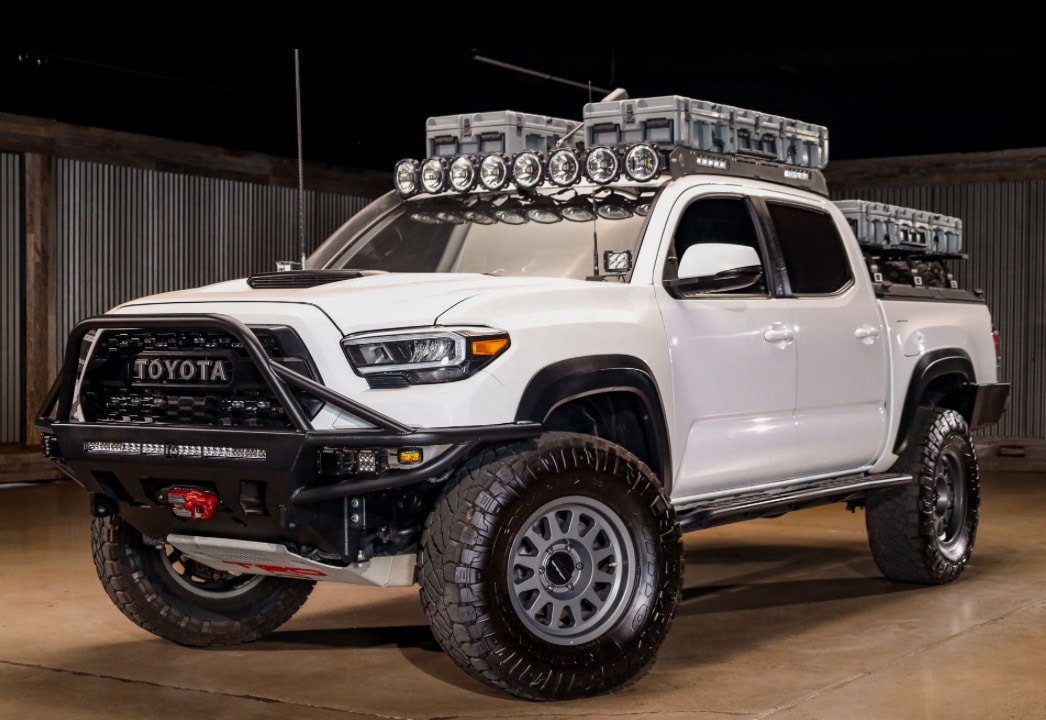
Kauai, the Garden Isle, is a place of breathtaking natural beauty, from its verdant mountains and lush rainforests to its pristine beaches and rugged coastlines. While much of its charm lies in its serene landscapes, navigating this paradise often requires more than just a standard vehicle. This is where the allure of "Kauai lifted trucks" comes into sharp focus. More than just an aesthetic choice, a lifted truck on Kauai is a practical tool, a statement of lifestyle, and a gateway to exploring the island’s most remote and awe-inspiring locations.
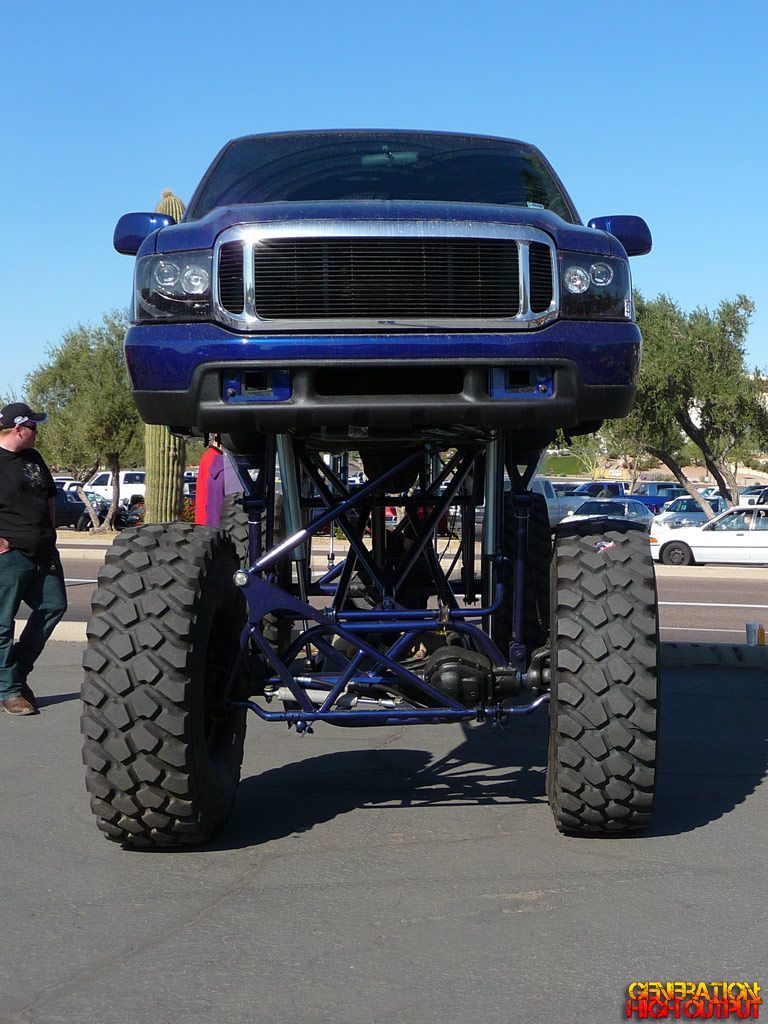
A lifted truck, at its core, is a vehicle whose suspension or body has been modified to sit higher off the ground than its factory specifications. On Kauai, this modification isn’t merely about appearance; it’s about capability. It means the ability to traverse unpaved roads leading to secluded surf breaks, climb steep inclines to panoramic viewpoints, or carry all the gear needed for a day of fishing, camping, or diving without fear of scraping the undercarriage. For many residents and frequent visitors, a lifted truck embodies the spirit of adventure and the practical necessities of island living, making it an indispensable part of the Kauai experience. This comprehensive guide will delve into everything you need to know about Kauai lifted trucks, from their benefits and types to legal considerations, maintenance, and estimated costs.
The Allure and Practicality of Lifted Trucks on Kauai
The reasons behind the popularity of lifted trucks on Kauai are deeply rooted in the island’s unique environment and the active lifestyles of its inhabitants. It’s a blend of necessity, utility, and a distinct sense of personal expression.
Navigating Rugged Terrain: Kauai’s natural beauty often lies off the beaten path. Dirt roads leading to hidden waterfalls, rocky trails to remote beaches, and muddy tracks through agricultural lands are common. A lifted truck provides the crucial ground clearance needed to tackle these obstacles, minimizing the risk of damage to the vehicle’s undercarriage, differential, or exhaust system. This enhanced capability means greater access to the island’s less-traveled gems.
Utility for Island Lifestyle: The Kauai lifestyle is intrinsically linked with outdoor activities. Surfing, fishing, hunting, hiking, and camping are not just hobbies but integral parts of daily life for many. Lifted trucks offer increased cargo capacity and the ability to tow boats, trailers, or ATVs with greater ease over varied terrain. The higher stance also makes loading and unloading bulky gear, like surfboards or paddleboards, more convenient for many.
Aesthetic Appeal and Personal Expression: Beyond functionality, there’s an undeniable aesthetic appeal to a well-executed lifted truck. It projects an image of ruggedness, capability, and individuality. For many, their truck is an extension of their personality and a reflection of their passion for adventure. On an island where outdoor enthusiasts abound, a lifted truck often signifies a shared appreciation for exploration and the freedom to roam.
Community and Culture: There’s a strong truck culture on Kauai, often centered around camaraderie and shared experiences. Lifted truck owners often connect through local events, off-roading excursions, or simply by spotting fellow enthusiasts around the island. It fosters a sense of belonging and a shared passion for their vehicles and the adventures they enable.
Understanding Lift Kits: Types and Components
Choosing the right lift kit is paramount to achieving the desired balance of performance, aesthetics, and safety for your Kauai lifted truck. Lift kits generally fall into a few main categories, each with distinct characteristics and applications.
Types of Lift Kits:
-
Suspension Lift Kits: These are the most comprehensive and popular type of lift, directly altering the vehicle’s suspension geometry to increase ground clearance.
- Components: This can involve replacing coil springs, leaf springs, shocks, control arms, steering components, and sometimes even drive shafts. More advanced kits might include new coilovers, longer sway bar links, and track bars.
- Benefits: Offers true ground clearance, allows for significantly larger tires, improves articulation for off-roading, and can enhance ride quality if high-quality components are chosen.
- Considerations: Generally more expensive and complex to install than body lifts. Can impact factory ride characteristics and require professional alignment.
-
Body Lift Kits: Unlike suspension lifts, body lifts do not modify the suspension. Instead, they use spacers (blocks) to raise the vehicle’s body away from the frame.
- Components: Urethane or aluminum blocks, longer bolts, and sometimes steering shaft extensions.
- Benefits: Less expensive than suspension lifts, easier to install, and maintains the factory ride quality since the suspension remains untouched. Primarily allows for fitting larger tires.
- Considerations: Does not increase ground clearance at the axles or differential. The gap between the frame and body can be visible, and the vehicle’s center of gravity is raised, potentially affecting handling.
-
Leveling Kits: These are a specialized type of suspension modification designed to correct the factory "rake" (where the front of the truck sits lower than the rear) and provide a modest lift.
- Components: Spacers that sit on top of or inside the front coil springs/struts, or replacement torsion keys for torsion bar suspension systems.
- Benefits: Inexpensive, relatively easy to install, and provides a level stance that can accommodate slightly larger tires (typically 1-2 inches taller).
- Considerations: Offers minimal lift, usually only for the front, and doesn’t significantly improve off-road capability beyond what slightly larger tires might provide.
The choice between these kits depends on your budget, intended use (daily driver, occasional off-roader, serious trail rig), desired tire size, and how much you’re willing to modify your truck’s original characteristics.
Benefits of Driving a Lifted Truck on Kauai
The advantages of owning a lifted truck on Kauai extend far beyond mere aesthetics, offering tangible improvements in capability and practicality.
- Enhanced Off-Road Capability: This is arguably the primary benefit. Increased ground clearance means you can navigate over larger rocks, logs, and through deeper ruts without damaging crucial undercarriage components. Improved approach, departure, and breakover angles prevent scraping bumpers or the frame when tackling steep inclines or declines, common on Kauai’s varied trails.
- Accommodates Larger Tires: Lift kits are often installed specifically to fit larger diameter tires. These larger tires, especially those with aggressive all-terrain or mud-terrain tread patterns, provide superior traction on loose dirt, mud, sand, and rocky surfaces – environments frequently encountered on Kauai.
- Improved Visibility: The elevated driving position offers a commanding view of the road and surrounding terrain. This can be beneficial in heavy traffic, for spotting hazards on trails, or simply enjoying the panoramic views as you drive around the island.
- Protection for Undercarriage: By raising the entire vehicle, a lift kit inherently offers more protection to vital components like the transmission, transfer case, differentials, and exhaust system from impacts with obstacles.
- Practicality for Island Life: Whether it’s loading fishing poles and coolers into the bed, hitching up a small boat, or simply having the peace of mind that your vehicle can handle an unexpected detour onto an unpaved road, a lifted truck aligns perfectly with the demands and opportunities of Kauai living.
Legal and Safety Considerations for Lifted Trucks in Hawaii
While the allure of a lifted truck on Kauai is strong, it’s crucial to be aware of the legal and safety implications, particularly concerning Hawaii state laws. Ignorance of these regulations can lead to fines, safety hazards, and even insurance issues.
Hawaii State Regulations:
Hawaii has specific laws regarding vehicle modifications, including maximum bumper heights, frame height, and tire coverage.
- Bumper Height: Maximum bumper height regulations are in place to ensure safety in collisions. These vary by vehicle weight class.
- Frame Height: The maximum frame height is also regulated, generally measured from the ground to the lowest point of the frame.
- Tire Coverage: All tires must be covered by fenders or mud flaps to prevent debris from being thrown onto other vehicles. If larger tires extend beyond the factory fenders, fender flares may be required.
- Headlight Height: Headlights must remain within a certain height range to avoid blinding oncoming drivers. Excessive lift can necessitate adjustments or even specific lighting kits to comply.
- Brake Performance: Any modification that significantly increases tire size or vehicle weight must be accompanied by brake system upgrades if the original brakes are no longer adequate.
It is highly recommended to consult the Hawaii Revised Statutes (HRS) Chapter 291C and the Hawaii Administrative Rules (HAR) Chapter 19-133 for the most current and detailed information on vehicle modification laws. Local automotive shops specializing in lifted trucks on Kauai should also be knowledgeable about these regulations.
Safety Implications:
Lifting a truck inherently alters its factory engineering, leading to several safety considerations:
- Higher Center of Gravity: A lifted truck has a higher center of gravity, which can increase the risk of rollover, especially during sharp turns or evasive maneuvers.
- Braking Performance: Larger, heavier tires can increase braking distances. It’s crucial to ensure your brake system is adequately matched to your vehicle’s new specifications.
- Steering and Handling: Changes in suspension geometry can affect steering precision and overall handling. Proper alignment and quality components are essential to mitigate these effects.
- Tire Pressure and Load: Larger tires often require specific inflation pressures and have different load ratings. Adhering to these is critical for safety and tire longevity.
- Professional Installation: The importance of professional installation cannot be overstated. Incorrectly installed lift kits can lead to component failure, dangerous handling characteristics, and accelerated wear.
Insurance: Inform your insurance provider about any significant modifications to your vehicle. Failure to do so could result in denied claims in the event of an accident. Some insurers may adjust premiums based on modifications.
Choosing the Right Lift Kit and Installer on Kauai
Making informed decisions about your lift kit and where to have it installed is crucial for a successful and safe outcome.
Research and Budgeting:
- Define Your Needs: What do you primarily want your lifted truck for? Serious off-roading, a slightly more aggressive look, or just better clearance for island roads?
- Lift Height: How high do you want to go? Remember that higher lifts often come with more complex modifications and higher costs.
- Kit Quality: Research reputable lift kit manufacturers known for quality and durability. Brands like BDS Suspension, Rough Country, Fabtech, King Shocks, Fox Racing, and Old Man Emu are popular for their diverse offerings.
- Budget: Be realistic about the total cost. This includes the lift kit itself, installation labor, potential new tires and wheels, alignment, and possibly other necessary upgrades like re-gearing or brake components.
Finding a Reputable Installer on Kauai:
While DIY installation is an option for mechanically inclined individuals, professional installation is highly recommended, especially for significant suspension lifts.
- Local Experience: Look for shops on Kauai that specialize in truck modifications and have extensive experience with lift kit installations. They will be familiar with Hawaii’s regulations and the specific challenges of island driving.
- Certifications and Warranties: Inquire about their technicians’ certifications and the warranty offered on both parts and labor.
- Reviews and Referrals: Check online reviews and ask for recommendations from other lifted truck owners on Kauai.
- Alignment Services: Ensure the shop has the capability to perform a proper post-installation alignment, which is critical for handling and tire wear.
- Consultation: A good installer will take the time to understand your needs, explain the options, and provide a detailed quote.
Maintaining Your Lifted Truck on Kauai
A lifted truck, especially one that sees frequent use on Kauai’s varied terrain, requires diligent maintenance to ensure its longevity, safety, and performance. The island’s salty air and often muddy conditions can accelerate wear and tear.
- Regular Inspections: Periodically inspect all suspension components – bushings, ball joints, tie rods, shocks, springs, and steering linkages – for wear, damage, or looseness. Pay close attention after any off-road excursions.
- Alignment: Crucial after any suspension modification and should be checked regularly (e.g., every 6-12 months or after severe impacts). Proper alignment prevents uneven tire wear and ensures predictable handling.
- Tire Care: Rotate and balance your larger tires regularly to promote even wear. Monitor tire pressure frequently, as incorrect pressure can lead to poor handling, reduced fuel economy, and premature tire wear.
- Rust Prevention: The humid, salty air of Kauai is a prime catalyst for rust. Regularly wash your truck, paying special attention to the undercarriage, especially after driving on beaches or through mud. Consider applying rust-preventative coatings.
- Lubrication: Many aftermarket suspension components have grease zerks that require periodic lubrication. Follow the manufacturer’s recommendations.
- Fluid Checks: Monitor all fluid levels, especially differential and transfer case fluids, as they work harder with larger tires and off-road driving.
Challenges and Solutions for Kauai Lifted Trucks
While the benefits are numerous, owning a lifted truck on Kauai comes with its own set of challenges. Understanding these and knowing potential solutions can help you enjoy your vehicle without unnecessary headaches.
- Cost:
- Challenge: The initial investment for a quality lift kit, installation, and potentially new tires and wheels can be significant. Ongoing maintenance might also be more frequent or specialized.
- Solution: Budget carefully. Consider phased upgrades if necessary (e.g., leveling kit first, then a full suspension lift). Factor in increased fuel costs and maintenance. Research cost-effective yet reliable brands.
- Ride Quality:
- Challenge: Some lift kits, particularly those with stiff springs or basic shocks, can result in a harsher or less comfortable ride than stock.
- Solution: Invest in high-quality shocks and coilovers. Many premium kits are designed to improve or maintain ride comfort. Discuss ride preferences with your installer.
- Fuel Economy:
- Challenge: Larger, heavier tires and increased aerodynamic drag (due to higher stance) will almost certainly reduce your truck’s fuel efficiency.
- Solution: This is largely unavoidable. Accept it as part of the package. Consider re-gearing the differentials if you install significantly larger tires; this can help restore some of the lost performance and efficiency by bringing the engine back into its optimal RPM range.
- Parking and Garage Clearance:
- Challenge: A lifted truck can be too tall for some parking garages, carports, or even home garages.
- Solution: Measure your truck’s total height after the lift. Be mindful of clearance signs and plan parking accordingly.
- Increased Wear and Tear:
- Challenge: Lifting a truck can put additional stress on certain components, potentially leading to accelerated wear of ball joints, tie rod ends, and CV joints.
- Solution: Use high-quality aftermarket components designed for lifted applications. Adhere strictly to the recommended maintenance schedule, and address any issues promptly.
Conclusion
Kauai lifted trucks represent a fusion of passion, practicality, and performance perfectly suited for the Garden Isle’s unique environment. They are more than just vehicles; they are tools that unlock greater access to Kauai’s hidden gems, enabling adventures that standard vehicles simply cannot reach. From navigating rugged trails to hauling gear for a day at the beach, a lifted truck embodies the spirit of exploration and the robust lifestyle prevalent on the island.
However, the journey to owning a Kauai lifted truck is one that requires careful consideration. Understanding the different types of lift kits, adhering to Hawaii’s specific legal regulations, prioritizing safety through professional installation, and committing to regular, diligent maintenance are all crucial steps. While challenges such as cost, potential impacts on ride quality, and fuel economy exist, the benefits of enhanced capability, improved visibility, and the undeniable aesthetic appeal often outweigh these considerations for those who embrace the Kauai way of life. Ultimately, a well-chosen and properly maintained lifted truck can significantly enrich your experience on this breathtaking island, allowing you to truly explore its beauty without limits.
Estimated Cost Guide for Kauai Lifted Trucks Components & Services
Please note: Prices are estimates and can vary significantly based on brand, quality of components, complexity of installation, and specific shop rates on Kauai. This table provides a general range for common services and parts.
| Item/Service | Description | Estimated Price Range (USD) |
|---|---|---|
| Leveling Kit | Lifts front of truck to match rear height, minor tire increase. | $150 – $400 |
| Body Lift Kit (1-3 inch) | Lifts vehicle body from frame, no suspension change, for larger tires. | $200 – $600 |
| Small Suspension Lift (2-3 inch) | Basic suspension lift for mild off-roading, up to 33" tires. | $500 – $1,500 |
| Medium Suspension Lift (4-6 inch) | More aggressive lift, significant ground clearance, 35"-37" tires. | $1,500 – $4,000+ |
| Large Suspension Lift (6+ inch) | Extreme off-road capability, highly specialized, for 37"+ tires. | $4,000 – $10,000+ |
| Installation Labor (Basic Lift) | Professional installation of standard lift kit (e.g., 2-3 inch). | $500 – $1,000 |
| Installation Labor (Complex Lift) | Professional installation of advanced or larger lift kits (4+ inch). | $1,000 – $2,500+ |
| Wheel Alignment | Essential post-lift alignment for proper handling and tire wear. | $100 – $250 |
| New All-Terrain Tires (Set of 4) | For 33" to 37" diameter, depending on lift height. | $1,000 – $3,000+ |
| New Aftermarket Wheels (Set of 4) | To accommodate larger tires and desired offset. | $800 – $2,500+ |
| Re-gearing (per axle) | Adjusting differential gears to optimize performance with larger tires. | $1,000 – $3,000 |
| Fender Flares (Set) | To cover wider tires and comply with tire coverage laws. | $200 – $800 |
| Extended Brake Lines | Often required for larger suspension lifts to prevent strain. | $150 – $400 |
| Driveshaft Modifications (if needed) | For extreme lifts, to correct driveline angles. | $300 – $1,000+ |
Frequently Asked Questions (FAQ) about Kauai Lifted Trucks
Q1: What are the legal height limits for lifted trucks in Hawaii (including Kauai)?
A1: Hawaii has specific regulations regarding maximum bumper height, frame height, and tire coverage, which vary by vehicle weight class. It’s crucial to consult the Hawaii Revised Statutes (HRS) and Hawaii Administrative Rules (HAR) or speak with a knowledgeable local installer on Kauai for the most current and detailed information to ensure compliance.
Q2: How much does it cost to lift a truck on Kauai?
A2: The cost varies widely based on the type of lift kit (leveling, body, suspension), desired lift height, brand quality, whether new tires/wheels are needed, and installation labor. A basic leveling kit might cost a few hundred dollars, while a comprehensive suspension lift with new tires and professional installation could range from $3,000 to over $10,000. Refer to our "Estimated Cost Guide" above for more details.
Q3: Will lifting my truck void my warranty?
A3: It depends on the manufacturer and the specific components modified. Generally, modifications directly related to the lift kit (e.g., suspension components) might void the warranty for those specific parts. However, the Magnuson-Moss Warranty Act prevents manufacturers from voiding your entire warranty for an aftermarket part unless they can prove the aftermarket part caused the failure. Always check with your dealership or manufacturer before making significant modifications.
Q4: Do I need new tires and wheels after lifting?
A4: For most suspension lifts (especially 2 inches or more), yes. Lift kits are often installed to accommodate larger tires, which require appropriate wheel size and offset. Even with a leveling kit, you might be able to fit slightly larger tires without new wheels, but it’s important to check for rubbing.
Q5: How does lifting affect fuel economy?
A5: Lifting a truck and installing larger, heavier tires almost always negatively impacts fuel economy. The increased weight, rolling resistance, and aerodynamic drag contribute to lower MPG. Re-gearing the differentials can help mitigate some of the performance loss but won’t fully restore original fuel efficiency.
Q6: Is it safe to lift my truck myself?
A6: While technically possible for experienced DIYers, professional installation is highly recommended, especially for complex suspension lifts. Incorrect installation can lead to dangerous handling, premature component failure, and issues with alignment and tire wear. Professionals have the right tools, experience, and knowledge of proper torque specifications and Hawaii’s regulations.
Q7: What kind of maintenance does a lifted truck require?
A7: Lifted trucks require more diligent maintenance than stock vehicles. This includes regular inspections of all suspension components, frequent wheel alignments, diligent tire care (rotation, balancing, pressure checks), and attention to rust prevention, especially in Kauai’s humid, salty environment. Lubrication of specific aftermarket components is also often necessary.
Q8: Are lifted trucks harder to drive?
A8: A properly installed and aligned lift kit should not make a truck significantly "harder" to drive. However, you will notice a higher center of gravity, which means less stable handling in sharp turns, and potentially a stiffer ride depending on the components. Parking and entering low-clearance areas will also require more awareness.
For more specific information on Hawaii’s vehicle modification laws or to find reputable local installers on Kauai, it is advisable to visit official Hawaii state government websites (e.g., Department of Transportation) or search online for "Hawaii vehicle modification laws" and "Kauai lift kit installers".