Lifted Trucks Kits: A Comprehensive Guide to Elevating Your Ride
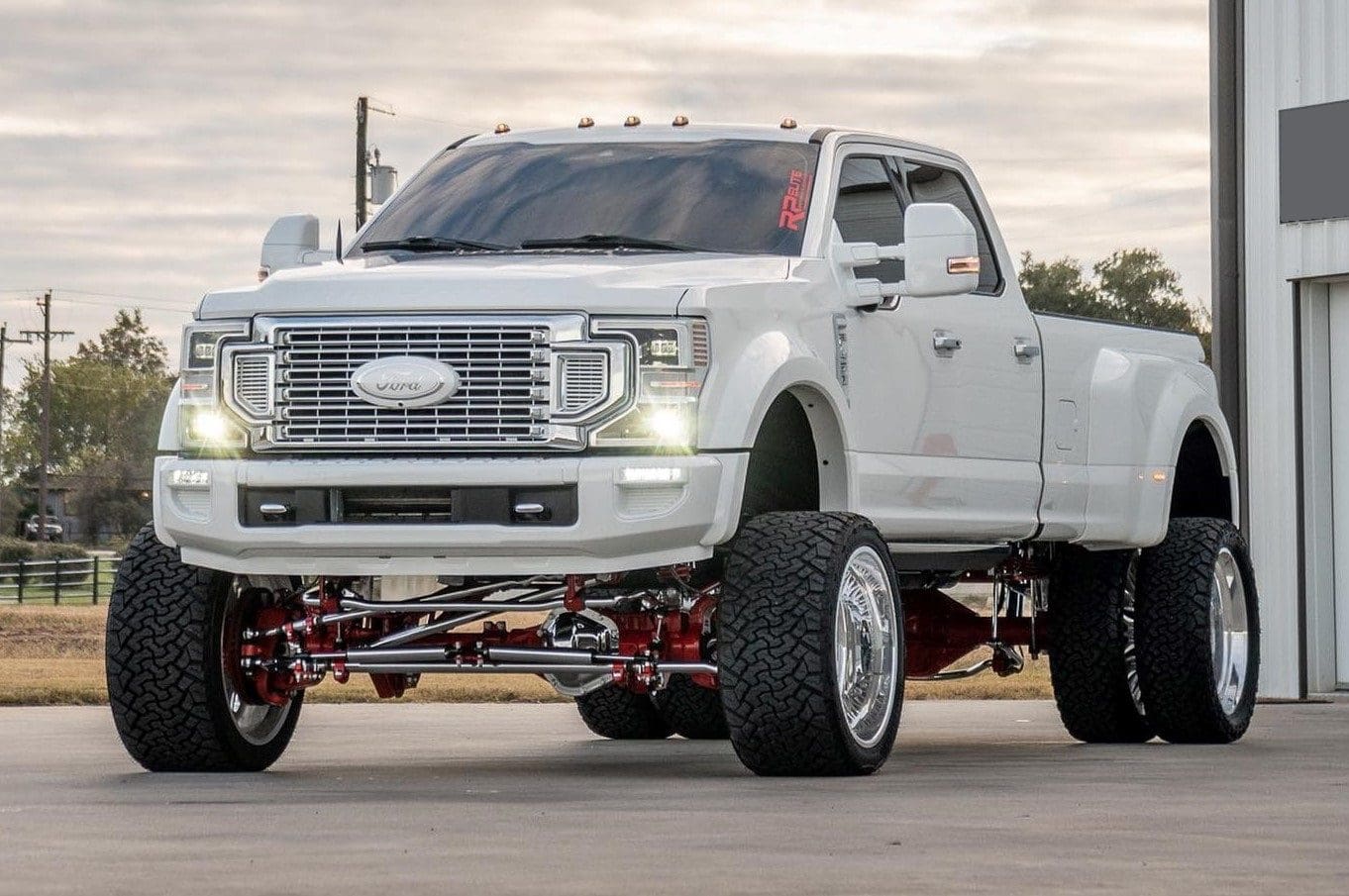
Lifted Trucks Kits: A Comprehensive Guide to Elevating Your Ride
For truck enthusiasts, the allure of a commanding presence, enhanced off-road prowess, and the ability to conquer challenging terrain often leads to one significant modification: installing a lift kit. Lifted trucks kits are engineered packages of components designed to increase a truck’s ground clearance, allowing for larger tires, improved aesthetics, and superior performance in demanding environments. Far more than just a cosmetic upgrade, choosing and installing the right lift kit is a transformative process that requires careful consideration of various factors, from the type of lift to the intended use of the vehicle. This detailed guide will explore everything you need to know about lifted trucks kits, helping you make informed decisions to elevate your truck to new heights.
Understanding Lift Kits: Suspension vs. Body Lifts
When delving into the world of lifted trucks kits, it’s crucial to understand the fundamental differences between the two primary types: suspension lifts and body lifts. Each achieves a lift in a distinct way, with varying implications for performance, installation, and cost.
Suspension Lift Kits
Suspension lift kits are designed to raise the vehicle by modifying or replacing components of the truck’s suspension system. This type of lift directly increases the distance between the axles and the frame, thereby enhancing ground clearance under the vehicle’s critical components like the differential and transfer case.
- How they work: These kits typically involve replacing or modifying shocks, springs (coil or leaf), control arms, radius arms, steering knuckles, and sometimes requiring new driveshafts or brake line extensions. By changing these parts, the entire suspension geometry is altered to accommodate the new, higher ride height.
- Benefits: Superior off-road capability due to increased articulation and ground clearance, better handling of larger tires, and often an improved ride quality compared to stock (depending on the kit).
- Considerations: Generally more complex and expensive to install, potentially impacting factory warranty, and requiring professional alignment after installation.
Body Lift Kits
In contrast, body lift kits achieve their lift by raising the truck’s body higher off its frame, without altering the suspension components.
- How they work: These kits consist of composite or aluminum spacers that are placed between the truck’s cab/bed and the frame rails. Longer bolts are then used to secure the body to the frame at the new elevated position. Steering shaft extensions and bumper relocation brackets are often included to ensure proper function and appearance.
- Benefits: More affordable and simpler to install than suspension lifts, they primarily create space for larger tires without significantly changing the vehicle’s center of gravity or suspension geometry.
- Considerations: They do not increase ground clearance under the axles (the lowest point of the truck), and the gap between the body and frame can be noticeable if not addressed with gap guards.
The Undeniable Benefits of Installing a Lift Kit
The decision to invest in lifted trucks kits is often driven by a combination of practical advantages and aesthetic desires.
- Enhanced Off-Road Capability: This is perhaps the most significant benefit. Greater ground clearance means you can navigate over rocks, logs, and uneven terrain without scraping vital undercarriage components. Improved approach, departure, and break-over angles allow for tackling steeper obstacles.
- Accommodation for Larger Tires: A primary reason many opt for a lift kit is to fit bigger, more aggressive tires. Larger tires not only look impressive but also provide increased traction, flotation in mud or sand, and further boost ground clearance.
- Commanding Aesthetics: A lifted truck simply looks more aggressive and imposing. The elevated stance and muscular profile make a statement, reflecting a rugged and capable persona.
- Improved Visibility: Driving a lifted truck provides a higher vantage point, offering a better view of the road and surrounding traffic, which can be beneficial in certain driving situations.
- Increased Payload/Towing Capacity (with heavy-duty kits): Some specialized heavy-duty suspension lift kits are designed not only for lift but also to bolster the truck’s carrying and towing capabilities, making them ideal for work trucks or those frequently hauling heavy loads.
Exploring the Spectrum of Lifted Truck Kits
Lifted trucks kits come in various sizes and configurations, catering to different needs and budgets.
- Leveling Kits (1-2.5 inches): These are the simplest form of lift, designed to eliminate the factory "rake" (where the front of the truck sits lower than the rear). They typically consist of spacers for the front coil springs or torsion bar keys. Ideal for achieving a level stance and fitting slightly larger tires without extensive modifications.
- Mild Suspension Lifts (2-3.5 inches): These kits offer a noticeable increase in ride height, often including new shocks, coil spacers or springs, and rear blocks or add-a-leaf kits. They are excellent for daily drivers who want a more aggressive look and improved capability for light to moderate off-roading.
- Moderate Suspension Lifts (4-6 inches): This category represents a significant upgrade, providing substantial ground clearance and tire capacity. These kits typically involve more extensive component replacement, such as new control arms, drop brackets for suspension components, longer brake lines, and sometimes driveline modifications to correct angles.
- Extreme Suspension Lifts (6+ inches): Reserved for dedicated off-road machines or show trucks, these kits involve a complete overhaul of the suspension system, often requiring custom fabrication, significant driveline modifications (e.g., new driveshafts, transfer case drops), and substantial budget.
- Body Lift Kits (1-3 inches): As discussed, these are distinct from suspension lifts and are primarily for gaining tire clearance without affecting suspension performance.
For those looking to compare options and find the perfect fit, exploring a range of available products is key. You can find more information on various lifted trucks kits here.
Essential Components of a Lift Kit
Understanding the parts included in lifted trucks kits helps in appreciating their complexity and function.
- Shocks: Critical for damping suspension movement and controlling ride quality. Lift kits often include longer shocks to accommodate increased travel.
- Springs (Coil/Leaf): Replaced or supplemented with spacers/blocks to achieve the desired lift height and often improve load-carrying capacity or ride quality.
- Control Arms/Radius Arms: Extended or relocated to maintain proper suspension geometry and alignment at the new ride height.
- Drop Brackets: Used to lower mounting points for components like control arms, sway bars, or the transfer case to correct driveline angles and maintain geometry.
- Steering Knuckles/Spindles: Replaced in some kits to maintain proper steering angles and alignment.
- Brake Line Extensions: Necessary to ensure brake lines aren’t stretched or damaged at full suspension droop.
- Sway Bar Links: Longer links maintain the effectiveness of the sway bar at the lifted height.
- Track Bar: Often relocated or replaced with an adjustable one to keep the axle centered under the vehicle.
- Driveshaft Modifications: Essential for larger lifts to correct driveline angles and prevent vibration or damage to U-joints/CV joints.
- Body Spacers/Bumper Relocation Brackets: Specific to body lift kits, these raise the body and reposition bumpers to maintain a factory appearance.
Critical Considerations Before Lifting Your Truck
Before committing to lifted trucks kits, it’s imperative to weigh several factors to ensure satisfaction and safety.
- Budget: This extends beyond just the kit itself. Factor in professional installation costs, new tires and wheels (often necessary), potential driveline modifications, and future maintenance.
- Intended Use: Will your truck be a daily driver, a weekend warrior, or an extreme off-road rig? Your answer will dictate the type and extent of the lift kit required.
- Tire Size: Determine the maximum tire size you wish to run, as this will directly influence the amount of lift needed.
- Drivetrain Impacts: Lifting a truck can alter steering geometry, driveline angles, and put increased stress on components like CV joints and universal joints. Quality kits address these issues, but cheaper kits may lead to premature wear.
- Warranty Implications: Installing a lift kit can potentially void parts of your truck’s factory warranty, especially those related to the suspension and drivetrain. Check with your dealer before making a purchase.
- Legality and Safety: Lift height regulations vary by state and country. Ensure your chosen lift complies with local laws. A higher center of gravity can also affect handling and stability, requiring a more cautious driving style.
- Ride Quality and Handling: While many quality kits aim to improve ride, a lift can sometimes result in a stiffer ride or altered handling characteristics. Research reviews specific to your truck model and kit.
Installation: DIY vs. Professional Expertise
Installing lifted trucks kits can range from a relatively straightforward process for leveling kits to an extremely complex undertaking for extreme suspension lifts.
- DIY Installation: For those with mechanical aptitude, the right tools, and a comprehensive understanding of their vehicle’s suspension, installing simpler kits (like leveling or body lifts) can be a rewarding and cost-saving endeavor. However, safety is paramount, and precise torque specifications, alignment adjustments, and proper component installation are critical.
- Professional Installation: For moderate to extreme suspension lifts, professional installation is highly recommended. Experienced shops have specialized tools, knowledge of proper suspension geometry, and the ability to perform crucial post-installation tasks like alignment and driveline adjustments. While more expensive, it provides peace of mind, ensures safety, and often comes with a warranty on the installation.
Price Table: Lifted Trucks Kits (Estimated Costs)
Please note that these are estimated price ranges and can vary significantly based on truck make/model, brand of kit, region, and specific components included. Prices typically do not include the cost of new tires and wheels, which are often a necessary additional expense.
| Kit Type | Lift Height Range | Typical Components | Estimated Kit Price Range (USD) | Estimated Installation Cost (USD) | Total Estimated Cost Range (USD) | Key Considerations |
|---|---|---|---|---|---|---|
| Leveling Kit | 1-2.5 inches | Spacers, Torsion Keys, (sometimes Shocks) | $100 – $400 | $200 – $500 | $300 – $900 | Easiest install, levels truck’s stance, minor tire upgrade |
| Body Lift Kit | 1-3 inches | Body spacers, bumper relocation brackets | $200 – $600 | $400 – $1000 | $600 – $1600 | Only lifts body, not suspension; good for tire clearance |
| Mild Suspension | 2-3.5 inches | Shocks, Coils/Spacers, Leaf Springs/Blocks | $500 – $1,500 | $500 – $1,200 | $1,000 – $2,700 | Improved ground clearance, better ride than stock, larger tires |
| Moderate Suspension | 4-6 inches | Shocks, Coils/Springs, Control Arms, Drop Brackets, Brake Lines | $1,500 – $3,500 | $800 – $2,000 | $2,300 – $5,500 | Significant off-road capability, major aesthetic change |
| Extreme Suspension | 6+ inches | Full suspension overhaul, Custom Fabrication | $3,000 – $10,000+ | $1,500 – $4,000+ | $4,500 – $14,000+ | Serious off-roading, extensive modifications required |
Frequently Asked Questions (FAQ) about Lifted Trucks Kits
Q: Will a lift kit void my truck’s warranty?
A: It depends on the specific warranty and the components affected. Generally, if a lift kit causes a failure, the manufacturer may deny warranty coverage for that specific component. It’s best to check with your dealership beforehand.
Q: Do I need new tires and wheels with a lift kit?
A: While not always strictly necessary for smaller lifts, most people install lifted trucks kits specifically to accommodate larger tires and often new wheels for a complete look and improved performance. For moderate to extreme lifts, larger tires are almost always required.
Q: How does a lift kit affect my truck’s handling and ride quality?
A: A lift kit raises the truck’s center of gravity, which can affect handling characteristics, especially during cornering. Quality kits are designed to minimize negative impacts and can even improve ride quality over stock, but cheaper kits might lead to a stiffer ride or more unpredictable handling.
Q: Can I install a lift kit myself?
A: Yes, if you have the mechanical skills, proper tools, and follow instructions carefully, you can install simpler kits (leveling or body lifts). However, for complex suspension lifts, professional installation is highly recommended to ensure safety and proper vehicle dynamics.
Q: What’s the main difference between a body lift and a suspension lift?
A: A body lift raises the truck’s body off the frame using spacers, primarily to fit larger tires without affecting suspension. A suspension lift modifies the actual suspension components, increasing ground clearance under the axles and improving off-road performance.
Q: Are lifted trucks legal everywhere?
A: No, regulations regarding maximum lift height and tire protrusion vary significantly by state and local jurisdiction. Always check your local laws before modifying your truck.
Q: How long does it take to install a lift kit?
A: Installation time varies widely. A simple leveling kit might take a few hours, while a complex suspension lift could take a professional shop a full day or even several days. DIY installation will generally take longer.
Conclusion
Lifted trucks kits offer an exciting avenue for truck owners to customize their vehicles for both aesthetics and performance. Whether you’re aiming for a subtle leveling, enhanced off-road capability, or a truly commanding presence, there’s a lift kit out there for you. The journey to a lifted truck requires careful research, a clear understanding of your needs, and an appreciation for the mechanical intricacies involved. By making informed choices about the type of kit, its components, and whether to pursue DIY or professional installation, you can ensure your elevated ride is not only impressive but also safe, reliable, and perfectly suited to your adventures. Embrace the transformation and enjoy the enhanced capabilities that lifted trucks kits bring to your driving experience.