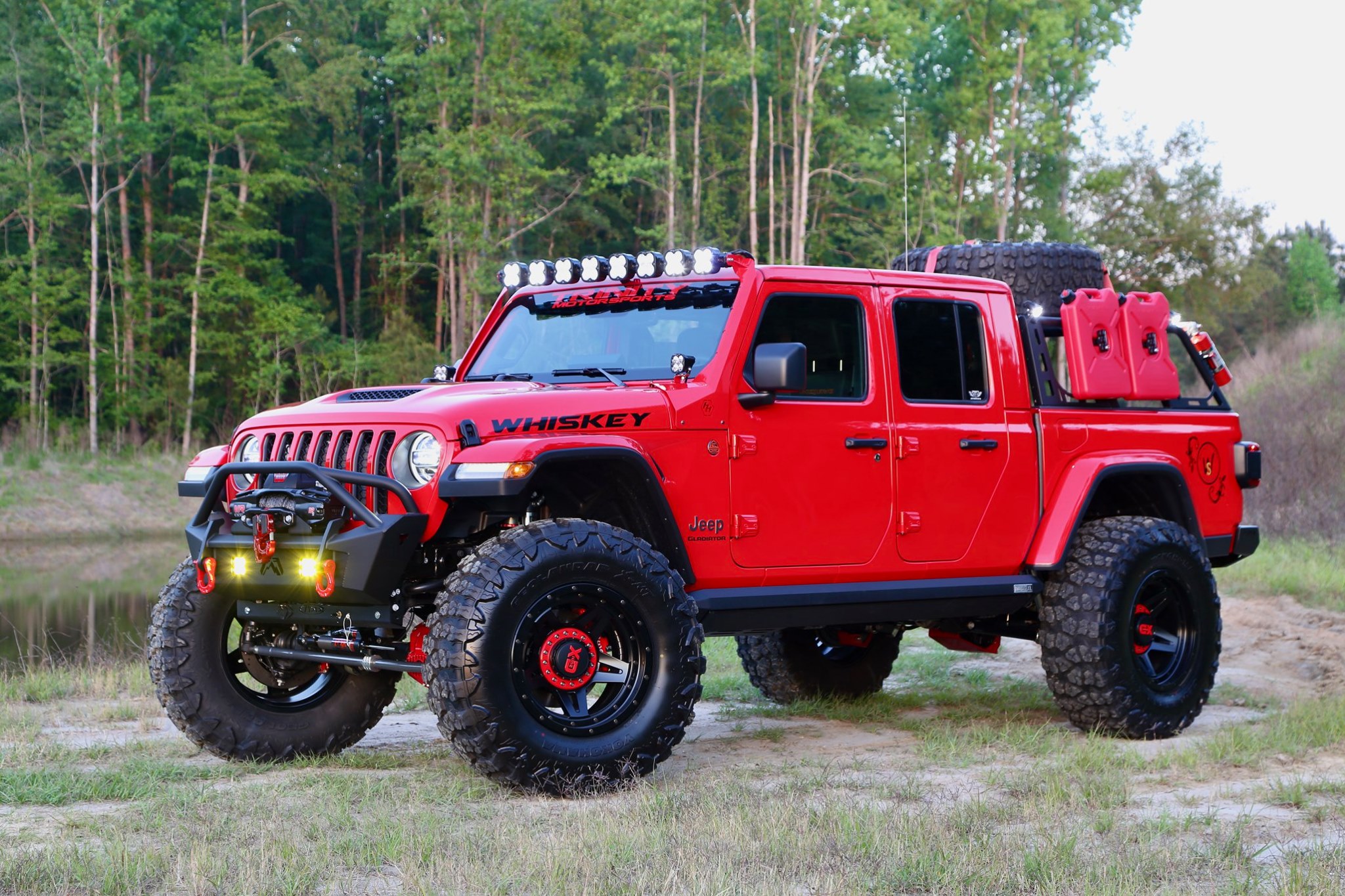
Lifted Trucks Jeep Gladiator: Elevating Your Adventure
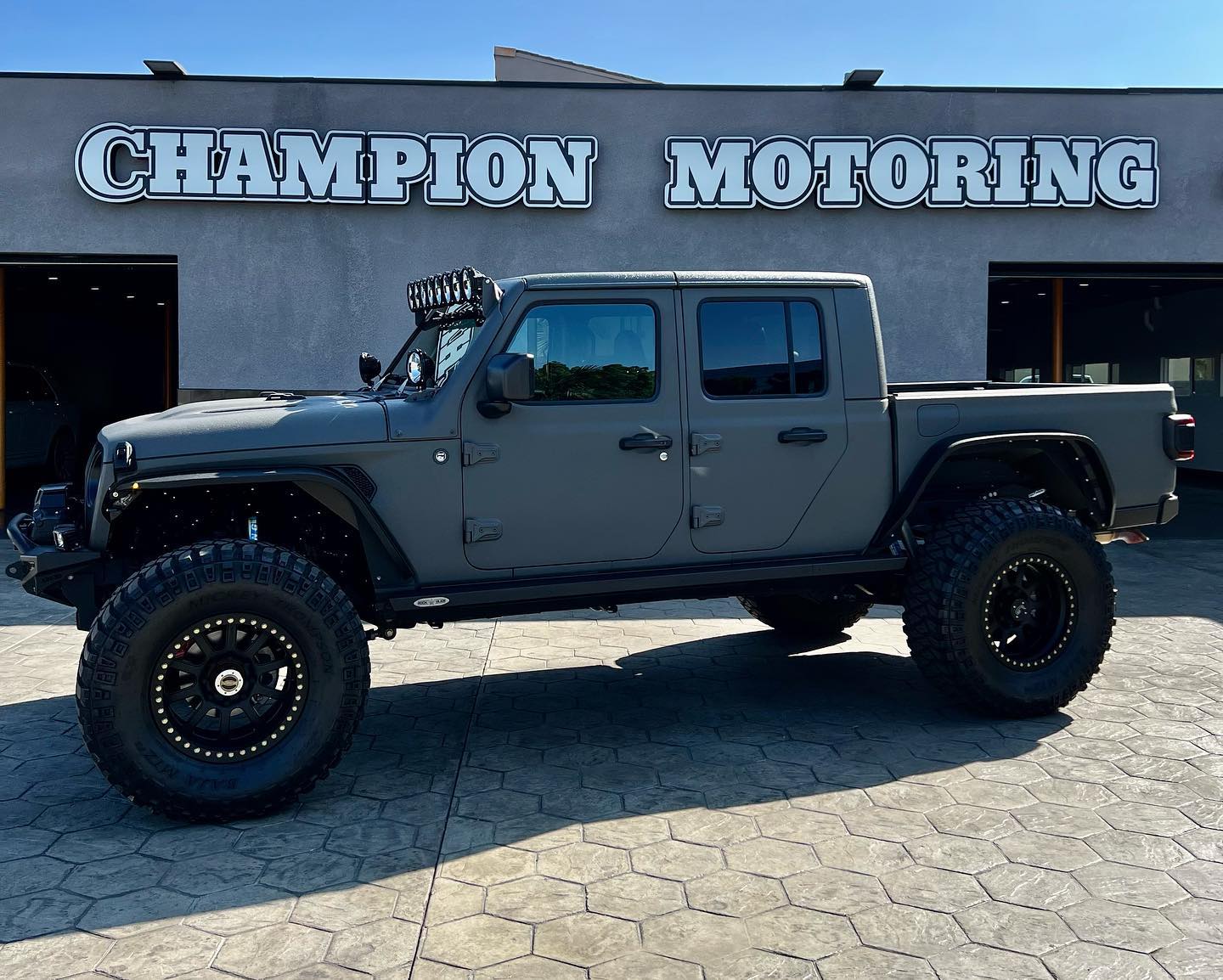
Lifted Trucks Jeep Gladiator: Elevating Your Adventure
The Jeep Gladiator is a marvel of modern engineering, seamlessly blending the rugged capability of a Wrangler with the practicality of a pickup truck. But for many enthusiasts, "stock" is just the starting point. Enter the world of lifted trucks Jeep Gladiator – a modification that transforms an already formidable vehicle into an even more imposing and capable off-road beast. Lifting a Gladiator isn’t just about aesthetics; it’s a statement of intent, a commitment to conquering more challenging terrains, and an expression of individual style. This comprehensive guide will delve into every aspect of lifting your Jeep Gladiator, from the initial allure to the practical considerations, ensuring you’re well-equipped to elevate your adventure.
The Allure of the Lifted Gladiator: Why Go Higher?
The decision to lift a Jeep Gladiator stems from a blend of practical benefits and undeniable visual appeal. It’s about more than just adding height; it’s about unlocking a new level of performance and presence.
Enhanced Off-Road Capability
This is arguably the most significant functional benefit. Lifting your Gladiator directly translates to:
- Increased Ground Clearance: Crucial for clearing obstacles like large rocks, fallen logs, deep ruts, and preventing undercarriage damage. This allows you to navigate more aggressive trails with confidence.
- Improved Approach, Departure, and Breakover Angles: These angles determine how steep an incline or decline your vehicle can tackle without scraping its front bumper, rear bumper, or belly. A lift significantly improves all three, reducing the risk of getting stuck or damaging body panels.
- Ability to Fit Larger Tires: A lift provides the necessary clearance for bigger, more aggressive off-road tires. Larger tires further increase ground clearance and offer superior traction, flotation, and sidewall strength for challenging environments.
Commanding Aesthetics and Presence
There’s no denying the visual impact of a lifted Gladiator. It exudes an aggressive, purposeful stance that turns heads. The elevated ride height, combined with larger tires, gives the truck a more formidable and imposing presence, reflecting its enhanced capabilities. It’s a powerful form of personalization that makes your Gladiator truly stand out from the crowd.
Improved Visibility
A higher driving position offers a broader perspective of the road and trail ahead. This improved vantage point can be beneficial in various driving conditions, especially when navigating crowded urban environments or technical off-road trails where foresight is key.
Personalization and Expression
Lifting your Gladiator is a canvas for self-expression. It allows owners to customize their vehicle to suit their specific needs, preferences, and the type of adventures they pursue. From mild lifts for daily driving with a touch of aggression to extreme builds for rock crawling, the possibilities are vast.
Understanding Lift Kits: Types and Components
Choosing the right lift kit is the most critical decision in the lifting process. Kits vary widely in design, complexity, cost, and the performance they deliver.
Types of Lift Kits
-
Spacer Lifts (Leveling Kits):
- What they are: These are the simplest and most affordable lift options. They consist of spacers (pucks) made of aluminum, polyurethane, or steel that are installed above or below your factory coil springs or between the spring and the top hat of the strut assembly.
- Benefits: Inexpensive, easy to install, maintain factory ride quality, often used to level the front of the truck with the rear.
- Drawbacks: Don’t improve suspension articulation or travel, primarily for aesthetics or mild tire clearance.
- Lift Range: Typically 0.75 inches to 2.5 inches.
-
Coil Spring Lifts:
- What they are: These kits replace your factory coil springs with longer, often stiffer, aftermarket springs. They might also include new shocks.
- Benefits: Improved ride quality over spacers (depending on shock choice), better articulation, and more durable than spacers.
- Drawbacks: More expensive than spacers, can slightly alter ride quality.
- Lift Range: Typically 2.5 inches to 3.5 inches.
-
Full Suspension System Lifts:
- What they are: These are comprehensive kits that replace a multitude of factory suspension components. They often include new coil springs, shocks (or coilovers), control arms (upper and lower), track bars, sway bar links, brake line extensions, and bump stops.
- Benefits: Engineered to correct suspension geometry for optimal performance and ride quality, significantly improved articulation, increased wheel travel, and the ability to run very large tires.
- Drawbacks: Most expensive option, complex installation, can drastically change ride characteristics.
- Lift Range: Typically 3.5 inches to 6 inches or more.
-
Body Lifts (Less Common for Gladiators):
- What they are: These kits use spacers to raise the body of the truck off the frame, without affecting the suspension components.
- Benefits: Very affordable, maintains factory ride quality, good for tire clearance without changing suspension geometry.
- Drawbacks: Does not increase ground clearance (only the body is lifted), gap between body and frame can be visible, can complicate bumper/slider installation. Generally less popular for Gladiators focused on off-road performance.
Key Components in a Suspension Lift Kit
- Coil Springs: Provide the lift height.
- Shocks/Dampers: Control spring rebound and compression, crucial for ride comfort and handling.
- Control Arms (Upper & Lower): Connect the axle to the frame, managing axle movement. Lift kits often include longer or adjustable control arms to correct caster angles.
- Track Bar: Locates the axle laterally under the vehicle. Lift kits require longer or adjustable track bars to re-center the axle.
- Sway Bar Links: Connect the sway bar to the axle. Longer links are needed to maintain proper sway bar function at increased ride height.
- Bump Stops: Prevent suspension components from bottoming out. Extended bump stops are often necessary with a lift.
- Brake Line Extensions: Longer brake lines may be required to prevent stretching or damage at full suspension droop.
The "How-To" of Lifting Your Gladiator: A Step-by-Step Overview
While a full DIY guide is beyond the scope here, understanding the general process is crucial.
- Define Your Goals & Research: Before buying, determine your desired lift height, tire size, budget, and primary use (daily driver, weekend warrior, hardcore off-roader). Read reviews, watch videos, and consult forums.
- Choose the Right Kit: Based on your research and goals, select a kit that aligns with your needs. Consider brands known for quality and Gladiator-specific kits (e.g., TeraFlex, AEV, Rock Krawler, BDS, Rough Country, Mopar).
- Professional Installation vs. DIY:
- DIY: Possible for basic spacer lifts if you have mechanical experience, proper tools, and a safe workspace. Be prepared for challenges.
- Professional: Recommended for coil spring and full suspension kits. A reputable off-road shop or dealership (especially for Mopar lifts) has the expertise and specialized tools to ensure proper installation, alignment, and safety.
- The Installation Process (Simplified):
- Safely lift and support the vehicle on jack stands.
- Remove wheels and disconnect various factory suspension components (shocks, sway bar links, track bar, control arms).
- Remove existing coil springs and shocks.
- Install new lift kit components, ensuring proper orientation and torque specifications.
- Reconnect all components, installing longer brake lines or extensions if necessary.
- Lower the vehicle, bounce it to settle the suspension, and then re-torque all bolts.
- Professional Alignment: This is non-negotiable after any suspension modification. An alignment ensures correct caster, camber, and toe settings, preventing premature tire wear, poor handling, and potential "death wobble."
Important Considerations Before Lifting
Lifting your Gladiator is a significant modification with several implications you must understand.
- Cost: Beyond the kit itself, consider installation labor, larger tires, new wheels (often required for proper backspacing), and potential re-gearing.
- Tire Size and Gearing: Larger tires reduce effective gear ratio, impacting acceleration, towing performance, and fuel economy. For tires 35 inches or larger, re-gearing the axles to a lower ratio (e.g., 4.56, 4.88, or 5.13) is highly recommended to restore performance and reduce stress on the drivetrain.
- Drivetrain and Suspension Geometry: Lifting changes the angles of drive shafts, control arms, and steering components. Quality lift kits are designed to correct these angles, but improper installation or cheap kits can lead to premature wear on U-joints, CV joints, ball joints, and tie rod ends.
- Ride Quality and Handling: A lift can alter your Gladiator’s ride. Some kits improve it, while others might result in a stiffer or bouncier ride. A higher center of gravity also affects on-road handling, particularly around corners.
- Warranty Implications: Aftermarket modifications can potentially void portions of your factory warranty related to the modified components. Mopar performance lift kits, when installed by a certified dealer, often maintain the factory warranty. Always check with your dealership.
- Legality: Vehicle modification laws vary by state and municipality. Be aware of local regulations regarding maximum vehicle height, tire protrusion, and fender flare requirements.
- Safety: A higher center of gravity can increase the risk of rollovers if not driven appropriately. Ensure all components are installed correctly and maintained.
Maximizing Your Lifted Gladiator’s Potential: Tips & Accessories
Once your Gladiator is lifted, consider these additions and practices to truly unleash its capabilities.
- Proper Tires & Wheels: Invest in high-quality off-road tires that match your intended use (mud-terrain, all-terrain). Ensure wheels have appropriate backspacing to prevent tires from rubbing on suspension components.
- Armor & Protection: With increased capability comes the desire to tackle tougher trails. Skid plates for the oil pan, transmission, transfer case, and fuel tank, along with rock sliders, are vital for protecting your investment.
- Winch: A recovery winch is an essential piece of equipment for any serious off-roader, providing a way out of sticky situations.
- Auxiliary Lighting: LED light bars and pod lights significantly improve visibility during nighttime off-roading.
- Regular Maintenance: Routinely inspect all suspension components, torque bolts, check for wear and tear, and keep your alignment in check.
- Learn Off-Road Driving Techniques: A lifted Gladiator is capable, but driver skill is paramount. Take an off-road driving course or learn from experienced enthusiasts to safely utilize your vehicle’s newfound abilities.
Potential Challenges and Solutions
Even with the best planning, challenges can arise.
- Death Wobble: A violent, uncontrolled shaking of the front end, often triggered by hitting a bump. It’s usually caused by worn steering or suspension components, incorrect alignment (especially caster), or loose bolts. Solution: Diagnose and replace worn parts (track bar, ball joints, tie rod ends), ensure proper alignment, and use quality steering stabilizers.
- Increased Fuel Consumption: Larger tires and the added weight of a lift kit will reduce MPG. Solution: Re-gearing helps mitigate the impact, and mindful driving habits can conserve fuel.
- Entry/Exit Difficulty: Getting in and out of a lifted Gladiator can be a stretch. Solution: Install Mopar or aftermarket side steps/rock sliders.
- Parking Clearance: Be aware of your new vehicle height for parking garages, drive-thrus, and low overhangs. Solution: Measure your exact height post-lift.
- Warranty Concerns: As mentioned, verify warranty coverage with your dealer. Solution: Consider Mopar-specific lift kits installed by a dealer to retain warranty.
Practical Advice and Actionable Insights
- Define Your "Why": Clearly understand why you want to lift your Gladiator. Is it for aggressive looks, extreme off-roading, or a balance of both? This will guide your kit choice.
- Budget Beyond the Kit: Factor in installation costs, alignment, and potentially new tires, wheels, and re-gearing. These often exceed the cost of the lift kit itself.
- Prioritize Quality: Don’t cut corners on critical suspension components. Investing in a reputable brand will pay off in performance, durability, and safety.
- Professional Installation for Complex Lifts: Unless you’re an experienced mechanic, entrust coil spring and full suspension kits to professionals. The cost is worth the peace of mind.
- Always Get an Alignment: This cannot be stressed enough. It’s vital for safety, handling, and tire longevity.
- Understand Trade-offs: A more aggressive lift often means a stiffer ride and more maintenance. Be prepared for these changes.
Price Table: Estimated Costs for Lifted Trucks Jeep Gladiator
| Component/Service | Description | Estimated Price Range (USD) |
|---|---|---|
| Lift Kits | ||
| Spacer/Leveling Kit (0.75-2.5") | Simple spacers for mild lift/leveling | $100 – $400 |
| Coil Spring Lift (2.5-3.5") | New coil springs, often with shocks | $500 – $1,500 |
| Full Suspension Lift (3.5-6"+) | Comprehensive kit: springs, shocks, control arms, track bar, etc. | $1,500 – $4,500+ |
| Mopar Lift Kit (Dealer) | Official Jeep kit, often preserves warranty if dealer installed | $1,500 – $3,000+ |
| Installation | ||
| DIY (Tools/Time) | Cost of specialized tools, personal time | $0 (excluding tools) |
| Professional Installation | Labor cost for shop | $500 – $1,500+ |
| Alignment | Crucial post-lift alignment | $100 – $250 |
| Related Components | ||
| Larger Tires (35-37") | Set of 4, high-quality off-road tires | $1,200 – $2,500+ |
| Aftermarket Wheels | Set of 4, proper backspacing for larger tires | $800 – $2,000+ |
| Re-gearing (Parts & Labor) | Front and rear axle re-gearing for optimal performance with large tires | $1,500 – $3,000+ |
| Optional Accessories | ||
| Rock Sliders | Body protection | $300 – $1,000 |
| Skid Plates | Undercarriage protection | $200 – $800 |
| Winch | Recovery device | $400 – $1,500 |
| Auxiliary Lighting | Light bars, pod lights | $100 – $800 |
Note: Prices are estimates and can vary significantly based on brand, quality, location, and specific vehicle configuration.
Frequently Asked Questions (FAQ)
Q: How much does it cost to lift a Jeep Gladiator?
A: The total cost can range from a few hundred dollars for a basic spacer lift (DIY) to over $10,000 for a comprehensive full suspension kit with professional installation, new tires, wheels, and re-gearing. Refer to the price table above for a detailed breakdown.
Q: What’s the best lift kit for a Jeep Gladiator?
A: There’s no single "best" kit; it depends entirely on your budget, intended use (daily driver, moderate trails, extreme rock crawling), and desired tire size. Research reputable brands like TeraFlex, AEV, Rock Krawler, BDS, and Mopar, and read reviews specific to your goals.
Q: Will lifting my Gladiator void my warranty?
A: Potentially. Aftermarket modifications can void parts of your factory warranty related to the modified components. However, Mopar performance lift kits, when installed by a certified Jeep dealership, are typically covered by the factory warranty. Always consult your dealership beforehand.
Q: What tire size can I run with a X-inch lift on a Gladiator?
A:
- 2.0-2.5 inch lift: Can typically clear 33-35 inch tires with minor trimming or proper wheel backspacing.
- 3.5 inch lift: Generally allows for 35-37 inch tires.
- 4.5 inch+ lift: Can accommodate 37-40 inch tires, often requiring additional modifications like flat fenders and significant trimming.
- Always verify tire clearance with your specific lift kit and wheel setup.
Q: Do I need to re-gear after lifting my Gladiator?
A: It is highly recommended, especially if you go with tires 35 inches or larger. Larger tires effectively change your gear ratio, leading to reduced acceleration, poorer fuel economy, and increased strain on your drivetrain. Re-gearing restores optimal performance.
Q: Does a lift affect ride quality?
A: Yes, it can. A basic spacer lift will largely maintain factory ride quality. However, coil spring and full suspension kits can either improve ride quality (with high-quality shocks) or make it stiffer, depending on the spring rates and shock valving.
Q: What is "Death Wobble" and how can I avoid it?
A: Death Wobble is a violent, uncontrolled oscillation of the front axle, often triggered by hitting a bump at speed. It’s usually caused by loose or worn steering/suspension components (like the track bar, ball joints, or tie rod ends) or incorrect alignment (especially caster angle). To avoid it, ensure all components are properly installed and torqued, maintain good steering/suspension health, and get regular alignments from a shop experienced with lifted vehicles.
Conclusion
Lifting your Jeep Gladiator is an investment that transforms an already capable vehicle into a true off-road titan, offering enhanced performance, an unmistakable presence, and unparalleled freedom for adventure. From conquering challenging trails to turning heads on the street, a lifted Gladiator is a statement of personal style and capability. However, the journey to a higher stance requires careful consideration, informed decisions, and a commitment to quality. By understanding the types of kits, the installation process, the associated costs, and the potential challenges, you can confidently embark on the path to elevating your Jeep Gladiator and truly unleashing its full potential. For more detailed information on specific lift kits and accessories, you can explore resources like Jeep Gladiator Lift Kits Guide.