Lifted Trucks in Utah: A Comprehensive Guide to Elevating Your Ride
Lifted Trucks in Utah: A Comprehensive Guide to Elevating Your Ride
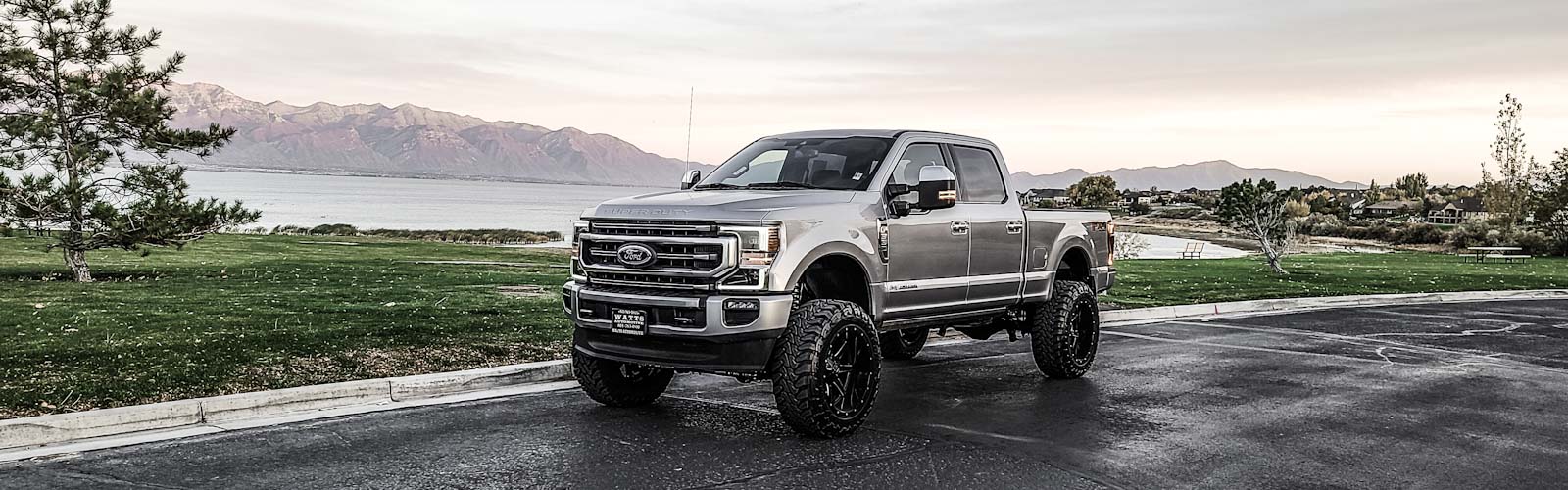
Utah, a state renowned for its breathtaking landscapes ranging from the red rock deserts of Moab to the snow-capped peaks of the Wasatch Front, is a haven for outdoor enthusiasts. It’s no surprise then that the sight of a lifted truck is as common on Utah’s roads as a mountain biker on a single track. More than just an aesthetic choice, lifted trucks in Utah represent a lifestyle, a necessity for conquering challenging terrains, and a testament to personal expression.
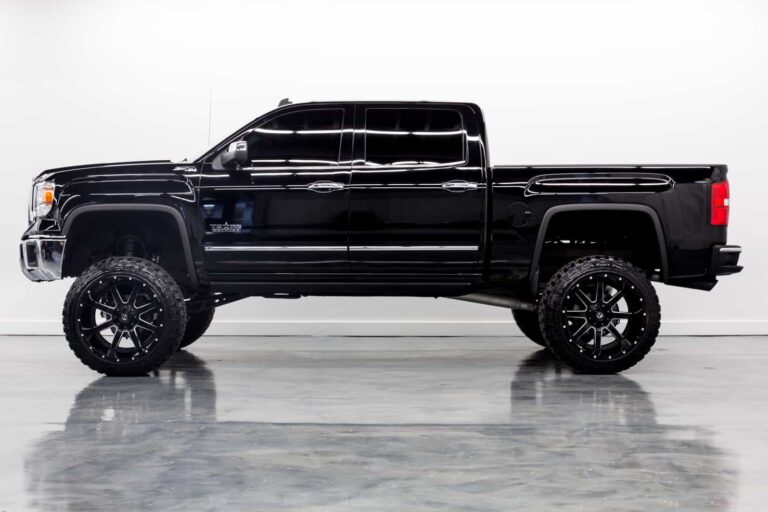
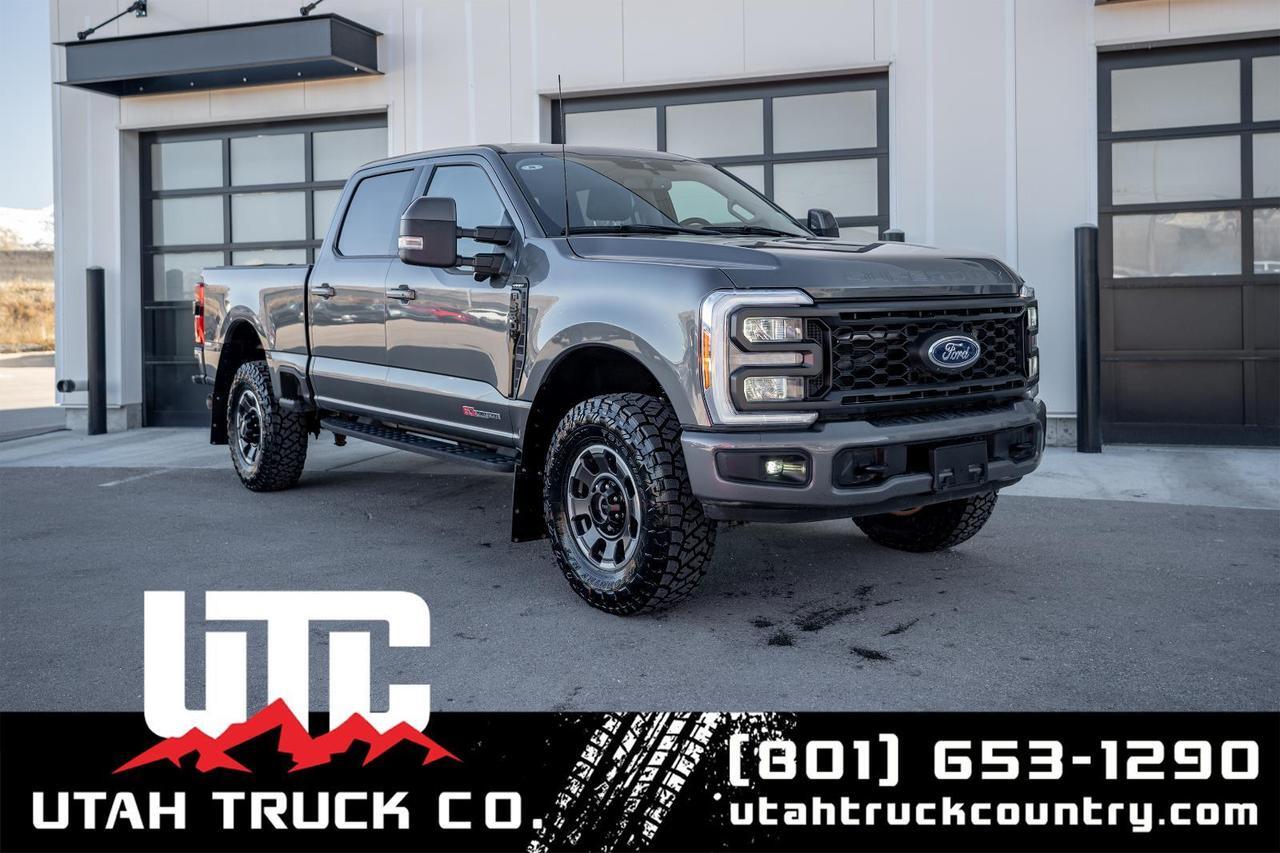
A lifted truck is essentially a vehicle, typically a pickup truck or SUV, that has had its suspension or body modified to increase its ground clearance. This modification allows for larger tires, improved off-road capability, and a commanding presence on the road. For many Utahns, a lifted truck isn’t just a vehicle; it’s a tool for adventure, a workhorse for hauling, and a symbol of independence. This comprehensive guide will delve into every aspect of lifted trucks in Utah, from understanding the different types of lifts to navigating legalities, maintenance, and the vibrant culture surrounding them.
The Allure of the Lifted Truck in Utah
The popularity of lifted trucks in Utah isn’t merely a trend; it’s deeply rooted in the state’s geography and culture. Utah offers an unparalleled playground for off-roading, with iconic destinations like Moab’s slickrock trails, the challenging routes of the Uinta Mountains, and vast expanses of desert and forest lands. To truly experience these diverse environments, enhanced ground clearance and robust suspension are often not just desirable, but essential.
Beyond pure functionality, there’s a strong aesthetic and cultural appeal. A lifted truck exudes ruggedness, capability, and a sense of adventure that resonates with the pioneering spirit often associated with Utah. They stand out in a crowd, offering a personalized touch that reflects the owner’s passions and lifestyle. Whether it’s for navigating snowy mountain passes, hauling camping gear to remote sites, or simply making a statement on the streets of Salt Lake City, the allure of the lifted truck in Utah is undeniable.
Understanding Lift Kits: Types and What’s Right for Utah
Choosing the right lift kit is the foundational step in elevating your truck. There are several types, each with distinct characteristics suited for different needs and budgets. Understanding these will help you make an informed decision tailored to Utah’s varied demands.
-
Body Lifts: These kits use spacers placed between the truck’s frame and body. They provide 1 to 3 inches of lift, allowing for larger tires without altering the suspension geometry.
- Pros: Generally less expensive, easier to install, maintains factory ride quality.
- Cons: Limited lift height, frame remains at original height (no ground clearance improvement for critical components), can expose frame between body and bumper. Best for mild aesthetic changes and slightly larger tires.
-
Suspension Lifts: These are more complex and involve replacing or modifying suspension components like springs, shocks, control arms, and leaf springs. They offer significant gains in ground clearance and articulation, crucial for serious off-roading.
- Leveling Kits: A subset of suspension lifts, these typically add 1-2.5 inches to the front of the truck to eliminate the factory rake (where the front sits lower than the rear). They are ideal for accommodating slightly larger tires and achieving a more aggressive stance without significantly altering handling.
- Coil Spring Spacers/Blocks: These are installed above or below coil springs (spacers) or between leaf springs and the axle (blocks) to add lift. They are relatively inexpensive but offer limited performance improvements.
- Full Suspension Replacement Kits: These comprehensive kits replace multiple factory components with heavy-duty aftermarket parts. They offer the best performance, durability, and customization for serious off-road use. These often include new shocks, coils, leaf springs, control arms, and other necessary hardware.
- Pros: Significant ground clearance, improved off-road performance, allows for much larger tires, enhanced suspension travel.
- Cons: More expensive, more complex installation, can alter ride quality (though many high-end kits improve it), may require additional modifications (e.g., drive shaft, brake lines).
Choosing the Right Lift for Utah:
Your choice should hinge on your primary use case.
- Daily Driver with Light Off-roading: A leveling kit or a modest 2-3 inch suspension lift is often sufficient. It allows for larger tires, handles most unpaved roads, and maintains reasonable street manners.
- Weekend Warrior/Moderate Off-roading: A 3-4 inch suspension lift provides excellent capability for popular trails around Moab, the Uintas, and other backcountry areas. This often balances performance with daily drivability.
- Serious Rock Crawling/Extreme Off-roading: A 4-6+ inch full suspension lift is necessary, coupled with robust components like coilovers, long-travel control arms, and reinforced steering. This setup is for dedicated enthusiasts tackling Utah’s most challenging terrain.
Legal Considerations and Safety Regulations in Utah
While the freedom of expression is valued, safety on public roads is paramount. Utah, like other states, has specific laws governing vehicle modifications, including lift heights. Before investing in a lift, it’s crucial to understand these regulations to ensure your truck remains street-legal and safe.
- Maximum Bumper Height: Utah Code 41-6a-1601 specifies maximum bumper heights. For trucks, the front bumper cannot exceed 31 inches from the ground, and the rear bumper cannot exceed 32 inches.
- Headlight Height: Headlights must be between 24 and 54 inches from the ground. Lifting your truck significantly might require adjusting headlight aim or even relocating them to meet this requirement.
- Fender Flares/Tire Coverage: Tires must be fully covered by the fender or fender flares. If your new, larger tires protrude beyond the body, you’ll need to install flares to comply.
- Brakes and Steering: Any lift kit installation must ensure that brake lines are extended adequately and steering components function correctly without binding or excessive angles.
- Vehicle Inspections: Utah requires safety inspections for vehicles, and modifications that compromise safety or exceed legal limits can lead to failure.
Practical Advice: Always consult with a reputable lift kit installer in Utah. They are familiar with local regulations and can guide you in choosing a compliant setup. Improperly installed or overly aggressive lifts can lead to compromised handling, premature wear of components, and even dangerous driving conditions. For more information on Utah vehicle laws, refer to the official Utah State Legislature website or the DMV.
The Installation Process and What to Expect
Installing a lift kit can range from a relatively straightforward process for a body lift or leveling kit to a highly complex operation for a full suspension overhaul.
-
DIY vs. Professional Installation:
- DIY: Possible for simpler kits if you have mechanical experience, the right tools, and a safe workspace. Saves on labor costs.
- Professional: Highly recommended for suspension lifts, especially those over 2-3 inches. Professionals have specialized tools, expertise in suspension geometry, and can ensure all components are correctly installed, torqued, and aligned. This is critical for safety and performance.
-
What’s Involved:
- Disassembly: Removal of existing suspension components (shocks, springs, control arms, etc.).
- Installation of New Components: Mounting new shocks, springs, spacers, control arms, and other hardware. This may involve drilling, cutting, or modifying existing parts.
- Peripheral Adjustments: Extending brake lines, adjusting sway bar links, modifying driveshaft angles, and potentially replacing steering components.
- Alignment: Crucial step after any suspension modification. An improper alignment can lead to poor handling, premature tire wear, and unsafe driving.
- Test Drive and Inspection: A thorough test drive followed by a final inspection to ensure everything is functioning correctly.
-
Post-Installation Considerations:
- Re-torquing: After a few hundred miles, it’s vital to re-torque all suspension bolts as they can settle.
- Break-in Period: Some components, especially shocks, may have a break-in period where the ride quality might feel different initially.
- Alignment Checks: Regular alignment checks are recommended, especially after off-roading.
Finding a reputable installer in Utah is key. Look for shops with experienced technicians specializing in lifted trucks, positive customer reviews, and a willingness to discuss the specifics of your build and Utah’s regulations. Cities like Salt Lake City, Provo, Ogden, and St. George have numerous shops catering to the off-road community.
Beyond the Lift: Essential Upgrades for Utah’s Terrain
Lifting your truck is often just the beginning. To truly optimize its performance for Utah’s diverse environments, several other upgrades are highly recommended.
-
Tires: This is arguably the most impactful upgrade after the lift itself. Larger tires fill out the wheel wells, provide more ground clearance under the axles, and offer improved traction.
- All-Terrain (A/T): Excellent for a mix of road driving and off-road trails (gravel, dirt, light snow). A popular choice for Utah’s varied conditions.
- Mud-Terrain (M/T): Aggressive tread pattern for maximum traction in mud, rock, and loose terrain. Can be noisier on pavement and offer less wet-road grip.
- Snow-Rated Tires: For winter driving in Utah’s mountains, dedicated snow tires or A/T tires with a 3-peak mountain snowflake rating are essential.
- Proper Sizing: Choose a tire size appropriate for your lift height and intended use. Too large, and you risk rubbing; too small, and you lose potential ground clearance.
-
Wheels: Aftermarket wheels not only enhance aesthetics but can also improve performance.
- Offset and Backspacing: Crucial for clearing brake calipers and suspension components, and for dictating how far tires protrude.
- Beadlock Wheels: For extreme off-roading, beadlock wheels securely clamp the tire bead to the rim, allowing for very low tire pressures without the risk of de-beading.
-
Gearing: Installing larger tires effectively changes your truck’s final drive ratio, making it feel sluggish, especially when climbing hills or towing. Re-gearing the differentials to a numerically higher ratio restores lost power and improves fuel economy (relative to stock gearing with larger tires). This is highly recommended for lifted trucks in Utah, particularly for those tackling mountainous terrain.
-
Performance Upgrades:
- Engine Tunes: Can optimize engine performance for larger tires and higher altitudes, improving throttle response and power.
- Cold Air Intakes: Can provide a modest increase in horsepower and torque.
-
Recovery Gear: Essential for exploring remote Utah trails safely.
- Winch: A self-recovery device invaluable for getting unstuck.
- Recovery Straps/Ropes: For pulling other vehicles or being pulled out.
- Shackles and Tree Savers: For safe attachment points.
- High-Lift Jack: A versatile tool for lifting, winching, and spreading.
-
Lighting: Auxiliary LED light bars or cube lights can dramatically improve visibility for night off-roading or navigating poorly lit backcountry roads. Ensure they are used responsibly and legally on public roads.
Maintenance and Longevity of a Lifted Truck in Utah
Lifting a truck and adding larger tires can put additional stress on various components, necessitating diligent maintenance to ensure longevity and safety.
- Increased Wear: Expect accelerated wear on ball joints, tie rod ends, CV joints, U-joints, and wheel bearings due to altered angles and increased loads.
- Regular Inspections: Frequently inspect suspension components for looseness, damage, or wear. Pay close attention to bushings, shocks, and steering linkages.
- Alignment Checks: Get regular alignments, especially after off-roading or if you notice uneven tire wear or changes in handling.
- Cleaning: After venturing into Utah’s deserts or mountains, thoroughly clean mud, salt (from winter roads), and grime from your undercarriage to prevent corrosion.
- Tire Rotation and Balancing: Essential for maximizing tire life and maintaining smooth handling.
- Fuel Economy: Be prepared for a decrease in fuel economy due to increased aerodynamic drag, larger tires, and often a heavier vehicle. Re-gearing can mitigate some of this, but it won’t return to stock figures.
Practical Advice and Actionable Insights
- Define Your Purpose: Before buying anything, clearly determine how you’ll use your truck. Daily driver? Weekend warrior? Extreme rock crawler? This will guide all your choices.
- Set a Realistic Budget: Lift kits, tires, wheels, and installation can quickly add up. Factor in potential additional costs like re-gearing, fender flares, and recovery gear.
- Research Thoroughly: Read reviews, watch videos, and visit local forums or social media groups dedicated to lifted trucks in Utah. Learn from others’ experiences.
- Consult Professionals: Talk to reputable local shops in Utah. They can provide invaluable advice on compliant setups, suitable components for local terrain, and installation best practices.
- Start Small, Upgrade as Needed: You don’t have to do everything at once. A leveling kit and good A/T tires can be a great starting point, allowing you to gradually upgrade as your needs and budget evolve.
- Understand Trade-offs: A lifted truck will likely have a firmer ride, reduced fuel economy, and may be more challenging to park or enter low-clearance garages.
- Join the Community: Utah has a thriving off-roading community. Join local clubs, attend events, and connect with other enthusiasts. It’s a great way to learn, find trails, and build camaraderie.
Price Table: Estimated Costs for Lifted Trucks in Utah
| Component/Service | Description | Estimated Price Range (USD) | Notes |
|---|---|---|---|
| Leveling Kit | 1-2.5" front lift to level stance, allows slightly larger tires. | $100 – $500 | Parts only. Good for aesthetic, light off-road. |
| Small Suspension Lift | 2-3" full suspension lift (spacers, blocks, or basic new components). | $300 – $1,500 | Parts only. Good for moderate off-road, larger tires. |
| Moderate Suspension Lift | 4-6" full suspension lift (new shocks, springs, control arms). | $1,500 – $4,000 | Parts only. Significant off-road capability, often requires additional modifications. |
| Large Suspension Lift | 6"+ advanced suspension lift (coilovers, long-travel, heavy-duty components). | $4,000 – $10,000+ | Parts only. For extreme off-roading, highly specialized. |
| Professional Installation | Labor cost for installing a lift kit (varies by complexity). | $500 – $2,000+ | Includes alignment. Crucial for safety and proper function. |
| Tires (per set of 4) | All-Terrain (A/T) or Mud-Terrain (M/T), 33-37" diameter. | $800 – $2,000+ | Varies significantly by brand, size, and type. |
| Wheels (per set of 4) | Aftermarket wheels, 17-20" diameter. | $600 – $2,500+ | Varies by brand, material (steel/alloy), design, and finish. |
| Re-gearing | Changing differential gears to compensate for larger tires (per axle). | $800 – $1,500 | Parts and labor per axle. Highly recommended for 35"+ tires. Requires two axles for 4×4. |
| Fender Flares | To cover protruding tires and comply with Utah law. | $150 – $600 | Parts only. Aesthetic and legal necessity. |
| Winch | Self-recovery device, 9,000-12,000 lb capacity. | $400 – $1,500 | Parts only. Essential for remote off-roading. |
| Alignment | Post-lift suspension alignment. | $100 – $200 | Often included with professional installation, but good to budget for future checks. |
Note: Prices are estimates and can vary significantly based on vehicle make/model, brand of components, shop labor rates, and market fluctuations. Always get detailed quotes from reputable vendors and installers.
Frequently Asked Questions (FAQ) about Lifted Trucks in Utah
Q1: Is lifting my truck legal in Utah?
A1: Yes, but with specific regulations. Utah has laws regarding maximum bumper heights (31" front, 32" rear for trucks), headlight height, and tire coverage (tires must be covered by fenders or flares). Always ensure your modifications comply with Utah state law.
Q2: How much does it cost to lift a truck in Utah?
A2: The cost varies widely depending on the type of lift, components chosen, and installation. A leveling kit might cost a few hundred dollars, while a full, high-end suspension lift with new tires, wheels, and installation can easily range from $4,000 to over $10,000. Refer to the price table above for detailed estimates.
Q3: What’s the best lift kit for daily driving in Utah?
A3: For daily driving with occasional off-road adventures, a leveling kit or a 2-3 inch suspension lift is often ideal. It provides a more aggressive look and allows for larger tires without significantly compromising ride quality or handling on pavement.
Q4: Will lifting my truck void its warranty?
A4: Not necessarily the entire warranty. The Magnuson-Moss Warranty Act prevents manufacturers from voiding a warranty solely because of an aftermarket part. However, if a lift kit or related modification directly causes a failure of a covered component (e.g., suspension, drivetrain), that specific repair might not be covered. It’s best to discuss this with your dealership before installing a lift.
Q5: Do I need new tires when I lift my truck?
A5: While not strictly mandatory for very small lifts, it is highly recommended. The primary reason for lifting is often to accommodate larger tires, which provide increased ground clearance and improved off-road traction. Without larger tires, much of the benefit of a lift is lost.
Q6: What are the downsides of lifting a truck?
A6: Downsides can include reduced fuel economy, a potentially firmer ride (depending on the kit), increased wear on suspension and drivetrain components, higher center of gravity (impacting handling), difficulty parking in garages, and a higher purchase/installation cost.
Q7: Where can I get my truck lifted in Utah?
A7: There are numerous reputable shops across Utah specializing in lifted trucks and off-road modifications. Major metropolitan areas like Salt Lake City, Provo, Ogden, and St. George have several options. Look for shops with experienced technicians, positive reviews, and a strong understanding of Utah’s specific terrain and regulations. A quick search for "lifted trucks in Utah" will yield local businesses.
Conclusion
Lifted trucks in Utah are more than just vehicles; they are integral to the state’s vibrant outdoor culture and a reflection of its adventurous spirit. Whether you’re navigating the challenging trails of Moab, traversing snowy mountain passes, or simply seeking a commanding presence on the road, a properly lifted truck offers unparalleled capability and style. By understanding the different types of lifts, adhering to legal regulations, investing in quality components, and committing to diligent maintenance, you can ensure your lifted truck serves as a reliable and exhilarating companion for all your Utah adventures. Embrace the elevation, and explore Utah like never before.