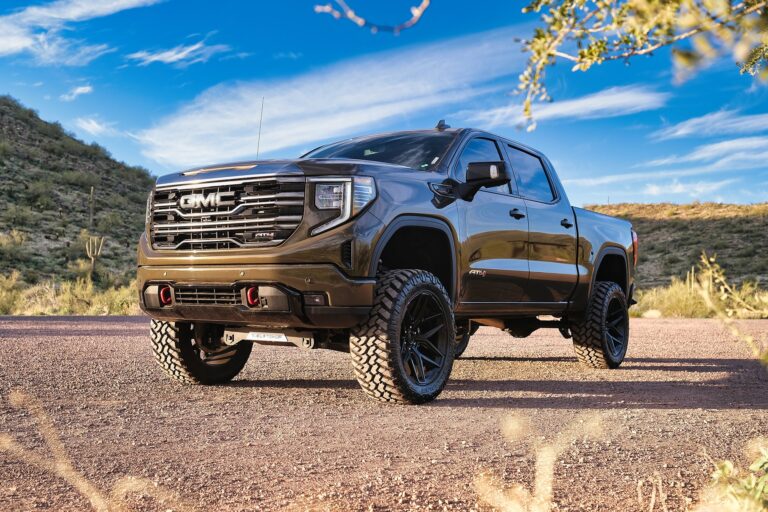
Do Lifted Trucks Use More Gas? The Comprehensive Guide
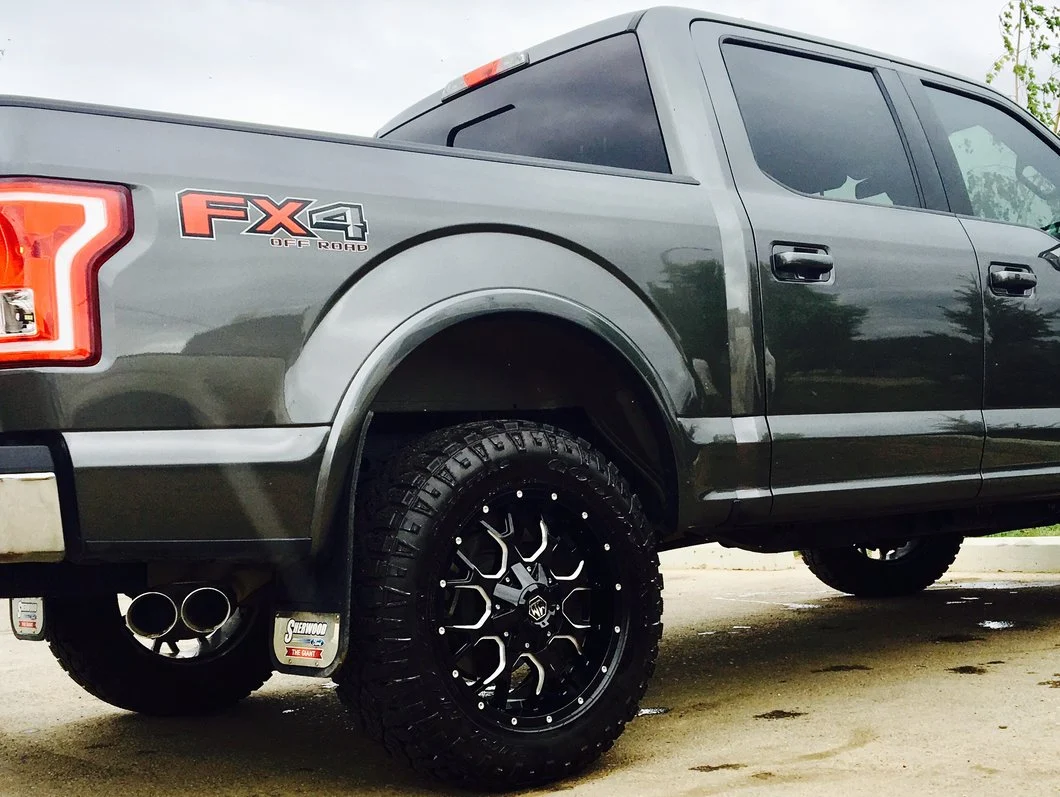
Do Lifted Trucks Use More Gas? The Comprehensive Guide
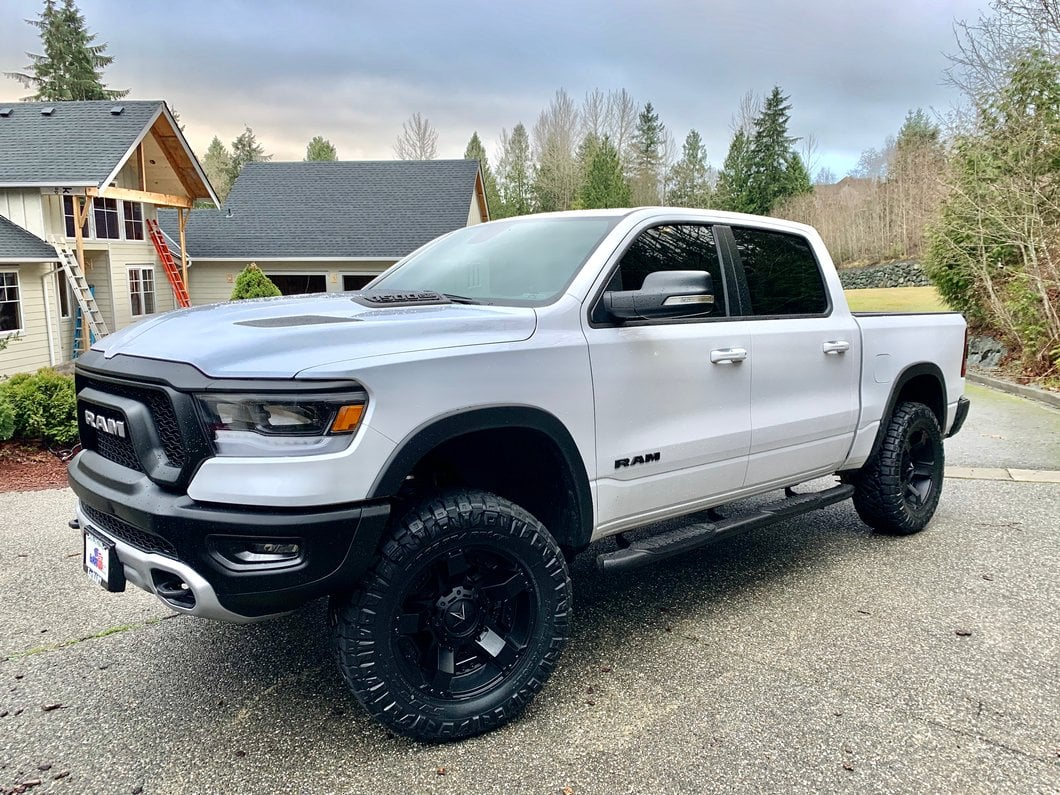
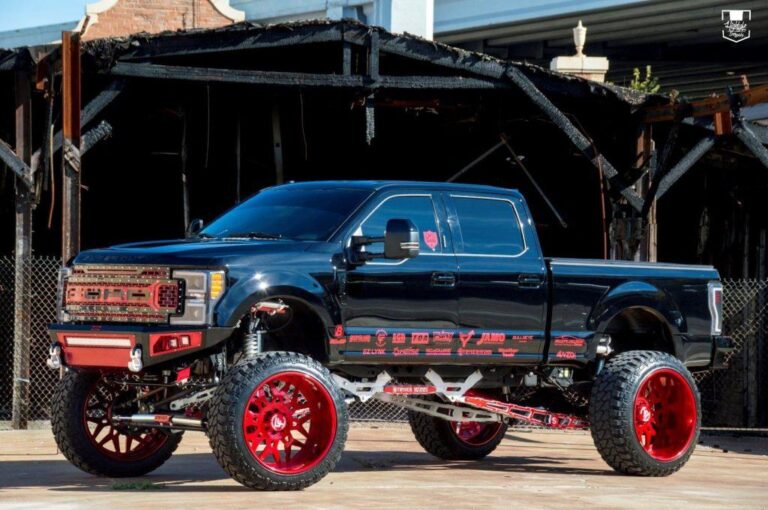
The roar of a powerful engine, the commanding view from a higher perch, and the undeniable aesthetic appeal – lifted trucks hold a special place in the hearts of many automotive enthusiasts. Whether for enhanced off-road capability, a unique custom look, or simply the desire to stand out, lifting a truck is a popular modification. However, alongside the benefits, a question consistently arises that tugs at the wallets of truck owners: Do lifted trucks use more gas?
The short answer, unequivocally, is yes. Lifted trucks almost invariably consume more fuel than their stock counterparts. This isn’t a myth but a direct consequence of several interconnected physical principles and mechanical changes. Understanding why this happens, and by how much, is crucial for anyone considering such a modification or currently owning a lifted vehicle. This comprehensive guide will delve into the science behind increased fuel consumption in lifted trucks, offering insights, practical advice, and a clear breakdown of the factors at play.
The Aerodynamic Battle: Why Height and Form Factor Matter
One of the primary culprits behind increased fuel consumption in lifted trucks is a significant change in aerodynamics. Every vehicle is designed with a certain level of aerodynamic efficiency to minimize drag – the resistance it encounters as it moves through the air. When a truck is lifted, several things happen that dramatically increase this drag:
- Increased Frontal Area: Lifting a truck literally makes it taller, presenting a larger surface area for the air to push against. Think of it like trying to push a larger board through water compared to a smaller one. The more air your truck has to displace, the more energy (and thus fuel) your engine needs to expend.
- Disrupted Airflow Underneath: Stock trucks are often designed with relatively smooth underbodies to help air flow efficiently. Lifting a truck exposes more of its suspension components, drivetrain, and exhaust system to the oncoming air. These irregular surfaces create turbulence, which acts as a significant source of drag.
- Larger Tire Exposure: As we’ll discuss, larger tires are a common accompaniment to a lift. These tires, especially aggressive ones, not only increase rolling resistance but also contribute to aerodynamic drag by creating more air turbulence around the wheel wells.
- Added Accessories: Many lifted trucks also feature aftermarket bumpers, winches, roof racks, and light bars. While functional and aesthetically pleasing, these additions further disrupt airflow and increase the overall drag coefficient of the vehicle.
The relationship between speed and aerodynamic drag is also crucial: drag increases exponentially with speed. This means that the faster you drive a lifted truck, the disproportionately more fuel it will consume compared to a stock truck, as the engine works harder to overcome the intensified air resistance.
Tire Talk: The Unsung Fuel Guzzlers
While often seen as a purely aesthetic or functional upgrade, the tires chosen for a lifted truck are arguably the single biggest contributor to increased fuel consumption. The changes introduced by larger and more aggressive tires are multifaceted:
- Increased Diameter and Weight: Larger diameter tires are heavier. This means the engine has to exert more energy to get them spinning (rotational inertia) and more energy to keep them rolling. This extra weight, especially unsprung weight (weight not supported by the suspension), puts greater strain on the engine, brakes, and suspension components.
- Higher Rolling Resistance: This is a critical factor. Rolling resistance is the force resisting the motion when a body (like a tire) rolls on a surface.
- Larger Contact Patch: Wider tires, common on lifted trucks, have a larger contact patch with the road, which increases friction and thus rolling resistance.
- Aggressive Tread Patterns: Mud-terrain (M/T) and some all-terrain (A/T) tires are designed with deep, blocky treads for maximum grip off-road. While excellent in dirt, mud, or snow, these aggressive patterns are less efficient on pavement. They deform more, generate more heat, and literally "dig" into the road surface, requiring more energy to maintain momentum. Highway tires, by contrast, have smoother treads designed to minimize rolling resistance.
- Momentum and Braking: The increased mass and inertia of larger tires also mean that once moving, they require more energy to stop. This translates to more wear on brakes and, in stop-and-go traffic, more fuel burned to repeatedly accelerate the heavier wheels.
Gearing Up for the Change: Drivetrain Modifications
One of the most overlooked yet significant factors affecting fuel economy after installing larger tires is the change in the effective gear ratio.
- The Gear Ratio Dilemma: A truck’s differential gears are designed to work optimally with a specific tire size, translating engine RPMs into wheel speed. When you install larger tires (e.g., going from 30-inch to 35-inch tires), each rotation of the tire covers more ground. This effectively "tallens" your gearing, meaning the engine has to work harder to achieve the same wheel speed. It’s like trying to start in a higher gear on a bicycle – you have to pedal much harder.
- Engine Strain and Fuel Consumption: Without correcting the gear ratio, your engine will constantly operate at higher loads and lower RPMs than intended, especially at highway speeds. This leads to:
- Reduced power and acceleration.
- More frequent downshifts by the transmission.
- Increased engine strain and heat.
- Significantly poorer fuel economy, as the engine struggles to maintain speed and accelerate.
- The Solution: Re-gearing: To compensate for larger tires, many lifted truck owners opt to "re-gear" their differentials. This involves replacing the ring and pinion gears with a ratio that brings the engine’s RPMs back into its optimal power band for the new tire size. While an expensive modification, re-gearing can dramatically improve driving dynamics, restore lost power, and, critically, improve fuel efficiency by allowing the engine to operate within its designed parameters. While it won’t fully negate the impact of larger tires and aerodynamics, it can significantly mitigate the fuel economy hit.
Weight Watchers: The Added Mass of a Lift
It’s not just the tires and aerodynamics; the sheer added weight of a lifted truck contributes to its increased thirst for fuel.
- Lift Kit Components: The lift kit itself adds weight. Depending on the type (spacer, block, or full suspension lift), this can include heavier coil springs, leaf springs, longer shocks, control arms, subframes, and other hardware.
- Larger Wheels and Tires: As mentioned, larger tires are heavier. Aftermarket wheels, often chosen for their aggressive looks or durability, can also be significantly heavier than stock wheels.
- Aftermarket Accessories: Beyond the lift, many owners customize their lifted trucks with heavy-duty steel bumpers, winches, rock sliders, roof racks, extra lighting, and other off-road armor. Each of these additions, while functional, piles on extra pounds.
Every pound added to a vehicle requires more energy to accelerate, maintain speed, and stop. This translates directly into higher fuel consumption, especially in city driving with frequent stops and starts.
Driving Habits and Maintenance: Mitigating the Impact
While the inherent design changes of a lifted truck will always lead to increased fuel consumption, certain driving habits and maintenance practices can help mitigate the impact:
- Smooth Driving: Avoid aggressive acceleration and hard braking. Smooth, gradual inputs on the accelerator and brake pedal can significantly improve fuel economy, regardless of the vehicle.
- Maintain Speed: Use cruise control on highways to maintain a consistent speed, avoiding unnecessary acceleration and deceleration. Remember, aerodynamic drag increases exponentially with speed, so keeping your speed reasonable (e.g., 65 mph instead of 75 mph) will yield better results.
- Proper Tire Pressure: Maintain the correct tire pressure. Underinflated tires increase rolling resistance and can lead to premature wear. Check your tire manufacturer’s recommendations for your specific tires and load.
- Regular Maintenance: Keep your engine well-tuned. Regular oil changes, air filter replacements, spark plug checks, and fuel system cleanings ensure your engine is running as efficiently as possible. A properly aligned suspension also reduces tire wear and rolling resistance.
- Remove Unnecessary Weight/Drag: If you’re not using your roof rack, remove it. Take off your heavy cargo box or any other accessories that are adding weight or aerodynamic drag when not needed. Every little bit helps.
Practical Advice: Calculating and Compensating
Understanding the "how-to" of dealing with the fuel economy hit is crucial for lifted truck owners.
- Estimating Fuel Economy Loss: While specific numbers vary wildly, you can generally expect a reduction of anywhere from 10% to 50% or more in fuel economy. For example, if your truck got 20 MPG stock, a moderate lift with larger tires might drop it to 14-17 MPG. An extreme lift with very large, aggressive tires could see it plummet to 10-12 MPG or even less. Tracking your fuel economy manually or with an app (like Fuelly) is the best way to get accurate data for your specific setup.
- Tips for Minimizing Fuel Consumption:
- Re-gear Your Drivetrain: If you’ve gone up significantly in tire size (3 inches or more in diameter), re-gearing is the single most effective way to restore performance and improve fuel efficiency. Consult a specialist to determine the optimal gear ratio for your new tire size and engine.
- Choose Appropriate Tires: If your truck isn’t a dedicated off-roader, consider less aggressive all-terrain (A/T) tires over mud-terrains (M/T). A/T tires offer a good balance of off-road capability and on-road manners, including better fuel economy.
- Aerodynamic Enhancements: While not always practical for lifted trucks, a tonneau cover for the bed can reduce aerodynamic drag. Some aftermarket front bumpers are designed with better airflow in mind.
- Driver Mod: The driver is the most important "modification." Smooth acceleration, anticipating traffic, avoiding excessive speeds, and maintaining proper tire pressure are free and highly effective.
- Monitor Your MPG: Actively track your fuel economy. This helps you understand the impact of your modifications and driving habits, allowing you to make adjustments.
Understanding the Fuel Economy Impact of Lifted Truck Modifications
To provide a clearer picture of the potential fuel economy impact, here’s a table summarizing common modifications and their estimated "cost" in terms of gas usage.
| Modification/Factor | Description | Estimated MPG Reduction (Approx.) | % Increase in Fuel Consumption (Approx.) |
|---|---|---|---|
| Basic Leveling Kit (2-3") | Minor lift, often with stock or slightly larger tires. Primarily for aesthetics or minor clearance. | 1-3 MPG | 5-15% |
| Moderate Lift (4-6") | Significant lift, usually requires larger tires (33-35"). More substantial changes to suspension. | 3-6 MPG | 15-30% |
| Extreme Lift (6"+) | Very large lift, requires very large tires (37"+). Major suspension overhaul, often custom work. | 6-10+ MPG | 30-50%+ |
| Aggressive Mud Tires | Compared to highway tires of the same size. High rolling resistance and increased weight. | 2-4 MPG | 10-20% |
| Heavy Aftermarket Bumpers | Added weight (front/rear steel bumpers, winches). | 1-2 MPG | 5-10% |
| Not Re-gearing (with 35"+ tires) | After installing significantly larger tires without adjusting differential gears. Engine strains. | 3-7 MPG | 15-35% |
| Roof Rack/Light Bar | Aerodynamic drag and weight. | 0.5-1.5 MPG | 3-8% |
| High Speeds (70+ mph) | Magnifies aerodynamic effects of all modifications. | Additional 1-3 MPG | Additional 5-15% |
Note: These are estimated figures and can vary widely based on truck model, engine, specific modifications, driving conditions, and individual driving habits. The percentage increase is relative to the stock vehicle’s fuel consumption.
Conclusion
So, do lifted trucks use more gas? The answer is an emphatic yes. The combination of increased aerodynamic drag, heavier and more aggressive tires, added vehicle weight, and the crucial impact of altered gear ratios all conspire to significantly reduce fuel economy. For truck owners, this isn’t just a minor inconvenience; it’s an ongoing financial consideration that can add up substantially over time.
Ultimately, lifting a truck is a trade-off. You gain aesthetics, enhanced off-road capability, and a unique driving experience, but you will pay a premium at the pump. Understanding these implications beforehand allows you to make an informed decision, manage your expectations, and implement strategies to mitigate the fuel economy hit where possible. For many, the benefits of a lifted truck are well worth the increased fuel consumption, but being aware of the costs involved is the first step toward responsible truck ownership.
For more detailed information on truck modifications and their impact, consider exploring resources on truck forums and automotive performance sites. (e.g., a link to a relevant automotive performance or truck enthusiast website would be placed here, if possible)
Frequently Asked Questions (FAQ)
Q1: How much more gas do lifted trucks typically use?
A1: The increase in fuel consumption varies widely based on the extent of the lift, tire size and type, added accessories, and driving habits. Generally, you can expect a reduction of 10% to 50% or more in your truck’s miles per gallon (MPG), translating to a loss of 1 to 10+ MPG compared to a stock vehicle.
Q2: Does re-gearing really help fuel economy on a lifted truck?
A2: Yes, absolutely. Re-gearing is one of the most effective ways to restore fuel efficiency and performance after installing larger tires. By adjusting the differential gear ratio, you bring the engine’s RPMs back into its optimal power band, reducing strain and improving overall efficiency, especially at highway speeds.
Q3: Are there any ways to improve fuel economy on a lifted truck after the modifications are done?
A3: Yes, while you can’t fully revert the impact, you can mitigate it. Key strategies include re-gearing, choosing less aggressive tires (if off-road capability isn’t paramount), maintaining proper tire pressure, practicing smooth and consistent driving habits, removing unnecessary weight or aerodynamic accessories, and performing regular engine maintenance.
Q4: Is the fuel economy loss worth the aesthetic or off-road benefits of lifting a truck?
A4: This is a subjective decision for each truck owner. For those who prioritize the aggressive look, increased ground clearance for off-roading, or the ability to run larger tires, the added fuel cost is often an acceptable trade-off. For others who primarily drive on pavement and prioritize efficiency, a lift might not be the best choice.
Q5: Does the type of lift kit (e.g., leveling kit vs. full suspension lift) matter for fuel economy?
A5: Yes, it does. A simple leveling kit (2-3 inches) that allows for slightly larger tires will generally have a much smaller impact on fuel economy than a full suspension lift (4-6+ inches) that necessitates significantly larger, heavier, and more aggressive tires. The greater the lift and the larger/heavier the tires, the more pronounced the fuel economy reduction will be.