Drop Hitch for Lifted Trucks: Your Comprehensive Guide
Drop Hitch for Lifted Trucks: Your Comprehensive Guide
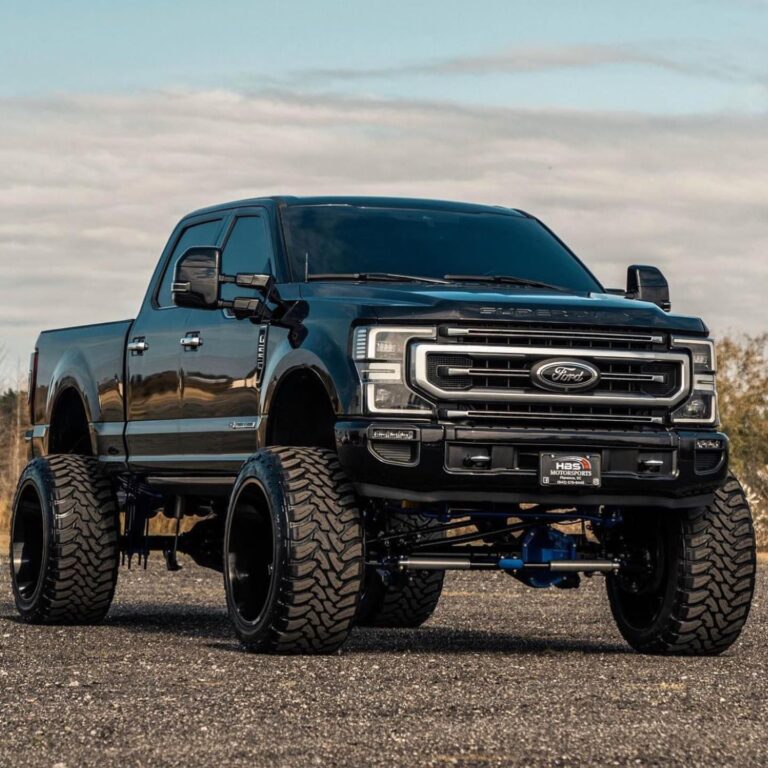
For owners of lifted trucks, the imposing stance and enhanced off-road capability are often primary motivators. However, when it comes to towing, that impressive lift introduces a significant challenge: achieving level trailer towing. This is where the drop hitch for lifted trucks becomes not just an accessory, but an absolute necessity. Without one, your powerful lifted rig can quickly turn into a precarious towing setup, compromising safety, performance, and even the longevity of your trailer.
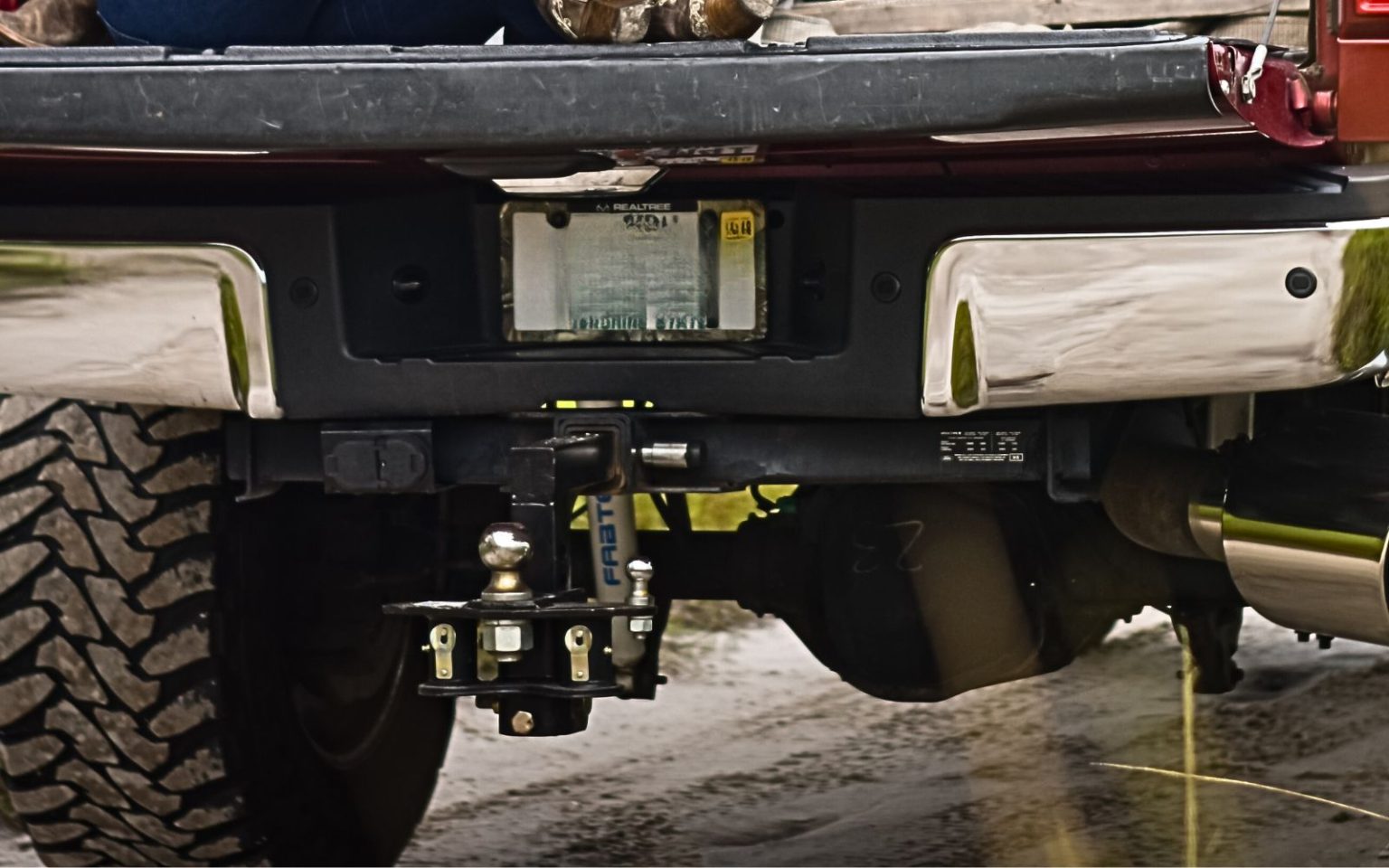
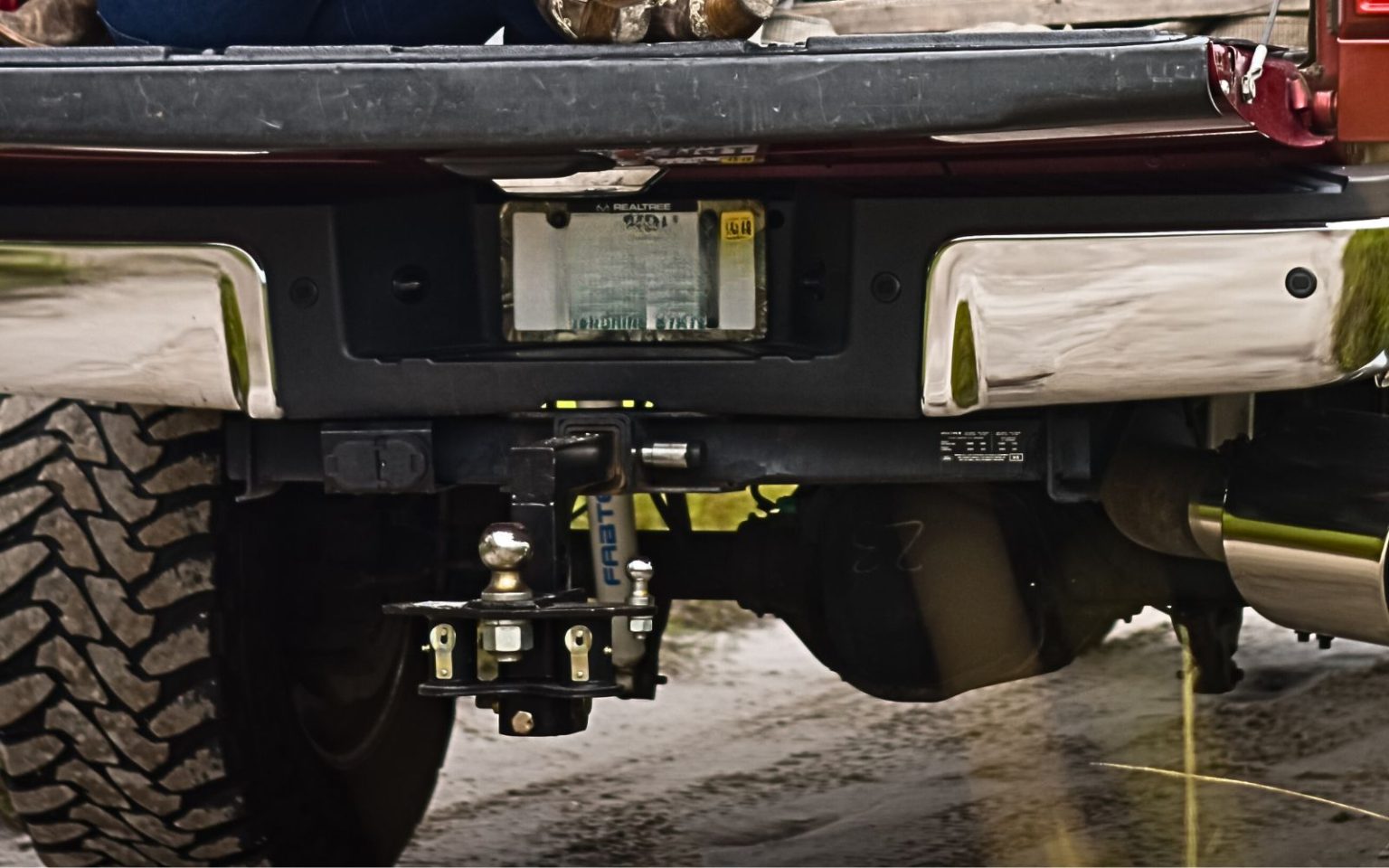
A drop hitch, in essence, is a specialized hitch ball mount designed with a downward offset. It effectively lowers the hitch ball to match the coupler height of your trailer, ensuring that the trailer remains level during transit. This article will serve as your definitive guide to understanding, selecting, and utilizing the right drop hitch for your lifted truck, transforming your towing experience from problematic to perfectly poised.
Understanding the Need: Why Lifted Trucks Require a Drop Hitch
The fundamental issue arises from the elevated receiver height of a lifted truck. Standard trailers are designed with a coupler height that aligns with typical stock truck receiver heights. When you lift a truck, you increase the distance from the ground to the receiver tube. If you then attach a trailer using a standard, straight ball mount, the trailer’s tongue will be significantly higher than its axle, causing it to ride "nose-up."
This "nose-up" condition isn’t just an aesthetic flaw; it creates a cascade of problems:
- Uneven Weight Distribution: The majority of the trailer’s weight shifts to the rear axle, reducing effective tongue weight on the hitch. This can lead to trailer sway, reduced braking efficiency, and instability.
- Compromised Braking: With less weight over the trailer’s front axle and potentially reduced tongue weight, the trailer’s brakes may not engage optimally, increasing stopping distances and putting more strain on the truck’s brakes.
- Steering Instability: Insufficient tongue weight can lighten the front end of the tow vehicle, reducing steering control and making the setup prone to sway, especially at highway speeds or in windy conditions.
- Reduced Ground Clearance for the Trailer: While the front of the trailer is high, its rear end sags, making it susceptible to scraping on driveways, speed bumps, or uneven terrain, potentially damaging the trailer’s frame, rear bumper, or lights.
- Tire Wear: Uneven weight distribution leads to excessive wear on the trailer’s rear tires, while the front tires carry minimal load.
- Safety Hazards: Ultimately, all these factors combine to create a dangerous towing scenario, increasing the risk of accidents, loss of control, and damage to both truck and trailer.
A properly selected drop hitch for lifted trucks corrects this disparity, ensuring the trailer tows level, thereby mitigating all these risks.
Key Benefits of Using a Drop Hitch
Investing in the correct drop hitch offers a multitude of advantages that enhance both safety and performance:
- Ensures Level Towing: The primary benefit, providing optimal balance and stability for the trailer.
- Improves Safety: By maintaining proper weight distribution and allowing the trailer’s brakes to function effectively, a drop hitch significantly reduces the risk of trailer sway, jackknifing, and loss of control.
- Optimizes Weight Distribution: Proper tongue weight is achieved, distributing the load correctly across the truck’s rear axle and the trailer’s axles, leading to better handling and reduced strain on components.
- Enhances Trailer Performance and Longevity: Evenly distributed weight reduces stress on trailer tires, suspension, and frame, prolonging their lifespan. It also ensures the trailer tracks true behind the truck.
- Provides Versatility: Many drop hitches are adjustable, allowing you to tow various trailers with different coupler heights using the same hitch.
- Protects Trailer Components: Prevents the rear of the trailer from dragging, safeguarding expensive components like lights, bumpers, and even the trailer frame itself.
Types of Drop Hitches for Lifted Trucks
The market offers a variety of drop hitches, each with specific features designed to meet different towing needs:
- Fixed Drop Hitches: These are the simplest type, offering a single, predetermined drop length. They are cost-effective and robust, ideal if you consistently tow the same trailer and know its exact coupler height.
- Adjustable Drop Hitches:
- Ball Mount Style: These are the most common for lifted trucks. They feature a shank that slides into the receiver and a vertical bar with multiple holes, allowing the ball mount to be positioned at various heights. This offers immense flexibility for towing different trailers.
- Pintle Hitches with Drop: Designed for heavy-duty applications, often with equipment trailers or military-style hitches. A pintle hitch can also be mounted on a drop shank.
- Weight Distribution Hitches with Drop Shank: For heavier trailers (typically over 5,000 lbs GTW or high tongue weight), a weight distribution system is often required. These systems also come with shanks that provide significant drop to accommodate lifted trucks, ensuring both level towing and proper weight distribution between the truck and trailer axles.
- Multi-Ball Hitches: Some adjustable drop hitches feature multiple ball sizes (e.g., 2", 2-5/16") on a single mount, offering even greater versatility for various trailers.
- Receiver Sizes: Hitches must match your truck’s receiver. Common sizes are 2-inch, 2.5-inch, and 3-inch, with larger sizes for heavier-duty trucks.
- Material:
- Steel: The most common and durable, offering excellent strength. Can be heavy.
- Aluminum: Lighter weight, corrosion-resistant, but typically more expensive and may have slightly lower weight capacities than comparable steel options.
How to Choose the Right Drop Hitch: A Step-by-Step Guide
Selecting the perfect drop hitch for lifted trucks involves careful measurement and consideration:
Step 1: Measure Your Truck’s Receiver Height
With your truck parked on level ground and fully loaded as it would be for towing (including passengers, fuel, and cargo), measure the distance from the ground to the top inside edge of your truck’s receiver tube.
Step 2: Measure Your Trailer’s Coupler Height
Park your trailer on level ground. Using its tongue jack, adjust the trailer until it is perfectly level (you can use a small level on the trailer frame). Then, measure the distance from the ground to the top inside edge of the trailer’s coupler.
Step 3: Calculate the Required Drop
Subtract the trailer’s coupler height (Step 2) from your truck’s receiver height (Step 1).
- Example: Truck receiver height = 28 inches; Trailer coupler height = 18 inches. Required drop = 28 – 18 = 10 inches.
It’s generally recommended to choose a drop hitch that can accommodate this exact drop, or an adjustable one that includes this drop within its range. Many experts suggest adding an inch or two to the calculated drop to account for squat when the trailer’s tongue weight is applied.
Step 4: Consider Gross Trailer Weight (GTW) and Tongue Weight (TW)
Identify the maximum GTW and TW of the heaviest trailer you plan to tow. Ensure the drop hitch’s capacity (including the ball and receiver pin) meets or exceeds these figures. Never exceed the lowest-rated component in your entire towing setup.
Step 5: Select Receiver Size
Confirm your truck’s receiver size (2", 2.5", or 3") and choose a drop hitch with a corresponding shank size.
Step 6: Decide on Fixed vs. Adjustable
If you tow various trailers with different coupler heights, an adjustable drop hitch offers unparalleled versatility. If you only tow one specific trailer, a fixed drop hitch might suffice and be more economical.
Step 7: Material and Brand Considerations
Steel hitches are robust and cost-effective. Aluminum offers lighter weight and corrosion resistance. Research reputable brands known for quality and safety.
Installation and Maintenance Tips
- Installation: Installing a drop hitch is straightforward. Simply slide the hitch shank into your truck’s receiver tube and secure it with a hitch pin and clip. For adjustable hitches, insert the ball mount at the desired drop height and secure it with its own pin. Always ensure all pins are fully seated and secured.
- Maintenance:
- Cleanliness: Regularly clean your hitch, especially after off-road excursions or exposure to salt.
- Lubrication: For adjustable hitches, occasionally lubricate the sliding components and pins to prevent rust and ensure smooth operation.
- Inspection: Before each tow, inspect the hitch, ball, and pins for any signs of wear, rust, cracks, or damage. Replace any compromised components immediately.
- Storage: When not in use, consider removing the hitch and storing it in a dry place to prevent weather-related corrosion.
Important Considerations and Potential Challenges
- Over-dropping: While a drop hitch is essential, using one with too much drop can cause the trailer to ride "nose-down." This also creates an uneven weight distribution, putting excessive load on the front trailer axle and potentially causing the rear of the truck to squat too much, reducing steering control.
- Ground Clearance: A drop hitch extends below the truck’s receiver. Be mindful of its ground clearance, especially when navigating steep driveways, speed bumps, or off-road terrain, as it can scrape.
- Weight Capacity: Always adhere to the weight ratings of your truck, receiver, hitch, ball, and hitch pin. The lowest rating dictates your maximum towing capacity.
- Noise/Rattle: Some adjustable hitches, especially those with multiple moving parts, can develop a rattle. Anti-rattle devices (e.g., hitch tighteners, shims) are available to mitigate this.
- Theft: Hitches, especially expensive adjustable ones, can be targets for theft. Consider investing in a locking hitch pin for added security.
Practical Advice and Actionable Insights
- Double-Check Everything: Before every tow, perform a thorough safety check. Ensure the hitch is securely pinned, the coupler is latched, safety chains are crossed, and lights are working.
- Invest in Quality: Your hitch is a critical safety component. Don’t compromise on quality to save a few dollars. Reputable brands offer better materials, engineering, and peace of mind.
- Consider Future Needs: If you anticipate towing different types of trailers or upgrading your truck’s lift, an adjustable hitch will offer greater long-term flexibility.
- Practice Towing: If you’re new to towing with a drop hitch, practice in a safe, open area to get a feel for the handling, braking, and turning radius of your new setup.
For more detailed information on selecting the right equipment, consider consulting resources specifically on drop hitch for lifted trucks. (Note: This is a placeholder link; in a live article, this would be a real, relevant URL.)
Drop Hitch for Lifted Trucks Price Guide
| Type of Drop Hitch | Drop Range (Inches) | Material | Receiver Size (Inches) | GTW Capacity (Lbs) | Estimated Price Range (USD) | Key Features |
|---|---|---|---|---|---|---|
| Fixed Drop | 4" – 10" | Steel | 2" | 5,000 – 10,000 | $30 – $80 | Economical, simple, single drop point |
| Adjustable (Standard Ball) | 6" – 12" | Steel | 2" | 8,000 – 12,000 | $80 – $200 | Versatile, multiple height adjustments |
| Adjustable (Heavy-Duty) | 8" – 16" | Steel/Aluminum | 2", 2.5", 3" | 10,000 – 20,000+ | $150 – $400 | Higher capacity, robust construction, more drop |
| Adjustable (Multi-Ball) | 6" – 12" | Steel | 2", 2.5" | 8,000 – 15,000 | $100 – $250 | Multiple ball sizes (e.g., 2", 2-5/16") |
| Weight Distributing (Drop Shank) | 6" – 12" | Steel | 2", 2.5" | 10,000 – 18,000 | $300 – $800+ | Essential for heavy trailers, ensures level & WD |
| Aluminum Adjustable | 6" – 14" | Aluminum | 2", 2.5" | 10,000 – 16,000 | $200 – $500 | Lightweight, corrosion-resistant, premium |
Note: Prices are estimates and can vary based on brand, specific features, retailer, and current market conditions.
Frequently Asked Questions (FAQ)
Q: What’s the maximum drop I can get with a drop hitch?
A: You can find drop hitches offering up to 18-20 inches of drop, sometimes even more for highly specialized applications or extreme lifts. However, it’s crucial to select the correct drop, not just the maximum available, to avoid over-dropping the trailer.
Q: Do I need a weight distribution hitch if I have a drop hitch?
A: A drop hitch addresses height differences. A weight distribution (WD) hitch addresses heavy tongue weight. If your trailer is heavy (typically over 5,000 lbs GTW or has a tongue weight exceeding 10-15% of your truck’s GVWR), you likely need both. Many WD hitches come with a drop shank to accommodate lifted trucks.
Q: Can I use a regular hitch with my lifted truck for small trailers?
A: Even with small trailers, towing nose-up can cause issues like reduced stability and increased tire wear. While the safety risks might be lower than with a large trailer, it’s always best practice to tow level, regardless of trailer size, using the appropriate drop hitch.
Q: How do I prevent my adjustable hitch from rattling?
A: Several solutions exist:
- Anti-Rattle Hitch Pins: These pins have a mechanism that tightens against the receiver, reducing play.
- Hitch Tighteners/Stabilizers: These clamp around the hitch shank and receiver to eliminate movement.
- Shims or Rubber Dampeners: Can be placed between the adjustable components to absorb vibration.
Q: Is an aluminum drop hitch strong enough for heavy towing?
A: Yes, high-quality aluminum drop hitches are engineered to be very strong and can have comparable weight capacities to steel hitches for many applications. They are often made from aircraft-grade aluminum. Always check the specific weight ratings for the hitch you are considering. Their main advantages are lighter weight and superior corrosion resistance.
Concluding Summary
The drop hitch for lifted trucks is an indispensable component for any lifted truck owner who tows. It directly addresses the critical height disparity created by a suspension lift, ensuring your trailer rides level and your towing experience remains safe, stable, and efficient. From mitigating dangerous trailer sway to optimizing braking performance and protecting your valuable cargo, the benefits are clear and profound. By understanding the types, meticulously measuring for the right fit, and adhering to proper installation and maintenance practices, you can confidently hit the road knowing your lifted truck and trailer are perfectly matched for the journey ahead. Investing in the right drop hitch isn’t just about convenience; it’s an investment in safety, performance, and ultimate peace of mind.