Lifted Trucks Diesel: The Ultimate Guide to Power, Performance, and Presence
Lifted Trucks Diesel: The Ultimate Guide to Power, Performance, and Presence
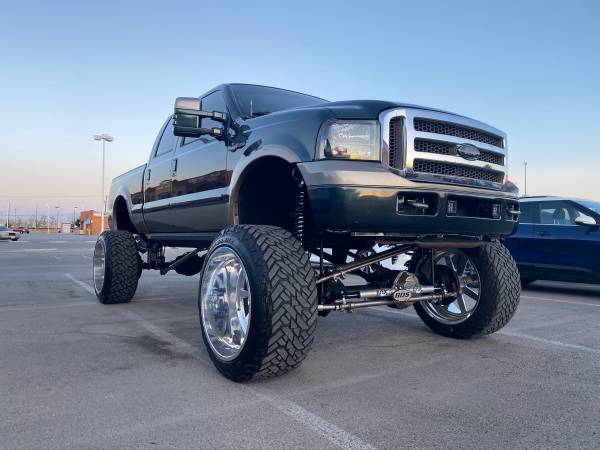
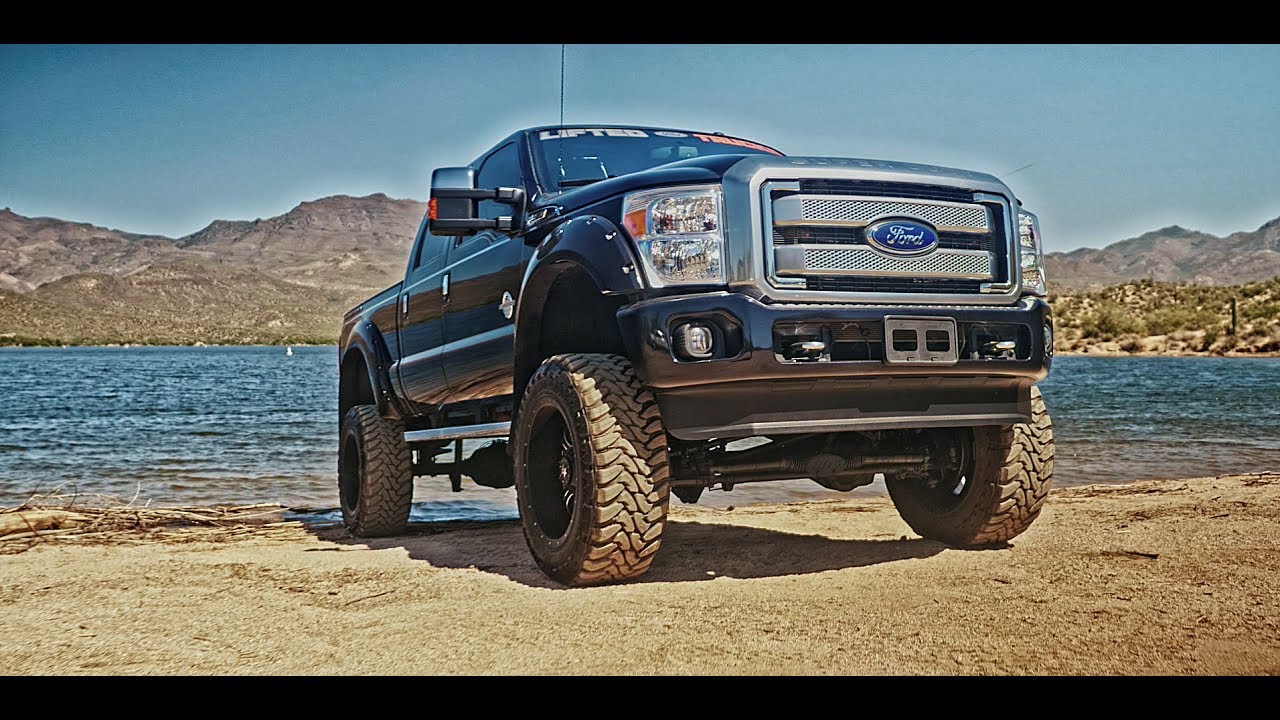
In the world of heavy-duty vehicles, few machines command attention quite like lifted trucks diesel. These formidable vehicles represent a unique fusion of raw power, rugged capability, and an undeniable aesthetic appeal. More than just a cosmetic upgrade, lifting a diesel truck enhances its utility, transforming it into an even more capable workhorse, an adventurous off-road companion, or a distinctive statement of personal style. This comprehensive guide will delve into every aspect of lifted diesel trucks, exploring their mechanics, benefits, considerations, and what it takes to own and maintain one of these magnificent machines.
The Allure of Diesel Power in Lifted Trucks
At the heart of every lifted diesel truck lies the unparalleled might of its diesel engine. Diesel powerplants are legendary for their high torque output, which is crucial for heavy towing, hauling, and navigating challenging off-road terrain. Unlike gasoline engines, diesels produce peak torque at lower RPMs, meaning they can move massive loads with less effort and greater efficiency. This inherent strength makes them the ideal foundation for a lifted platform, as the added weight of larger tires and suspension components, along with increased aerodynamic drag, demands serious pulling power.
Popular diesel engines like the Cummins in Ram trucks, the Power Stroke in Ford F-Series, and the Duramax in Chevrolet Silverado and GMC Sierra models are specifically engineered for durability and longevity under strenuous conditions. Their robust construction and impressive fuel efficiency, especially when carrying heavy loads, further solidify their position as the preferred choice for those seeking the ultimate in heavy-duty truck performance. When combined with a well-executed lift, these engines empower a truck to tackle virtually any task or adventure.
Understanding Lift Kits for Diesel Trucks
Lifting a diesel truck involves modifying its suspension or body to increase its ground clearance and accommodate larger tires. While the concept is straightforward, the execution requires careful consideration, especially for the heavier front ends of diesel trucks.
There are primarily three types of lift kits:
- Leveling Kits: These are the simplest and most affordable, designed to raise the front of the truck to match the height of the rear, eliminating the factory "rake." They typically provide 1-3 inches of lift and can often accommodate slightly larger tires.
- Body Lifts: These kits raise the truck’s body from its frame using spacers. They don’t alter the suspension geometry or ground clearance under the axles but create space for bigger tires and offer a higher stance. They usually provide 1-3 inches of lift.
- Suspension Lifts: These are the most comprehensive and provide the most significant increase in ground clearance and articulation. They replace or modify components like springs, shocks, control arms, and sometimes steering components. For lifted trucks diesel, suspension lifts are often designed with heavier-duty components to handle the increased weight of the diesel engine, ensuring proper ride quality and durability. They can range from 2 inches up to 12 inches or more.
Choosing the right lift kit involves considering factors like desired tire size, intended use (off-roading, towing, daily driving), and budget. High-quality suspension lifts for diesel trucks are engineered to correct driveline angles, maintain proper steering geometry, and provide a comfortable, controlled ride, even with substantial height increases.
Benefits and Applications of Lifted Diesel Trucks
The appeal of lifted trucks diesel extends beyond mere aesthetics; they offer a host of practical benefits and open up a world of applications:
- Enhanced Off-Road Capability: Increased ground clearance is paramount for off-roading, allowing the truck to clear obstacles like rocks, logs, and deep ruts without damaging critical undercarriage components. Greater suspension articulation, often a benefit of quality lift kits, allows wheels to maintain contact with uneven terrain, improving traction.
- Superior Towing and Hauling: While lifting a truck can slightly alter its center of gravity, a properly installed lift with heavy-duty components can actually enhance stability when towing heavy loads, especially with larger, wider tires. The robust diesel engine, of course, provides the power needed to manage these loads effortlessly.
- Accommodation for Larger Tires: One of the primary reasons to lift a truck is to fit larger, more aggressive tires. These tires offer improved traction, durability, and a larger contact patch, which is invaluable for off-road performance and provides a more imposing stance.
- Improved Visibility: A higher driving position offers a commanding view of the road and surrounding terrain, which can be beneficial for both daily driving and off-road navigation.
- Aesthetic Appeal and Personal Expression: For many, the imposing stance and aggressive look of a lifted diesel truck are reasons enough. It’s a statement of power, capability, and individuality that stands out from the crowd.
- Versatile Applications: From heavy-duty construction vehicles and agricultural workhorses to dedicated overland adventure rigs and weekend warrior trail machines, lifted trucks diesel excel in a variety of demanding roles where standard trucks simply won’t suffice.
Important Considerations Before Lifting Your Diesel Truck
While the benefits are numerous, lifting a diesel truck comes with important considerations and potential challenges:
- Legalities: Truck height and tire coverage laws vary significantly by state and municipality. Research local regulations to ensure your modifications are compliant.
- Performance Impact: Lifting a truck can affect fuel economy due to increased aerodynamic drag and larger, heavier tires. Handling characteristics will change, with a higher center of gravity requiring adjustments to driving style, especially in corners. Speedometer calibration is often necessary to account for larger tires.
- Drivetrain Stress: Lifting can alter driveline angles, potentially putting stress on U-joints, CV joints, and differentials. High-quality lift kits are designed to mitigate this, but proper installation and alignment are crucial. Re-gearing the differentials may be necessary to restore lost power and optimize performance with significantly larger tires.
- Maintenance: Lifted trucks often require more specialized maintenance. Components like shocks, bushings, and steering parts may experience increased wear and tear. Finding mechanics experienced with lifted vehicles is important.
- Cost: Beyond the initial lift kit, budget for professional installation, larger tires and wheels, potential re-gearing, alignment, and ongoing maintenance. The investment can be substantial.
Solutions: To address these challenges, always prioritize professional installation from a reputable shop. Invest in high-quality, diesel-specific lift kits from established brands. Be prepared for changes in fuel economy and driving dynamics, and commit to regular inspections and maintenance.
The Lifting Process: A How-To Guide (General Steps)
While professional installation is highly recommended for lifted trucks diesel, understanding the general process can be empowering:
- Planning and Research: Define your goals (desired lift height, tire size, budget, intended use). Research reputable lift kit brands that cater to your specific truck model and diesel engine.
- Choosing the Right Kit: Select a kit designed for the weight of your diesel engine. Ensure it includes all necessary components for proper geometry correction.
- Professional Installation (Recommended): For complex suspension lifts, especially on heavy diesel trucks, professional installation is crucial. They have the right tools, expertise, and experience to ensure safety and proper functionality.
- Key Installation Steps (General):
- Preparation: Secure the vehicle, remove wheels and original suspension components.
- Component Installation: Install new springs, shocks, control arms, steering components, and any other parts according to the kit instructions.
- Driveline Correction: Install differential drops or transfer case drops as needed to correct driveline angles.
- Brake Line Extensions: Extend brake lines if necessary to accommodate the increased height.
- Tire and Wheel Mounting: Install your new larger tires and wheels.
- Alignment: A professional alignment is absolutely critical after any suspension modification to ensure proper steering, tire wear, and handling.
- Speedometer Calibration: Recalibrate your speedometer to accurately reflect your speed with larger tires.
- Post-Installation Checks: Perform thorough checks of all nuts, bolts, and components after a few hundred miles to ensure everything is tight and secure.
Tips for Owning and Maintaining a Lifted Diesel Truck
Owning a lifted trucks diesel is a rewarding experience, but it requires a proactive approach to maintenance and driving:
- Regular Inspections: Frequently inspect your suspension components, steering linkages, driveline, and tires for any signs of wear, damage, or looseness. Pay extra attention after off-road excursions.
- Tire Maintenance: Maintain proper tire pressure, rotate tires regularly, and balance them as needed. Larger, heavier tires require more diligence.
- Understand New Driving Dynamics: Be aware that your truck’s center of gravity has changed. Drive defensively, especially when cornering or in windy conditions. Account for increased stopping distances.
- Choose Appropriate Tires: Select tires that match your primary use. Mud-terrain tires are great off-road but can be noisy and less fuel-efficient on pavement. All-terrain tires offer a good balance.
- Find a Knowledgeable Mechanic: Seek out shops and technicians experienced with lifted vehicles and diesel engines. They can provide specialized service and advice.
Price Table for Lifted Trucks Diesel Components
Please note: Prices are highly variable based on brand, quality, vehicle model, and location. This table provides general estimates.
| Component Category | Description | Estimated Price Range (USD) |
|---|---|---|
| Lift Kits | ||
| Leveling Kit | Front-end lift (1-3 inches) | $100 – $500 |
| Body Lift Kit | Raises body from frame (1-3 inches) | $300 – $800 |
| Suspension Lift Kit | Moderate (2-4 inches), basic components | $800 – $2,500 |
| Suspension Lift Kit | Significant (6+ inches), advanced components, full kit | $2,000 – $8,000+ |
| Installation | ||
| Professional Labor | For suspension lift (8-20+ hours) | $600 – $2,000+ |
| Alignment | After lift installation | $100 – $250 |
| Speedometer Calibration | After installing larger tires | $50 – $200 |
| Tires & Wheels | (Set of 4) | |
| Off-Road Tires | Large (35"+), aggressive tread | $1,200 – $3,000+ |
| Aftermarket Wheels | 18-22 inch, various styles | $800 – $2,500+ |
| Additional Costs | (If needed) | |
| Re-gearing | To compensate for larger tires | $1,500 – $3,000+ |
| Driveshaft Modification | Extending or replacing | $500 – $1,500 |
| Fender Flares | For tire coverage compliance | $200 – $800 |
Disclaimer: These are approximate costs. Always obtain detailed quotes from reputable suppliers and installers.
Frequently Asked Questions (FAQ) about Lifted Trucks Diesel
Q1: Does lifting a diesel truck affect fuel economy?
A1: Yes, significantly. Lifting increases aerodynamic drag, and larger, heavier tires increase rolling resistance. Expect a noticeable decrease in miles per gallon.
Q2: Is it hard to drive a lifted diesel truck?
A2: It requires an adjustment period. The higher center of gravity changes handling dynamics, especially when cornering or braking. You’ll also need to be mindful of overhead clearances and visibility.
Q3: How much does it cost to lift a diesel truck?
A3: The total cost can range from a few hundred dollars for a basic leveling kit to $5,000 – $15,000 or more for a comprehensive suspension lift, professional installation, new tires, wheels, and any necessary drivetrain modifications.
Q4: Do I need new tires and wheels after lifting?
A4: For most significant lifts (4 inches or more), yes. The primary reason for lifting is often to accommodate larger tires, which require new wheels with appropriate offset and backspacing to prevent rubbing.
Q5: Will lifting void my warranty?
A5: It depends on the manufacturer and the specific modifications. While a lift kit itself might not void the entire warranty, any component failures directly attributable to the lift or larger tires could be denied warranty coverage. Always check with your dealer.
Q6: What’s the best lift kit for a diesel truck?
A6: The "best" kit depends on your specific truck model, desired height, budget, and intended use. Reputable brands like BDS Suspension, Rough Country, Fabtech, Zone Offroad, and Icon Vehicle Dynamics offer high-quality, diesel-specific kits. Research reviews and consult with experienced professionals.
Conclusion
Lifted trucks diesel stand as a testament to power, utility, and undeniable presence. They embody the spirit of capability, whether conquering challenging trails, effortlessly towing heavy loads, or simply making a bold statement on the road. While the journey to owning one involves careful planning, significant investment, and ongoing maintenance, the rewards of commanding such a formidable machine are immeasurable. With the right knowledge, professional installation, and responsible ownership, a lifted diesel truck can be a reliable, powerful, and truly exhilarating companion for any adventure or demanding task.