Are Lifted Trucks Illegal? A Comprehensive Guide to Navigating the Law
Are Lifted Trucks Illegal? A Comprehensive Guide to Navigating the Law
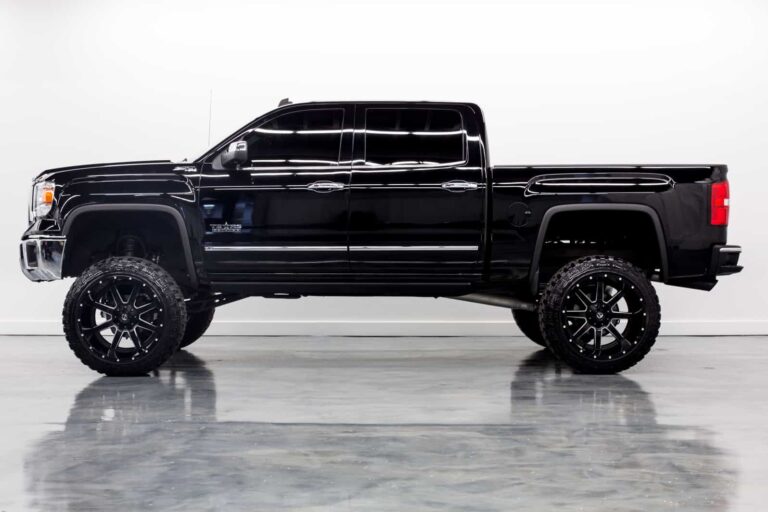
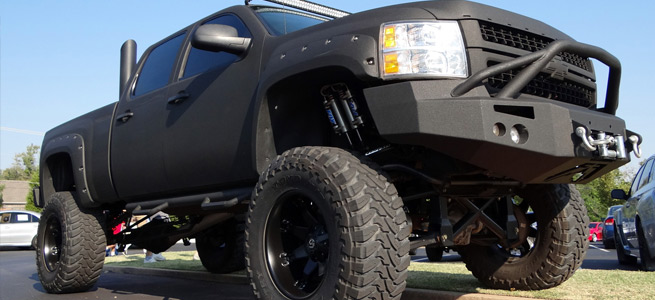
The roar of a powerful engine, the commanding presence, and the promise of off-road adventure—lifted trucks hold a unique appeal for many enthusiasts. From improved ground clearance for rugged trails to a distinct aesthetic that turns heads, the allure of a modified truck is undeniable. However, this popular modification often comes with a looming question: Are lifted trucks illegal?
The answer, surprisingly, is not a simple yes or no. The legality of lifted trucks is a complex patchwork of state-specific regulations, safety standards, and enforcement practices. What might be perfectly legal in one state could land you a hefty fine or worse in another. Understanding these nuances is crucial for any truck owner considering a lift, not only to avoid legal repercussions but also to ensure the safety of themselves and others on the road. This comprehensive guide will delve into the intricacies of lifted truck laws, providing you with the knowledge needed to make informed and legal modifications.
For more detailed information on specific state regulations, you might want to consult resources like Your Truck Guide’s Lifted Truck Legality Hub.
Understanding Lift Kits and Their Purpose
Before diving into legality, it’s essential to understand what a "lifted truck" entails. A truck is typically lifted using one of two primary methods, or a combination thereof:
- Suspension Lift Kits: These kits replace or modify components of the truck’s suspension system, such as springs, shocks, control arms, and leaf springs. They raise the entire chassis of the vehicle higher off the axles, providing increased ground clearance and often allowing for the installation of larger tires. Suspension lifts are generally preferred for serious off-road enthusiasts as they maintain the vehicle’s suspension travel and handling characteristics better than body lifts.
- Body Lift Kits: These kits use spacers placed between the truck’s body and its frame. This raises the body of the truck higher, creating more space for larger tires without altering the suspension geometry. Body lifts are generally less expensive and simpler to install but do not increase ground clearance at the axles.
The primary reasons drivers lift their trucks include:
- Off-Road Capability: Greater ground clearance allows trucks to navigate obstacles like rocks, logs, and deep ruts without damaging undercarriage components.
- Larger Tires: Lift kits are often a prerequisite for fitting larger diameter tires, which can enhance traction, off-road performance, and visual appeal.
- Aesthetics: For many, a lifted truck simply looks better, projecting an image of power and ruggedness.
- Improved Visibility: Sitting higher can offer a better vantage point in traffic, though this is also a point of contention regarding safety.
The Regulatory Landscape: Why Laws Exist
The existence of laws governing vehicle modifications, particularly lifts, stems primarily from safety concerns. While a well-engineered and properly installed lift kit can be safe, extreme or poorly executed modifications can introduce significant risks:
- Higher Center of Gravity: Lifting a truck raises its center of gravity, which can increase the risk of rollovers, especially during sharp turns or emergency maneuvers.
- Headlight Aim: When a truck is lifted, its headlights can become misaligned, potentially blinding oncoming drivers and reducing visibility for the lifted truck’s driver.
- Bumper Height Discrepancies: A significantly lifted bumper may no longer align with the bumpers of standard passenger vehicles, leading to increased damage and potential injury in the event of a collision.
- Steering and Braking System Stress: Extreme lifts can put added stress on steering and braking components, potentially leading to premature wear or failure if not properly compensated for.
- Visibility for Other Drivers: The sheer size of an excessively lifted truck can obstruct the view of smaller vehicles around it, particularly in urban environments.
To mitigate these risks, states have implemented various regulations, which often focus on specific measurements and functional requirements.
Key Legal Aspects to Consider (State-Specific Focus)
Because there are no federal laws dictating lift height, the legality hinges entirely on the state in which the truck is registered and operated. Key areas of regulation often include:
- Maximum Frame Height: This is typically measured from the ground to the bottom of the truck’s frame. States often specify different maximums for the front and rear frames, and these limits can vary based on the vehicle’s gross vehicle weight rating (GVWR).
- Maximum Bumper Height: One of the most common and critical regulations, bumper height limits are designed to ensure that bumpers align relatively well between different vehicle types in a collision. This helps absorb impact forces and reduce occupant injury.
- Maximum Headlight Height: To prevent blinding other drivers, states often set a maximum height for the center of the low-beam headlights.
- Maximum Overall Vehicle Height: Less common, but some states may have an overarching limit on the total height of a vehicle, including any roof racks or accessories.
- Tire Coverage Requirements: Many states mandate that tires must be covered by fenders or fender flares. This prevents rocks and debris from being flung from the tires and striking other vehicles or pedestrians.
- Brake System Modifications: If a lift kit requires modifications to the brake lines, these must meet or exceed original equipment manufacturer (OEM) standards and be properly installed to ensure braking efficiency.
- Steering System Integrity: Any modifications to the steering system must maintain safe and responsive handling. "Death wobble," a dangerous vibration in the steering, is a common symptom of improper lift installation.
- Mud Flap Requirements: For trucks with large, exposed tires, mud flaps are often required to contain debris.
- Safety Inspections: Some states require periodic safety inspections, during which modified vehicles, including lifted trucks, will be scrutinized for compliance with local laws.
Navigating State Laws: A Practical Guide
The diverse nature of state laws means that a "one-size-fits-all" approach to lifting a truck is impossible.
- Identify Your State’s Regulations: The first and most crucial step is to consult your state’s Department of Motor Vehicles (DMV) website, state police website, or equivalent transportation authority. Look for sections pertaining to "vehicle modifications," "lift kits," "bumper height," or "maximum vehicle dimensions."
- Understand GVWR Categories: Many states categorize vehicles by their Gross Vehicle Weight Rating (GVWR) when setting lift limits. For example, a light-duty truck (under 4,500 lbs GVWR) might have different limits than a heavy-duty truck (over 10,000 lbs GVWR).
- Measure Accurately: Before and after installation, carefully measure your truck’s frame, bumper, and headlight heights. Keep these measurements on hand.
- Seek Professional Advice: Reputable lift kit manufacturers and professional installation shops are often knowledgeable about local laws. They can guide you toward compliant options.
- Be Aware of Neighboring State Laws: If you frequently drive across state lines, be aware that you could be subject to the laws of the state you are traveling through. While enforcement for minor discrepancies is rare, it’s a possibility.
Challenges and Consequences of Non-Compliance
Operating an illegally lifted truck can lead to a range of undesirable consequences:
- Fines and Penalties: Police officers can issue citations for non-compliant vehicles, resulting in monetary fines.
- Vehicle Impoundment: In severe cases of non-compliance or repeated offenses, your vehicle could be impounded until modifications are brought into legal limits.
- Failure of Safety Inspections: If your state requires periodic inspections, an illegally lifted truck will fail, preventing you from renewing registration until corrected.
- Insurance Issues: This is a major concern. If you’re involved in an accident and your truck’s modifications are found to be illegal or were not disclosed to your insurance provider, your claim could be denied. This leaves you personally liable for damages and injuries.
- Safety Risks: Beyond legal ramifications, the inherent safety risks of an improperly or excessively lifted truck cannot be overstated.
- Resale Value: An illegally modified truck can be difficult to sell, as potential buyers may be wary of the effort and cost required to make it street legal.
Tips for a Legal Lift
To enjoy the benefits of a lifted truck without the legal headaches, follow these practical tips:
- Do Your Homework (Thoroughly): This cannot be stressed enough. Know your state’s specific laws regarding frame height, bumper height, headlight height, and tire coverage before you even purchase a lift kit.
- Choose a Reputable Shop for Installation: A professional installer familiar with your state’s regulations will ensure the kit is installed correctly and that your truck remains compliant. They can also advise on necessary supplementary components like longer brake lines or driveshafts.
- Invest in Quality Components: Cheap, poorly designed lift kits can compromise safety and lead to premature wear. Opt for kits from established manufacturers known for their engineering and safety standards.
- Maintain OEM Functionality: Ensure that all essential systems—brakes, steering, lights, and suspension—operate as intended, or better, after the lift. Proper alignment and calibration are critical.
- Consider Adjustable Kits: Some lift kits offer adjustability, allowing you to fine-tune the height to meet specific legal requirements.
- Inform Your Insurance Company: Always disclose any significant modifications, including lift kits, to your insurance provider. This ensures your coverage remains valid.
- Post-Installation Inspection: After the lift, consider having a trusted mechanic perform a thorough inspection to ensure everything is secure and functioning correctly.
- Test Drive and Adjust: Pay attention to how your truck handles after the lift. If anything feels off, have it professionally checked and adjusted.
Financial Considerations for Lifted Trucks & Legality
Understanding the financial aspects associated with lifting a truck, both in terms of compliance and potential penalties, is crucial. The costs aren’t just for the lift kit itself.
| Cost Category | Description | Estimated Cost Range | Legality Relevance
This article addresses whether lifted trucks are illegal, covering legal aspects, tips, and financial considerations.
Introduction: The Legal Maze of Lifted Trucks
The allure of a lifted truck—whether for enhanced off-road prowess, the ability to accommodate larger tires, or simply the imposing aesthetic—is a powerful draw for many vehicle enthusiasts. These modifications, which typically involve altering the vehicle’s suspension or body to increase its ground clearance and overall height, are a common sight on roads across the nation. However, beneath the appeal lies a critical question for owners and prospective modifiers alike: Are lifted trucks illegal?
The answer is nuanced and complex, varying significantly depending on geographical location. Unlike a universally applied federal standard, the legality of lifted trucks is primarily governed by state and even local regulations. These laws are not arbitrary; they are meticulously crafted to address potential safety concerns arising from vehicles that significantly differ from factory specifications, such as increased rollover risk, misaligned headlights, and mismatched bumper heights in collisions. Navigating this intricate legal landscape is paramount for any truck owner to avoid fines, insurance complications, or even more severe legal repercussions. This guide aims to demystify the regulations surrounding lifted trucks, empowering enthusiasts to make informed, safe, and legal modifications.
Understanding the "Why": The Purpose and Types of Lift Kits
Before delving into the legality, it’s essential to grasp the fundamentals of what constitutes a "lifted truck" and the motivations behind such modifications.
What is a Lift Kit?
A lift kit is an aftermarket modification designed to raise the height of a vehicle. The two primary types are:
- Suspension Lift Kits: These kits involve replacing or modifying components of the vehicle’s suspension system, such as coil springs, leaf springs, shock absorbers, control arms, and linkages. Suspension lifts raise the vehicle’s frame and body higher off the axles, significantly increasing ground clearance. They are generally favored for serious off-roading as they maintain or improve wheel travel and articulation.
- Body Lift Kits: In contrast, body lifts use spacers placed between the vehicle’s body and its frame. This elevates the body, creating space for larger tires, but does not increase ground clearance at the axles. Body lifts are typically less expensive and easier to install, often chosen for aesthetic reasons or to fit slightly larger tires without extensive suspension changes.
Why Lift a Truck?
The reasons for lifting a truck are diverse and often multi-faceted:
- Enhanced Off-Road Capability: The most practical reason is to gain greater ground clearance, allowing the truck to traverse rough terrain, rocks, and obstacles without damaging undercarriage components.
- Accommodate Larger Tires: Lift kits are often a prerequisite for fitting larger diameter tires, which can improve traction, off-road performance, and visual appeal.
- Improved Visibility: Sitting higher in traffic can provide a commanding view of the road, though this can also be a point of contention regarding visibility for other drivers.
- Aesthetics and Customization: For many, a lifted truck is a statement—a way to personalize their vehicle and achieve a rugged, aggressive, or unique look.
The Regulatory Imperative: Why Laws Govern Lifted Trucks
The existence of specific laws governing lifted trucks is rooted deeply in public safety and the need to maintain a predictable environment on public roads. While a properly engineered and installed lift kit can be safe, extreme or improperly executed modifications can introduce significant hazards:
- Compromised Stability and Rollover Risk: Raising a vehicle’s center of gravity inherently reduces its stability, making it more prone to rollovers, especially during sudden maneuvers, sharp turns, or in emergency situations.
- Headlight Glare and Misalignment: Lifting a truck can significantly alter the angle of its headlights, causing them to project upwards and potentially blind oncoming drivers. This creates a severe hazard, particularly at night.
- Bumper Height Discrepancies: In a collision, bumpers are designed to align and absorb impact energy. An excessively lifted truck’s bumper may sit above or below the bumper of a standard passenger car, leading to increased damage to both vehicles and a higher risk of injury to occupants, as safety features like airbags may not deploy as intended.
- Increased Wear and Tear on Components: Without proper calibration and replacement parts (e.g., longer brake lines, extended driveshafts, reinforced steering components), a lift can put undue stress on critical systems, leading to premature failure.
- Visibility Obstruction: The sheer size and height of an extremely lifted truck can obstruct the view of smaller vehicles around it, particularly in busy urban environments, leading to potential blind spots and increased accident risk.
These concerns necessitate regulations that balance an owner’s right to customize with the imperative of public safety.
Key Legal Aspects: What to Consider for Compliance
Because there is no overarching federal law governing vehicle lift heights, the legality of your lifted truck is determined by the specific state (and sometimes local municipality) in which it is registered and operated. Key areas of regulation often include:
- Maximum Frame Height: This is typically measured from the ground to the lowest point of the vehicle’s frame. States often specify different maximums for the front and rear of the frame, and these limits can vary based on the vehicle’s Gross Vehicle Weight Rating (GVWR).
- Maximum Bumper Height: One of the most common and crucial regulations, bumper height limits are designed to ensure that vehicle bumpers align reasonably well in a collision, regardless of vehicle type. This helps distribute impact forces and reduces the likelihood of underride or override accidents.
- Maximum Headlight Height: To prevent dangerous glare for other drivers, states almost universally set a maximum height for the center of the low-beam headlights when measured from the ground.
- Maximum Overall Vehicle Height: While less common than specific component height limits, some states may impose a total height restriction for any vehicle, including any accessories mounted on the roof.
- Tire Coverage Requirements: Many jurisdictions mandate that a certain percentage (often 100%) of the tire tread must be covered by the fender or fender flares. This prevents rocks, mud, and debris from being thrown from the tires and striking other vehicles or pedestrians.
- Brake System Modifications: If a lift kit necessitates modifications to the brake lines or system, these must meet or exceed Original Equipment Manufacturer (OEM) standards and be professionally installed to ensure optimal braking performance.
- Steering System Integrity: Any modifications to the steering system must maintain safe and responsive handling. Symptoms like the "death wobble" (a violent, uncontrollable shaking of the front end) are indicators of an improperly installed or excessive lift that compromises steering.
- Mud Flap Requirements: For trucks with large, exposed tires, mud flaps are often required to contain debris.
- Safety Inspections: In states that mandate periodic vehicle safety inspections, lifted trucks will be rigorously examined for compliance with all relevant modification laws.
Navigating State Laws: A Practical Guide for Enthusiasts
Given the state-by-state variability, a universal "how-to" for legal lifting doesn’t exist. Instead, the process is one of diligent research and careful execution:
- Consult Official State Resources: The absolute first step is to visit your state’s Department of Motor Vehicles (DMV), Department of Transportation (DOT), or State Police website.