Moving Truck Rental New Hampshire: Your Comprehensive Guide to a Smooth Relocation

Moving Truck Rental New Hampshire: Your Comprehensive Guide to a Smooth Relocation
Moving can be one of life’s most significant undertakings, often accompanied by a mix of excitement and stress. For residents of the Granite State, or those looking to move into or out of its picturesque landscapes, moving truck rental New Hampshire offers a practical, cost-effective, and empowering solution. This detailed guide aims to demystify the process, providing you with all the essential information, tips, and considerations to ensure your relocation is as smooth and hassle-free as possible.
At its core, moving truck rental in New Hampshire involves securing a self-drive vehicle specifically designed to transport household goods. It’s a popular choice for individuals and families who prefer to manage their move directly, offering unparalleled flexibility and control over their belongings and schedule. Whether you’re navigating the bustling streets of Manchester, the scenic routes of the White Mountains, or the charming coastal towns, understanding the nuances of truck rental in NH is crucial for a successful move.
Understanding Your Options: Types of Moving Trucks Available in New Hampshire
The first step in any successful move is selecting the right tool for the job. Moving truck rental providers in New Hampshire offer a range of vehicle sizes to accommodate everything from a studio apartment to a large family home. Knowing the typical capacities and features of each can save you time, money, and stress.
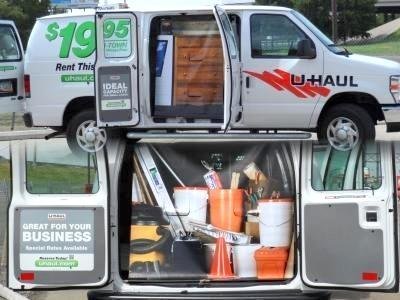
- Cargo Vans: Ideal for small moves, studio apartments, dorm rooms, or transporting a few large pieces of furniture. They are easy to drive and park, offering a significant upgrade from a personal vehicle.
- 10-Foot Trucks: Often the smallest dedicated moving truck, suitable for studios, 1-bedroom apartments, or moving a few rooms of furniture. They are relatively easy to maneuver and fit into standard parking spaces.
- 15-Foot Trucks: A popular choice for 1-2 bedroom apartments or small homes. These trucks typically come with a ramp for easier loading and often have enough space for appliances and larger furniture items.
- 20-Foot Trucks: Designed for 2-3 bedroom homes, these trucks provide ample space for multiple rooms of furniture, boxes, and household items. They are a good balance between capacity and driveability.
- 26-Foot Trucks: The largest option available from most rental companies, perfect for 3-5+ bedroom homes or large-scale moves. These trucks can hold an entire household’s worth of belongings, but require more careful driving due to their size.
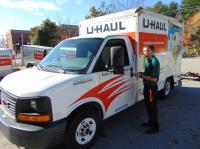
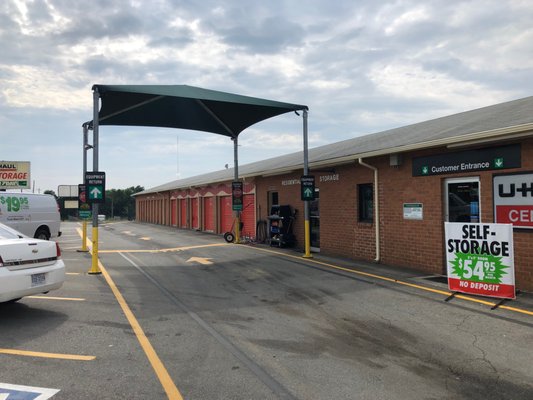
Major rental companies like U-Haul, Penske, Budget, and Enterprise all have strong presences across New Hampshire, from Nashua to Concord to Portsmouth, ensuring you have access to a variety of options. Some also offer towing capabilities for cars or utility trailers, adding another layer of versatility.
The Benefits of DIY Moving Truck Rental in the Granite State
Opting for a do-it-yourself move with a rental truck in New Hampshire comes with several compelling advantages:
- Significant Cost Savings: This is often the primary motivator. Renting a truck and handling the labor yourself is typically much more affordable than hiring a full-service moving company, especially for local moves. You save on labor costs, packing services, and sometimes even insurance premiums offered by third-party movers.
- Flexibility and Control: You dictate the schedule. You choose the moving date, the time of day for pickup and return, and the pace of your packing and loading. This control is invaluable, especially if you have specific timing needs or prefer to work at your own speed.
- Personalized Experience: You’re in charge of how your belongings are packed, loaded, and transported. This can provide peace of mind, knowing your cherished possessions are handled with your own care and attention.
- Availability: Moving truck rentals are generally easier to secure, even on relatively short notice, compared to booking full-service movers, particularly during peak moving seasons.
- Convenience for Local Moves: For moves within New Hampshire, such as relocating from Manchester to Nashua or from Portsmouth to Concord, a local rental is exceptionally convenient, allowing you to return the truck to its original location.
How to Rent a Moving Truck in New Hampshire: A Step-by-Step Guide
Renting a moving truck in New Hampshire is a straightforward process when approached systematically.
Step 1: Assess Your Needs
Start by taking a detailed inventory of your belongings. Consider the volume, weight, and fragility of your items. Estimate the number of rooms you’re moving. This will help you determine the appropriate truck size. Also, finalize your moving dates and the distance of your move (local vs. one-way).
Step 2: Choose a Provider and Get Quotes
Contact major rental companies such as U-Haul, Penske, Budget, and Enterprise. Compare their pricing for your desired truck size, dates, and route. Pay attention to:
- Base Rate: Daily or hourly rate.
- Mileage Charges: Often a per-mile fee, especially for local rentals.
- One-Way Fees: Significant for cross-state or long-distance moves.
- Insurance Options: What coverage they offer and recommend.
- Additional Equipment: Costs for dollies, moving blankets, etc.
- Fuel Policy: Return full, or pay for their refueling service.
- Location Availability: Ensure convenient pickup and drop-off points in NH.
Step 3: Reserve Your Truck Early
Once you’ve chosen a provider, make your reservation as soon as your moving date is firm. Peak seasons (summer, holidays, end-of-month) see high demand, and booking early ensures availability and often better rates. Online reservations are convenient, but a phone call can sometimes yield more detailed information or special offers.
Step 4: Pick-Up Day Preparation
On the day of pickup, bring:
- Valid Driver’s License: Must be current and held by the primary driver.
- Credit Card: For payment and deposit.
- Reservation Confirmation: Digital or printout.
- Proof of Insurance: If relying on personal auto insurance or credit card benefits.
Before driving off, conduct a thorough inspection of the truck. Check for existing damages (scratches, dents, cracks), verify fuel level, test lights and turn signals, and check tire pressure. Document any issues with photos or video and ensure they are noted on your rental agreement.
Step 5: Loading and Driving Safely
Load heavy items first and distribute weight evenly to prevent swaying. Secure items with tie-downs. Drive cautiously: large trucks handle differently than cars. Allow for longer stopping distances, make wider turns, and be mindful of overhead clearances, especially in older New Hampshire towns.
Step 6: Return the Truck
Return the truck to the agreed-upon location by the specified time. Adhere to the fuel policy (usually "return with the same fuel level"). Clean out the truck, remove all trash, and conduct a final inspection with a rental agent, if possible, to confirm its condition.
Key Considerations for a Smooth New Hampshire Move
Moving in New Hampshire presents its own unique set of considerations that can impact your truck rental experience.
- Seasonal Challenges:
- Winter (November-April): New Hampshire winters can be severe, with heavy snow and ice. Plan for potential delays, ensure your truck has adequate tires, and drive with extreme caution. Roads, especially in rural areas, can be challenging.
- Summer (June-August): While beautiful, summer is peak tourist season and peak moving season. Roads can be busy, and truck availability might be tighter. Book well in advance.
- Insurance Options: Your personal auto insurance policy might not cover rental trucks. Rental companies offer various protection plans:
- Damage Waiver (DW) or Loss Damage Waiver (LDW): Covers damage to the rental truck itself.
- Supplemental Liability Insurance (SLI): Provides additional liability coverage beyond state minimums.
- Personal Accident Insurance (PAI): Covers medical costs for you and your passengers.
- Cargo Protection: Covers damage to your belongings.
Carefully review what your personal insurance covers and consider supplemental coverage for peace of mind.
- Additional Equipment: Don’t underestimate the value of moving aids. Dollies (appliance and utility), furniture pads, moving blankets, and tie-down straps are essential for safe and efficient loading/unloading. Rent or purchase these in advance.
- Fuel Costs: Moving trucks, especially larger ones, are not fuel-efficient. Factor in substantial fuel costs into your budget. Diesel trucks, while sometimes more efficient for long hauls, often have higher fuel prices.
- One-Way vs. In-Town Rentals:
- In-Town (Local) Rentals: You pick up and return the truck to the same location. These often have a daily rate plus a per-mile charge.
- One-Way Rentals: You pick up in one location and drop off in another (e.g., Boston to Manchester). These usually have a higher flat rate for the rental period, often including a set number of miles, and can be more expensive overall but necessary for longer distances.
- Driver Requirements: Most companies require drivers to be at least 21 years old (some 24 or 25 for larger trucks) and hold a valid driver’s license. A special commercial driver’s license (CDL) is generally NOT required for non-commercial moving trucks.
- Tolls: Be aware that New Hampshire has toll roads, particularly on major highways like I-95 (Portsmouth to Seabrook) and parts of the Spaulding Turnpike. Factor these into your route and budget.
Tips for a Stress-Free Moving Truck Rental Experience in New Hampshire
- Book Early: This cannot be stressed enough, especially for moves during peak season or holidays.
- Get Multiple Quotes: Prices can vary significantly between providers and even different locations of the same provider.
- Read the Rental Agreement Thoroughly: Understand all terms, conditions, insurance coverage, fuel policies, and late return fees.
- Understand Fuel Policies: Most companies require you to return the truck with the same fuel level as when you picked it up. Failing to do so can result in expensive refueling charges.
- Inspect the Truck Thoroughly: Before accepting the keys, document any existing damage to avoid being charged for it later.
- Pack Smartly: Distribute weight evenly in the truck. Heavier items on the bottom, lighter items on top. Label boxes clearly for easy unloading.
- Drive Safely: Remember you’re driving a much larger, heavier vehicle. Reduce speed, increase following distance, and be extra cautious when turning or backing up.
- Have a Moving Day Checklist: From packing essentials to utility transfers, a checklist will keep you organized.
Potential Challenges and Solutions
Even with careful planning, challenges can arise. Here’s how to tackle common issues:
- Truck Not Available as Booked: This is rare with major providers but can happen. Have a backup plan: research alternative providers or be flexible with your moving dates.
- Mechanical Issues: Modern rental trucks are generally well-maintained, but breakdowns can occur. All major companies offer 24/7 roadside assistance. Ensure you have their number readily available.
- Unexpected Weather: New Hampshire weather can be unpredictable. If severe weather is forecasted, consider if rescheduling is an option. If not, drive extremely cautiously, adjust your route, and be prepared for delays.
- Unexpected Costs: To avoid surprises, thoroughly understand the rental agreement regarding mileage overages, fuel charges, late fees, and insurance deductibles. Keep track of your mileage and fuel purchases.
Moving Truck Rental New Hampshire: Estimated Price Table
Please note: These are estimated prices for general guidance only. Actual costs will vary significantly based on provider, specific location, time of year, duration of rental, availability, and promotional offers. Always obtain a direct quote for your specific needs.
| Provider | Truck Size (Capacity) | Estimated Daily Rate (Local) | Estimated Per-Mile Rate (Local) | Estimated One-Way Rate (e.g., NH to MA) | Basic Insurance (Optional) | Additional Equipment (Dollies/Blankets) | Fuel Type |
|---|---|---|---|---|---|---|---|
| U-Haul | Cargo Van (Studio/Dorm) | $19.95 – $29.95 | $0.99 – $1.29 | $150 – $300+ | $15 – $30/day | $7 – $10 (Dolly), $5 – $10 (12 Blankets) | Gasoline |
| 10 ft (Studio/1-BR) | $19.95 – $29.95 | $0.99 – $1.29 | $180 – $350+ | $15 – $30/day | $7 – $10 (Dolly), $5 – $10 (12 Blankets) | Gasoline | |
| 15 ft (1-2 BR) | $29.95 – $39.95 | $0.99 – $1.29 | $250 – $450+ | $15 – $30/day | $7 – $10 (Dolly), $5 – $10 (12 Blankets) | Gasoline | |
| 20 ft (2-3 BR) | $39.95 – $49.95 | $0.99 – $1.29 | $300 – $600+ | $15 – $30/day | $7 – $10 (Dolly), $5 – $10 (12 Blankets) | Gasoline | |
| 26 ft (3-5+ BR) | $39.95 – $49.95 | $0.99 – $1.29 | $400 – $800+ | $15 – $30/day | $7 – $10 (Dolly), $5 – $10 (12 Blankets) | Gasoline | |
| Penske | 12 ft (Studio/1-BR) | $60 – $90 | $0.89 – $0.99 | $200 – $400+ | $25 – $40/day | $10 – $15 (Dolly), $10 – $20 (12 Blankets) | Gasoline |
| 16 ft (1-2 BR) | $70 – $100 | $0.89 – $0.99 | $280 – $500+ | $25 – $40/day | $10 – $15 (Dolly), $10 – $20 (12 Blankets) | Gasoline | |
| 22 ft (2-3 BR) | $80 – $120 | $0.89 – $0.99 | $350 – $650+ | $25 – $40/day | $10 – $15 (Dolly), $10 – $20 (12 Blankets) | Diesel/Gas | |
| 26 ft (3-5+ BR) | $90 – $130 | $0.89 – $0.99 | $450 – $800+ | $25 – $40/day | $10 – $15 (Dolly), $10 – $20 (12 Blankets) | Diesel | |
| Budget | Cargo Van (Studio/Dorm) | $25 – $40 | $0.89 – $1.19 | $160 – $320+ | $20 – $35/day | $8 – $12 (Dolly), $6 – $12 (12 Blankets) | Gasoline |
| 12 ft (Studio/1-BR) | $29 – $49 | $0.89 – $1.19 | $190 – $380+ | $20 – $35/day | $8 – $12 (Dolly), $6 – $12 (12 Blankets) | Gasoline | |
| 16 ft (1-2 BR) | $39 – $59 | $0.89 – $1.19 | $270 – $480+ | $20 – $35/day | $8 – $12 (Dolly), $6 – $12 (12 Blankets) | Gasoline | |
| 22 ft (2-3 BR) | $49 – $69 | $0.89 – $1.19 | $330 – $600+ | $20 – $35/day | $8 – $12 (Dolly), $6 – $12 (12 Blankets) | Gasoline | |
| 26 ft (3-5+ BR) | $59 – $79 | $0.89 – $1.19 | $420 – $750+ | $20 – $35/day | $8 – $12 (Dolly), $6 – $12 (12 Blankets) | Gasoline |
Disclaimer: All prices are estimates and subject to change without notice. They do not include taxes, environmental fees, or additional surcharges. One-way rates are highly variable based on origin, destination, and demand. Always obtain a direct quote from the rental company.
Frequently Asked Questions (FAQ) About Moving Truck Rental New Hampshire
Q1: Do I need a special license to drive a moving truck in New Hampshire?
A1: No, for non-commercial moving trucks (typically up to 26 feet), a standard Class D driver’s license is sufficient in New Hampshire and across the U.S. You do not need a Commercial Driver’s License (CDL).
Q2: How old do I have to be to rent a moving truck in NH?
A2: Most major rental companies require drivers to be at least 21 years old. Some may allow 18-year-olds with an additional "underage driver" fee, but this is less common for larger trucks.
Q3: What insurance do I need for a rental truck?
A3: Your personal auto insurance policy might not cover rental trucks, especially for damage to the truck itself or liability beyond your personal vehicle. Rental companies offer various protection plans (Damage Waiver, Supplemental Liability Insurance, Personal Accident Insurance, Cargo Protection). It’s highly recommended to purchase adequate coverage for peace of mind, or confirm coverage with your existing insurer and credit card company.
Q4: Can I rent a truck one-way from New Hampshire?
A4: Yes, all major providers (U-Haul, Penske, Budget) offer one-way rentals, allowing you to pick up a truck in New Hampshire and drop it off at a different location, even in another state. Be aware that one-way rentals typically have a higher base rate than local (in-town) rentals.
Q5: What happens if I return the truck late?
A5: Most rental agreements specify a return time. Returning a truck late can result in additional hourly or daily charges, which can be significant. It’s best to communicate with the rental company if you anticipate a delay.
Q6: How much does fuel cost for a moving truck?
A6: Fuel costs can be substantial. Moving trucks, particularly larger models, have low fuel efficiency (often 8-12 MPG). Factor in the cost of a full tank or more, depending on your distance. Always adhere to the fuel policy – returning a truck with less fuel than when picked up usually incurs a high refueling charge.
Q7: What are peak seasons for moving truck rentals in NH?
A7: The busiest times for moving truck rentals in New Hampshire are generally:
- Summer months (May through August)
- End of each month
- Major holidays (e.g., Memorial Day, Labor Day)
Booking well in advance during these periods is highly recommended.
Conclusion: Empowering Your Move in the Granite State
Moving truck rental New Hampshire stands as a robust and flexible option for anyone planning a relocation. By taking the reins of your move, you gain control over your schedule, your budget, and the handling of your precious belongings. While the process demands careful planning and execution, the rewards of a successful DIY move – both financial and personal – are significant.
From understanding the right truck size and navigating New Hampshire’s unique seasonal challenges to securing appropriate insurance and planning your route, every step contributes to a smoother experience. Arm yourself with information, book wisely, drive safely, and embrace the journey. Your successful New Hampshire move begins with a well-chosen rental truck and a confident approach.