Moving Rental Trucks One Way: Your Comprehensive Guide to a Seamless Relocation

Moving Rental Trucks One Way: Your Comprehensive Guide to a Seamless Relocation
Relocating across state lines or even just a significant distance within the same state can be a daunting task. The logistics of transporting your entire household often present the biggest challenge. This is where moving rental trucks one way services become an indispensable solution, offering unparalleled convenience and efficiency for long-distance moves. Instead of the hassle of driving a truck back to its origin after unloading, a one-way rental allows you to pick up a truck in one location and drop it off at another, often near your new home. This eliminates the need for a costly and time-consuming return trip, making it a cornerstone of modern long-distance moving strategies.
Understanding the nuances of one-way truck rentals is crucial for a smooth and stress-free move. This comprehensive guide will walk you through every aspect, from choosing the right provider and truck size to understanding pricing, preparing for moving day, and ensuring a hassle-free return.
Why Choose One-Way Truck Rental? Benefits & Scenarios
The primary appeal of one-way truck rentals lies in their inherent convenience and efficiency. For anyone facing a significant geographical shift, the benefits are clear:
- Eliminate Return Trips: The most obvious advantage is avoiding the long, tiring, and expensive drive back to the original pick-up location. This saves on fuel, tolls, wear and tear on your vehicle (if you were considering driving your own), and valuable time.
- Time-Saving: For cross-country or even regional moves, the time saved by not having to return the truck can be significant, allowing you to settle into your new home faster.
- Reduced Stress: Knowing you only have to focus on the destination simplifies the entire moving process, reducing logistical stress.
- Ideal for Specific Scenarios:
- Long-Distance Relocations: Perfect for moving to a new city or state for work, family, or lifestyle changes.
- College Moves: Students relocating to dorms or apartments far from home.
- Military Transfers: Often involving moves across vast distances.
- Downsizing/Upsizing: When relocating to a home that requires a specific amount of items to be moved, and you don’t plan to return to your previous residence.
While two-way rentals might seem cheaper upfront, when factoring in the cost of fuel, accommodation, and the value of your time for the return journey, one-way rentals often prove to be the more economical and practical choice for any substantial distance.
Key Players in One-Way Truck Rentals
Several reputable companies dominate the one-way truck rental market, each offering slightly different fleets, pricing structures, and service networks. Understanding their offerings can help you make an informed decision:
- U-Haul: Perhaps the most recognizable name, U-Haul boasts the largest network of locations across North America. They offer a wide range of truck sizes, cargo vans, and pickup trucks, along with towing equipment and moving supplies. Their extensive presence often means greater availability, even in smaller towns.
- Budget Truck Rental: Known for competitive pricing, Budget offers a solid fleet of trucks from cargo vans to 26-foot vehicles. They frequently have discounts and promotions, making them a strong contender for budget-conscious movers. Their network is extensive, though perhaps not as vast as U-Haul’s.
- Penske Truck Rental: Penske is often praised for its newer, well-maintained fleet and excellent customer service. They specialize in larger trucks (12-foot and up) and also offer commercial rentals. While their pricing might be slightly higher, the reliability and quality of their vehicles can be a significant advantage, especially for long hauls.
- Enterprise Truck Rental: Enterprise, famous for car rentals, also offers a range of moving trucks, including cargo vans, pickup trucks, and box trucks. They are known for personalized service and often have more flexible pick-up and drop-off options, leveraging their vast car rental network.
Each company has its strengths, so getting quotes from multiple providers is always recommended to find the best fit for your specific needs and budget.
How to Plan Your One-Way Truck Rental
Careful planning is the bedrock of a successful one-way move. Here’s a step-by-step guide:
Determine Your Truck Size
This is perhaps the most critical decision. Underestimate, and you might need to make multiple trips or leave items behind. Overestimate, and you pay for unused space and fuel.
- Cargo Van: Smallest moves, studio apartments, or supplementing a larger move.
- 10-Foot Truck: Ideal for studio to 1-bedroom apartments.
- 15-Foot Truck: Suitable for 1-2 bedroom apartments or small homes.
- 20-Foot Truck: Best for 2-3 bedroom homes.
- 26-Foot Truck: Largest option, designed for 3-5+ bedroom homes.
Most rental companies offer online "room calculators" or cubic footage guides to help you estimate. When in doubt, it’s often safer to go slightly larger than too small.
Get Quotes & Compare
Once you have an idea of the truck size, start gathering quotes.
- Input Accurate Information: Be precise with pick-up/drop-off locations, dates, and truck size.
- Request Total Cost: Don’t just look at the base rate. Ask for the total estimated cost, including all fees, taxes, and estimated mileage charges.
- Check for Discounts: Many companies offer discounts for AAA members, military personnel, students, or specific promotional periods.
Booking Process
- Book in Advance: Especially if you’re moving during peak season (summer, end of month, holidays), book your truck several weeks, if not months, ahead. Availability can be limited, and last-minute bookings often incur higher prices.
- Online vs. Phone: Booking online is usually straightforward, but a phone call can be helpful for clarifying details, asking about specific equipment, or negotiating.
- Flexibility: If your dates are flexible, inquire about off-peak rates, which can sometimes be significantly cheaper.
Required Documentation & Add-ons
- Driver’s License: A valid, non-expired driver’s license is essential. Some companies have age restrictions (e.g., 21 or 24 years old, with surcharges for drivers under 25).
- Credit Card: For payment and security deposit.
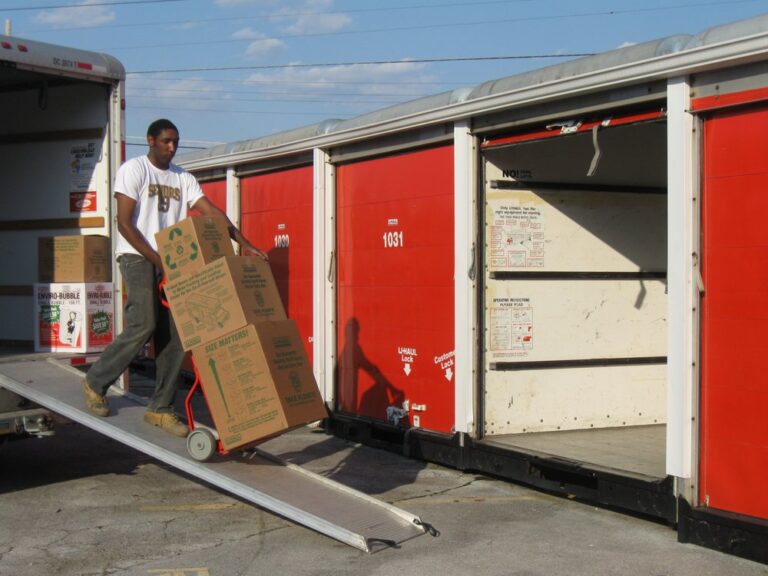
- Moving Supplies: Consider renting dollies (utility and appliance), furniture pads/blankets, and purchasing boxes or packing tape directly from the rental company for convenience.
- Towing Equipment: If you plan to tow your car, ensure the truck is equipped for it and reserve a car trailer or tow dolly.
Understanding One-Way Rental Pricing
One-way rental pricing is more complex than local rentals due to the logistics of balancing fleet distribution. Several factors influence the final cost:
- Distance: The primary driver of cost. Longer distances naturally incur higher base rates.
- Truck Size: Larger trucks cost more to rent.
- Time of Year/Demand: Peak moving seasons (late spring to early fall, end of months, holidays) see higher prices due to increased demand and lower availability.
- Origin/Destination Popularity: Moving from a less popular city to a highly popular one might be cheaper than the reverse, as companies try to reposition trucks.
- Rental Duration: Most one-way rentals come with a set number of days and miles. Exceeding these limits can result in significant surcharges.
- Base Rate: The initial cost for the truck and a set number of days/miles.
- Mileage Charge: Some companies include unlimited mileage in one-way rentals, while others charge per mile after a certain allowance. Always clarify this.
- Fuel Costs: You are responsible for fuel. Trucks generally run on unleaded gasoline, but check the specific requirement. Fuel efficiency is typically low (6-10 MPG), so budget accordingly.
- Environmental Fees, Taxes, Surcharges: These are often added to the base rate.
- Insurance: Optional but highly recommended. Coverage varies (damage waivers, supplemental liability, personal accident/cargo). Understand what your personal auto or homeowner’s insurance might cover before purchasing additional rental truck insurance.
- Additional Equipment: Dollies, blankets, car carriers, etc., add to the cost.
Practical Tip: Always request a detailed, itemized quote that includes all potential fees. Ask directly about fuel policies, mileage limits, and what happens if you exceed them.
On Moving Day: Picking Up & Driving Your Rental
Pre-Pickup Checklist
- Confirm Reservation: Reconfirm your pick-up time, location, and truck size a day or two before.
- Inspect the Truck: Before driving off, thoroughly inspect the truck for any existing damage (scratches, dents, cracked mirrors, fluid leaks). Document everything with photos or videos and ensure it’s noted on your rental agreement. This protects you from being charged for pre-existing damage.
- Understand Fuel Policy: Clarify whether you need to return the truck with a full tank, the same level as pickup, or if there’s a specific refueling fee.
- Test Drive: If possible, take a short drive around the lot to get a feel for the vehicle, especially if you’re not used to driving a large truck.
Loading Tips
- Weight Distribution: Load heavier items at the bottom and front of the truck (closest to the cab). Distribute weight evenly from side to side to maintain stability.
- Secure Items: Use moving blankets to protect furniture and tie-downs or ropes to secure everything tightly, preventing shifting during transit.
- Maximize Space: Load boxes wall-to-wall, floor-to-ceiling. Disassemble furniture where possible.
Driving Considerations
Driving a large rental truck is different from driving a car.
- Height & Width: Be aware of the truck’s dimensions. Watch out for low clearances (bridges, drive-thrus, parking garages) and narrow spaces.
- Braking Distance: Trucks require significantly more distance to stop. Maintain extra space between your truck and other vehicles.
- Blind Spots: Large trucks have larger blind spots. Use your mirrors frequently and signal well in advance.
- Speed Limits: Observe posted speed limits for trucks, which may be lower than for cars.
- Turns: Make wider turns than you would in a car to avoid hitting curbs or other vehicles.
- Fueling: Be mindful of truck stops or gas stations with ample space for large vehicles.
Returning Your One-Way Rental Truck
The final step is just as important as the first.
- Designated Drop-off Location: Confirm the exact address and operating hours of your drop-off location. Ensure it’s the one specified in your contract.
- Fuel Policy Compliance: If required, refill the fuel tank to the specified level. Keep the receipt as proof. Failure to do so can result in hefty refueling charges.
- Remove Personal Belongings: Double-check the cab and cargo area for any forgotten items.
- Light Cleaning: While not usually required to be spotless, remove any large debris or trash.
- Final Inspection: Before handing over the keys, do a final walk-around. Document the truck’s condition with photos/videos (timestamped if possible). This is your evidence if any damage claims arise later.
- Key Drop-off: Follow the specific instructions for key return, especially if dropping off after hours.
- Final Receipt: Ensure you receive a final receipt that clearly states the rental is closed and all charges are settled. Keep this for your records.
Challenges and Solutions
Even with careful planning, challenges can arise.
- Availability Issues: During peak moving season, trucks can be scarce.
- Solution: Book as far in advance as possible. Be flexible with your pick-up/drop-off dates if you can. Consider less popular pick-up locations if nearby.
- Unexpected Costs: Surcharges, refueling fees, or exceeding mileage limits.
- Solution: Get a detailed, all-inclusive quote upfront. Understand the fine print of your contract regarding fuel, mileage, and return policies. Budget for potential overages.
- Damage Concerns: Being charged for pre-existing damage or accidental damage during your move.
- Solution: Thoroughly inspect and document the truck’s condition at pick-up. Consider purchasing rental truck insurance. Drive carefully.
- Fuel Efficiency: Large trucks are gas guzzlers.
- Solution: Drive conservatively (avoid rapid acceleration/braking), keep your speed steady, and don’t overload the truck. Factor significant fuel costs into your budget.
Table Price: Estimated One-Way Rental Costs
Please Note: The prices below are estimated ranges and can vary significantly based on company, exact distance, date, availability, location, and current promotions. These figures are for illustrative purposes only and should not be taken as definitive quotes. Always obtain direct quotes from multiple providers for accurate pricing.
| Truck Size | Estimated Distance (Miles) | Estimated Base Rate Range (USD) | Additional Costs (Examples) | Total Estimated Range (Excluding Personal Insurance & Supplies) |
|---|---|---|---|---|
| Cargo Van | 100 – 300 | $100 – $250 | Fuel ($50-$150), Taxes/Fees ($10-$30) | $160 – $430 |
| 500 – 1000 | $300 – $600 | Fuel ($150-$300), Taxes/Fees ($20-$60) | $470 – $960 | |
| 10-Foot Truck | 100 – 300 | $150 – $300 | Fuel ($75-$200), Taxes/Fees ($15-$40) | $240 – $540 |
| 500 – 1000 | $400 – $750 | Fuel ($200-$400), Taxes/Fees ($30-$80) | $630 – $1230 | |
| 1500 – 2500 | $800 – $1400 | Fuel ($400-$800), Taxes/Fees ($50-$150), Mileage overage (if applicable) | $1250 – $2350+ | |
| 15-Foot Truck | 100 – 300 | $180 – $350 | Fuel ($100-$250), Taxes/Fees ($20-$50) | $300 – $650 |
| 500 – 1000 | $500 – $900 | Fuel ($250-$500), Taxes/Fees ($40-$100) | $790 – $1500 | |
| 1500 – 2500 | $1000 – $1800 | Fuel ($500-$1000), Taxes/Fees ($70-$200), Mileage overage (if applicable) | $1570 – $3000+ | |
| 20-Foot Truck | 100 – 300 | $220 – $400 | Fuel ($120-$300), Taxes/Fees ($25-$60) | $365 – $760 |
| 500 – 1000 | $600 – $1100 | Fuel ($300-$600), Taxes/Fees ($50-$120) | $950 – $1820 | |
| 1500 – 2500 | $1200 – $2200 | Fuel ($600-$1200), Taxes/Fees ($90-$250), Mileage overage (if applicable) | $1890 – $3650+ | |
| 26-Foot Truck | 100 – 300 | $250 – $450 | Fuel ($150-$350), Taxes/Fees ($30-$70) | $430 – $870 |
| 500 – 1000 | $700 – $1300 | Fuel ($350-$700), Taxes/Fees ($60-$150) | $1110 – $2150 | |
| 1500 – 2500 | $1400 – $2600 | Fuel ($700-$1400), Taxes/Fees ($100-$300), Mileage overage (if applicable), Car Tow Dolly/Trailer ($100-$300) | $2200 – $4600+ |
Frequently Asked Questions (FAQ)
Q: How far in advance should I book a one-way rental truck?
A: For peak season moves (late spring to early fall, end of month), book 4-8 weeks in advance. For off-peak times, 2-4 weeks is usually sufficient, but earlier is always safer.
Q: What kind of driver’s license do I need?
A: A standard, valid driver’s license from any U.S. state or Canadian province is typically sufficient for driving a rental truck. A commercial driver’s license (CDL) is not required for these non-commercial vehicles.
Q: Is rental truck insurance necessary?
A: While often optional, it’s highly recommended. Your personal auto insurance or homeowner’s policy may offer limited coverage, but rental truck-specific insurance (damage waivers, supplemental liability, cargo coverage) provides more comprehensive protection against accidents, theft, or damage to your belongings. Check your existing policies first.
Q: Can I tow my car with a rental truck?
A: Yes, most major rental companies offer car carriers (for all four wheels off the ground) or tow dollies (for two wheels off the ground). Ensure your truck is equipped for towing and that you select the correct towing equipment for your vehicle type.
Q: What if my drop-off location changes?
A: Contact the rental company immediately. They may be able to accommodate the change, but it could result in additional fees or impact truck availability.
Q: What are the fuel policies for one-way rentals?
A: Policies vary by company. Some require you to return the truck with a full tank, others with the same fuel level as when you picked it up. Failure to comply can result in significant refueling charges, often at a premium rate. Always clarify this at pick-up.
Q: Can I rent a truck if I’m under 21?
A: Most major rental companies require drivers to be at least 21 years old. Some may allow 18-20-year-olds with an additional "underage driver" fee. Check with the specific rental company before booking.
Conclusion
Moving rental trucks one way services have revolutionized long-distance relocations, transforming what could be a logistical nightmare into a streamlined process. By eliminating the arduous return trip, these services offer unparalleled convenience, save precious time, and often prove to be the most cost-effective solution when all factors are considered. From meticulous planning and understanding pricing structures to executing a safe drive and ensuring a smooth return, every step is crucial for a successful move. Armed with the insights from this guide, you are well-equipped to navigate the complexities of one-way truck rentals and embark on your next chapter with confidence and ease. Make your next long-distance move a breeze by leveraging the power of a well-planned one-way rental. For more detailed information on specific providers and current offers, consider exploring resources like moving rental trucks one way.