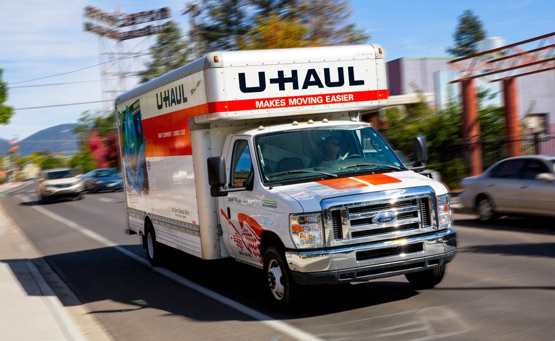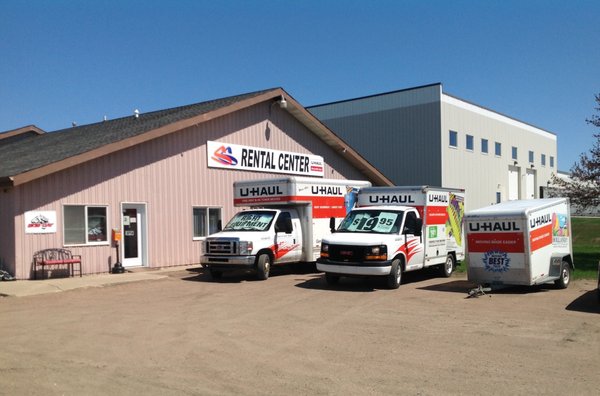
U-Haul Dealers: Your Local Hub for Moving and Storage Solutions
U-Haul Dealers: Your Local Hub for Moving and Storage Solutions
Moving can be one of life’s most challenging endeavors, but for millions, it’s made significantly easier by the vast network of U-Haul. At the heart of this extensive system are U-Haul dealers – independent businesses that partner with the moving giant to provide accessible and convenient rental services. Far more than just a place to pick up a truck, these local establishments are crucial nodes in U-Haul’s mission to offer affordable, self-service moving and storage solutions across North America. They represent the brand’s commitment to local communities, transforming everyday businesses into essential service centers for those embarking on a new journey or simply needing temporary storage. Understanding the role, benefits, and operations of U-Haul dealers is key to appreciating the seamless moving experience many have come to expect.
What Exactly is a U-Haul Dealer?
A U-Haul dealer is an independently owned and operated business that has partnered with U-Haul International to offer its rental equipment and services. Unlike a corporate U-Haul center, which is directly owned and managed by U-Haul, dealers are existing businesses that integrate U-Haul operations into their current offerings. This unique business model allows U-Haul to extend its reach into virtually every neighborhood, leveraging local businesses as convenient pick-up and drop-off points.
You’ll find U-Haul dealers in a diverse range of establishments, including gas stations, convenience stores, auto repair shops, self-storage facilities, hardware stores, and even mom-and-pop shops. These businesses provide the physical location, staff, and customer service necessary to facilitate U-Haul rentals. In return, they receive a share of the rental revenue and the added benefit of increased foot traffic from customers seeking moving and storage solutions. This symbiotic relationship is the cornerstone of U-Haul’s unparalleled accessibility, ensuring that whether you’re in a bustling city or a rural town, a U-Haul rental is usually just a short drive away. They handle everything from reserving equipment to processing paperwork, inspecting vehicles, and assisting with hitching trailers, effectively becoming a local moving expert for their community.
The Benefits of the U-Haul Dealer Network
The widespread network of U-Haul dealers offers significant advantages to both customers and the business owners who choose to partner with U-Haul.
For Customers: Unmatched Convenience and Accessibility
- Ubiquitous Locations: The primary benefit for customers is the sheer number of locations. With thousands of independent dealers, U-Haul equipment is often available within a few miles of anyone’s home or destination, minimizing travel time and fuel costs for pick-up and drop-off.
- Extended Hours: Many dealer locations, such as gas stations or convenience stores, operate with longer hours, often from early morning until late at night, or even 24/7. This flexibility is invaluable for customers with tight moving schedules or those needing to pick up or return equipment outside of standard business hours.
- One-Stop Shop: Dealers frequently offer other services alongside U-Haul rentals, like fuel, snacks, or auto repairs. This allows customers to consolidate errands, saving time and effort during an already busy period.
- Local Expertise: Many dealers are deeply embedded in their communities, offering a personalized touch and local knowledge that can be helpful for movers unfamiliar with the area.
For Business Owners: A Strategic Partnership
- Additional Revenue Stream: Becoming a U-Haul dealer provides a lucrative opportunity to generate extra income through commissions on rentals and sales of moving supplies. This can significantly boost a business’s overall profitability without requiring a substantial initial investment.
- Increased Foot Traffic: The U-Haul brand is a powerful magnet. Customers coming to rent a truck or trailer often end up purchasing other products or services offered by the dealer, such as gas, snacks, or auto parts, leading to increased sales across the board.
- Business Diversification: Partnering with U-Haul allows businesses to diversify their offerings, making them more resilient to market fluctuations in their primary industry. It transforms them into a multi-service hub.
- Brand Association and Support: Dealers benefit from associating with a nationally recognized and trusted brand like U-Haul. They also receive comprehensive training, marketing support, and access to U-Haul’s robust reservation and inventory management systems, minimizing administrative burden.
Becoming a U-Haul Dealer: A Business Opportunity
For entrepreneurs and existing business owners looking to expand their services, becoming a U-Haul dealer presents a compelling opportunity. The process is designed to be straightforward, allowing businesses to quickly integrate U-Haul services.
Eligibility and Requirements
U-Haul seeks partners who:
- Have an existing commercial location with adequate space for equipment storage and customer parking.
- Are established businesses with a solid reputation in their community.
- Possess a computer with internet access for managing reservations and inventory.
- Are committed to providing excellent customer service.
- Have a staff willing to undergo U-Haul’s comprehensive training.
The Application Process
- Online Inquiry: Prospective dealers typically start by submitting an online inquiry through the U-Haul website, expressing their interest.
- Consultation and Evaluation: A U-Haul representative will then contact the applicant to discuss the opportunity, assess their location, and evaluate their business’s suitability. This often involves a site visit to ensure there’s enough space for trucks, trailers, and customer parking.
- Agreement and Training: Once approved, the business enters into a dealer agreement with U-Haul. Following this, the dealer’s staff receives thorough training on U-Haul’s reservation system, equipment handling, safety procedures, and customer service protocols. This training ensures that dealers are well-equipped to manage rentals efficiently and safely.
- Equipment Delivery: U-Haul then delivers the initial inventory of trucks, trailers, and moving supplies, and the new dealer is ready to open for business.
Day-to-Day Operations
As a U-Haul dealer, daily tasks involve processing reservations, checking out and checking in equipment, conducting vehicle inspections, assisting customers with questions, and managing the inventory of moving supplies. Dealers are supported by U-Haul’s centralized reservation system and customer service channels, which can assist with complex issues or equipment allocation. The commitment required from a dealer is primarily in staff time, space allocation, and a dedication to upholding U-Haul’s service standards.
Navigating the U-Haul Dealer Experience as a Customer
For customers, understanding how to best utilize the U-Haul dealer network can significantly smooth the moving process.
Finding a Dealer and Making a Reservation
The easiest way to find a U-Haul dealer is by visiting the official U-Haul website or using their mobile app. You can enter your location, and the system will display nearby dealers, their available equipment, hours of operation, and customer reviews. It’s always advisable to reserve your equipment online or by phone well in advance, especially during peak moving seasons (e.g., end of month, summer, college move-in/out periods) to ensure availability at your preferred location.
Picking Up Equipment
When picking up your rental, arrive with your valid driver’s license and payment method. The dealer will process your paperwork, go over the rental agreement, and often walk you through a brief inspection of the equipment. This is your opportunity to note any existing damage and ask questions about operating the truck or hitching a trailer. Many dealers can offer helpful tips on safe loading and driving.
Returning Equipment
Returning equipment is typically straightforward. You’ll drop off the truck or trailer at the agreed-upon location (which can be different from the pick-up location, offering great flexibility). Ensure the fuel tank is at the specified level and all your belongings have been removed. If returning after hours, follow the dealer’s specific instructions for key drop-off and parking. Always take photos of the equipment upon return as proof of its condition.
Customer Service at a Dealer
Most U-Haul dealers are dedicated to providing excellent service. If you encounter any issues during your rental, such as equipment malfunction or questions about your billing, your first point of contact should be the dealer where you picked up or returned the equipment. For more complex problems or if you need roadside assistance, U-Haul’s corporate customer service and roadside assistance are available 24/7.
Key Considerations When Choosing a U-Haul Dealer
While the abundance of U-Haul dealers offers convenience, a few considerations can help you select the best location for your needs:
- Location Convenience: Prioritize a dealer that is easy to access from your current home and/or your destination. Factor in traffic patterns and parking availability.
- Inventory Availability: Check online for the specific equipment you need. While U-Haul’s system attempts to guarantee reservations, local inventory can fluctuate. Some dealers might specialize in certain types of equipment (e.g., more trailers, fewer trucks).
- Customer Reviews: Online reviews can offer insights into the dealer’s customer service, efficiency, and equipment maintenance. A dealer with consistently positive feedback is often a safer bet.
- Hours of Operation: Ensure the dealer’s hours align with your pick-up and drop-off schedule. If you need an early morning or late-night return, choose a location with suitable extended or 24/7 access.
- Specific Services: Some dealers offer additional services like propane refills, moving supplies (boxes, tape, pads), or self-storage units. If you need these, choose a dealer that provides them.
Challenges and Solutions for U-Haul Dealers
Operating as a U-Haul dealer, while rewarding, comes with its own set of challenges that require proactive management.
Challenges:
- Space Constraints: Many dealers operate from existing businesses with limited parking. Managing truck and trailer inventory efficiently without impacting their primary business operations can be a constant balancing act.
- Staff Training and Turnover: Ensuring all staff members are adequately trained on U-Haul’s systems, safety protocols, and customer service standards, especially with staff turnover, requires ongoing effort.
- Seasonal Demand Fluctuations: Moving is highly seasonal. Dealers must be prepared for peak periods with increased demand and be able to manage slower times effectively.
- Equipment Maintenance: While U-Haul maintains its fleet, dealers are often the first line of defense in identifying minor issues or ensuring equipment is clean and ready for the next customer.
- Customer Service Demands: Dealing with diverse customer needs, last-minute changes, or occasional complaints requires patience and strong problem-solving skills.
Solutions:
- Leveraging U-Haul Support: U-Haul provides extensive support, including regional managers, a dedicated dealer support line, and online resources, to help dealers overcome operational hurdles.
- Efficient Scheduling and Communication: Using U-Haul’s reservation system effectively and maintaining clear communication with customers about pick-up/drop-off times helps manage inventory and space.
- Robust Training Programs: U-Haul offers continuous training modules and refreshers, which dealers should utilize to keep their staff proficient.
- Proactive Maintenance Checks: Implementing quick daily checks of equipment by staff can help catch minor issues before they become major problems, ensuring equipment is always road-ready.
- Focus on Customer Experience: Empowering staff to resolve common issues and providing clear information can significantly enhance customer satisfaction, turning potential challenges into positive interactions.
Practical Advice and Actionable Insights
For customers, reserving your U-Haul equipment early, especially during peak moving seasons, is paramount. Always inspect your rental thoroughly before leaving the lot and report any existing damage. Familiarize yourself with the rental agreement’s terms, including fuel policies and return procedures. Clear communication with your dealer about your needs can also prevent misunderstandings.
For aspiring U-Haul dealers, thorough research into the business model and a realistic assessment of your space and staff capabilities are crucial. Leverage U-Haul’s comprehensive training and support systems to ensure a smooth integration and successful operation. Remember that excellent customer service is the cornerstone of a successful dealership, driving repeat business and positive reviews.
Understanding U-Haul Rental Pricing: Key Factors & Typical Ranges
U-Haul rental prices are highly dynamic and depend on numerous factors. The table below provides a general overview of the elements that influence the cost of renting equipment from a U-Haul dealer. It’s crucial to note that these are not fixed prices, but rather an explanation of what determines them. For exact pricing, always obtain a quote directly from U-Haul for your specific dates, locations, and equipment.
| Equipment Type | Primary Factors Influencing Price | Typical Duration | Notes on Variability